
Light Requirements
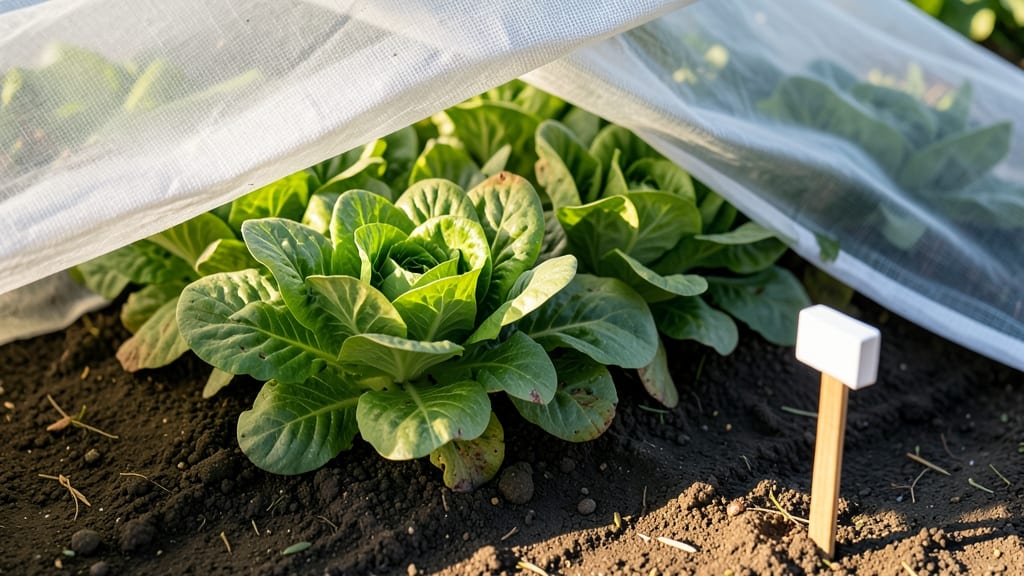
Lettuce needs shade to thrive in hot climates, but too little light turns it leggy and bitter 🥬 — the balance is everything.
If you’ve ever wondered why your lettuce turns bitter or bolts too quickly, the answer likely lies in its sunlight exposure. Lettuce is far more sensitive to light than most gardeners realize, and getting it wrong can ruin your harvest before it even starts.
In cooler zones like USDA 6a, lettuce handles 4-6 hours of morning sun beautifully, but in summer heat, even that can trigger bolting. The key is partial shade — enough light for photosynthesis, but protection from scorching rays that turn leaves tough and seedy.
Below, I’ll break down the ideal light setup for your lettuce patch, how to spot when it’s getting too much (or too little), and the simplest shade solutions to keep your greens crisp and sweet all season.
 Best Window Placement
How much sunlight does lettuce actually need for optimal growth?
Lettuce thrives in partial shade, but many gardeners misunderstand its exact sunlight needs. Unlike sun-loving tomatoes, lettuce actually prefers 4-6 hours of morning sun followed by afternoon shade. This balance prevents bolting (premature flowering) and bitter flavors while maximizing crispness.
The key lies in photosynthesis efficiency—lettuce leaves are designed to capture light gently, avoiding the stress of intense midday rays.
Most leaf lettuce varieties (like romaine or buttercrunch) tolerate 3-4 hours of sun daily, while head lettuce (such as iceberg or crisphead) needs 4-6 hours to form tight, compact heads. Over-exposure to sun causes leaves to yellow or wilt, while too little light leads to leggy, pale growth.
Understanding this distinction is critical for gardeners in hot climates or urban areas with limited shade options.
Scientific insight: Lettuce’s chlorophyll absorbs light most efficiently in blue and red wavelengths, which are abundant in morning sunlight. Afternoon sun’s higher UV index can damage delicate leaves, triggering stress hormones that accelerate bolting. This is why dappled shade (filtering 50-70% of light) is ideal for summer growing.
| Lettuce Type | Ideal Sunlight | Signs of Over-Exposure | Signs of Under-Exposure |
|---|---|---|---|
| Leaf Lettuce (Romaine, Buttercrunch) | 3-4 hours/day | Yellowing edges, wilted leaves | Leggy stems, pale green |
| Head Lettuce (Iceberg, Crisphead) | 4-6 hours/day | Bitter taste, loose heads | Slow head formation, small size |
| Loose-Leaf (Oakleaf, Red Sails) | 2-3 hours/day (tolerates shade) | Brown spots, crisp loss | Slow growth, weak stems |
In hot climates (Zones 8-10), lettuce often bolts when exposed to more than 6 hours of sun during summer months. This is because the plant perceives heat stress as a signal to reproduce.
To counteract this, use shade cloth (30-50%) or plant lettuce under trees with high canopies (like oak or maple) that filter light. Even 20% shade reduction can extend the growing season by 4-6 weeks.
For container gardening, place lettuce near east-facing windows where it receives gentle morning light. Avoid south-facing windows, which deliver intense afternoon sun. If using grow lights, opt for cool-white LEDs (5000K) and limit exposure to 10-12 hours/day to mimic natural shade conditions.
Overhead lights can scorch leaves if positioned too closely.
Seasonal adjustments are key: in spring and fall, lettuce can handle full morning sun (6-8 hours) without bolting, while summer heat requires afternoon shade after 12 PM.
A simple trick is to monitor your lettuce’s leaf color—dark green indicates optimal light, while yellow or purple hues signal stress. Adjust shade structures accordingly.
Myth-busting: Many gardeners assume lettuce needs full shade to stay crisp, but this leads to weak, watery growth. The goal is partial shade, not full shade. For example, a 60% shade cloth blocks too much light, while a 30% cloth provides ideal filtration.
Test your setup by observing leaf texture—crisp, upright leaves mean you’ve nailed the balance.
Pro tip: If your lettuce starts bolting, harvest immediately and replant with shade-tolerant varieties like Black Seeded Simpson or Jericho, which handle lower light better. For container growers, rotate pots quarter-turns daily to ensure even light exposure and prevent leaning toward the sun.
Remember, lettuce’s sunlight needs are flexible but precise. Experiment with microclimates in your garden—even a north-facing raised bed can work if supplemented with a reflective surface (like white gravel) to bounce extra light onto leaves. With the right balance, you’ll enjoy crisp, sweet lettuce all season long.
Best shade solutions to prevent lettuce from bolting or turning bitter
Lettuce thrives in partial shade, but too much sun causes bolting, while too little leads to bitter flavors. The key is finding that sweet spot—4-6 hours of morning sun with afternoon shade works best for most varieties.
In hot climates, even dappled shade from trees can prevent stress, but avoid dense shade that weakens growth.
If your lettuce is already bolting, it’s likely getting too much sunlight or heat stress. Leaf lettuce varieties like Buttercrunch or Romaine handle shade better than head lettuces like Iceberg, which need slightly more light. Adjusting shade solutions can save your harvest mid-season.
Here’s how natural and artificial shade compare for lettuce growth:
| Shade Type | Best For | Setup Difficulty | Cost | Adjustability |
|---|---|---|---|---|
| Natural Shade (Trees, Fences) | Long-term gardens, permanent beds | Low (existing structures) | Free-$50 | Limited |
| Artificial Shade Cloth (30-50%) | Containers, raised beds, hot climates | Medium (DIY or store-bought) | $20-$100 | High (moveable) |
| DIY Shade Structures (Bamboo, Mesh) | Budget gardens, temporary shade | Medium (crafting skills needed) | $10-$40 | Medium (reusable) |
| Reflective Mulch (White Plastic) | Hot summers, small plots | Low (spread over soil) | $5-$20 | Low (permanent) |
For seedlings, start with light shade (like a sheer curtain or 30% shade cloth) and gradually reduce it over 7-10 days to avoid shock. Hardening off seedlings under partial shade mimics outdoor conditions and strengthens stems. Skip this step, and your lettuce may bolt prematurely or develop weak growth.
Seasonal adjustments are critical. In summer, provide afternoon shade to prevent heat stress, while in winter, maximize light exposure (even full sun) to compensate for shorter days. Use reflective mulch in hot climates to bounce light away, or elevate containers to improve airflow and reduce overheating.
My go-to solution? A DIY shade frame made from PVC pipes and 50% shade cloth. It’s adjustable, portable, and costs under $30. For container gardens, rotate pots weekly to ensure even light exposure—this prevents leggy growth and keeps leaves uniform.
With the right shade strategy, your lettuce will stay crisp, sweet, and ready for harvest all season long. 🌿