
Light Requirements
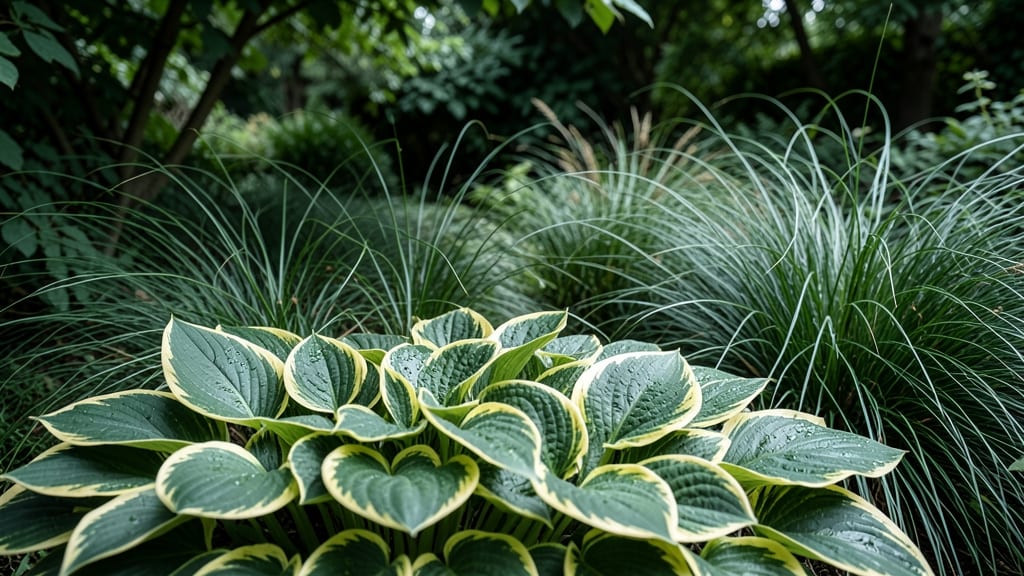
Struggling to find vibrant ground cover for shady spots? These 10 fast-spreading shade-loving grasses thrive where sunlight is scarce, creating lush carpets that suppress weeds and outperform traditional shade plants.
Japanese Forest Grass for Textured Ground Cover
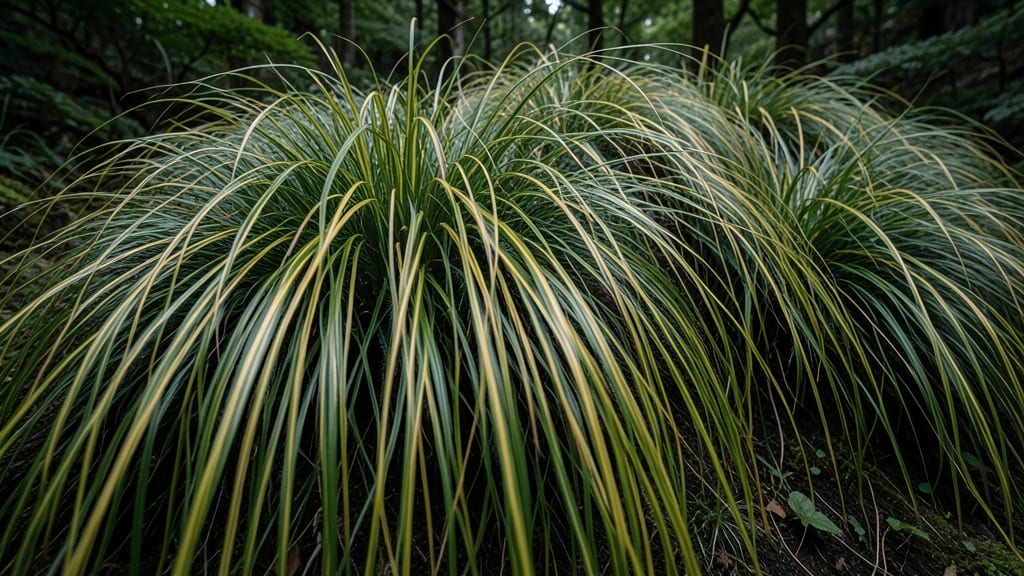
Hakonechloa macra, or Japanese Forest Grass, transforms shady corners into textured art with its cascading, variegated foliage—golden stripes that catch the light even in deep shade. This grass isn’t just functional; it’s a statement piece that spreads aggressively to smother weeds while demanding minimal care.
Plant it in moist, well-draining soil where it can spill over edges, creating a soft, fountain-like effect. The arching blades thrive in full to partial shade and tolerate humidity, making it ideal for woodland gardens or under tree canopies. For best results, divide clumps every 3–4 years to maintain vigor and prevent overcrowding.
Perfect for gardeners who want low-maintenance drama without sacrificing shade tolerance, this grass adds movement and color where other plants struggle. 🌿
Carex Muskingumensis for Low-Maintenance Spread
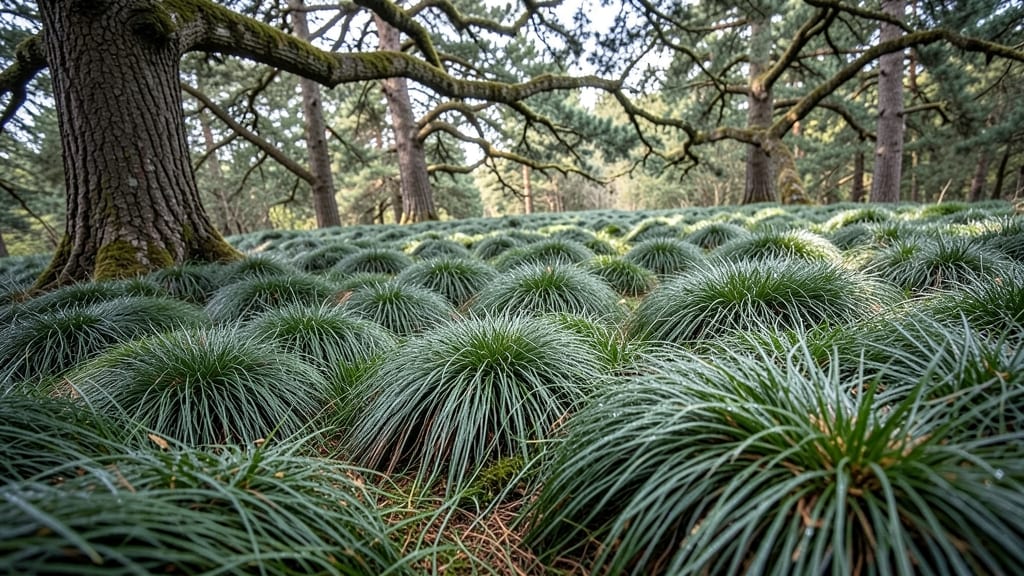
Tired of bare soil under your shade trees? Carex muskingumensis is the year-round solution that stays lush even when other plants fade. This semi-evergreen sedge forms dense, grassy colonies that spread naturally to create a low-maintenance carpet perfect for high-traffic areas like pathways or play spaces.
Thriving in partial to full shade, it handles dry conditions once established and tolerates foot traffic better than most ground covers. The arching, grass-like foliage stays vibrant from spring through winter, making it ideal for woodland gardens or beneath mature trees where sunlight barely reaches.
Perfect for busy gardeners or families, this sedge requires minimal care—just occasional trimming to maintain its tidy appearance. It’s also deer-resistant, adding another layer of practicality for rural or suburban properties. 🌿
Variegated Mondo Grass for Bold Patterns
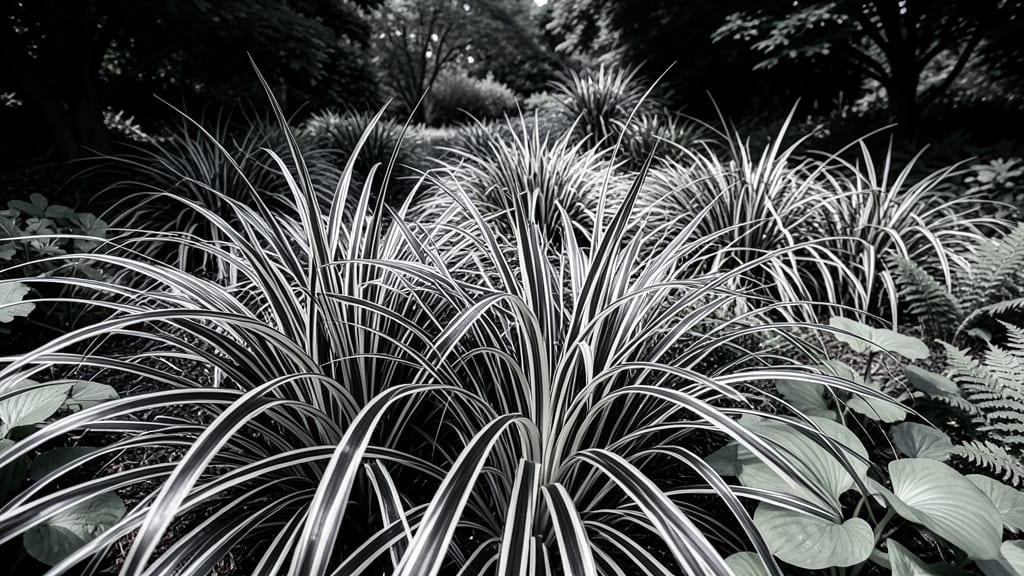
Tired of dull, uniform ground cover in your shady spots? Variegated Mondo Grass (Ophiopogon planiscapus 'Nigrescens') delivers high-contrast drama with its bold black-and-white striped foliage that thrives where other plants fade. This isn't just another shade grass—it's a living statement piece that spreads aggressively to create a weed-proof carpet.
Plant it in well-draining soil with moderate moisture, and watch it form dense colonies that outcompete weeds in full to partial shade. The grass handles dry conditions once established but prefers consistent moisture for best color contrast. For modern gardens, pair it with dark mulch to make the stripes pop even more.
Ideal for urban gardeners or minimalist landscapes, this grass offers year-round interest with minimal maintenance. 💚
Fountain Grass Varieties for Vertical Interest
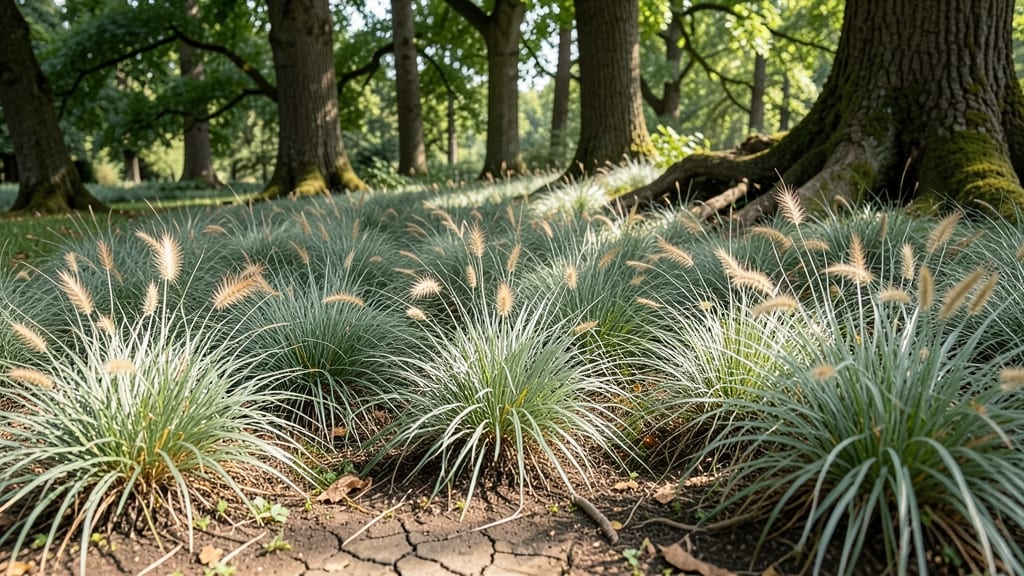
If you’ve ever struggled with bare soil under trees, dwarf fountain grasses like Pennisetum 'Little Bunny' are your secret weapon. This compact variety grows just 12–18 inches tall but spreads horizontally in a lush, cascading habit—ideal for filling gaps while keeping weeds at bay.
Unlike traditional grasses, 'Little Bunny' thrives in partial shade and tolerates dry soil, making it perfect for high-maintenance areas like under oaks or maples. Its purple-tinged foliage adds year-round color, and the dense clumps act as natural mulch, conserving moisture and regulating soil temperature. For best results, plant in clusters and trim back in early spring to encourage fuller growth.
Urban gardeners and shade lovers will appreciate how this grass transforms dull corners into textured, low-maintenance focal points. 💚
Corsican Mint for Fragrant Weed Suppression
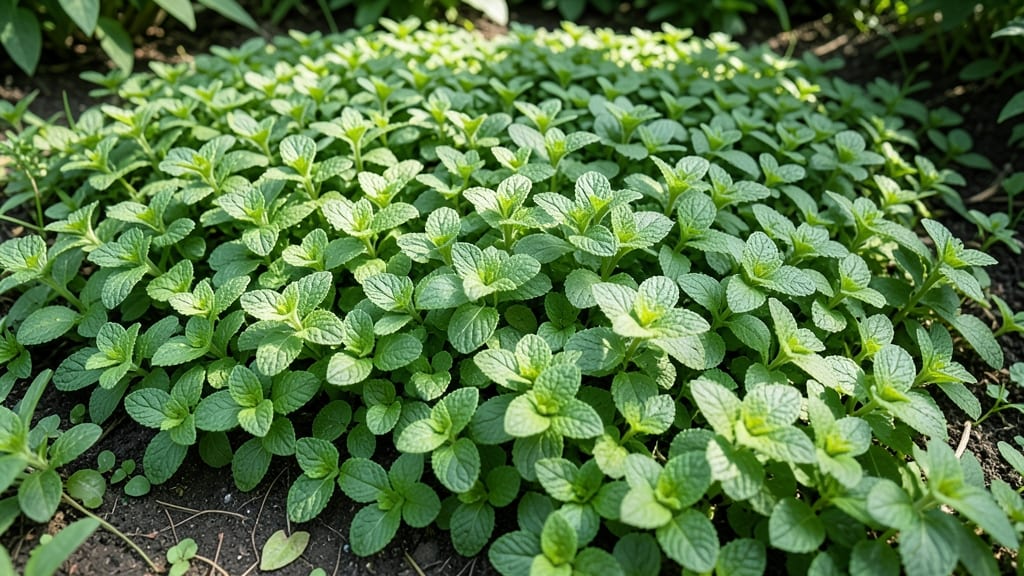
If you want a fragrant, low-maintenance ground cover that doubles as a natural pest repellent, Corsican mint (Mentha requienii) is your secret weapon. This shade-loving perennial spreads aggressively to form dense mats that smother weeds while releasing a refreshing minty aroma that deters ants, spiders, and even deer.
Thriving in dry shade conditions, it tolerates poor soil and requires minimal water once established. The purple-tinged undersides of its leaves add subtle color contrast, and it blooms with tiny purple flowers in summer. To control its spread, plant it in containers or use buried edging—otherwise, it’ll happily colonize entire garden beds.
Ideal for gardeners who want dual-purpose plants—weed suppression and pest control—this mint variety is perfect for urban courtyards, woodland edges, or under trees where other ground covers struggle. Just be warned: its scent is so inviting, you might find yourself harvesting sprigs for tea! 🌿
Liriope Muscari for Grass-Like Perennial Ground Cover
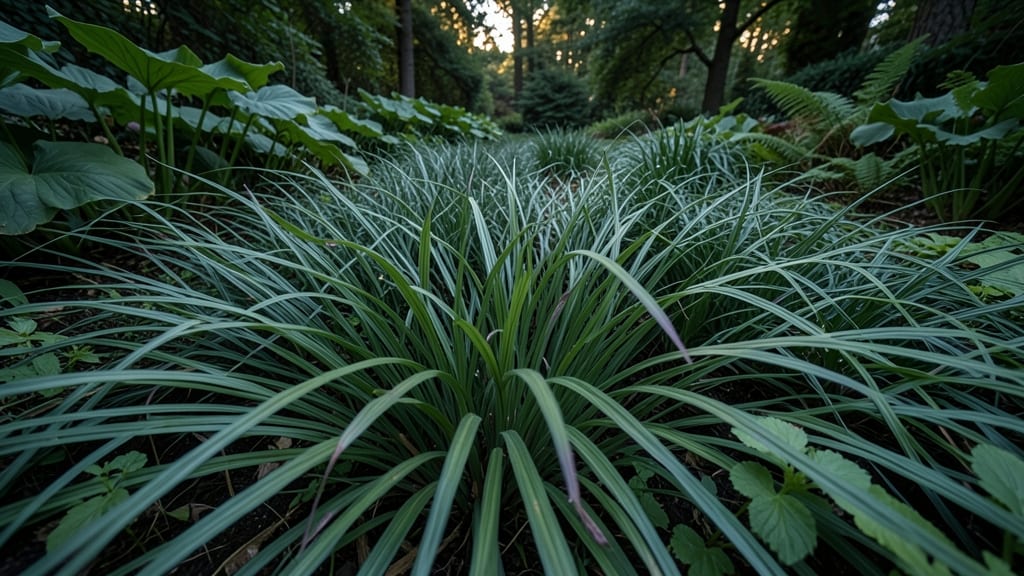
Looking for a shade-tolerant grass that acts like a living mulch while adding texture to your garden? Liriope muscari, also called border grass or monkey grass, delivers sword-like foliage that spreads aggressively to crowd out weeds while requiring almost no maintenance.
This semi-evergreen perennial thrives in partial to full shade and handles both dry and moist conditions once established. The purple-tinged blades and summer flower spikes add seasonal interest, while its dense growth suppresses weeds naturally. Plant in clusters 12–18 inches apart for quick coverage—it spreads via rhizomes to form an impenetrable carpet within a single growing season.
Perfect for gardeners who want low-maintenance, drought-tolerant ground cover that stays green year-round, liriope is especially useful under trees or along foundations. It’s also deer-resistant, making it ideal for rural properties. 🌱
Sweet Flag for Moisture-Loving Shade Gardens

Turn your soggy, erosion-prone shade garden into a thriving wetland oasis with Acorus calamus, or sweet flag—a hardy grass that not only loves moisture but actively prevents soil erosion while spreading aggressively. Unlike most shade grasses, this plant thrives in waterlogged conditions, making it perfect for bog gardens, pond edges, or areas where water pools after rain.
The sword-shaped leaves form dense, impenetrable mats that stabilize soil and suppress weeds, while its fragrant, yellow-green foliage adds texture to shady corners. It handles full to partial shade and tolerates poor soil, though it prefers consistently moist conditions. For best results, plant in clusters along water features or slopes to create natural erosion control while adding vertical interest.
Ideal for wetland gardeners or those with challenging, soggy spots, sweet flag transforms problem areas into lush, functional landscapes. 💚
Blue Fescue Grass for Cool-Season Spread
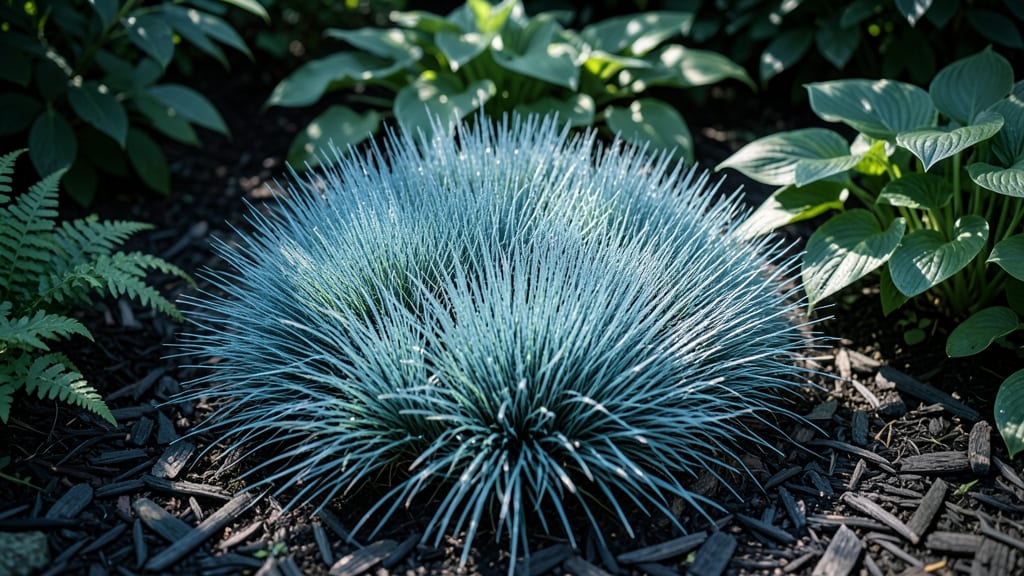
Looking for a cold-hardy grass that thrives in shaded gaps between perennials while adding striking color? Blue Fescue (Festuca glauca) is your answer—its vibrant blue-green tufts stay lush even in partial shade, creating a bold contrast against dark mulch or evergreen foliage.
This ornamental grass forms dense, slow-spreading clumps that gradually expand to fill bare spots without overwhelming nearby plants. It handles dry shade beautifully once established and tolerates temperatures down to -30°F, making it ideal for northern climates or early spring planting. For best results, plant in well-draining soil with occasional watering during droughts, and shear back in late winter to encourage fresh growth.
Perfect for rock gardens, borders, or container edges, Blue Fescue offers year-round structure with minimal maintenance—ideal for gardeners who love low-fuss, high-impact plants. 💚
Woodland Strawberry for Edible Ground Cover
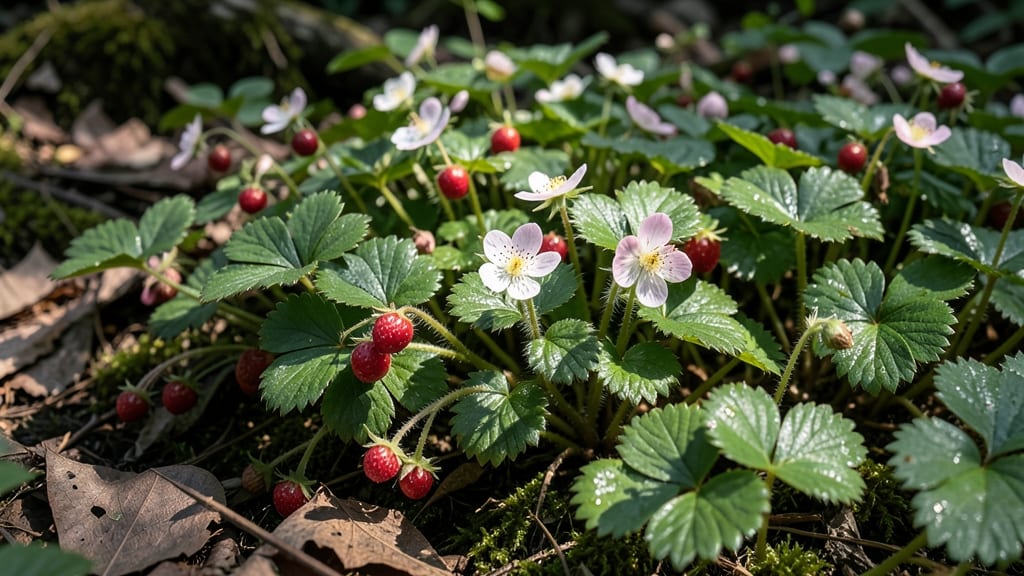
Want a ground cover that’s both beautiful and edible? Woodland strawberry (Fragaria vesca) delivers tiny but intensely sweet berries while spreading rapidly to outcompete weeds in shady spots. Unlike its sun-loving cousins, this variety thrives in partial to full shade**, producing fruit even where other plants struggle.
Plant runners 12–18 inches apart in well-draining, slightly acidic soil to encourage aggressive spread. The triangular leaves form dense mats that suppress weeds naturally, while berries ripen in late spring to early summer. For best results, mulch with leaf litter to retain moisture and protect tender runners from winter dieback.
Perfect for forest gardeners or urban courtyards, this dual-purpose plant turns shady corners into edible landscapes. Just be prepared for wildlife to discover your harvest first! 🌱
Hostas Combined with Grass Clumps

Want a shade garden that looks intentional without the upkeep? Pairing hostas with shade grasses like Carex or Liriope creates a dynamic, low-maintenance duo that suppresses weeds while adding texture and color. The hostas provide bold, variegated foliage, while the grasses fill gaps with fine, arching blades that stay green year-round.
Plant hostas in clusters surrounded by grass clumps spaced 12–18 inches apart. The grasses will spread horizontally to fill empty spaces, while the hostas add height and seasonal interest with their striking leaves and summer blooms. This combo thrives in partial to full shade and tolerates most soil types, though well-draining conditions prevent hosta rot. Mulch with shredded bark to retain moisture and deter weeds.
Perfect for gardeners who love lush foliage but hate weeding, this pairing works especially well under trees or along north-facing foundations. The grasses act as natural mulch, while hostas provide the star foliage—ideal for creating a low-maintenance, high-impact shade garden. 💚