
Pests and Diseases
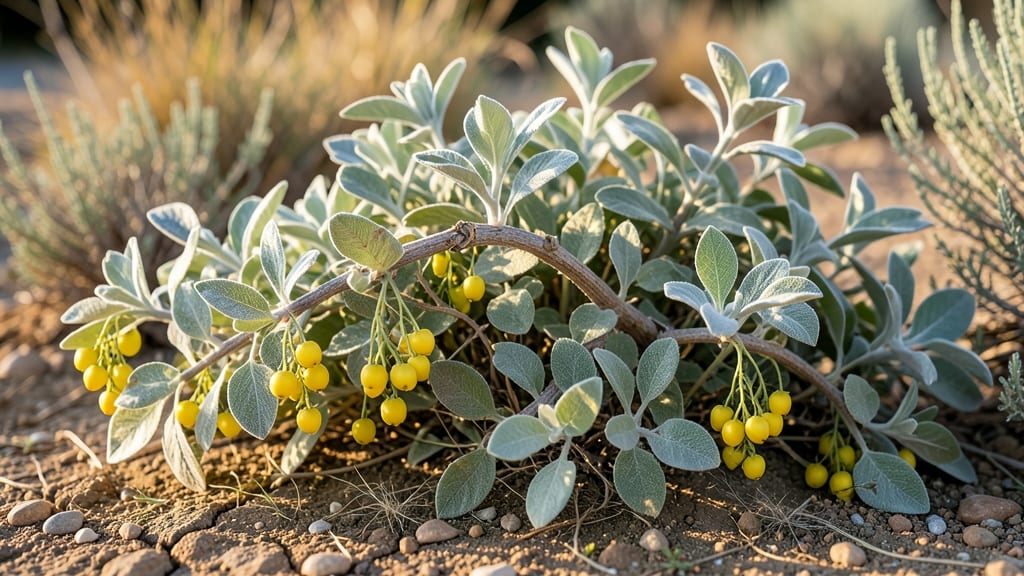
Those bright yellow berries popping up in your garden aren't just pretty—they're a warning sign. 🌿 Yellow nightshade berries (Solanum elaeagnifolium) might look harmless, but they're toxic to humans and pets, and they spread like weeds, inviting pests that'll wreck your plants.
You'll spot them by their glossy, oval leaves and clusters of small yellow berries that turn red when ripe. They thrive in disturbed soil, often cropping up after tilling or clearing garden beds.
The real problem? They attract rodents and insects that'll feast on your vegetables, turning your garden into an all-you-can-eat buffet for pests.
Removing them is your best defense—gloves on, dig out the roots completely, and bag the plants before they spread. Mulching heavily with straw or wood chips helps smother new seedlings.
For established patches, vinegar spray (1 part vinegar to 3 parts water) works as a natural herbicide when applied directly to the leaves.
Keep an eye out for these berries in late summer when they're most visible. Early detection means easier removal before they take over. Your garden's health depends on acting fast—these berries won't disappear on their own.
Natural Toxins Trigger Pest Avoidance
Yellow nightshade berries—also known as Solanum elaeagnifolium—pack a powerful punch against garden pests, but their effectiveness boils down to one key factor: biochemical warfare. These berries aren’t just bitter or unpalatable; they’re actively toxic to many insects, rodents, and even some mammals.
Understanding why pests steer clear of them reveals nature’s own pest-control secrets.
Yellow nightshade berries produce a cocktail of alkaloids and glycoalkaloids, compounds that disrupt an organism’s nervous system or digestive processes. The most notable of these include:
- Solanine and chaconine: These glycoalkaloids bind to acetylcholine receptors in pests’ nervous systems, causing paralysis or death in high doses. While humans can tolerate small amounts (found in potatoes), pests lack the liver enzymes to metabolize them efficiently.
- Calystegines: These polyhydroxylated nortropane alkaloids inhibit enzymes critical for digestion, leading to gut distress and deterring feeding.
- Tannins and saponins: These compounds create bitter flavors and irritate mucous membranes, making the berries unappetizing and physically uncomfortable to consume.
💡 Pro Tip: The toxicity isn’t uniform—young plants and green berries contain higher concentrations of these compounds than ripe, yellow ones. This is why pests avoid them before they fully ripen.
Pests don’t just avoid yellow nightshade berries by chance—they’ve evolved to recognize and reject them. Here’s how:
- Visual and Olfactory Cues: The bright yellow color and strong, acrid scent act as warning signals. Many insects and mammals associate these traits with toxicity, thanks to learned behaviors passed down through generations.
- Taste-Aversion Learning: Even if a pest takes a single bite, the bitter taste and subsequent nausea (triggered by solanine) create a lasting aversion. This is why you’ll rarely see repeated attacks on yellow nightshade plants.
- Chemical Mimicry: Some pests are hardwired to avoid plants with high alkaloid content because their ancestors that ignored these signals didn’t survive to reproduce. Yellow nightshade leverages this evolutionary shortcut.
🔥 Key Insight: This isn’t just about repelling pests—it’s about rewiring their instincts. Once a pest experiences the effects of yellow nightshade, it’s far less likely to return, even if other food sources are scarce.
Stress isn’t just bad for plants—it can boost their pest-repelling powers. Yellow nightshade berries ramp up their toxin production in response to:
| Stress Factor | Toxin Response | Pest Impact |
|---|---|---|
| Drought or poor soil | Increased solanine/chaconine synthesis | Pests detect higher toxin levels and avoid the plant |
| Herbivore damage (e.g., chewing insects) | Rapid production of calystegines | Deters further feeding due to digestive disruption |
| Competition for sunlight | Accumulation of tannins in leaves/berries | Bitter taste makes the plant less appealing |
🌡️ Actionable Tip: If you’re using yellow nightshade as a pest deterrent, don’t overwater or fertilize it. Mild stress encourages higher toxin production, making it even more effective at keeping pests at bay.
Not all pests are deterred—some have developed genetic resistance to yellow nightshade’s toxins. However, this resistance is rare and often comes with trade-offs:
- Slower reproduction: Pests that evolve to tolerate solanine may grow more slowly or have reduced fertility.
- Limited diet flexibility: Specialized pests (like certain beetles) might gain tolerance but lose the ability to feed on other plants, narrowing their survival options.
- High energy cost: Detoxifying alkaloids requires extra metabolic energy, making resistant pests less competitive when food is scarce.
✨ Silver Lining: This means that while some pests might overcome yellow nightshade’s defenses over time, they’ll likely be weaker or less abundant than their non-resistant counterparts.
Quick Fixes for Berry-Related Garden Troubles
Dealing with unwanted berries—or their effects—in your garden? Whether you’re managing accidental ingestion risks, pest deterrence, or accidental ingestion by pets/kids, here’s a practical, step-by-step guide to solving the problem fast and keeping your garden thriving.
If you’ve spotted bright yellow berries (likely from Solanum nigrum or nightshade) popping up where they shouldn’t, act quickly to prevent spread.
🔥 Pull Them by Hand (Best for Small Patches)
- When to do it: Early morning (berries are firm and easier to grasp).
- How to do it:
- Wear gloves (nightshade sap can irritate skin).
- Grip the base of the plant and tug firmly—roots should come out easily.
- Drop plants in a sealed bag (not compost!) to prevent reseeding.
- Pro tip: 💡 Check soil 2–3 inches deep for stubborn roots—snip any remaining stems with scissors.
🍳 Vinegar or Salt Solution (For Large Areas)
If hand-pulling isn’t feasible, use a natural herbicide to kill plants without chemicals.
- Mix: 1 gallon white vinegar + 1 cup salt + 1 tbsp dish soap.
- Apply: Spray directly on leaves (avoid desirable plants—it’s non-selective!).
- Wait 24 hours, then pull dead plants.
- ⚠️ Warning: Avoid spraying on windy days to protect nearby crops.
👨🍳 Mulch to Smother (Prevent Regrowth)
- Use: Cardboard, newspaper, or thick mulch (straw/wood chips).
- How: Cover the area completely (1–2 inches thick) to block sunlight.
- Plants die within 2–4 weeks; prevents seeds from sprouting.
Yellow nightshade berries are toxic if ingested—here’s how to childproof your garden.
🥘 Fence or Barrier (Physical Blockade)
- For pets: Install a low fence (1–2 ft high) or use chicken wire around berry-prone zones.
- For kids: Create a visual boundary with bright flags or a small sign: “Poisonous Berries—Do Not Eat!”
- Bonus: 🌡️ Train pets with positive reinforcement—reward them for staying away.
🎯 Distract with Edible Alternatives
- Plant safe, pet-friendly alternatives nearby, like:
- Sunflowers (non-toxic, fun to watch grow).
- Marigolds (deter pests naturally).
- Strawberries (edible and kid-approved!).
- Pets/kids lose interest in the toxic berries.
✨ Supervise or Relocate
- If the berries are near play areas, move them to a locked shed or far corner of the garden.
- For pets: Keep them on a leash during walks near wild areas.
Birds and rodents love nightshade berries—and they’ll spread them everywhere. Here’s how to break the cycle.
🔪 Use Netting (For Fruit Trees & Veggies)
- When: Before berries ripen (late summer/early fall).
- How:
- Drape fine mesh netting over plants.
- Secure edges with clips or weights.
- Pro tip: 💡 Hang a wind chime or reflective tape nearby—birds dislike the noise!
🍎 Offer Better Snacks (Bird Deterrent)
- Hang bird feeders far from your garden (10+ feet away).
- Use: Safflower seeds (birds eat them but avoid nightshade).
- Fewer birds = fewer spread berries.
🎯 Trap and Relocate Wildlife
- For squirrels/raccoons:
- Set up humane traps with peanut butter or corn as bait.
- Relocate at least 5 miles away (check local laws first!).
- For rodents:
- Use peppermint oil-soaked cotton balls in problem areas (they hate the smell).
The best fix? Prevent nightshade from taking root in the first place.
🌱 Improve Soil Health (Weak Plants = Fewer Berries)
- Test soil pH—nightshade thrives in slightly acidic to neutral soil (6.0–7.0).
- Adjust with:
- Lime (to raise pH if too acidic).
- Sulfur (to lower pH if too alkaline).
- Add compost to outcompete weeds naturally.
💪 Plant Competitive Ground Covers
- Clover, creeping thyme, or shade-tolerant perennials will crowd out nightshade before it seeds.
- Bonus: These plants attract pollinators and improve soil!
🌡️ Solarize the Soil (For Stubborn Patches)
- When: Hot, dry summer months.
- How: 1. Clear debris from the area. 2. Water thoroughly, then cover with clear plastic sheeting (secured with rocks).
- Leave for 4–6 weeks—sun heats soil to 120°F+, killing seeds and roots. - 90%+ reduction in regrowth.
Final Reminder: 🎯 Act fast—nightshade spreads rapidly via seeds and roots. Combine removal + prevention for the best results, and your garden will stay berry-free and safe!
Frequently asked questions
Are yellow nightshade berries safe for pets or children?
No, they're extremely dangerous. These berries contain toxic compounds like solanine that can cause vomiting, diarrhea, and even neurological issues if ingested. Keep pets and children away from areas where these plants grow, and consider installing barriers if they're near play areas.
How can I tell if I have yellow nightshade in my garden?
Look for clusters of small, shiny yellow berries that turn red when ripe, paired with oval leaves that grow in pairs along the stem. The plants often sprawl along the ground and thrive in disturbed soil. Compare with photos online to confirm identification before taking action.
Will vinegar really kill yellow nightshade plants?
Yes, but use it carefully. A mix of 1 part vinegar to 3 parts water with a drop of dish soap works as a natural herbicide. Spray directly on leaves (avoid desirable plants) and wait 24 hours before pulling dead plants. For best results, apply on sunny days when plants are actively growing.
Can birds eat yellow nightshade berries without getting sick?
Birds can handle small amounts better than mammals, but these berries are still toxic. While they may eat them, the birds often spread seeds far and wide, helping the plant spread. To prevent this, use bird deterrents like wind chimes or offer alternative bird feeders with safflower seeds away from your garden.
How long does it take for nightshade to regrow after removal?
If you don't remove the entire root system, new shoots can emerge within 2-4 weeks. For stubborn patches, try solarization (covering with clear plastic in hot weather) or repeated hand-pulling. Mulching heavily can also prevent new seedlings from sprouting.