
Vegetables
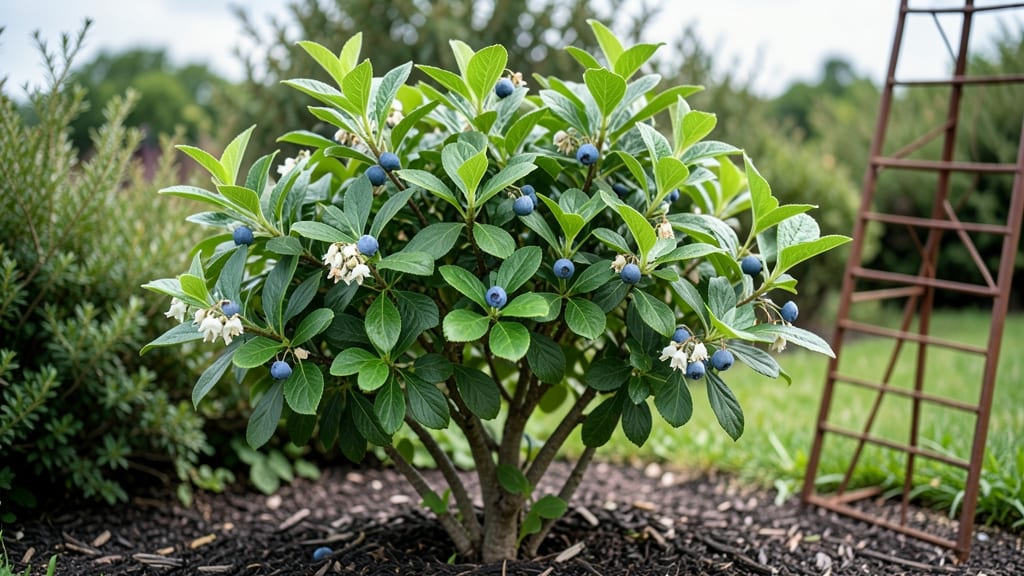
Blueberries are not a nightshade food, as they belong to the Vaccinium genus in the Ericaceae family, while nightshades (like tomatoes, potatoes, and peppers) are part of the Solanaceae family. Their chemical composition and botanical classification differ significantly, making them safe for nightshade-sensitive individuals.
Blueberries are often mistaken for nightshades because of their vibrant color and culinary versatility, but their botanical family is completely different. 💫 The Ericaceae family includes acid-loving plants like cranberries and huckleberries, while nightshades contain compounds like solanine that some people react to.
This distinction is crucial for those managing arthritis or digestive sensitivities, as blueberries won't trigger the same inflammatory responses.
What's interesting is how this classification plays out in real-world diets. Many people avoid nightshades without realizing blueberries offer similar antioxidant benefits—like vitamin C and manganese—without the potential side effects. For gardeners, this means you can safely grow blueberry bushes alongside nightshade vegetables without worrying about cross-contamination.
💡 In This Article
- Botanical Differences Between Blueberries and Nightshades
- Nightshade-Free Alternatives for Gardeners and Allergy Sufferers
Botanical differences between blueberries and nightshades
The core difference between blueberries and nightshades lies in their plant families. Blueberries belong to the Vaccinium genus within the Ericaceae family, which thrives in acidic soils and includes other berries like cranberries and bilberries.
Nightshades, however, are part of the Solanaceae family, which includes over 2,700 species like tomatoes, potatoes, and eggplants. This classification isn't just academic—it determines which compounds each plant produces.
Nightshades contain compounds like solanine and alkaloids, which some people metabolize poorly, leading to digestive issues or joint inflammation. Blueberries, on the other hand, contain anthocyanins (the pigments that give them their deep blue color) and flavonoids, which are anti-inflammatory and linked to reduced oxidative stress.
The key distinction is that blueberries lack the problematic glycoalkaloids found in nightshades, making them safe for sensitive individuals. 🔥
This botanical divide also explains why blueberries behave differently in cooking. Nightshades often develop bitter notes when overcooked due to solanine buildup, while blueberries can be simmered for 10-15 minutes without losing their sweetness.
Their cell structure breaks down more gently, releasing natural juices that create syrups or sauces without the harsh aftertaste some nightshades produce.
For those tracking dietary restrictions, this means blueberries can be enjoyed freely even when avoiding tomatoes, peppers, or potatoes. The glycemic index of blueberries (around 53) is also lower than many nightshades, making them a better choice for blood sugar management.
This is particularly relevant for individuals with arthritis or autoimmune conditions, where nightshades are often restricted.
What's fascinating is how these families evolved differently. Nightshades developed their alkaloids as a defense mechanism against herbivores, while blueberries relied on bright colors and sweetness to attract seed-dispersing animals.
This evolutionary path explains why blueberries are packed with vitamin C (about 13.7 mg per 100g) and antioxidants, offering nutritional benefits without the potential drawbacks of nightshades.
Gardeners benefit from this knowledge too. Blueberry bushes and nightshade vegetables can coexist in the same garden without cross-pollination issues, as they're completely unrelated botanically. This means you can grow potatoes and blueberries side by side without worrying about genetic contamination or flavor transfer. 💫