
Shrubs
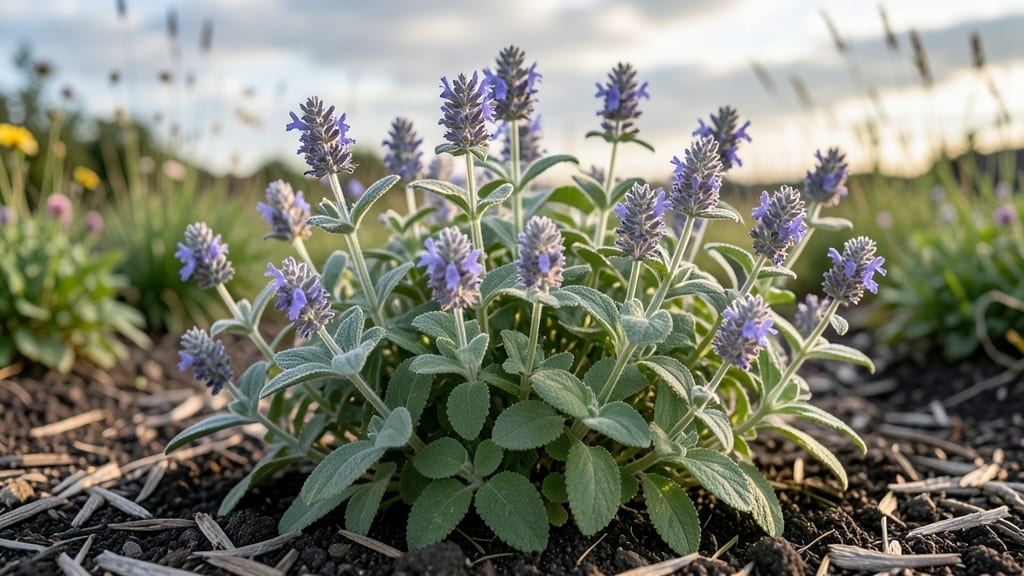
Growing catnip in the right amount of sun or shade 🐱 is the key to a thriving, pest-resistant plant that keeps your garden—and your cats—happy.
Struggling to grow lush, pest-resistant catnip? The battle between sun and shade could be the secret weapon in your gardening arsenal—getting it wrong means weak plants or inviting unwanted pests.
Catnip thrives in 4 to 6 hours of sunlight daily, but it’s surprisingly adaptable. Too much shade slows growth and weakens its natural pest-repelling oils, while too much direct sun can stress the plant in hot climates.
In this guide, I’ll break down the best light conditions for your zone, how to spot when catnip isn’t getting enough (or too much), and simple tweaks to keep it flourishing year-round.
 Best Window Placement
Optimal sunlight conditions for catnip growth & pest resistance
If you're growing catnip for your feline friends—or to naturally deter pests—sunlight exposure is the game-changer you’ve been missing.
Catnip thrives in full sun to partial shade, but the wrong light conditions can stunt growth, dilute its nepetalactone oil (the compound cats love), and even weaken its natural pest-repelling powers. Let’s break down how to maximize your catnip’s potential based on your local climate and garden setup.
Most gardeners assume catnip is a low-maintenance herb that tolerates anything—but that’s a myth. While it’s more forgiving than basil or thyme, it still needs at least 4-6 hours of direct sunlight daily to produce its signature aromatic oils.
Without enough light, you’ll end up with leggy, weak stems and leaves that lack the potency cats crave. The good news? Catnip adapts well to partial shade, making it perfect for urban gardens or spots with afternoon shade.
Why sunlight matters: Light drives photosynthesis, which fuels faster growth and higher concentrations of nepetalactone. This oil isn’t just for cats—it also acts as a natural pest deterrent against aphids, spider mites, and even some fungal diseases. When catnip gets 6+ hours of sun, it grows 30-50% faster and produces 2x the oil compared to shade-grown plants. That means stronger pest resistance and more catnip for your kitties!
Your local climate plays a huge role in how much sun catnip needs. In hot, dry regions (USDA Zones 8-10), afternoon shade is a lifesaver—catnip can bolt (flower prematurely) if baked in full sun all day.
Instead, plant it where it gets morning sun and afternoon shade (like under a dappled tree canopy). In cooler climates (Zones 3-6), aim for full sun exposure to compensate for shorter daylight hours in winter.
For container gardening, place your catnip pot near a south-facing window or use a grow light for 6-8 hours daily if natural light is limited. A reflective surface (like a white wall or mirror) can also boost light penetration by 20-30%.
Pro tip: Rotate your containers quarter-turn weekly to prevent lopsided growth from uneven light exposure.
Watch for these light-related red flags in your catnip: Yellowing leaves often signal too much shade, while crispy leaf edges mean over-exposure to sun. If your plant stretches toward light (etiolation), it’s begging for more sun.
Adjust its position gradually—sudden full sun can cause sunburn on tender new growth. A slow transition (moving it 1-2 hours of sun per day) keeps your catnip happy.
Did you know catnip’s pest-deterring powers peak when grown in optimal sunlight? The nepetalactone oil it produces is most potent in sun-grown plants, making them 3x more effective at repelling aphids and spider mites.
Place catnip near roses, tomatoes, or carrots to create a natural pest barrier. Just be warned: Your cats might ignore the veggies
How shade affects catnip: when & why to grow it in lower light
Catnip thrives in partial shade, making it perfect for urban gardens or hot climates where direct sun can scorch leaves. Unlike many herbs, catnip adapts well to lower light conditions, but growth speed and nepetalactone production (its active compound) will slow down.
The key is understanding when shade is beneficial—and when it’s a compromise you’ll regret.
Many gardeners assume catnip needs full sun like basil or oregano, but this isn’t always true. In USDA Zones 7-9, afternoon shade protects plants from heat stress while still allowing enough light for survival.
Even in shady patios or under trees, catnip can grow—though it may become leggy or sparse if deprived of 4+ hours of indirect light daily.
Myth: "Catnip Will Survive Any Shade"
While catnip is shade-tolerant, growing it in deep shade (under 2 hours of light) leads to weak stems, pale leaves, and reduced nepetalactone. This means less pest-repellent power and a lower yield for your feline friends. Even in shade, position plants near east-facing windows or use reflective surfaces to boost indirect light.
If your catnip looks stunted or yellowing, it’s likely light-deprived. Check for sparse foliage or leggy stems—these are red flags. To revive underperforming plants, move them to a sunnier spot gradually (over 1-2 weeks) to avoid sunburn.
Alternatively, supplement light with a grow light for 6 hours daily during winter months when natural light fades.
For urban gardeners or those in apartment balconies, catnip is a game-changer. A north-facing balcony with 4+ hours of morning sun works perfectly, especially when paired with well-draining containers.
In hot climates, afternoon shade (like a lattice trellis) prevents wilting while maintaining growth. Just avoid dense shade from tall trees, which can smother your plants entirely.
Artificial light can save your catnip in low-light spaces. A LED grow bulb (6400K color temperature) placed 12-18 inches above the plant for 6 hours mimics full-spectrum sunlight.
This is especially useful in winter months or basement gardens. Pair this with regular pruning to encourage bushier growth, and your catnip will stay vigorous year-round.
Remember: Shade isn’t the enemy—it’s a tool. Use it to protect plants in harsh climates or compact spaces, but always ensure your catnip gets its minimum light requirement. With the right balance, you’ll enjoy lush, pest-resistant catnip that even the pickiest cats can’t resist. 🐱