
Advice
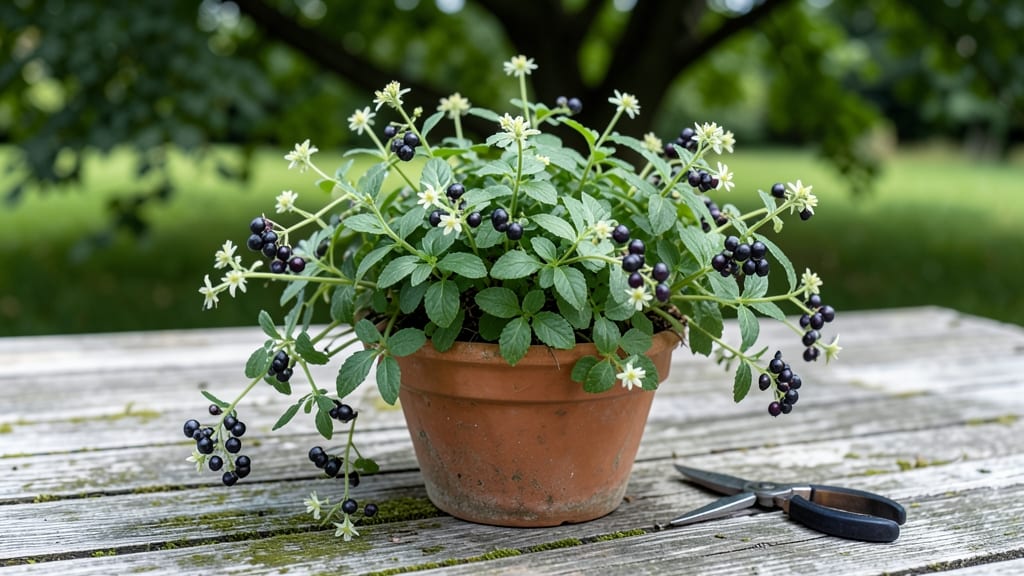
Nightshades are called nightshades because their botanical family, Solanaceae, contains many toxic or hallucinogenic plants that were historically linked to nighttime rituals, witchcraft, and superstition in European folklore. The name stems from their association with darkness and danger in early herbal medicine.
This mysterious name traces back to plants like deadly nightshade (Atropa belladonna), which were used in both healing and malevolent practices. 🌙 Many ancient cultures believed these plants had supernatural powers—some even thought they grew only under moonlight.
While today we enjoy tomatoes and peppers, early Europeans feared their poisonous cousins, creating a lasting dark reputation for the entire family.
The term "nightshade" wasn't just about toxicity—it also reflected how these plants thrived in shadowy conditions. Historical texts often described them as "creeping in darkness," reinforcing their eerie image.
Even the word "solanaceous" (from the Latin solamen, meaning "comfort") contrasts sharply with their feared nickname, showing how perception shapes botanical identities over centuries.
💡 In This Article
- The Toxic Origins of the Nightshade Name
- Edible Nightshades vs. Poisonous Relatives
The toxic origins of the nightshade name
The name "nightshade" originates from the family's most infamous member: deadly nightshade (Atropa belladonna), whose berries contain potent toxins like atropine and scopolamine.
These compounds can cause hallucinations, paralysis, or even death in doses as small as two berries for a child. 🌙 European herbalists in the Middle Ages documented how even touching the plant could induce symptoms, earning it nicknames like "bewitching herb" or "witches' berries."
Botanically, the Solanaceae family includes both edible crops and deadly look-alikes. For example, henbane (Hyoscyamus niger) produces seeds that resemble black peppercorns but contain 100 times more poison—a fact that terrified medieval farmers.
The dark purple-black berries of deadly nightshade also resembled edible fruits, creating deadly confusion. Early medical texts warned that even the plant's scent could be dangerous, as inhaling crushed leaves released toxic fumes.
This toxic reputation wasn't just biological—it was cultural. The Malleus Maleficarum (1486), the infamous witch-hunting manual, listed nightshade plants as key ingredients in witchcraft potions. 🔥 Alchemists believed these plants absorbed moonlight, making them tools for nighttime rituals.
Even Shakespeare referenced them in Macbeth, where the "weird sisters" brew potions from "toad, that under cold stone / Days and nights has thirty-one / Swelter'd venom sleeping got."
The name's persistence stems from how these plants thrive in shady, neglected corners of gardens—places where "evil" was traditionally believed to fester. Unlike sun-loving crops, nightshades often grew where light was scarce, reinforcing their association with darkness.
Even today, some gardeners plant them in secluded spots, unconsciously preserving this historical stigma.
What's fascinating is how science later revealed these same toxins have medical uses. Atropine, derived from deadly nightshade, is now used to dilate pupils during eye exams, while scopolamine treats motion sickness.
This duality—poison and medicine—mirrors how nightshades have always blurred the line between danger and benefit in human history. 💫
The name "nightshade" thus serves as a historical warning label, a reminder that what we now enjoy as staples (tomatoes, potatoes) shares DNA with plants that once terrified entire civilizations. This dual legacy explains why the name stuck long after the superstitions faded.