
Flowers
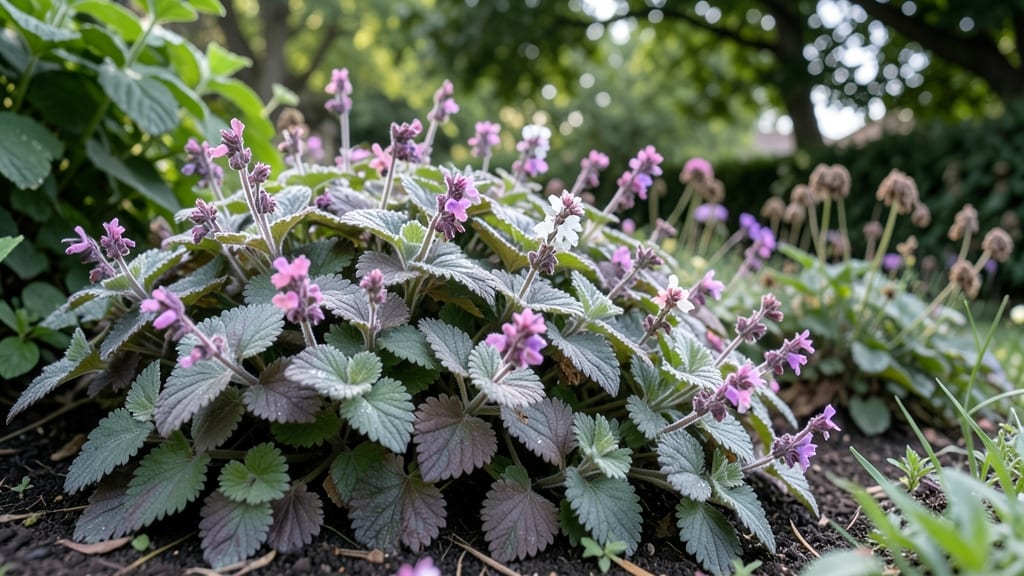
Struggling to keep your north-facing garden beds vibrant? These 10 shade-loving flowers thrive in low light while adding bold color and texture to your garden. Perfect for gardeners with limited sunlight areas.
Bleeding Heart Flower for Delicate Elegance
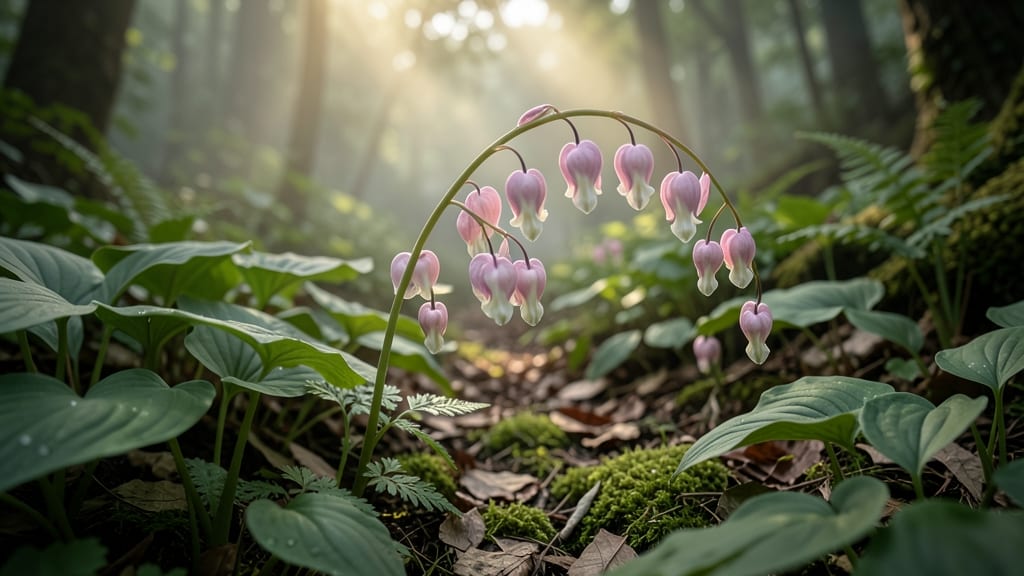
Craving a romantic, whimsical touch for your shady garden corners? The bleeding heart flower (Dicentra spectabilis) delivers dreamy, heart-shaped blooms that dangle like delicate lace from arching stems—perfect for woodland gardens and cottage-style landscapes.
This partial-shade lover thrives in 4-6 hours of filtered sunlight and moist, well-draining soil. Plant in early spring for spring-to-summer blooms in soft pink, white, or red hues, then enjoy its fern-like foliage as a lush backdrop year-round. Deadhead spent blooms to encourage more flowers, and divide clumps every 3-4 years to keep them vigorous.
Ideal for gardeners who love textural contrast, bleeding hearts pair beautifully with hostas and ferns. Their graceful habit makes them a standout focal point in borders or woodland edges. 🌷
Hostas with Stunning Variegated Leaves
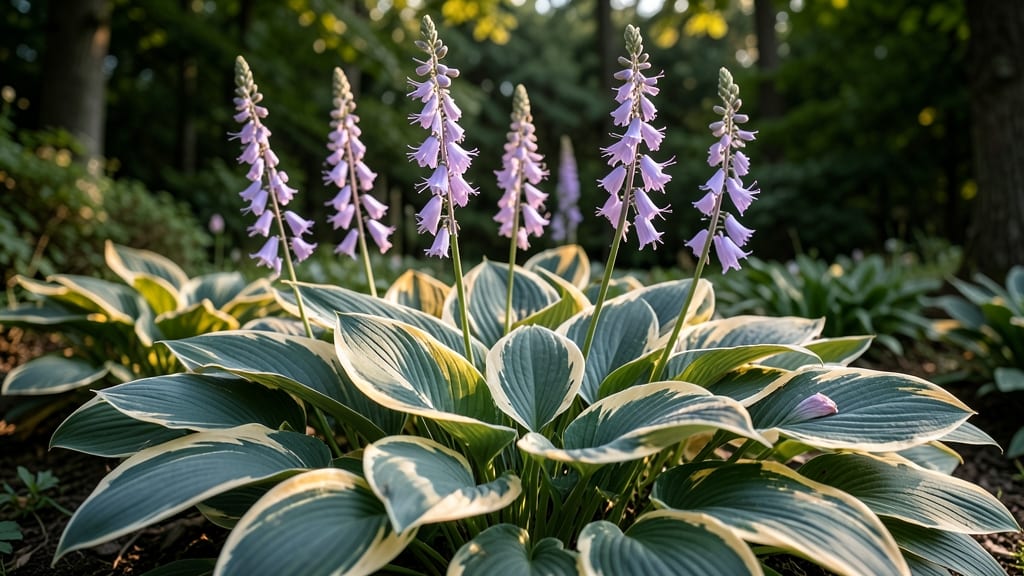
If you thought hostas were all about their stunning foliage, think again—these shade stars also deliver delicate lavender blooms that add unexpected charm to your garden. Their variegated leaves in shades of blue-green, cream, and gold create striking contrast, while the flower spikes rise above the foliage like nature’s own decorative accents.
Hostas thrive in partial to full shade, making them perfect for north-facing beds or areas under trees. Plant them in well-draining, moist but not soggy soil, and mulch to protect their roots. Bonus: They’re low-maintenance and deer-resistant, so they’ll reward you with years of effortless beauty. 🌱
Impatiens for Vibrant Container Gardens
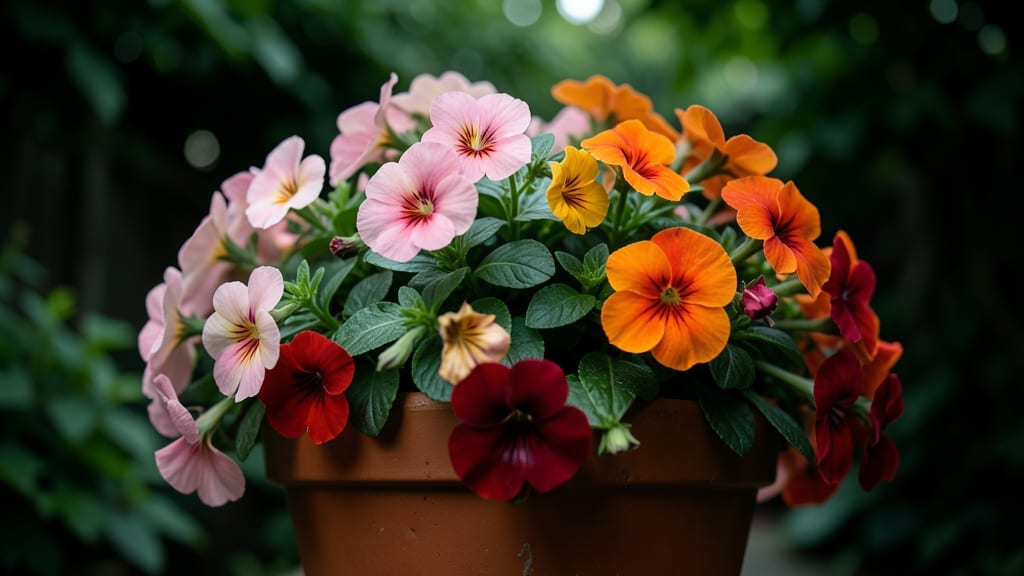
Tired of dull, empty containers in shady spots? Impatiens are the secret weapon for transforming those dark corners into bursts of color—no sunlight required. These cheerful annuals thrive in deep shade, where most flowers would fade, and produce blooms in every hue from pink to orange to deep red.
Plant them in hanging baskets, window boxes, or patio pots where they’ll spill over edges, creating a cascading waterfall of flowers. Keep soil consistently moist (they hate drying out) and fertilize every 2-3 weeks for continuous blooms from spring until frost. Urban gardeners and balcony growers love impatiens because they’re low-maintenance yet high-impact, bringing life to even the shadiest spaces.
Perfect for beginners or anyone who wants instant gratification, impatiens deliver year-round color with minimal effort—just add water and watch them thrive. 🌻
Hellebores for Early Season Blooms
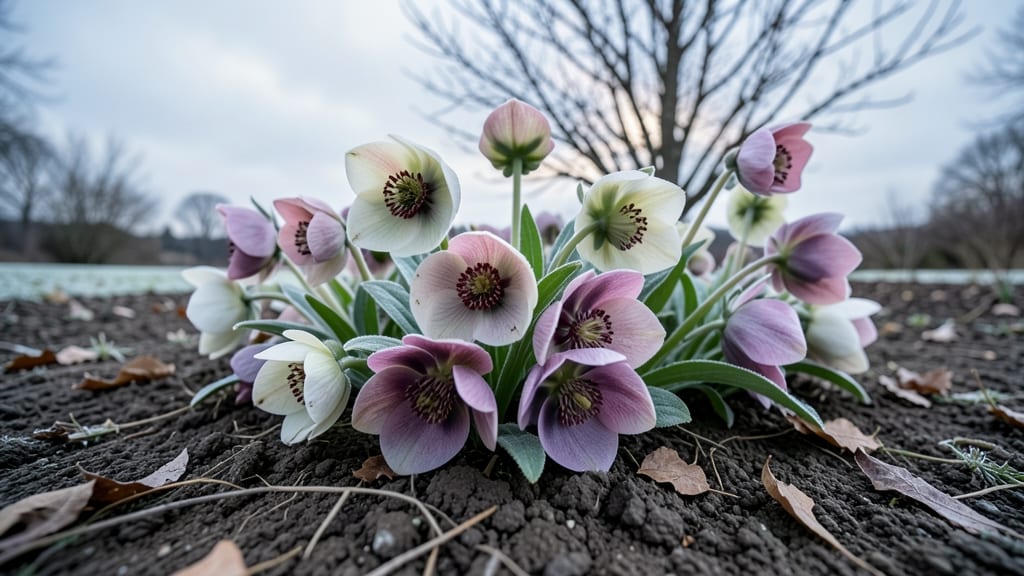
When your garden looks like a blank canvas in late winter, hellebores step in like a painter’s first brushstroke. These winter-hardy perennials bloom from January through March, defying the cold with their nodding, waxy flowers in shades of white, pink, purple, and green. Unlike most plants that wait for spring, hellebores reward you with color when the garden is still dormant.
Plant them in partial to full shade with well-draining, moist soil—ideal for woodland gardens or under trees. Their deep roots tolerate dry spells once established, and they’re deer-resistant, making them low-maintenance stars. Deadhead spent blooms to encourage more flowers, and mulch in winter to protect tender varieties from freezing temperatures.
Perfect for beginners and busy gardeners, hellebores thrive with minimal care while delivering year-round interest—even their leathery foliage adds texture. 🌱
Astilbe with Feathery Flower Plumes
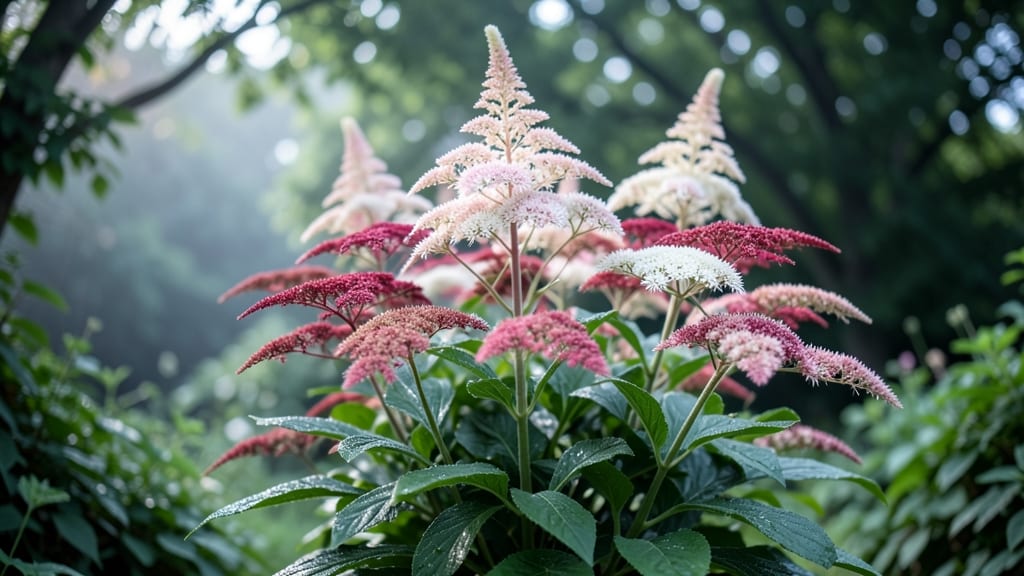
Want to add height and movement to your shady garden without sacrificing sunlight? Astilbe is the answer—its feathery plumes in pink, white, and red rise dramatically above lush foliage, creating a cloud-like effect that dances in the breeze.
This perennial workhorse thrives in partial to full shade and blooms from early to mid-summer, offering continuous color when many other shade plants have finished. Plant in moist, well-draining soil enriched with organic matter, and water regularly to keep those plumes hydrated. For best results, cut back dead foliage in late fall and divide clumps every 3-4 years to maintain vigor.
Perfect for gardeners who love textural contrast, astilbe pairs beautifully with ferns and hostas. Its airy blooms also attract butterflies, making it a functional choice for pollinator-friendly gardens. 🌻
Lungwort for Medicinal and Ornamental Value
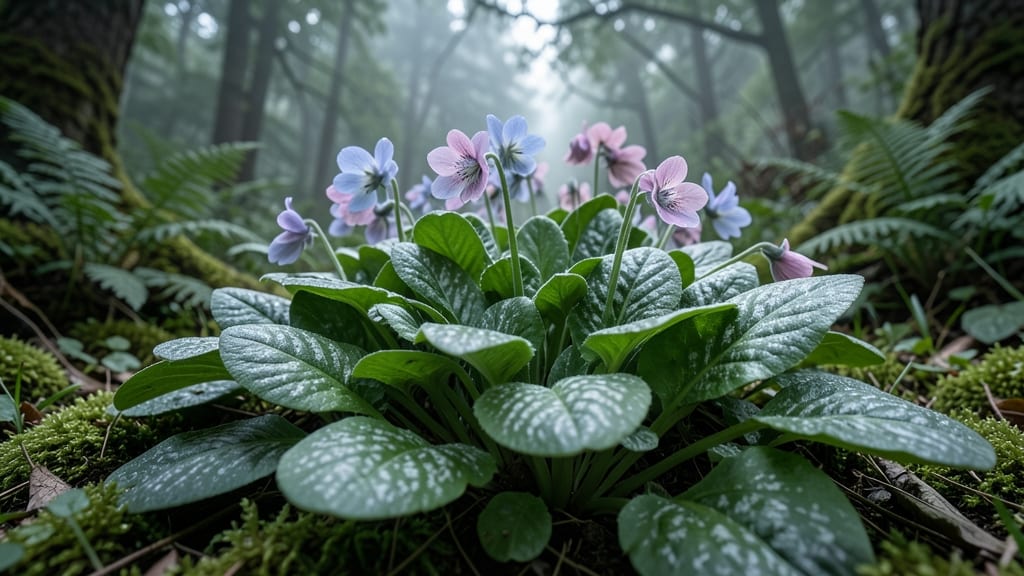
Looking for a shade-loving perennial that does double duty as both a medicinal plant and a stunning ornamental? Meet lungwort (Pulmonaria spp.), a hardy gem with a fascinating history and striking appearance. This woodland native thrives in partial to full shade, making it perfect for understory plantings or north-facing beds where other flowers struggle.
Lungwort earns its name from its silver-spotted leaves (which were historically used in herbal remedies for lung ailments) and its delicate blue or pink flower clusters that appear in early spring. Plant it in well-draining, moist but not soggy soil, and enjoy its year-round interest—the leaves stay attractive even after blooms fade. It's particularly well-suited for naturalistic gardens or cottage-style borders where its unique foliage and early flowers shine.
Herbalists and gardeners alike will appreciate lungwort's dual benefits: its historical medicinal uses and its ability to brighten shady spots with minimal care. Perfect for those who love history-infused gardening with practical, low-maintenance plants. 💚
Japanese Painted Fern for Textural Interest
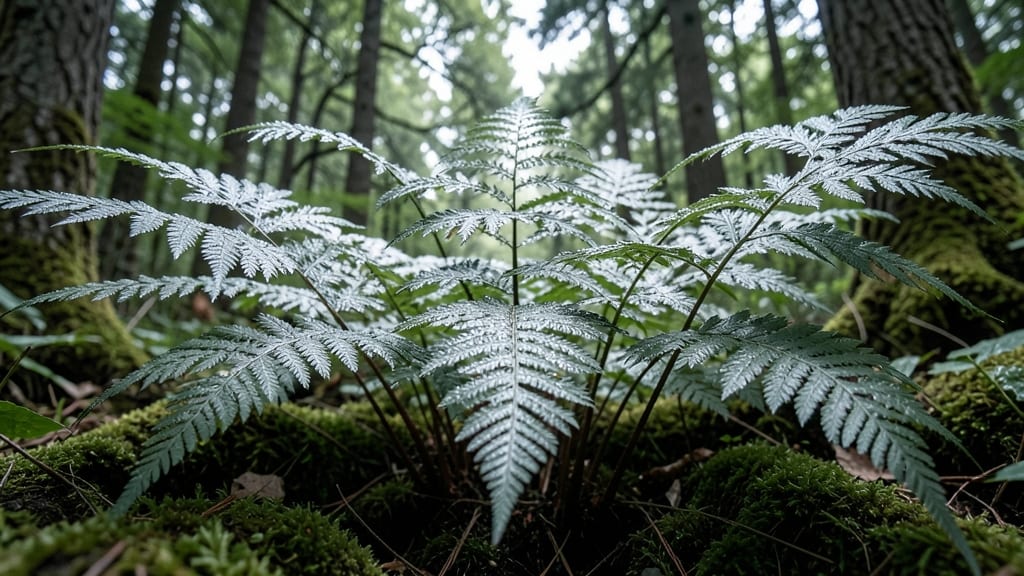
Want to add depth and drama to your shady garden without the fuss of flowers? The Japanese painted fern (Athyrium niponicum var. pictum) delivers silver and deep green foliage that glows like a living watercolor—no sunlight required. This low-maintenance perennial thrives in full to partial shade, making it ideal for woodland gardens, foundation plantings, or even container gardens under trees.
Its frilly, layered fronds create a stunning contrast against darker foliage or bright blooms, while its clumping habit keeps it tidy. Plant in moist, well-draining soil enriched with organic matter, and water regularly to keep the roots happy. This fern is deer-resistant and drought-tolerant once established, so it’s perfect for gardeners who want beauty with minimal upkeep.
Urban gardeners and woodland enthusiasts will love how this fern softens hard edges while adding year-round interest—even in winter, its evergreen fronds hold their color. Pair it with hostas or hellebores for a textural masterpiece that thrives in shade. ✨
Columbine for Hummingbird Attraction
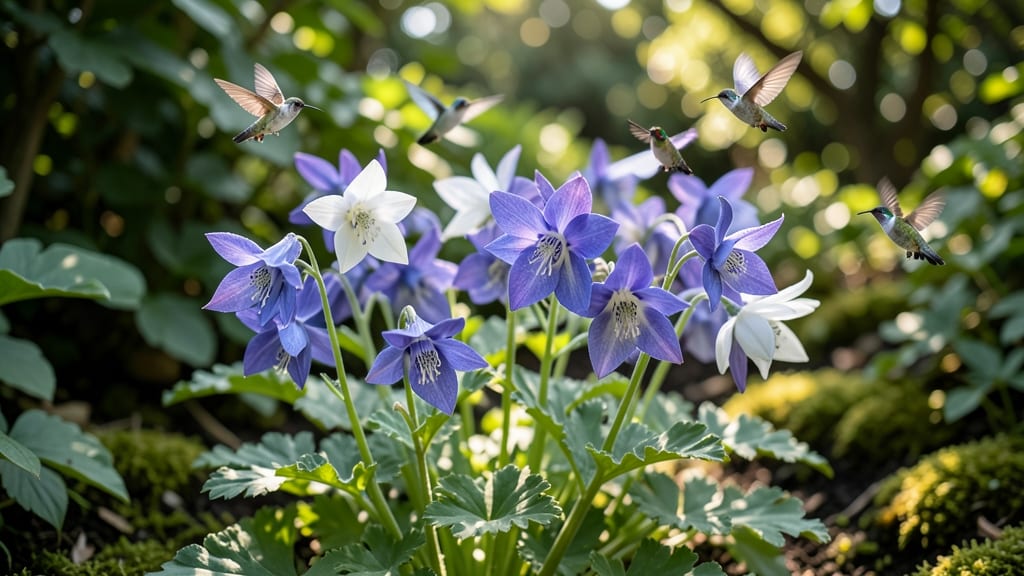
Want to turn your shady garden into a hummingbird hotspot without sacrificing beauty? Columbine (Aquilegia) delivers unique, spurred flowers in vibrant blues, purples, and whites that double as a buffet for these tiny, energetic birds. Unlike many shade plants, columbine offers both ornamental appeal and functional benefits—its nectar-rich blooms are irresistible to hummingbirds, while its delicate foliage adds texture to partial-shade borders.
This perennial powerhouse thrives in partial shade to full sun (though it tolerates deeper shade better than most flowers) and prefers well-draining, moist soil. Plant seeds in early spring or divide established clumps in fall—they’ll self-seed happily, creating naturalizing drifts over time. Deadhead spent blooms to encourage more flowers, and watch as hummingbirds flit between stems, pollinating your garden while you enjoy the show. Columbine’s airy, nodding blooms also make it a standout in cut flower arrangements.
Perfect for woodland gardens, cottage-style beds, or pollinator-friendly landscapes, columbine is a low-maintenance yet high-reward choice for gardeners who love dual-purpose plants. Its ability to attract wildlife while thriving in shade makes it a must-have for eco-conscious gardeners. 💚
Sweet Woodruff for Fragrant Ground Cover
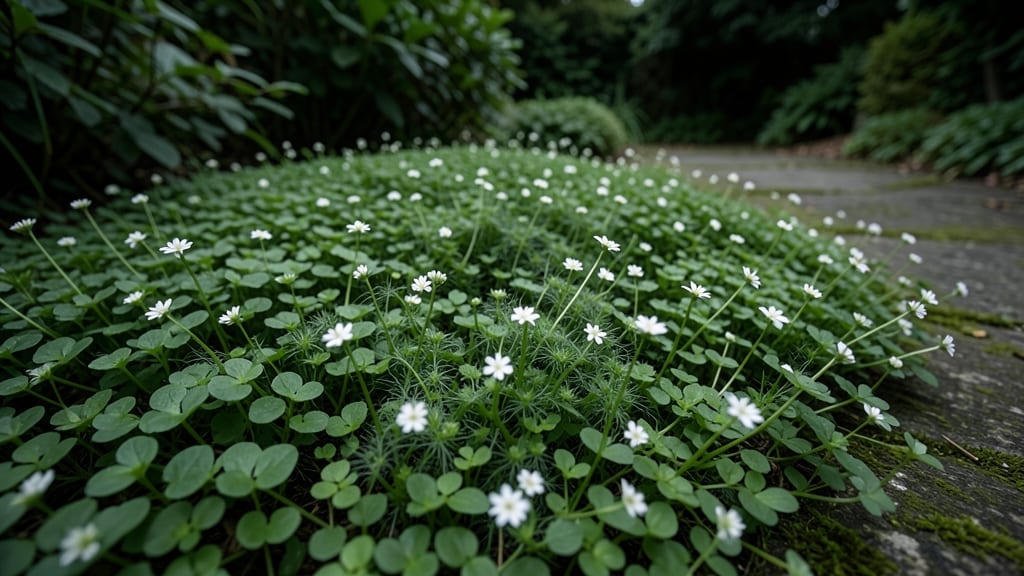
Want a fragrant, living carpet that fills bare shady spots with lush green foliage and delicate white blooms? Sweet woodruff (Galium odoratum) is your answer—a fast-spreading perennial that thrives where others fail. Its vanilla-like scent intensifies when crushed, making it perfect for pathways, under trees, or as a living mulch.
This low-maintenance ground cover loves partial to full shade and moist, well-draining soil. Plant it in early spring for spring blooms that attract pollinators, then let it spread naturally (or trim to control growth). It’s deer-resistant and self-seeds modestly, ensuring your shady garden stays fragrant and green year after year.
Ideal for woodland gardens, cottage-style landscapes, or urban courtyards, sweet woodruff is a must-have for gardeners who want effortless beauty without the fuss. 🌿
Lamium for Long-Blooming Color

Want a shade garden that stays vibrant and colorful all season long? Lamium (often called dead nettle) is your secret weapon—it delivers continuous blooms from spring to fall while thriving in areas where other plants struggle. Unlike many shade flowers that fade after a single season, lamium produces striking silver foliage paired with flower spikes in pink, purple, or white, creating a bold contrast that catches the eye.
This hardy perennial thrives in partial to full shade and tolerates a wide range of soil types, making it perfect for under trees, along fences, or in woodland gardens. Plant in early spring for year-round interest—its foliage remains attractive even when not in bloom. Deadhead spent flowers to encourage more blooms, and watch it spread gently to fill empty spaces without becoming invasive. Pollinator-friendly, it attracts bees and butterflies while keeping deer and rabbits at bay.
Perfect for gardeners who want low-maintenance yet high-impact plants, lamium transforms dull shady corners into lively displays with minimal effort. 💚