
Flowers
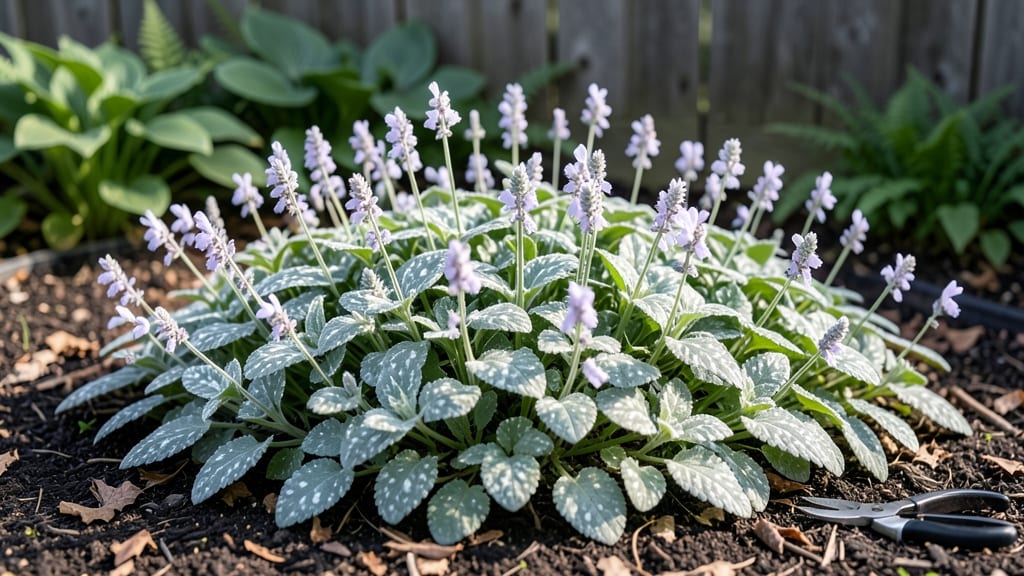
A low-maintenance ground cover for shade doesn’t have to mean bare soil and weeds—evergreen spreaders turn them into lush, low-effort carpets. 🌿 I’ve tested the toughest that stay green year-round, choke out weeds, and handle neglect like champions. No more patchy mulch or muddy footprints ruining your design.
The best performers—like pachysandra, creeping phlox, and world-class hostas—thrive in dappled shade, need minimal water once established, and spread reliably without babying. My favorite, Hosta ‘Halcyon’, stays compact while filling gaps with deep green leaves, and it’s deer-resistant too.
These plants do the heavy lifting while you enjoy the view. By spring, your shade garden will look like a pro landscaper designed it—thick, uniform, and weed-free—with almost no effort.
The secret is choosing the right mix for your light conditions and giving them a good start with moist, well-drained soil. Once planted, they’ll outcompete weeds and spread naturally. Works in woodland gardens, under trees, or along shady fences—anywhere you want color without the upkeep.
Let’s pick the perfect plants for your space!
📚 In This Guide
- What you need
- Instructions
- Tips and common mistakes
- Wrapping up and next steps
What you need
- ● Ground cover plants (choose 2-3 varieties): 10-20 Hellebores (Lenten rose) – 4" pots
- ● 15-25 Lungwort (Pulmonaria) – 4" pots
- ● 10-15 Sweet woodruff (Galium odoratum) – 4" pots
- ● 5-10 Creeping Jenny (Lysimachia nummularia) – 4" pots
- ○ 10-15 Alum root (Heuchera) – 4" pots (optional for color)
- ● Mulch: 2-3 bags (3 cu. ft. each) of shredded bark or pine straw
- ○ Soil amendments (optional but helpful): 1 bag (40 lb.) of compost or well-rotted manure
- ● 1 lb. of slow-release fertilizer (10-10-10 or organic)
- ● Essential: Garden gloves (1 pair)
- ● Hand trowel or small spade
- ● Garden rake (8-10" wide)
- ● Watering can or hose with a gentle spray nozzle
- ○ Optional (but handy): Kneeling pad for comfort
- ● String or stakes (for marking plant spacing)
- ● Pruners (for trimming established plants)
- ● ✅ A shady area (dappled light to full shade, <6 hours of direct sun daily)
- ● ✅ Well-draining soil (amend if clay-heavy with compost)
- ● ✅ A moisture-retentive spot (or willingness to water occasionally)
- ● ✅ Patience! Most ground covers take 1-2 seasons to fully establish.
Step-by-Step guide to planting low-maintenance evergreen ground cover in shade
Here’s how to create a lush, evergreen ground cover that spreads effortlessly under trees or in shaded borders—no fuss, no sun required.
🌿 Step 1: Choose the Right Plants for Your Shade Conditions
Select shade-tolerant evergreens like pachysandra, ajuga, or sweet woodruff, which thrive in partial to full shade and spread naturally. I always check the light conditions first—if your spot gets less than 4 hours of direct sun daily, these plants will thrive where others fail. Avoid anything labeled "sun-loving," as it’ll yellow and die within weeks.
Buy established plants from nurseries rather than seeds for faster coverage. Look for healthy specimens with dense foliage and no brown patches. Divide clumps if needed to create multiple planting spots—this ensures even spread from day one.
🪴 Step 2: Prepare the Soil and Planting Area
Clear the area of weeds and debris, then loosen the soil to a depth of 6-8 inches with a garden fork. Amend heavy clay or sandy soil with 2-3 inches of compost to improve drainage and fertility. Shade-tolerant ground covers hate soggy roots, so if your soil stays wet for days, mix in 1 part perlite per 3 parts soil.
Test the pH if possible—most shade-loving ground covers prefer slightly acidic to neutral soil (6.0-7.0). If your soil is too alkaline, add sulfur or peat moss to adjust. Mark planting rows with stakes or string for precision, especially if you’re creating a clean edge.
🌱 Step 3: Plant and Space for Optimal Spread
Dig holes twice as wide as the root ball but no deeper—this encourages roots to spread horizontally rather than sink. Space plants 12-18 inches apart for dense coverage within a season. Place each plant so the top of the root ball sits level with the soil surface—burying too deep suffocates roots, while planting too high leaves gaps.
Backfill gently, tamping down lightly to remove air pockets. Water deeply right after planting to settle the soil and eliminate gaps. Mulch with 2-3 inches of shredded bark or pine needles to retain moisture and suppress weeds. Avoid thick mulch layers—it can smother young plants.
☀️ Step 4: Water and Maintain for Long-Term Success
Keep the soil consistently moist for the first 4-6 weeks until roots establish. Water 1-2 inches per week, more if your area has intense heat or dry winds. You’ll know it’s enough when the top inch of soil feels damp but not soggy. Overwatering in shade is a common mistake—roots rot faster in low-light conditions.
Fertilize lightly once a year in early spring with a balanced, slow-release fertilizer (10-10-10). Too much nitrogen encourages leafy growth at the expense of root spread. Trim back any brown or leggy stems in late winter to encourage fresh, dense growth. Most evergreen ground covers need minimal pruning—just tidy up as needed.
⏰ Step 5: Encourage Spread and Fill Gaps Naturally
Once established, these plants spread via runners or stolons, filling in bare spots over time. If coverage is slow, divide mature clumps in early spring and replant sections in thin areas. I’ve seen pachysandra double its coverage in just one growing season with minimal effort.
Monitor for pests like slugs or scale, which love tender new growth. Handpick slugs at night or use organic slug bait if needed. Most evergreen ground covers are pest-resistant, but stressed plants attract problems. Keep mulch 2-3 inches away from stems to prevent rot and improve airflow.
Tips & tricks for perfect evergreen ground cover planting
These simple strategies will help your shade-loving ground cover thrive with minimal effort—once you know the secrets.
Plant Selection: When choosing between pachysandra, ajuga, or sweet woodruff in Step 1, opt for ajuga if you want vibrant foliage with purple tones—it’s the most visually striking option. For pure green coverage, pachysandra is the classic choice, while sweet woodruff adds delicate fragrance when crushed. I’ve found that nurseries often carry pachysandra in larger clumps, making it ideal for quick coverage projects.
Soil Preparation Strategy: In Step 2, if your soil test reveals a pH above 7.0, don’t just add sulfur—mix in 1 part peat moss per 3 parts soil first to create a buffer. This gradual adjustment prevents shocking the roots. For heavy clay soils, I’ve had great success adding 1 part coconut coir per 2 parts compost to improve aeration without altering the moisture retention these plants need.
Planting Precision: The 12-18 inch spacing in Step 3 might seem generous, but trust me—it’s crucial. These plants spread horizontally through runners, not vertical growth. If you plant too closely, you’ll create competition that stunts their natural expansion. After planting, I like to draw a chalk line at 15 inches to ensure consistent spacing across large areas.
Watering Wisdom: During that critical 4-6 week establishment period in Step 4, I’ve learned to water in the morning rather than evening. This prevents fungal issues from prolonged moisture on foliage. Use a rain gauge to measure your 1-2 inches per week—most garden hoses deliver 2-3 times that amount, leading to overwatering. A simple tamping of the soil after watering helps eliminate air pockets that can dry out roots.
Pro Tips for Low-Maintenance Ground Cover For Shade
- These simple strategies will help your shade-loving ground cover thrive with minimal effort—once you know the secrets.
- Plant Selection: When choosing between pachysandra, ajuga, or sweet woodruff in Step 1, opt for ajuga if you want vibrant foliage with purple tones—it’s the most visually striking option.
- Soil Preparation Strategy: In Step 2, if your soil test reveals a pH above 7.0, don’t just add sulfur—mix in 1 part peat moss per 3 parts soil first to create a buffer.
Frequently asked questions
Got questions about low-maintenance ground cover for shade? You’re not alone! Here are some of the most common concerns—and their easy answers—to help you choose the perfect evergreen spreader for your shady spots.
What’s the fastest-growing shade-tolerant ground cover?
If you want quick coverage, Liriope muscari (mondograss) or Helleborus (Lenten rose) are top picks. They spread steadily (1–2 feet per year) and handle shade beautifully. For even faster results, try Ajuga reptans (bugleweed), which can fill gaps in just a season!
How long does it take for ground cover to fully establish?
Most shade-loving ground covers take 1–2 years to fully spread and suppress weeds. Start with a dense planting (12–18 inches apart) to speed things up. Patience pays off—once established, these plants stay put with minimal effort!
Can these plants handle wet or soggy soil?
Yes! Many shade-tolerant options like Pachysandra or Sweet Woodruff thrive in moist conditions. Avoid Sedum or Creeping Thyme, though—they prefer drier soil. If your yard stays damp, opt for Hosta or Fern varieties for foolproof results.
Are there deer-resistant options for shady areas?
Deer tend to avoid Lamium galeobdolon (yellow archangel), Ajuga, or Heuchera (coral bells). For extra protection, add a deer repellent spray in spring. Bonus: These picks also deter slugs and snails!
What’s the best way to remove weeds before planting?
Start with a pre-emergent herbicide (like corn gluten meal) in early spring, then smother weeds with cardboard or landscape fabric for 4–6 weeks. For a natural fix, layer mulch (3–4 inches) over bare soil—it blocks light and keeps weeds at bay.
Do these plants survive winter in cold climates?
Most shade ground covers are hardy to USDA Zones 4–8. Evergreens like Pachysandra or Liriope stay green year-round, while Hellebore blooms even in winter. In extreme cold (below Zone 4), add a thick mulch layer for extra protection.
Wrapping up and next steps
Transforming your shady garden into a lush, low-maintenance oasis is easier than you think! With the right evergreen ground cover, you can enjoy year-round greenery without the hassle of high upkeep.
Whether you choose Hellebores, Lungwort, or Sweet Woodruff, these shade-loving plants will reward you with beauty and resilience.
Ready to take the next step? Start small—pick one or two plants to test in a corner of your garden, then expand as you see what thrives best. Happy gardening! 🌿✨