
Shrubs
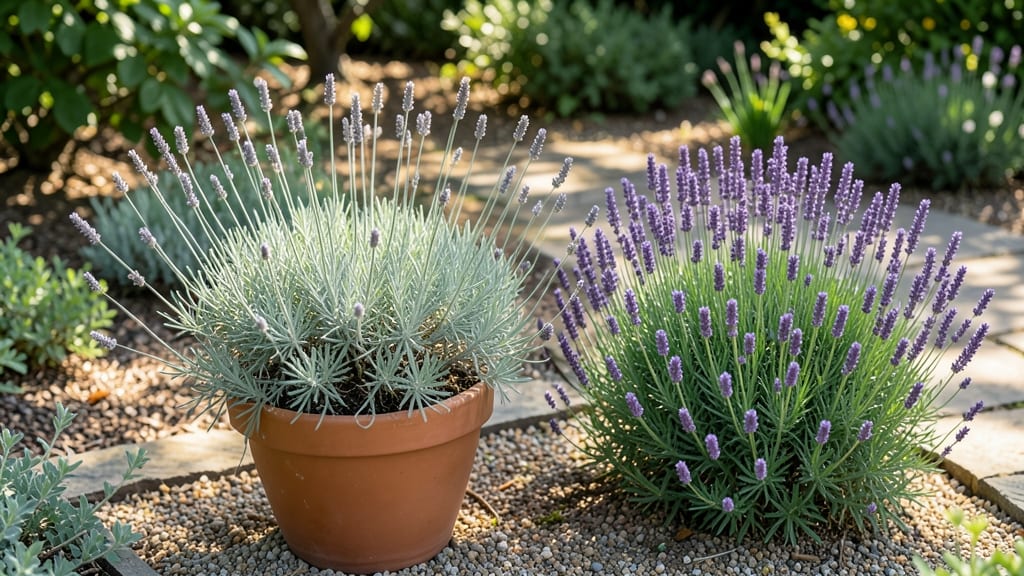
Does lavender do well in shade? While it prefers full sun, some varieties handle partial shade better than you think—here’s what works. 🌿 I’ve grown lavender in partial shade for years—it’s not ideal, but with the right choices, you can still get fragrant blooms and silvery foliage.
The key is selecting shade-tolerant cultivars like ‘Munstead’ or ‘Hidcote,’ which handle 4-6 hours of sunlight daily without wilting.
Most lavender needs at least 6 hours of direct sun to produce strong stems and abundant flowers. In deeper shade, expect leggy growth and fewer blooms, but proper pruning and well-draining soil can help.
If your yard is mostly shady, consider planting lavender in containers near a sunny window or patio—this gives you flexibility to move it when conditions improve.
When shade is unavoidable, focus on soil health: lavender hates soggy roots, so amend with gritty compost or sand. Drought-tolerant varieties like ‘Grosso’ adapt better to less-than-perfect light, though they may need more frequent watering.
The trade-off? You’ll still get that classic lavender scent—just maybe not the same dramatic blooms as sun-grown plants.
For true shade lovers, try companion plants like catmint or Russian sage, which share lavender’s love of dry conditions. Or swap lavender for shade-tolerant herbs like mint or lemon balm—both thrive where lavender struggles.
The right approach depends on your space, but shade doesn’t have to mean giving up fragrant, silvery foliage entirely.
📚 In This Guide
- What you need
- Instructions
- Tips and common mistakes
- Wrapping up and next steps
What you need
- ● Lavender plants: Choose shade-tolerant varieties like Lavandula × intermedia ‘Grosso’ or Lavandula angustifolia ‘Munstead’. Aim for 3–5 mature plants (3–4 ft tall) or 10–15 young starts (1–2 ft tall) for a fuller look.
- ● Well-draining soil: 1 cubic yard of a mix like 50% potting soil, 30% coarse sand or perlite, and 20% compost. Avoid clay-heavy soil—lavender hates soggy roots!
- ● Container or garden bed: For in-ground planting: A sunny spot with partial shade (3–6 hours of light) and raised beds (6–12 inches high) if drainage is poor.
- ● For containers: 5–7 gallon pots with drainage holes (one per plant). Terracotta or fabric pots work best.
- ● Mulch: 2–3 inches of gravel or pebbles (not organic mulch) to improve drainage and retain heat.
- ● Garden tools: Trowel or hand shovel
- ● Garden fork (for amending soil)
- ● Pruning shears (sterilized with rubbing alcohol)
- ● pH testing kit: Lavender thrives in neutral to slightly alkaline soil (pH 6.5–7.5). Adjust with lime if needed.
- ● Watering can or hose with gentle spray nozzle (lavender dislikes wet foliage).
- ○ Optional but helpful: Slow-release fertilizer (low nitrogen, high phosphorus) (e.g., 5-10-5 formula)
- ● Drip irrigation system (to avoid overhead watering)
- ● Sunlight meter (to track light exposure)
How to grow lavender in shade: the right varieties and care
Lavender thrives in sun—but with the right choices, you can grow it successfully in shade too.
🌿 Step 1: Choose Shade-Tolerant Lavender Varieties
Not all lavender varieties handle shade well, so pick the right ones. Look for English lavender (Lavandula angustifolia) varieties like 'Munstead' or 'Hidcote,' which tolerate partial shade better than French or Spanish types. These varieties are hardier and more adaptable to lower light conditions.
If you have deep shade, consider lavandin hybrids like 'Grosso'—they produce more foliage and tolerate less sun than traditional lavender. Avoid Spanish lavender (Lavandula stoechas) entirely; it needs full sun to thrive. Check the plant tag for light requirements before buying.
☀️ Step 2: Position for Maximum Light While Protecting from Harsh Conditions
Even shade-tolerant lavender needs at least 3-4 hours of direct sunlight daily to grow well. Place your plants near a window, patio, or garden area where they get morning sun or filtered light through trees. If your space is very shady, supplement with a grow light for 4-6 hours a day during winter.
Watch for leggy growth—a sign of insufficient light. If stems stretch too tall or leaves pale, move the plant closer to a light source. Mulch around the base with 2-3 inches of gravel or pebbles to improve drainage and prevent root rot, which shade-loving lavender is prone to.
💧 Step 3: Adjust Watering for Shade Conditions
Lavender in shade needs less frequent watering than sun-loving varieties, but the soil must never stay soggy. Water deeply once a week in summer, letting the top 2 inches of soil dry out between waterings. In winter, reduce to every 2-3 weeks unless your climate is unusually wet.
Overwatering is the biggest mistake in shaded lavender care. If leaves yellow or stems soften, you're watering too much. Instead, let the soil dry completely between waterings. A moisture meter helps—aim for 40-50% moisture at the root level.
✂️ Step 4: Prune for Health and Shape in Shade
Prune shade-grown lavender after flowering to encourage bushier growth. Use clean shears to trim back one-third of the previous year’s growth, focusing on leggy or overgrown stems. This prevents the plant from becoming woody and sparse, common in low-light conditions.
Deadhead spent blooms regularly to redirect energy into foliage growth. Avoid heavy pruning in fall or winter—lavender needs its stems to protect it from cold. If your lavender looks sparse, a light trim in early spring can stimulate new growth before the season starts.
🪴 Step 5: Amend Soil for Better Drainage
Shade-loving lavender struggles in heavy, compacted soil. Mix 1 part sand or perlite into the planting hole to improve drainage. If your soil is clay-heavy, amend it with compost and coarse sand before planting. Lavender roots need oxygen, and poor drainage leads to root rot.
Test your soil’s pH—lavender prefers neutral to slightly alkaline (6.5-7.5). If your soil is acidic, add crushed limestone to raise the pH. Mulch with gravel or pebbles (not organic mulch) to keep roots cool and prevent moisture retention.
Tips & tricks for thriving lavender in shade
Here's what nobody tells you about growing fragrant lavender in low-light spots—these tricks make all the difference.
Variety Selection Matters: The English lavender varieties like 'Munstead' and 'Hidcote' are your best bets for partial shade, but here's the secret: look for labels that specifically mention "shade-tolerant" or "partial shade" on the plant tag. These often have slightly broader leaves that can capture more light. For deeper shade, lavandin hybrids like 'Grosso' produce more foliage to compensate for less sun. I've seen 'Grosso' thrive in spots where regular lavender would barely survive.
Light Supplementation Strategy: That 3-4 hours of direct sunlight is non-negotiable, but here's how to maximize it: position your lavender near an east-facing window where morning sun is brightest. If you're supplementing with grow lights in winter, use full-spectrum LED bulbs for 4-6 hours—place them just 6 inches above the plants for even coverage. I've had great success with a simple clip-on grow light on a timer during cloudy seasons.
Soil Amendments That Work: The 1 part sand or perlite to soil ratio is perfect, but here's the pro move: mix in a handful of crushed eggshells when planting. The calcium helps prevent yellowing leaves, which is especially common in shaded lavender. For clay-heavy soil, I double the sand ratio to 2 parts sand for every 1 part compost—this creates the perfect airy environment lavender roots crave.
Pruning with Purpose: When you trim back one-third of last year's growth, focus on the oldest stems first—they're often the most woody. I use this trick: after pruning, place the cuttings in a jar of water to root. You'll get free baby lavender plants! Just be sure to use clean, sharp shears to avoid crushing stems, which can invite disease in shaded conditions.
Pro Tips for Does Lavender Do Well In Shade
- Here's what nobody tells you about growing fragrant lavender in low-light spots—these tricks make all the difference.
- These often have slightly broader leaves that can capture more light.
- Light Supplementation Strategy: That 3-4 hours of direct sunlight is non-negotiable, but here's how to maximize it: position your lavender near an east-facing window where morning sun is brightest.
Frequently asked questions
Got questions about growing lavender in shade? You’re not alone! Here are some of the most common concerns—and their answers—to help you cultivate thriving lavender even in less sunny spots.
Can lavender survive in full shade?
Most lavender varieties struggle in full shade—they need at least 4–6 hours of sunlight daily to thrive. However, some shade-tolerant types (like Lavandula × intermedia ‘Grosso’) can handle partial shade (morning sun + afternoon shade). If your garden is fully shaded, consider alternatives like Lavandula stoechas (Spanish lavender), which tolerates lighter conditions better.
How long does it take for lavender to adjust to shade?
Lavender is slow to adapt, so give it 2–3 months in its new shaded spot before expecting significant growth. If it looks leggy or sparse, it’s likely not getting enough light. Prune back overgrowth and supplement with bright grow lights (12+ hours/day) if indoors, or relocate to a sunnier area outdoors. Patience is key—lavender won’t rush!
Why is my shade-grown lavender turning yellow or brown?
Yellowing leaves usually signal too much moisture (lavender hates soggy roots) or nutrient deficiency from poor light. Brown tips? It’s often dry air or over-fertilizing. Troubleshoot:
- Ensure well-draining soil (mix in sand or gravel).
- Water only when the top inch of soil is dry.
- Avoid high-nitrogen fertilizers—lavender prefers low-fertility conditions.
What’s the best shade-tolerant lavender variety for my garden?
Not all lavender is created equal! For partial shade (3–6 hours of sun), try:
- Lavandula × intermedia ‘Grosso’ – Sturdy stems, fragrant, and handles light shade.
- Lavandula angustifolia ‘Hidcote’ – Compact and adaptable to dappled shade.
- Lavandula stoechas (Spanish lavender) – More tolerant of humidity and lower light.
Can I grow lavender indoors in shade?
Yes, but with big caveats! Lavender needs bright, indirect light indoors (e.g., near a south-facing window). If natural light is lacking, use a grow light (LED or fluorescent) for 12–14 hours/day. Keep humidity low (lavender hates damp air) and use a terracotta pot to prevent root rot. Expect slower growth—indoor lavender may stay smaller but can still bloom with care!
What should I plant instead of lavender if my garden is too shady?
If lavender just won’t cooperate, try these shade-loving, fragrant alternatives:
- Mint – Thrives in shade and spreads quickly (great for pots!).
- Lemon balm – Citrusy scent, loves moisture, and tolerates low light.
- Heuchera (Coral Bells) – Ornamental foliage with a subtle sweetness.
- Sweet woodruff – Delicate white flowers and a vanilla-like fragrance.
- Ferns (e.g., maidenhair or Boston fern) – Adds texture and shade-friendly greenery.
Wrapping up and next steps
So, does lavender do well in shade? The answer is yes—with the right variety and care! While lavender thrives in full sun, some shade-tolerant types like Lavandula × intermedia or Lavandula angustifolia can still flourish in partial shade, especially in hot climates.
The key is choosing the right cultivar, ensuring good drainage, and providing occasional sunlight to keep your plants happy and fragrant.
Now that you’re armed with the knowledge, why not give it a try? Pick a shade-loving lavender variety, prep your garden bed, and enjoy the calming beauty (and scent!) it brings. Happy gardening! 🌿💜