
Light Requirements
Understanding part shade means recognizing how plants respond to light intensity. 🌿 The 3-6 hour direct sunlight window triggers photosynthesis without causing leaf burn, while the remaining daylight hours provide gentle, diffused light that mimics natural forest conditions.
Many gardeners confuse part shade with full shade, but the key difference is those extra hours of direct sun—just enough to keep plants happy without stressing them. For example, a morning sun exposure followed by afternoon shade creates ideal conditions for shade-loving perennials.
This light balance isn't just about sunlight hours—it's about how light interacts with your garden's microclimate.
A north-facing wall might cast permanent shade, while a south-facing area could get more sun than expected. 🌞 I always recommend testing your garden's light conditions by observing how shadows move throughout the day, especially during the plant's growing season.
This helps you match plants to their perfect light spots and avoid common mistakes like planting sun-loving annuals in too-shady areas.
💡 In This Article
- How Sunlight Hours Define Part Shade Conditions
- Best Plants for Part Shade Gardens and Their Light Needs
How sunlight hours define part shade conditions
Part shade creates a delicate balance where plants receive just enough direct sunlight to fuel photosynthesis—typically 3 to 6 hours per day—while avoiding the harsh midday sun that can cause leaf scorch.
This light exposure triggers chlorophyll production, but the intensity remains low enough to prevent oxidative stress in plant tissues.
Think of it like a gentle workout for your plants: strong enough to build endurance, but not so intense it causes damage. 🌿 The remaining daylight hours are filled with diffused light, often filtered through tree canopies or building structures, which provides a softer glow that mimics the dappled light found under forest canopies.
The science behind this involves how light wavelengths interact with plant pigments. Direct sunlight delivers full-spectrum light, including ultraviolet (UV) rays that can degrade chlorophyll if exposure exceeds 6 hours.
However, the filtered light during part shade contains fewer UV rays but still provides enough blue and red wavelengths to support moderate growth.
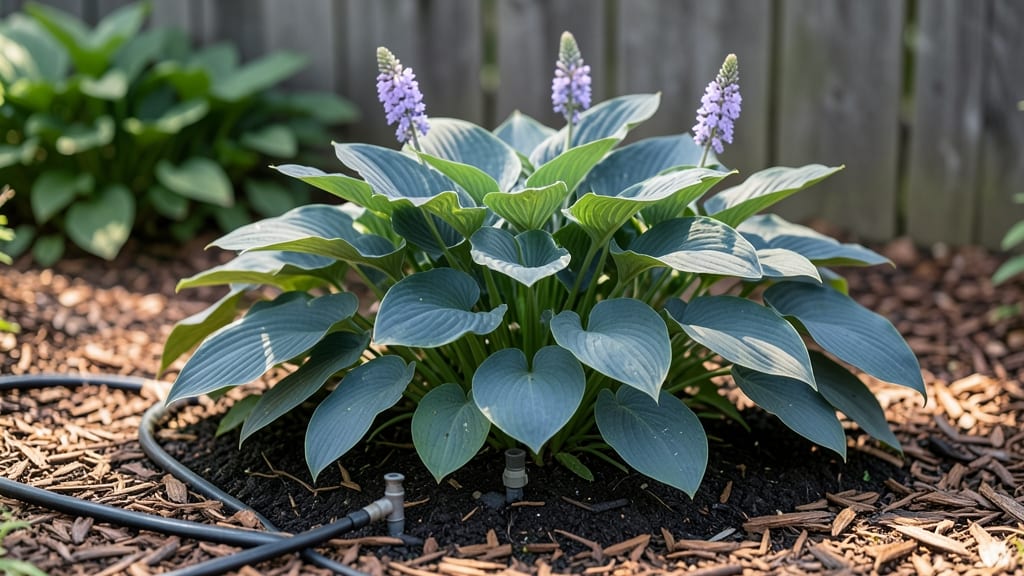
For example, a hosta plant thriving in part shade will develop lush foliage because its leaves can absorb sufficient light without the risk of bleaching or sunburn that occurs in full sun conditions.
Canopy cover plays a crucial role in creating part shade by diffusing sunlight. A dense tree canopy can reduce light intensity by up to 50%, while a sparse canopy might only filter 20-30% of light.
This variation explains why part shade isn't a one-size-fits-all condition—it depends on the type of cover and its density. For instance, a mature oak tree with broad leaves will cast deeper shade than a pine tree with needle-like foliage.
Understanding this helps gardeners create microclimates where plants can thrive based on their specific light needs.
Plant species have evolved unique adaptations to handle part shade conditions. Some, like ferns and astilbes, have large, thin leaves that maximize light absorption even in low-light environments. Others, such as impatiens, grow more compactly to shade their own leaves from direct sunlight.
These adaptations allow them to thrive in environments where full sun would be too intense. For example, a fern's fronds grow in a way that captures diffused light efficiently, while a hosta's broad leaves can absorb light from multiple angles, making them ideal for part shade gardens.
To visualize part shade, imagine a garden bed that receives morning sunlight but is shaded by a building or tree in the afternoon. This setup provides 3-5 hours of direct sun while the rest of the day offers gentle, indirect light.
The key is to observe how shadows shift throughout the day—using a simple method like placing a white sheet in the garden and marking shadow lines at different times can help you determine your garden's exact light conditions.
This observation is critical for selecting the right plants and ensuring they receive the perfect balance of light and shade.
What most gardeners don't realize is that part shade isn't just about the hours of sunlight—it's also about the quality of that light. For instance, morning sun is generally softer and less intense than afternoon sun, which can be more harsh and drying.
By understanding these nuances, you can create a thriving garden where plants receive the ideal combination of light and shade to support healthy growth. 🌱