
Shrubs
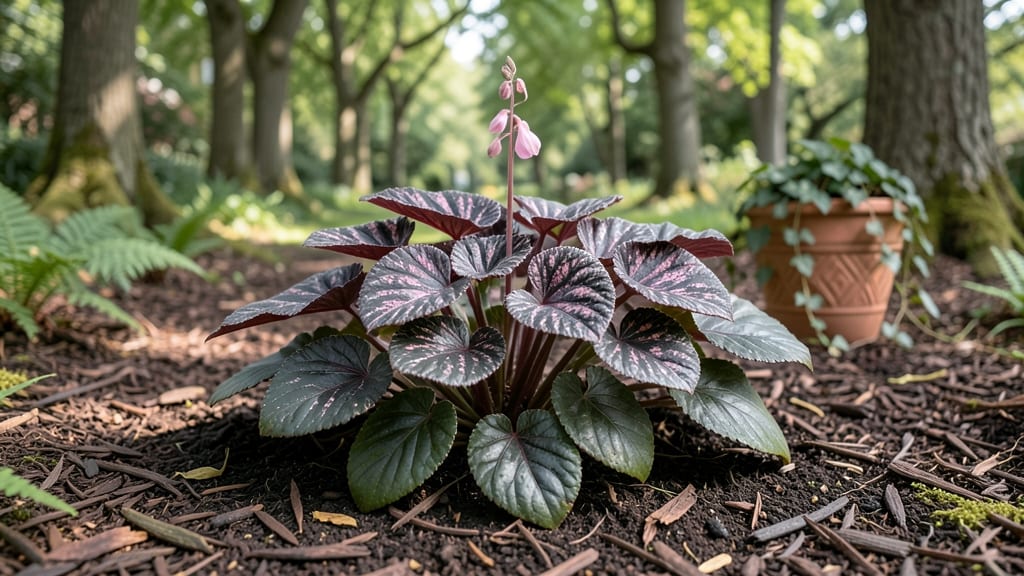
Shade gardens don't have to be boring—begonias turn them into lush, vibrant spaces with foliage that pops in every shade of green, purple, and burgundy. 💚 I learned this the hard way when my first shade garden looked dull and lifeless until I swapped out lackluster plants for these showstoppers.
The right begonias bring texture, color, and drama where sunlight barely reaches.
These plants thrive where others struggle, making them the perfect solution for under trees, along north-facing walls, or beneath dense canopies. Their waxy leaves reflect light beautifully, and some varieties even bloom with delicate flowers that add a final touch of elegance.
The key is choosing types like rex begonias for bold patterns or angel-wing begonias for trailing elegance—they’ll transform even the darkest corners into a garden highlight.
Imagine a border where deep purple leaves contrast against silvery-green foliage, or a hanging basket spilling over with cascading burgundy stems. Begonias create instant visual interest, and their varied shapes—upright, trailing, or bushy—let you mix and match for a layered, dynamic look.
They’re also low-maintenance once established, so you get stunning results with minimal effort.
For best results, group begonias with other shade-loving plants like ferns, hostas, or impatiens to create depth and movement. Place them where their foliage will catch the eye—near seating areas, along pathways, or as a focal point in a woodland-style garden.
The payoff? A shade garden that feels alive, intentional, and utterly captivating, no matter how little sunlight it gets.
📚 In This Guide
- What you need
- Instructions
- Tips and common mistakes
- Wrapping up and next steps
What you need
- ● Begonia plants: Choose between tuberous, fibrous-rooted, or rex begonias (3–6 plants per garden bed, depending on desired density). Opt for healthy specimens with vibrant foliage.
- ● Well-draining potting mix: 5–10 gallons (for containers) or 2–3 cubic feet (for in-ground planting). Mix 50% peat/coir + 30% perlite + 20% compost for optimal aeration.
- ○ Containers (optional): 6–12-inch pots with drainage holes (1–2 per plant) or window boxes for trailing varieties.
- ● Mulch: 1–2 inches of shredded bark or pine needles to retain moisture and suppress weeds.
- ● Trowel or hand shovel (for transplanting)
- ● Pruning shears (for trimming dead leaves or leggy stems)
- ● Garden gloves (to protect hands from soil and thorns on rex begonias)
- ● Watering can or hose with a gentle spray nozzle
- ○ pH test kit (optional but helpful—begonias prefer 5.5–6.5)
- ● 🌡️ Temperature matters: Begonias thrive in 60–75°F zones. Avoid frost-prone areas (hardiness varies by type—tuberous are the hardiest).
- ● ✨ Lighting hack: If your shade is too dark, supplement with a grow light (12–14 hours/day) for rex begonias.
- ● 💧 Watering pro: Keep soil consistently moist (not soggy!)—use a moisture meter if unsure.
Step-by-step guide to planting begonias in shade gardens
Here's how to create a lush, low-light display with begonias that pop in shady spots.
🌱 Step 1: Choose the Right Begonia Varieties for Shade
For shade gardens, focus on rex begonias (with their stunning foliage) or wax begonias (with glossy leaves and flowers). These thrive in partial to full shade, tolerating as little as 2-4 hours of direct sun daily. Avoid tuberous begonias—they need more light to bloom properly. I always check the reverse of the plant tag for light requirements before buying.
Look for healthy plants with vibrant, undamaged leaves and firm stems. Yellowing leaves or soft spots signal poor health. If you're starting from seed, begin indoors 8-10 weeks before your last frost date, as begonias grow slowly. Use a seed-starting mix and keep soil consistently moist until germination, which typically takes 2-4 weeks at 70-75°F.
🪴 Step 2: Prepare the Planting Site
Begonias prefer well-draining, rich soil with a slightly acidic pH (6.0-6.5). Amend heavy or clay soil with 2-3 inches of compost or peat moss to improve drainage and fertility. I dig in a 5-10-10 fertilizer at planting time to give them a nutrient boost. Choose a spot with dappled shade—morning sun and afternoon shade works best for most varieties.
For container planting, use pots with drainage holes and fill with a mix of 50% potting soil and 50% perlite or orchid bark to prevent root rot. Begonias hate soggy roots, so containers must never sit in standing water. If your garden soil drains poorly, consider planting in raised beds or elevated containers to keep roots dry.
☀️ Step 3: Plant Begonias Correctly for Shade Success
Dig a hole twice as wide as the root ball but only as deep as it was in its container. Gently remove the plant, loosen the roots if pot-bound, and place it in the hole so the top of the root ball sits level with the soil surface. Begonias dislike having their crowns buried too deep, which can cause rot.
Fill the hole with soil, pressing lightly to eliminate air pockets. Water deeply to settle the soil and encourage roots to spread. Space plants 12-18 inches apart for rex begonias (they spread) and 8-12 inches apart for wax begonias (more compact). Mulch with 2-3 inches of shredded bark or leaves to retain moisture and keep roots cool.
💧 Step 4: Water and Maintain for Lush Growth
Keep soil evenly moist but never soggy—begonias wilt quickly when thirsty but also suffer in waterlogged conditions. Water when the top inch of soil feels dry, which is usually every 2-3 days in shade but adjust based on your climate. Morning watering prevents fungal issues from evening dampness. Avoid wetting the leaves when possible to reduce disease risk.
Fertilize every 4-6 weeks during the growing season with a balanced liquid fertilizer (like 10-10-10) diluted to half strength. Over-fertilizing causes leaf burn, so always follow package instructions. Deadhead spent flowers on wax begonias to encourage more blooms, but leave the foliage on rex begonias—they’re all about those stunning leaves.
✂️ Step 5: Prune and Protect for Year-Round Beauty
Pinch back leggy growth in early spring to encourage bushier plants. Cut back 1/3 of the plant in late fall to tidy it up before winter, but leave some foliage if your climate is mild. Begonias are tender perennials in most zones, so protect them from frost by moving containers indoors or covering outdoor plants with burlap or frost cloth when temperatures drop below 32°F.
Watch for aphids or spider mites, which love the tender new growth. Spray infested plants with neem oil or insecticidal soap at the first sign of pests. If leaves develop yellow edges, it’s usually a sign of underwatering or fluoride buildup from tap water. Switch to rainwater or distilled water if this happens. With proper care, your shade begonias will reward you with year-round interest—whether through striking foliage or delicate blooms.
Tips & tricks for thriving shade begonias
Between us, these little tricks will help your begonias flourish in shady spots like they're in a tropical paradise.
Light Requirements: The 2-4 hours of direct sun mentioned is a guideline, but watch your begonias closely. If leaves look pale or stretch toward light, they're getting too little sun—consider moving them to a brighter spot with morning light. On the flip side, if leaves develop crispy edges, they're getting too much direct sun even in shade. Rex begonias tolerate deeper shade than wax begonias, which need at least some filtered light to keep their glossy foliage vibrant.
Seed Starting Strategy: I learned this the hard way after ruining three batches—begonias need patience. When starting seeds indoors, use clear plastic domes or wrap containers in plastic wrap to create a mini greenhouse effect. This maintains the ideal 70-75°F temperature without needing a heat mat. Check for condensation daily and remove the cover for 5 minutes to prevent mold. Germination can take up to 4 weeks, so don't give up if you don't see sprouts immediately!
Soil Mix Secrets: The 50% potting soil and 50% perlite/orchid bark mix is perfect, but here's the thing: add a handful of worm castings to the mix for extra nutrients. This gives your begonias a gentle boost without overdoing it. For container plants, I also recommend adding a slow-release fertilizer pellet at planting time—it dissolves over months, giving consistent nutrition without the risk of leaf burn from liquid fertilizers.
Watering Wisdom: That "evenly moist but never soggy" rule is golden, but here's what nobody tells you—begonias actually prefer slightly drier conditions than most tropical plants. Let the top inch dry out between waterings, especially in containers. The key is to water thoroughly until it drains from the bottom, then empty any excess from saucers. Overwatering is the #1 killer of begonias, causing those dreaded yellow edges and root rot. In winter, reduce watering significantly as growth slows.
Pro Tips for Begonias For Shade Gardens
- Between us, these little tricks will help your begonias flourish in shady spots like they're in a tropical paradise.
- Light Requirements: The 2-4 hours of direct sun mentioned is a guideline, but watch your begonias closely.
- Seed Starting Strategy: I learned this the hard way after ruining three batches—begonias need patience.
Frequently asked questions
Got questions about growing begonias in shady spots?
You’re not alone! Here are answers to the most common queries to help you create a lush, low-light garden with confidence.
What types of begonias grow best in full shade?
For full shade (less than 2 hours of sunlight), opt for rex begonias (like ‘Dragon Wing’ or ‘Silver Wings’) or wax begonias (e.g., ‘Crispa Marginata’). These varieties thrive in dim conditions with bright, indirect light—think dappled shade under trees. Avoid tuberous begonias, which need more light to bloom.
When is the best time to plant begonias in a shade garden?
Plant beginning to mid-spring after the last frost when soil temps reach at least 60°F (15°C). This gives roots time to establish before summer heat. If using tuberous begonias, start them indoors 8–10 weeks before the last frost. Pro tip: Use mulch to protect roots in cooler climates!
How often should I water begonias in shade?
Shade-loving begonias prefer consistently moist (not soggy) soil. Water 1–2 times per week, adjusting for humidity—more in dry spells, less in damp climates. Test soil moisture by sticking your finger 1 inch deep; if dry, it’s time to water. Overwatering is the #1 killer—ensure pots or beds have good drainage!
What pests or diseases should I watch for in shade-grown begonias?
Common issues include:
- Powdery mildew (white fuzzy spots): Improve air circulation and avoid overhead watering.
- Spider mites (tiny yellow webs): Spray with water or use neem oil if leaves look speckled.
- Root rot (yellowing leaves): Caused by soggy soil—repot or amend drainage immediately.
Prevention tip: Inspect leaves weekly and remove damaged foliage to keep plants healthy!
Are there shade-tolerant alternatives to begonias?
If begonias aren’t your style, try these low-light superstars:
- Heuchera (coral bells): Vibrant foliage in reds, purples, or silvers.
- Astilbe: Feathery plumes in pink, white, or red.
- Ferns (e.g., maidenhair or Boston fern): Lacy textures for soft contrast.
- Caladiums: Stunning patterned leaves (great for tropical shade).
Mix and match for year-round interest!
Wrapping up and next steps
Begonias are the secret weapon for transforming shady spots into vibrant, lush gardens! 🌿 With their stunning foliage and adaptability to low-light conditions, they’re perfect for adding color and texture where other plants struggle. Whether you’re a seasoned gardener or just starting out, these shade-loving beauties make gardening effortless—and rewarding.
Now that you’re armed with the right varieties, care tips, and troubleshooting tricks, it’s time to roll up your sleeves and plant!
Start small with a few pots or dive in with a full garden bed. Watch your shade garden bloom with confidence—your begonias will thank you with bold, healthy growth all season long. Happy planting! 🌱