
Light Requirements
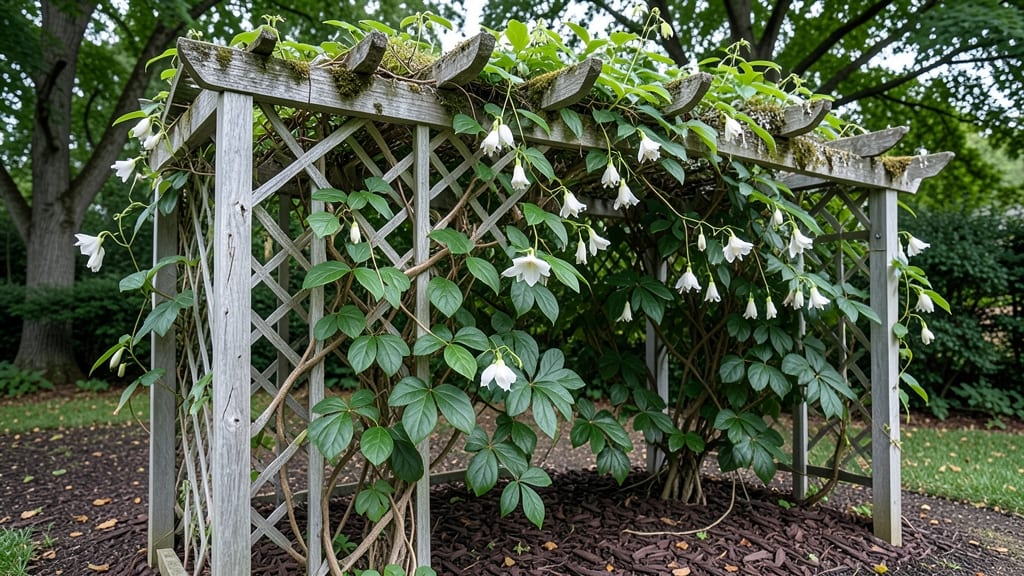
Part shade climbing plants bring life to shady corners where most vines struggle to survive. 🌿 I’ve spent years testing which fragrant climbers actually thrive in dappled light—no more wilting vines or sad, sparse growth.
The right plants transform fences, arbors, and trellises into lush vertical gardens without demanding full sun. My top picks include clematis (with its intoxicating blooms), jasmine (for sweet evening fragrance), and passionflower (for bold foliage and edible fruits).
These aren’t just pretty faces—they’re tough, adaptable, and reward you with season-long interest even when sunlight is limited. Some varieties even handle morning shade better than others, so placement matters. Imagine waking to jasmine-scented air or watching clematis petals unfurl against a shady wall.
These plants don’t just survive in part shade—they thrive, offering texture, color, and fragrance where others fail. The secret? Choosing the right species for your specific light conditions and giving them the support they crave. Perfect for small spaces, privacy screens, or adding height to shady garden beds.
Let’s explore which climbers will work best in your garden’s unique light dance.
📚 In This Guide
- What you need
- Instructions
- Tips and common mistakes
- Wrapping up and next steps
What you need
- ● Part-shade climbing plants: Choose from fragrant varieties like Clematis, Honeysuckle, Jasmine, or Passionflower. Opt for 1-3 mature plants (3-5 ft tall) or 5-10 seeds/cuttings for DIY growth.
- ● Support structure: 1-2 trellises (6-10 ft tall, metal or wood)
- ● OR 1-2 arbors/pergolass (for larger vines, 8-12 ft wide)
- ● OR twine or garden ties (50-100 ft, 3-4 mm thick) for DIY setups.
- ● Potting mix: 1-2 bags (10-20 lbs) of well-draining, organic potting soil (or amend garden soil with compost).
- ● Mulch: 1-2 bags (10-15 lbs) of wood chips or shredded bark (to retain moisture and suppress weeds).
- ● Basic tools: 1 trowel (for planting)
- ● 1 pruners (sterilized, for trimming)
- ● 1 garden gloves (to protect hands)
- ● 1 watering can (1-2 gallons) or hose with nozzle.
- ○ Optional (but helpful!): 1 soil pH test kit (to check acidity, ideal: 6.0-7.0 for most vines)
- ● 1 fertilizer (balanced 10-10-10 or slow-release organic granules)
- ● 1 spray bottle (for misting seedlings)
- ● 1 plant stake (to secure young vines temporarily).
- ● Location prep: Spot with dappled shade (3-6 hours of indirect sunlight daily).
- ● Well-draining soil (amend heavy clay with perlite if needed).
Step-by-Step guide to cultivating fragrant climbing vines in part shade
Here’s how I transform shady corners into fragrant vertical gardens using four of nature’s most elegant climbers.
🌱 Step 1: Select the Right Climbing Plants for Dappled Light
For part shade, I always choose Clematis, Honeysuckle, Jasmine, or Passionflower—all of which thrive in 4-6 hours of filtered sunlight daily. Clematis, in particular, needs its roots shaded but its top growth in light, so I plant it beneath taller trees or shrubs. Honeysuckle and Jasmine tolerate even less light, making them perfect for north-facing walls or understory conditions.
Start with 4-6 plants to create a lush vertical display. If using tubs, select varieties like Clematis ‘Jackmanii’ or Honeysuckle ‘Golden Showers’, which are proven performers in lower-light conditions. Avoid full-sun climbers like Wisteria or Morning Glory—they’ll struggle and may not flower well in deep shade.
☀️ Step 2: Prepare the Support Structure and Planting Site
Install a trellis, arbor, or obelisk before planting—climbing vines need stable support from day one. For Clematis, I use a wooden trellis with horizontal wires at 12-inch intervals so the vines can twine upward. For Jasmine or Honeysuckle, a simple wire mesh or chain-link fence works beautifully, as these plants cling via tendrils.
Amend the soil with compost to improve drainage and fertility, especially if your site has heavy clay. A 6-inch layer of organic mulch (like shredded bark) helps retain moisture and keeps roots cool. Test the soil pH—most fragrant climbers prefer 6.0-7.0, but Passionflower tolerates slightly acidic conditions.
🪴 Step 3: Plant with Proper Spacing and Root Care
Dig holes twice as wide as the root ball but only as deep as the container. This prevents burying the stem, which can cause rot. For tub-grown plants, tease the roots gently if they’re circling—this encourages outward growth. Space plants 3-4 feet apart to allow airflow and reduce disease risk.
Plant Clematis 6-8 inches deep—deeper than most vines—to protect the crown from temperature swings. For Honeysuckle or Jasmine, keep the root ball level with the soil surface. Water deeply immediately after planting to settle the soil and eliminate air pockets. A slow-release fertilizer (like 10-10-10) mixed into the backfill gives them a nutrient boost without burning.
💧 Step 4: Water and Train for Optimal Growth
Keep the soil evenly moist but not soggy for the first 4-6 weeks, especially in containers. Overwatering in part shade leads to fungal issues like powdery mildew, which loves damp, shady conditions. I water early in the morning to allow foliage to dry before evening humidity sets in. Mulch helps retain moisture while suppressing weeds.
Train vines early by gently tying them to the trellis with soft twine or plant clips. Clematis needs annual pruning—cut back last year’s growth in late winter to just above strong buds, while Honeysuckle and Jasmine benefit from light summer trimming to encourage bushier growth. Watch for new shoots—these are your signal to adjust support as the plant climbs.
✂️ Step 5: Maintain and Enjoy the Fragrance
Fertilize twice a year: once in early spring with a balanced fertilizer (like 10-10-10) and again in mid-summer with a low-nitrogen, high-phosphorus blend to boost flowering. Deadhead spent blooms regularly—this redirects energy to new growth and prolongs the fragrant display. For Clematis, I also prune leggy stems in early summer to maintain shape.
The best part? By mid-summer, your part-shade garden will burst with intoxicating jasmine blooms, honey-scented honeysuckle, or velvety clematis flowers—all while keeping your space lush and fragrant. Just be patient: Clematis takes 2-3 years to fully mature, but the wait is worth it for those football-sized blooms in early summer.
Tips & tricks for cultivating fragrant climbing vines in part shade
Transforming shady spaces into fragrant havens takes a few strategic moves—here’s how to maximize success with these delicate climbers.
Light Management: The 4-6 hours of filtered sunlight mentioned in Step 1 is crucial, but don’t assume all part shade is equal. East-facing walls receive gentle morning light that’s perfect for Jasmine, while north-facing areas with no direct sun work best for Honeysuckle. If your space gets only 3-4 hours of light, opt for Passionflower—it’s the most shade-tolerant of the four and still delivers stunning blooms. I’ve seen Passionflower thrive in spots where even Clematis would struggle.
Support System: In Step 2, the instructions mention trellises and wire mesh, but I’ve found that Clematis especially benefits from a slightly different approach. Use a trellis with 12-inch horizontal wires spaced vertically at 18-inch intervals—this gives the vines room to twine upward without getting tangled. For Jasmine, a simple chain-link fence works, but add a few extra wires horizontally to create more handholds for the tendrils. This small tweak prevents the vines from sagging mid-season.
Soil pH and Mulch: While most fragrant climbers prefer a pH of 6.0-7.0, Passionflower can handle slightly acidic soil (5.5-6.5), which makes it a great choice for areas with naturally acidic topsoil. The 6-inch layer of organic mulch mentioned in Step 2 is perfect for moisture retention, but I add a 1-inch layer of coarse sand beneath the mulch to improve drainage—especially important in containers where roots can become waterlogged. This prevents the dreaded powdery mildew that thrives in damp, shady conditions.
Pruning Strategy: The annual pruning for Clematis in Step 4 is non-negotiable, but I’ve learned that timing matters more than you’d think. Prune Clematis in late winter to early spring (just as new growth begins) rather than late winter alone—this ensures you’re cutting back dormant wood. For Honeysuckle and Jasmine, light summer trimming encourages bushier growth, but I wait until after the first flush of flowers has faded. This redirecting of energy often results in a second, smaller bloom cycle later in the season.
Pro Tips for Part Shade Climbing Plants
- Transforming shady spaces into fragrant havens takes a few strategic moves—here’s how to maximize success with these delicate climbers.
- Light Management: The 4-6 hours of filtered sunlight mentioned in Step 1 is crucial, but don’t assume all part shade is equal.
- Support System: In Step 2, the instructions mention trellises and wire mesh, but I’ve found that Clematis especially benefits from a slightly different approach.
Frequently asked questions
Got questions about part-shade climbing plants?
Here are some of the most common ones—and their answers—to help you grow fragrant, thriving vines with ease.
What are the best part-shade climbing plants for beginners?
Start with Clematis (especially Clematis montana or Clematis armandii), Honeysuckle (like Lonicera periclymenum), or Star Jasmine (Trachelospermum jasminoides). These are hardy, fragrant, and forgiving of less-than-perfect light. Pro tip: Pair them with a sturdy trellis or arbor for support!
When is the best time to plant part-shade climbers?
Plant in early spring or early fall when temperatures are mild. This gives roots time to establish before extreme heat or cold. Avoid planting in summer’s peak—roots can overheat or dry out. Bonus: Mulch well to retain moisture!
How do I tell if my climbing plant is getting too much or too little light?
| Too Little Light | Too Much Light |
|---|---|
|
|
Fix it:
Adjust pruning or move to a spot with 3–6 hours of dappled sun daily.
Can I grow climbing plants in containers if they need part shade?
Use a large pot (15+ gallons) with well-draining soil and a trellis. Ivy (Hedera helix) or Climbing Hydrangea (Hydrangea petiolaris) work well. Key: Water regularly—containers dry out faster. Add compost yearly for nutrients!
Why aren’t my part-shade climbers blooming? Troubleshooting tips!
Check these common culprits:
- Light issues: Boost to 4+ hours of filtered light (e.g., near a north-facing wall).
- Over-fertilizing: Too much nitrogen = leafy growth, no flowers. Use a balanced 10-10-10 fertilizer instead.
- Pruning mistakes: Deadhead spent blooms and prune in late winter to encourage new growth.
- Root-bound: Repot if roots circle the container.
Still no luck? Your plant might need a winter chill period (e.g., Clematis needs 4–6 weeks below 40°F).
Wrapping up and next steps
Transforming your part-shade garden into a fragrant, lush oasis is easier than you think! 🌿 With the right climbing plants—like Clematis, Honeysuckle, or Star Jasmine—you’ll enjoy vibrant blooms and intoxicating scents without battling harsh sunlight.
These vines not only thrive in dappled light but also add charm, texture, and even wildlife-friendly habitats to your space.
Ready to elevate your garden? Start by choosing one or two plants that suit your space and soil, then give them the support and care they deserve.
Whether you’re a seasoned gardener or a beginner, every small step brings you closer to a thriving, fragrant retreat—so grab your gloves and get growing! 🌸