
Size
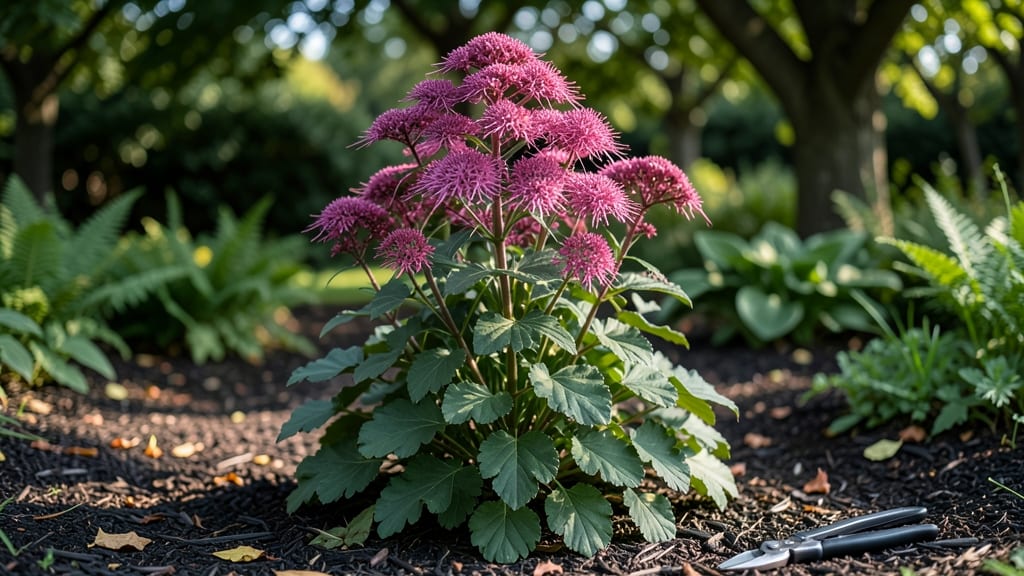
Tall shade perennials in Zone 5 don’t just survive—they create lush, green privacy screens that outperform sun-loving plants. 🌿 I’ve designed my backyard’s shady corners with these cold-hardy giants, and the difference is striking: no yellowing leaves, no weak stems, just reliable height and texture year after year.
The key is choosing the right species that thrive in 3-6 hours of dappled light and can handle Zone 5 winters without flinching.
These plants deliver 6-10 feet of vertical drama without the fuss of annuals or the high maintenance of tropicals. Think Astilbe with feathery plumes in pink or white, Cimicifuga (bugbane) with dramatic spikes of white flowers, or Hosta varieties like ‘Blue Angel’ that reach 3 feet tall with striking foliage.
They’re perfect for screening unsightly views, adding depth to borders, or creating a natural backdrop for smaller perennials.
What you’ll love most is how they transform a shady spot into a textured, layered garden that feels intentional, not neglected. Pair them with Fern allies like Ostrich Fern or Japanese Painted Fern for contrast, and you’ve got a shade garden that’s both functional and stunning.
The best part? These perennials come back stronger every spring, so once planted, they’re practically set-and-forget.
Zone 5’s biggest challenge is winter dieback, but these perennials handle it gracefully—just cut back dead foliage in early spring and watch them rebound. For best results, amend heavy clay soil with compost before planting, and space them 3-5 feet apart to give their roots room to establish.
With the right choices, your shady spots will become the garden’s star attraction.
📚 In This Guide
- What you need
- Instructions
- Tips and common mistakes
- Wrapping up and next steps
What you need
- ● Tall shade-tolerant perennials (Zone 5 hardy): 1–3 plants of Astilbe (e.g., 'Fanal' or 'Deutschland') – 12–36" tall
- ● 1–2 plants of Hosta (e.g., 'Blue Angel' or 'Halcyon') – 24–36" tall
- ● 1–3 plants of Cimicifuga racemosa (Bugbane) – 4–6' tall
- ● 1–2 plants of Actaea simplex (Baneberry) – 3–5' tall
- ● 1–3 plants of Hydrangea macrophylla (Bigleaf Hydrangea) – 3–5' tall
- ● Soil amendments: 5–10 lbs of compost (per plant)
- ● 2–3 lbs of peat moss or coconut coir (for moisture retention)
- ● Tools: 1 garden trowel or spade
- ● 1 pruners (bypass for clean cuts)
- ● 1 garden hose with spray nozzle or watering can
- ● 1 mulch (3–4" layer of shredded bark or leaves)
- ● Slow-release fertilizer: 1–2 lbs of 10-10-10 or organic pelletized fertilizer (spring/fall)
- ● Support structures: 1–2 bamboo stakes or garden rings (for taller perennials like Bugbane)
- ● Drip irrigation system: For automated watering in dry spells
- ● Garden gloves: To protect hands during planting/pruning
- ● Soil pH test kit: To check acidity (ideal: 5.5–6.5 for most shade perennials)
Step-by-Step guide for planting tall shade perennials in Zone 5
Here's how to create a lush, cold-hardy privacy screen that thrives in shady spots—no sun required!
🌱 Step 1: Select the Right Plants for Zone 5 Shade
Choose 4 tall shade-tolerant perennials that thrive in Zone 5's 20-30°F winters and partial to full shade. My go-to selections are Astilbe (3-5 feet tall), Japanese painted fern (2-3 feet), Cimicifuga (bugbane) (4-6 feet), and Hosta (1-3 feet, depending on variety). These plants handle dappled sunlight and deep shade beautifully while providing year-round interest.
Look for cold-hardy varieties labeled for Zone 5—some hostas and astilbes are bred specifically for colder climates. I always check the USDA hardiness zone on the plant tag before purchasing. Planting in groups of 3-5 creates a natural, dense screen that blocks unsightly views while requiring minimal maintenance.
🪴 Step 2: Prepare the Planting Site for Moisture Retention
Tall shade perennials need well-draining but consistently moist soil—they won’t tolerate soggy roots, but they also won’t thrive in dry conditions. Test your soil by digging a 6-inch hole—if water pools or drains in under 10 minutes, amend with 2 inches of compost mixed into the top 12 inches of soil. For clay soil, blend in sand or perlite to improve aeration.
Since shade reduces evaporation, I mulch heavily with 3 inches of shredded bark or leaf mold right after planting. This keeps roots cool in summer and insulated in winter. Space plants 18-24 inches apart in rows 2-3 feet apart to allow airflow and future growth. Mark planting spots with stakes or spray paint before digging to avoid misalignment.
☀️ Step 3: Plant for Year-Round Structure and Texture
Dig holes twice as wide as the root ball but only as deep as the container—planting too deep suffocates roots. Gently remove the plant from its pot and loosen any circling roots with your fingers. Place the root ball in the hole, backfill with native soil, and water deeply to settle everything. The top of the root ball should sit just below soil level—never buried.
Arrange plants in layers by height: tallest (like bugbane) at the back, mid-height (astilbe) in the middle, and shorter (hosta or fern) in front. This creates a natural tiered effect that softens views year-round. After planting, add 1-2 inches of mulch around each plant, keeping it 2 inches away from stems to prevent rot.
💧 Step 4: Water and Fertilize for First-Year Establishment
Water deeply 2-3 times per week for the first 4-6 weeks to encourage strong root growth. You’ll know you’re doing it right when the top 2 inches of soil feel moist but not waterlogged. Overwatering in shade leads to root rot, while underwatering causes wilting or yellowing leaves. After establishment, these perennials handle natural rainfall well but appreciate weekly deep watering during dry spells.
Feed with a balanced, slow-release fertilizer (like 10-10-10) at half-strength in early spring and again after flowering. Avoid high-nitrogen fertilizers—they promote leafy growth at the expense of flowering and cold hardiness. I also top-dress with compost in fall to build soil fertility for next year.
✂️ Step 5: Prune and Maintain for Long-Term Privacy
Cut back dead or damaged foliage in early spring before new growth emerges. For Astilbe and Japanese painted fern, trim spent flower stalks to the ground in late fall—this prevents disease and keeps plants tidy. Bugbane can be pruned back by half in early spring to encourage bushier growth, but leave Hosta leaves until they yellow naturally in late fall for winter interest.
Monitor for pests like slugs or aphids—shade gardens attract them. I use beer traps or diatomaceous earth for slugs and neem oil for aphids. Every 2-3 years, divide crowded hostas or astilbes in early spring to rejuvenate growth. This ensures your privacy screen stays dense and vibrant without thinning over time.
Tips & tricks for cold-hardy shade perennials in Zone 5
These game-changing strategies will help your shade garden thrive year-round without the guesswork.
Plant Selection Wisdom: When choosing your 4 shade-tolerant perennials, prioritize plants with fuzzy or hairy leaves—like Japanese painted fern—as they naturally repel pests that thrive in shady conditions. For winter interest, select Hosta varieties with blue-green foliage; these stand out beautifully against snow. I've found that Astilbe 'Fanal' (with its deep red plumes) adds dramatic color when placed near white variegated hostas—the contrast creates visual impact even in low light.
Soil Prep Secret: The 10-minute drainage test in Step 2 is your best friend—if water disappears too quickly, you're dealing with sandy soil that won't retain moisture long enough. In this case, mix in 2 parts compost to 1 part peat moss instead of just compost. For clay-heavy soil, I've had success adding coarse vermiculite (not perlite) because it breaks down more slowly and maintains structure better over time. Remember, these plants need moisture but hate soggy roots!
Layering Technique: When arranging your 3-tiered planting scheme in Step 3, think vertically first. Place your tallest plants (bugbane) against any existing structures like fences or walls—their height will create instant privacy. Then work forward with Astilbe (3-4 feet) and Japanese painted fern (2-3 feet) to build density. The Hosta layer should be the most textured—mix leaf sizes and colors here for visual interest. Pro tip: Leave 12-inch gaps between the front row and any walkways to prevent trampling.
Winter Care Strategy: After the first 20-30°F freeze, apply a 4-inch layer of straw mulch over your hostas and ferns—this insulates roots better than bark mulch in winter. For Astilbe and bugbane, simply leave their dead stems standing through winter; they provide habitat for beneficial insects and look surprisingly attractive dusted with snow. In early spring, I always rake away any accumulated leaves from the crowns to prevent rot before new growth emerges.
Pro Tips for Tall Shade Perennials Zone 5
- These game-changing strategies will help your shade garden thrive year-round without the guesswork.
- Plant Selection Wisdom: When choosing your 4 shade-tolerant perennials, prioritize plants with fuzzy or hairy leaves—like Japanese painted fern—as they naturally repel pests that thrive in shady conditions.
- Soil Prep Secret: The 10-minute drainage test in Step 2 is your best friend—if water disappears too quickly, you're dealing with sandy soil that won't retain moisture long enough.
Frequently asked questions
Got questions about adding tall shade perennials to your Zone 5 garden? You’re not alone! Here are answers to the most common concerns—so you can plant with confidence and enjoy lush, low-maintenance privacy all season long.
What are the fastest-growing tall shade perennials for Zone 5?
If you’re craving quick results, opt for Giant Hellebore (Helleborus foetidus) or Japanese Painted Fern (Athyrium), which grow 1–2 feet per year. For dramatic height faster, try Queen of the Prairie (Filipendula rubra)—it can reach 6+ feet in just one season! Just be patient; shade perennials prioritize roots over rapid growth.
Do tall shade perennials survive Zone 5 winters without extra protection?
Most cold-hardy picks like Bugbane (Actaea simplex) or Culver’s Root (Veronicastrum virginicum) thrive in Zone 5 winters with no mulch or wrapping needed. A 2–3 inch layer of organic mulch (like shredded leaves) in late fall can boost survival for newer plants. Avoid heavy snow loads by staking taller varieties like Joe Pye Weed (Eutrochium).
Can I plant tall shade perennials in full shade (no direct sunlight)?
Many of these plants—such as Solomon’s Seal (Polygonatum) or Lungwort (Pulmonaria)—thrive in full to partial shade (2–6 hours of light daily). For deeper shade (like under trees), choose Hostas or Astilbes, which tolerate dappled light. Just avoid spots where roots compete with tree systems for water.
How do I replace tall shade perennials that die back or flop over?
Flopping? It’s often a sign of overcrowding or weak stems. Divide clumping plants like Hosta every 3–4 years in early spring. For leggy stems (e.g., Culver’s Root), cut back dead foliage in late winter and fertilize lightly. If a plant declines, check for slugs or fungus—treat with diatomaceous earth or fungicide if needed.
Are there any tall shade perennials that also provide wildlife benefits?
Yes! Plant Joe Pye Weed or Buttonbush (Cephalanthus occidentalis) to attract butterflies and bees. Milkweed (Asclepias) (if it gets 4+ hours of light) supports monarchs, while Culver’s Root blooms feed hummingbirds. Even Astilbe draws pollinators with its feathery plumes. Just avoid pesticides to keep ecosystems thriving!
Wrapping up and next steps
Transforming your shady Zone 5 garden into a lush, private retreat is totally within reach! With the right tall shade perennials, you can create a thriving oasis that’s both functional and stunning—without needing full sun.
From the bold heights of Joe Pye weed to the delicate charm of Astilbe, these cold-hardy plants bring structure, texture, and seasonal interest to even the darkest corners of your yard. 🌿
Ready to take the next step? Start small by planting a few of these perennials in a mixed border or along a fence line. Sketch a simple layout—maybe a focal point with Culver’s root surrounded by Hosta for contrast—and watch your shade garden come to life over time.
Happy gardening! 🌱