
Light Requirements
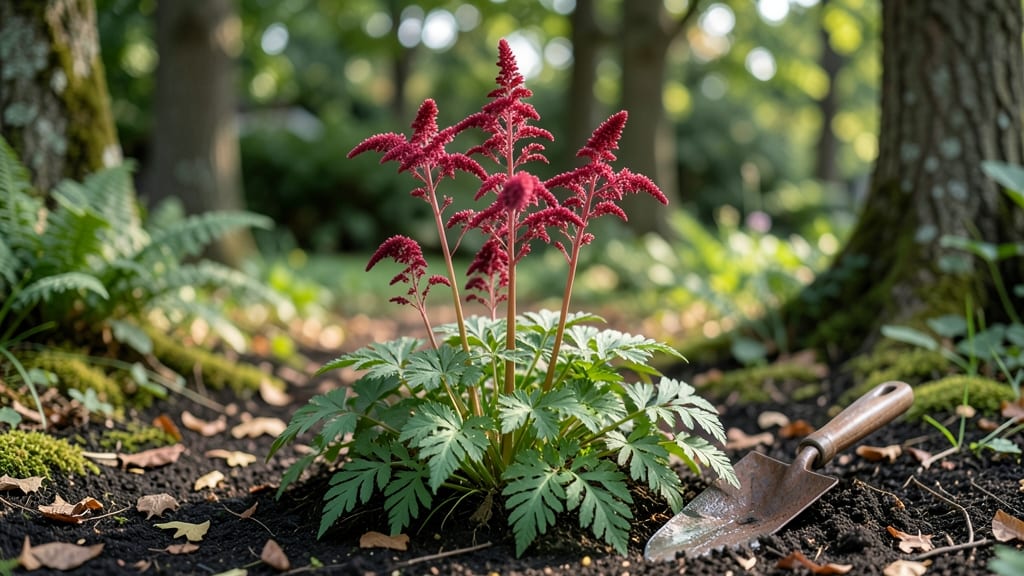
Part-shade perennials for Zone 5 are the unsung heroes of any garden—they bring lush color and texture without demanding full sun. 🌿 Last spring, I transformed a shady corner of my yard that had been struggling with bare soil and weak annuals into a thriving perennial bed using just a handful of these cold-hardy plants.
The key is choosing varieties that handle Zone 5's hot summers and cold winters while still looking stunning year after year.
These plants thrive in 3-6 hours of morning or dappled sunlight, making them perfect for spots under trees, along north-facing walls, or in woodland gardens.
Most need moderately moist, well-draining soil—think rich compost mixed into native soil—and once established, they're drought-tolerant enough to handle Zone 5's dry spells. My favorites include hostas for their bold foliage, asters for late-season blooms, and heucheras that add vibrant color even in winter.
By late summer, you'll have a garden that stays vibrant from May through October with minimal effort—no wilting, no fading, just steady beauty. The secret is layering plants with different heights and textures: tall asters behind mid-height hostas with trailing ferns at the front.
These combos create depth and interest while keeping maintenance simple.
Zone 5's first frost signals the perfect time to cut back dead foliage, but many of these perennials have winter interest—whether it's hosta leaves turning papery or heuchera stems adding texture to snow.
For next spring, just add a 2-inch layer of mulch to protect roots and keep weeds at bay. These plants will reward you for years with foolproof beauty that outshines sun-loving varieties in shady spots.
📚 In This Guide
- What you need
- Instructions
- Tips and common mistakes
- Wrapping up and next steps
What you need
- ● Part-shade perennials (Zone 5-hardy): 5–10 plants per section (e.g., Hostas, Astilbes, Hellebores, Ferns, or Lungwort).
- ● High-quality potting soil or compost: 2–3 bags (sterilized, well-draining blend).
- ● Organic mulch: 1–2 bags (cedar or hardwood for moisture retention).
- ● Slow-release fertilizer (10-10-10 or balanced): 1 bag (follow label for dosage).
- ● Garden trowel or shovel: 1 (for planting and soil prep).
- ● Pruners (bypass or anvil): 1 pair (sterilized with rubbing alcohol).
- ● Garden gloves: 1 pair (nitrile-coated for grip).
- ● Watering can or hose with adjustable nozzle: 1 (for gentle watering).
- ● Measuring tape or ruler: 1 (to space plants 12–24" apart).
- ● Location assessment: Confirm 3–6 hours of dappled sunlight (morning sun + afternoon shade).
- ○ Soil test (optional but helpful): Check pH (ideal: 6.0–7.0 for most perennials).
- ● Weather check: Plant in spring (after last frost) or early fall for best root establishment.
- ● Epsom salt: 1 small bag (for magnesium boost, especially for Hostas).
- ● Garden stakes or labels: 10–20 (for tracking varieties).
- ● Landscape fabric: 1 roll (to suppress weeds in borders).
- ● Decorative rocks or bark mulch: 1 bag (for aesthetics + moisture control).
Step-by-Step guide to planting part-shade perennials in Zone 5
Here's how to create a thriving shade garden that blooms reliably through Zone 5 winters.
🌱 Step 1: Prepare the Planting Site
Choose a location that receives 3-6 hours of morning sun but afternoon shade—this mimics the dappled light of woodland edges. Clear the area of weeds and loosen the soil to a depth of 12 inches with a broadfork or tiller. Zone 5 soils often compact easily, so add 2-3 inches of compost to improve drainage and fertility.
Test the soil pH if possible—most part-shade perennials prefer a neutral range of 6.0-7.0. If your soil tests acidic, blend in 1 cup of lime per 10 square feet and mix it thoroughly. Avoid fresh manure, which can burn tender roots. The goal is loose, crumbly soil that holds moisture without becoming soggy.
🌿 Step 2: Select and Plant Cold-Hardy Perennials
For Zone 5, focus on proven performers like Hosta, Astilbe, Heuchera, Bleeding Heart, and Japanese Painted Fern. Plant in early spring or fall when temperatures are mild—this gives roots time to establish before summer heat or winter cold. Dig holes twice as wide as the root ball but only as deep.
Place each plant so the top of the root ball sits 1 inch above soil level. This prevents rot from sitting water. Backfill with native soil mixed with 1 part compost to encourage root spread. Water deeply to settle the soil and eliminate air pockets. You'll know it's right when water drains evenly without pooling.
☀️ Step 3: Mulch and Protect Through First Winter
Spread 3 inches of organic mulch (like shredded bark or leaves) around each plant, keeping it 2 inches away from stems to prevent rot. This insulates roots from temperature swings and retains moisture. In late fall, add an extra 1-2 inches of mulch before the ground freezes—this creates a protective barrier against harsh Zone 5 winters.
Water deeply once a month during winter if there's no snow cover. Dormant plants need less moisture, but dry spells can stress roots. Look for cracked mulch or exposed soil as signs to water. By spring, your perennials will emerge with strong growth, ready to thrive in their shaded haven.
✂️ Step 4: Maintain Through the Growing Season
Remove spent blooms regularly to encourage continuous flowering—this is called deadheading. For foliage plants like Heuchera, simply trim any yellowed or damaged leaves with clean pruners. Divide clumps every 3-4 years in early spring or fall to prevent overcrowding. Dig up entire plants, separate the root balls with a knife, and replant the healthiest sections.
Fertilize lightly in early spring with a balanced 10-10-10 formula (1 tablespoon per plant). Too much nitrogen promotes leafy growth at the expense of flowers. Watch for yellowing leaves or stunted growth—these often signal over-fertilization. A well-maintained part-shade garden should require minimal intervention once established.
Tips & tricks for perfect part-shade perennial gardens in Zone 5
Creating a thriving shade garden in Zone 5 takes a few strategic moves that make all the difference between a struggling patch and a lush, resilient landscape.
Lighting Strategy: The 3-6 hours of morning sun mentioned in Step 1 is crucial—this mimics natural woodland conditions where dappled light filters through canopies. If your site gets less than 3 hours of morning sun, consider adding a tall tree nearby to create that perfect filtered light environment. Just avoid planting under evergreens, which can create too much shade and compact the soil over time.
Soil Preparation Insight: When loosening the soil to 12 inches in Step 1, don't rush this process. Take your time to break up any compacted layers, especially in Zone 5 where clay soils are common. I like to use a garden fork to gently pry apart the soil rather than tilling aggressively, which can disrupt soil structure. This careful approach helps maintain the soil's natural microbial communities that are essential for healthy root growth.
Planting Depth Technique: That 1-inch elevation above soil level for root balls in Step 2 is often overlooked, but it's critical for preventing rot. Here's a pro tip: After planting, press the soil gently around the base but avoid compacting it. You can even create a slight depression around the plant to help direct water away from the stem. This small detail prevents waterlogging that can lead to fungal issues in our damp Zone 5 springs.
Winter Protection Secret: The late fall mulch addition of 1-2 extra inches is your best defense against Zone 5's harsh winters. For extra insurance, I like to add a layer of evergreen boughs over the mulch for plants like Bleeding Heart, which particularly appreciate this added protection. Remove the boughs in early spring once new growth appears, but leave the mulch in place until temperatures consistently stay above freezing.
Pro Tips for Part Shade Perennials Zone 5
- Creating a thriving shade garden in Zone 5 takes a few strategic moves that make all the difference between a struggling patch and a lush, resilient landscape.
- Lighting Strategy: The 3-6 hours of morning sun mentioned in Step 1 is crucial—this mimics natural woodland conditions where dappled light filters through canopies.
- Soil Preparation Insight: When loosening the soil to 12 inches in Step 1, don't rush this process.
Frequently asked questions
What’s the best time to plant part-shade perennials in Zone 5?
Plant in early spring (April–May) or early fall (September–October) for optimal root establishment. Avoid extreme heat or frost. Spring planting gives roots time to settle before winter, while fall offers cooler temps and reduced stress. Pro tip: Water deeply after planting to encourage root growth!
Can part-shade perennials survive full shade in Zone 5?
Most won’t thrive in full shade (less than 2–3 hours of light), but some like Hosta or Astilbe tolerate it. For full shade, opt for shade-loving perennials like Ferns or Hepatica. Test your spot with a light meter or observe sunlight patterns before choosing plants.
How do I protect part-shade perennials from Zone 5 winters?
Hardy Zone 5 perennials are cold-resistant, but mulch with 2–3 inches of shredded leaves or straw in late fall to insulate roots. Cut back dead foliage in early spring (after frost risk passes). Avoid heavy mulch near stems to prevent rot. Bonus: Evergreens like Hellebore add winter interest!
What’s a low-maintenance part-shade perennial for beginners?
Try Coral Bells (Heuchera) or Lungwort (Pulmonaria)—both are drought-tolerant, deer-resistant, and bloom early. Hostas are another easy pick, though slugs may be a pest. Plant in well-draining soil and water occasionally to keep them happy with minimal fuss.
How do I keep pests away from my part-shade perennials?
Slugs and snails love Hostas and Astilbe. Set up beer traps or use organic slug bait (copper tape, diatomaceous earth). For aphids, spray with soapy water or introduce ladybugs. Healthy soil and proper spacing reduce stress, making plants less vulnerable to pests.
Can I move established part-shade perennials in Zone 5?
Yes! Early spring or fall is ideal. Dig up clumps, divide roots, and replant immediately. Water thoroughly and mulch to retain moisture. Avoid moving in summer heat—plants may struggle to recover. Pro tip: Label new plantings to track growth and care needs!
Wrapping up and next steps
Transforming your Zone 5 garden into a vibrant, low-maintenance sanctuary is easier than you think! 🌿 With the right part-shade perennials, you can enjoy year-round color and texture—even in cooler climates. These cold-hardy plants not only survive but thrive with minimal sunlight, making them perfect for shady spots.
Ready to get started? Pick one or two plants from our list, amend your soil, and watch your garden flourish! Whether you’re a beginner or a seasoned gardener, every small step counts—so grab your gloves and dive in!