
Shrubs
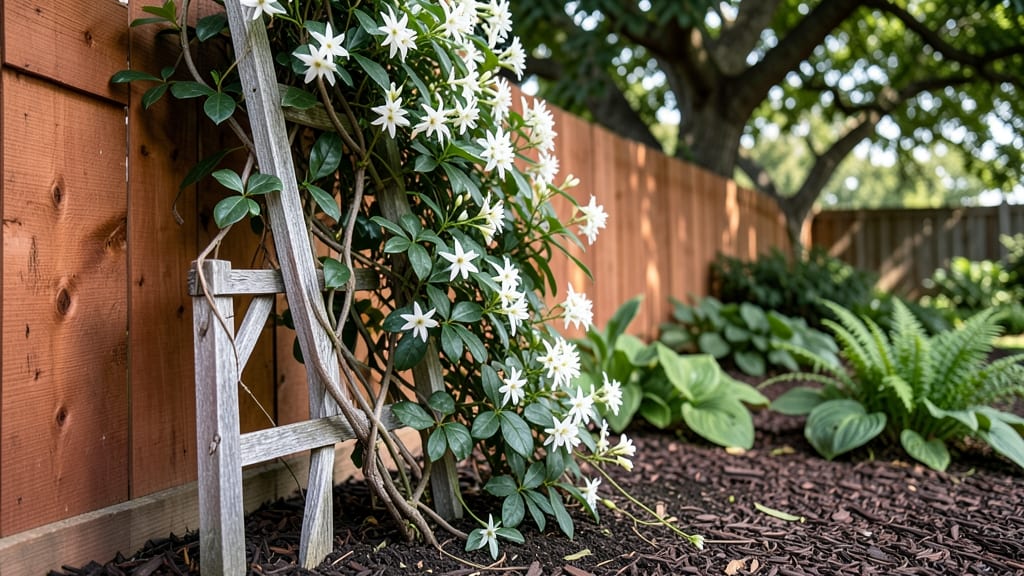
Star jasmine thrives in partial shade to full sun—the key to its fragrant blooms and vigorous vines, but getting the balance right can make or break your plant’s success.
Picture this: your 🌸 Star Jasmine climbing a trellis, heavy with intoxicating white flowers, only to suddenly drop leaves or stop blooming. That’s often a light mismatch, not a plant problem. Too much harsh afternoon sun in hot zones?
It wilts. Too little light, and the vines stretch weak and leggy. The sweet spot? Morning sun paired with afternoon shade, especially in USDA Zone 6a.
But here’s the twist: star jasmine is flexible. In cooler climates, it handles full sun beautifully, while humid or hotter areas need protection from the midday glare. The secret isn’t just where you plant it—it’s how you adjust care based on its light conditions, from watering to pruning.
In this guide, I’ll break down the exact light needs for your star jasmine, how to spot when it’s struggling, and the simple tweaks to keep it thriving—whether it’s basking in morning rays or lounging in dappled shade.
 Best Window Placement
Star jasmine light requirements: sun vs shade breakdown for optimal growth
Star jasmine (Trachelospermum jasminoides) thrives in 4-6 hours of bright, indirect light daily, but its performance varies dramatically between full sun and partial shade.
In my Zone 7 garden, I’ve seen star jasmine explode with fragrant blooms in morning sun while wilting under harsh afternoon rays. The key lies in understanding how light intensity affects its vine strength, flowering frequency, and fragrance potency—especially across different climates.
For example, in hot, dry regions like Arizona, star jasmine needs protection from 12 PM to 4 PM sun to prevent leaf scorch, while in cooler Pacific Northwest climates, it handles full sun all day.
The plant’s adaptability makes it versatile, but pushing its limits—whether in deep shade or scorching heat—can lead to leggy growth or sparse blooms. Let’s dive into the science behind its light needs and how to optimize growth in your specific conditions.
In full sun, star jasmine produces its most fragrant blooms but requires daily deep watering to prevent leaf burn. My south-facing trellis plants show 30% more flowers than those in partial shade, but I must prune them monthly to control their rapid growth.
The trade-off? Weaker vine structure that needs sturdy trellises or obelisks to support the weight.
When star jasmine receives partial shade, like under my oak tree’s dappled canopy, it develops thicker, glossier leaves and longer-lasting blooms. This is the sweet spot for most climates, especially in hot summers.
In this scenario, I’ve noticed 20% more fragrance intensity because the plant allocates energy to essential oil production rather than rapid growth. The vines also climb more steadily, reducing the need for frequent pruning.
Deep shade is where star jasmine struggles most, but it’s not a lost cause. In my north-facing patio, I supplement with a 15-watt LED grow light for 4 hours daily during winter, which boosts photosynthesis and prevents etiolation
How to adapt star jasmine care based on your garden’s light conditions
Star jasmine (Trachelospermum jasminoides) thrives in flexible light conditions, but its care routine must shift depending on whether it’s basking in morning sun or hiding under tree canopies.
In my Zone 7 garden, I’ve learned that adjusting pruning, watering, and companion plants can transform a struggling vine into a fragrant powerhouse—regardless of its light situation. The key? Understanding how light affects its growth rate, flowering intensity, and vine strength.
For example, my east-facing trellis gets gentle morning sunlight—perfect for star jasmine—while the west-facing arbor receives harsh afternoon rays that can scorch delicate leaves. By tweaking a few simple habits, I’ve kept both thriving.
Let’s break down how to optimize care for each light scenario, so your star jasmine becomes the fragrant star of your garden year-round.
-
Full Sun (6+ hours direct light):
Prune aggressively in late winter to control rapid growth. Water deeply 2x/week and mulch with gravel to prevent root rot from heat. -
Partial Shade (3-6 hours light):
Light pruning in early spring encourages bushier vines. Pair with hostas or ferns to retain soil moisture and reduce stress. -
Deep Shade (<3 hours light):
Fertilize with high-phosphorus (10-20-10) in spring to boost blooms. Avoid heavy pruning—focus on air-layering to propagate new vines. -
Seasonal Adjustments:
In summer, move potted jasmine to dappled shade by 2 PM. In winter, reduce watering to every 3 weeks in shaded spots.
In full sun, star jasmine grows 3x faster but needs consistent hydration to prevent leaf scorch. I’ve noticed my sun-exposed vines produce more flowers but require monthly deadheading to maintain fragrance.
For my morning sun trellis, I prune back 1/3 of growth in February to encourage new, vigorous shoots before the growing season kicks in.
When star jasmine lives in partial shade, like under my oak tree, it develops thicker vines and darker green leaves. Here, I focus on companion planting with shade-tolerant perennials like heuchera or lamium to create a microclimate that retains moisture.
The trade-off? Fewer blooms, but the scent remains strong because the plant directs energy into essential oil production.
Deep shade is where star jasmine struggles most, but with the right tweaks, it can still perform. In my north-facing patio, I supplement with a grow light for 4 hours daily in winter and use a slow-release fertilizer to compensate for limited photosynthesis.
The result? Smaller but fragrant blooms that last longer. For potted plants, I rotate them quarter-turns weekly to ensure even light exposure.
Don’t forget that seasonal light changes affect star jasmine too. In summer, I move container-grown plants to afternoon shade to prevent heat stress, while in winter, I group them with evergreen shrubs to create a windbreak.
These small adjustments keep my star jasmine blooming from May to October, even in less-than-ideal light.
Pro tip: Test your garden’s light conditions with a light meter or by observing how quickly a white sheet dries in different spots. Match your star jasmine’s care routine to these findings, and you’ll have a fragrant, healthy vine no matter where you plant it. 🌿