
Light Requirements
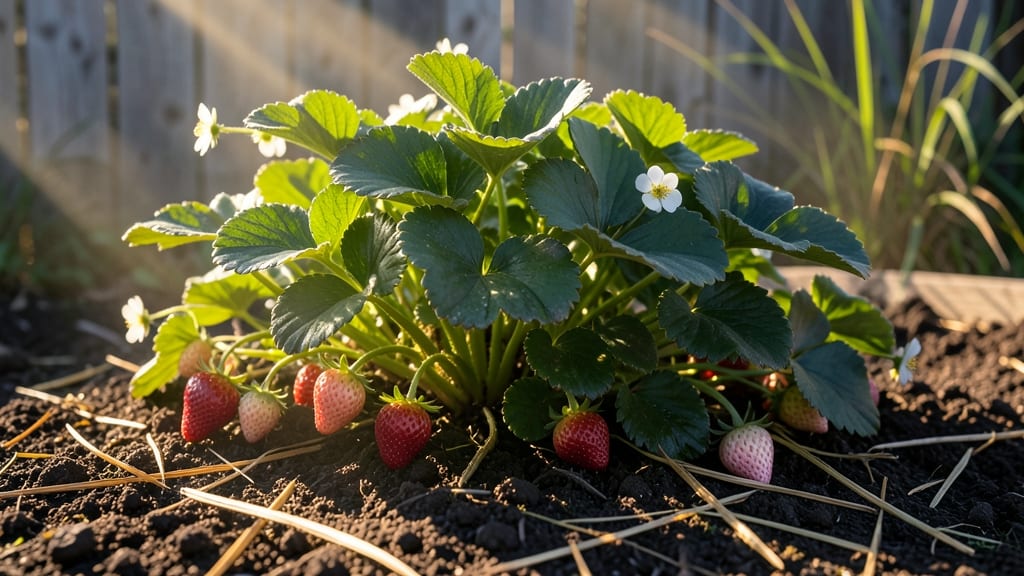
Do strawberries need sun or shade—at least six hours of the right kind—to thrive, but too much scorching heat can ruin them, so finding the balance is key for a sweet harvest.
Here’s the catch: most gardeners either smother their 🍓 plants in blazing afternoon sun or tuck them away in too much shade, both of which lead to weak growth or bitter fruit. The trick isn’t just about sunlight—it’s about timing and climate.
In hot regions like Zone 6a, afternoon shade can save your berries from wilting, while cooler areas might need full sun to ripen properly. Below, I’ll break down exactly how to position your strawberries for maximum yield, whether you’re planting in beds or containers.
You’ll learn how to spot sunburn or shade stress, when partial shade actually helps, and simple adjustments to keep your plants happy all season long.
 Best Window Placement
Optimal sunlight requirements for strawberries: how much light do they really need?
Strawberries thrive in full sun, but their exact needs vary by variety. Most gardeners assume they need constant sunlight, but over-exposure can cause sunburn and reduce fruit quality. Understanding the differences between June-bearing, everbearing, and day-neutral varieties helps tailor your garden setup for maximum yields.
Photosynthesis efficiency peaks when strawberries receive 6-10 hours of direct sunlight daily. This range ensures enough energy for fruit development while preventing leaf scorch. The key is balancing light exposure with temperature regulation, especially in hot climates where afternoon shade becomes crucial.
Here’s how each strawberry type responds to sunlight—critical for planning your garden layout:
| Variety | Ideal Sunlight Hours | Shade Tolerance | Best For |
|---|---|---|---|
| June-bearing | 8-10 hours | Low (needs full sun) | Cool climates, large harvests |
| Everbearing | 6-8 hours | Moderate (tolerates partial shade) | Extended harvests, warmer zones |
| Day-neutral | 6-10 hours | High (adapts to shade) | Containers, urban gardens |
To measure sunlight exposure in your garden, use a sunlight tracker or observe your space for a week. Note when direct rays hit your potential strawberry beds—south-facing areas typically get the most light.
If your garden lacks full sun, consider reflective surfaces like white walls or gravel to maximize light penetration for 6+ hours daily.
In hot climates, afternoon shade (e.g., using shade cloth) prevents leaf scorch while still allowing morning sun for photosynthesis. This balance is especially critical for June-bearing varieties, which demand peak light for their single annual harvest window.
For container gardening, place pots on south-facing balconies or use rotating stands to ensure even light exposure. Day-neutral varieties handle containers best due to their flexible light requirements, making them ideal for urban gardeners with limited space.
Soil temperature also impacts sunlight needs—strawberries prefer 60-75°F soil. In cooler climates, black plastic mulch absorbs heat, while in hot areas, straw mulch keeps roots cool. This dual strategy ensures optimal photosynthesis even when sunlight hours are fixed.
Test your garden’s light conditions by planting a test row of strawberries in the shadiest and sunniest spots. Compare growth after 4 weeks—vigorous leaves and plump runners indicate ideal light, while yellowing or curled leaves signal imbalance.
Remember, strawberries are perennials, so long-term light exposure matters. If your garden’s sunlight changes seasonally (e.g., winter shade from deciduous trees), plan for rotating crops or supplement with grow lights during low-light months.
Signs your strawberries are getting too much sun or not enough: what to watch for
Strawberries thrive in 6-10 hours of sunlight daily, but their leaves tell a clear story when they're struggling. Too much sun causes sunburn symptoms like crispy, brown edges or white patches, while too little shade leads to pale, weak growth and fewer fruits.
Learning to read these signs helps you adjust care before problems worsen.
In summer, intense afternoon sun often scalds leaves, especially in hot climates. I've seen strawberry plants develop white, papery patches on upper leaves within days of peak exposure. These areas eventually turn brown and crispy, reducing the plant's ability to photosynthesize efficiently.
⚠️ callout warning ⚠️
⚠️ Sunburn vs. Shade Stress: Quick Fixes
Too Much Sun: Leaves develop brown, crispy edges or white patches (sunburn). Fix: Provide afternoon shade with shade cloth (30-50% coverage) during peak hours (12 PM - 4 PM).
Too Little Sun: Leaves are pale green/yellow and stems are weak and leggy. Fix: Move plants to full sun spots or supplement with grow lights (12+ hours/day).
On the opposite end, shade stress shows up as pale yellow leaves and stretched-out stems reaching for light. I once had a container strawberry plant in a north-facing patio that produced tiny, bland berries because it simply couldn't get enough light.
The leaves lost their deep green color and looked almost washed out.
Seasonal adjustments matter too. In winter or early spring, strawberries tolerate partial shade (3-4 hours of sun) better than summer heat. However, once temperatures rise above 75°F (24°C), even morning shade helps prevent heat stress.
I always monitor my plants during heatwaves and provide temporary shade if leaves start curling.
For container-grown strawberries, watch for uneven sun exposure—one side might get full sun while the other stays shaded. Rotate pots quarter-turns weekly to ensure even growth. I also recommend using lightweight shade cloths that you can drape over containers during afternoon sun.
Remember, healthy strawberry plants have deep green, glossy leaves and strong, upright stems. If you spot any of these warning signs, act quickly—adjusting shade or sunlight can often save your plants and still give you a great harvest. 🍓