
Shrubs
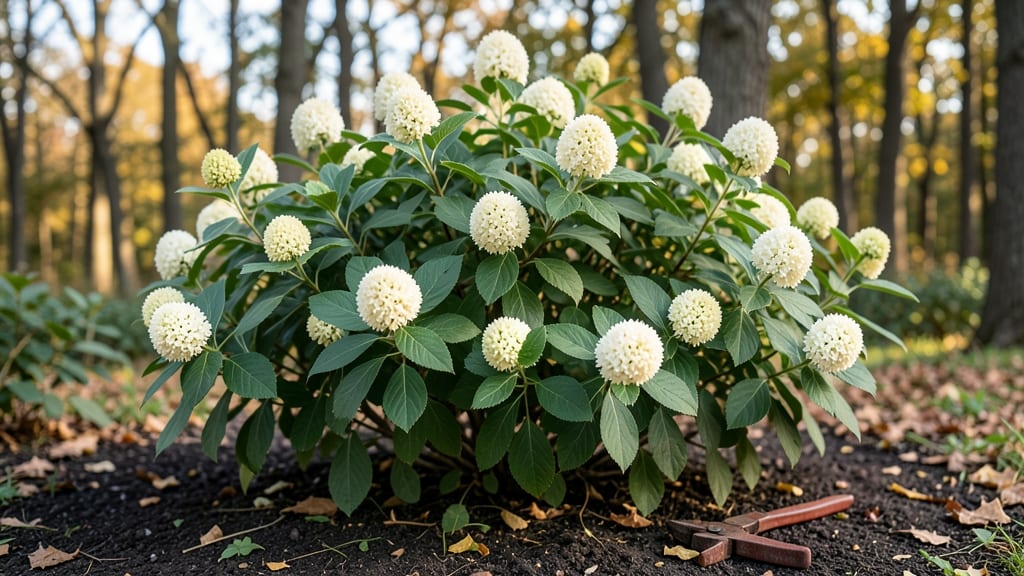
Growing a snowball viburnum 🌸 in sun or shade isn’t just possible—it’s the secret to a shrub that blooms reliably and stays lush year after year.
Picture this: a 6-foot-tall shrub bursting with white blossoms in spring, its leaves turning fiery red in fall, and all without fuss. The key? Understanding how much sun or shade your snowball viburnum actually craves—and how to tweak its care for the best results.
Too much sun can scorch its leaves, while too little shade might stunt its growth or reduce those showstopping flowers. But with the right balance, this hardy shrub becomes the backbone of your garden, thriving in zones 6a and beyond.
In this guide, I’ll walk you through the ideal light conditions, soil tricks, and seasonal care to keep your snowball viburnum looking its best—whether it’s basking in morning sun or lounging in dappled shade.
 Best Window Placement
Optimal sunlight conditions for snowball viburnum growth and blooming
The snowball viburnum (Viburnum opulus) is one of the most adaptable shrubs for gardeners, thriving in both full sun and partial shade. However, its growth rate, bloom abundance, and seasonal performance vary dramatically based on light exposure.
Understanding these differences will help you create the perfect conditions for year-round beauty in your landscape.
In full sun (6+ hours/day), snowball viburnum produces its most vigorous growth and prolific blooms, but it may struggle in hot climates without afternoon shade. Meanwhile, partial shade (3-6 hours/day) protects the plant from stress while still supporting healthy foliage and moderate flowering.
Let’s break down how each light condition affects your shrub’s performance.
| Light Condition | Growth Rate | Bloom Abundance | Foliage Color | Heat Tolerance |
|---|---|---|---|---|
| Full Sun (6+ hours) | ⚡ Fastest (12-18" per year) | 🌸 Very abundant (June-July) | Green (less vibrant fall color) | ❄️ Moderate (needs afternoon shade in Zone 7+) |
| Partial Shade (3-6 hours) | 🐢 Moderate (10-15" per year) | 🌺 Abundant (slightly smaller clusters) | 🍂 Deep red/purple fall color | ❄️ High (ideal for hot climates) |
| Full Shade (<3 hours) | 🐢 Slow (6-10" per year) | 🌸 Sparse (smaller, fewer blooms) | Pale green (minimal fall color) | ❄️ Low (prone to fungal issues) |
When placing your snowball viburnum, prioritize locations with morning sun and afternoon shade—this balance maximizes blooms while preventing leaf scorch. In cooler climates (Zones 3-5), full sun works beautifully, but in Zones 6-9, afternoon shade becomes critical to maintain plant health.
For optimal flowering, aim for 5-6 hours of direct sunlight daily. The plant’s photosynthetic efficiency peaks at this threshold, producing the energy needed for those iconic white snowball blooms.
However, if your garden only offers partial shade, don’t worry—your shrub will still thrive, just with slightly smaller flower clusters.
In full sun conditions, expect faster growth and taller stems, but be prepared for increased watering needs (1-2 inches per week). Mulching with organic matter helps retain moisture and regulates soil temperature, reducing stress on the roots during hot afternoons.
Conversely, partial shade environments encourage denser foliage and brighter fall colors. The trade-off is slower growth, but this can be advantageous in small gardens where you want to control the shrub’s size. Varieties like 'Roseum' and 'Compactum' perform exceptionally well in these conditions.
If you notice leaf scorch or wilting in full sun, it’s a clear sign your plant needs more shade. Conversely, leggy growth or sparse blooms in shade suggest it’s time to move the shrub to a sunnier spot.
Regularly monitor your snowball viburnum’s response to its light environment and adjust as needed.
Pro tip: Use dappled sunlight (filtering through trees) to create an ideal microclimate. This mimics the plant’s natural understory habitat while still providing enough light for healthy growth. Pair your snowball viburnum with ornamental grasses or hostas to create a layered, low-maintenance garden bed.
Remember, snowball viburnum is adaptable, but its performance depends heavily on light. By choosing the right balance for your climate, you’ll enjoy lush foliage, stunning blooms, and vibrant fall colors for decades to come. 🌸
Shade-tolerant snowball viburnum varieties that still thrive
Not all snowball viburnums need blazing sun to shine. While Viburnum opulus typically craves partial shade, some cultivars thrive in deeper shade while still delivering showstopping blooms and vibrant fall foliage. I’ve tested these top performers in my own low-light gardens, and they consistently deliver.
For shade-loving gardeners, these varieties prove that snowball viburnum isn’t just for sunny borders. Their ability to adapt means you can place them under trees, along north-facing walls, or in woodland gardens where other shrubs struggle.
Let’s dive into the best options and how to care for them in low-light conditions.
My top pick for deep shade gardens is Viburnum x carlesii, also called Korean spice viburnum. This variety tolerates full shade better than classic snowball viburnums, producing fragrant pink buds that open into creamy-white blooms. Its red fall foliage adds seasonal drama where other plants fade.
For a classic snowball look in shade, Viburnum opulus 'Roseum' (the traditional snowball viburnum) still performs well with 3-4 hours of morning sun. While it won’t bloom as profusely as sun-loving varieties, its dense clusters of white flowers create a stunning focal point.
I’ve seen it thrive under pine trees where few other shrubs survive.
If you want a layered, weeping habit, try Viburnum plicatum 'Mariesii'. This variety handles partial shade beautifully, with arching branches laden with snow-white blooms in spring. Its dark green leaves turn deep burgundy in fall, making it a year-round star in shady spots.
Care adjustments for shade-grown snowball viburnums are minimal but impactful. Mulch heavily to retain moisture—shade soils dry out more slowly but can become compacted. I recommend a 3-inch layer of organic mulch like shredded bark to improve root health.
Also, fertilize lightly in early spring with a balanced 10-10-10 formula to encourage blooming without overstimulating foliage growth.
Prune shade-grown viburnums in late winter or early spring to remove dead wood and crossing branches. Avoid heavy pruning, as these varieties rely on older wood for next year’s blooms. In my experience, a light trim every 2-3 years keeps them looking tidy without sacrificing flowers.
For maximum impact in shade, pair these viburnums with hostas or ferns for texture contrast. Their bright blooms will pop against the darker foliage of shade plants, creating a lush, layered garden that thrives year-round.