
Tools
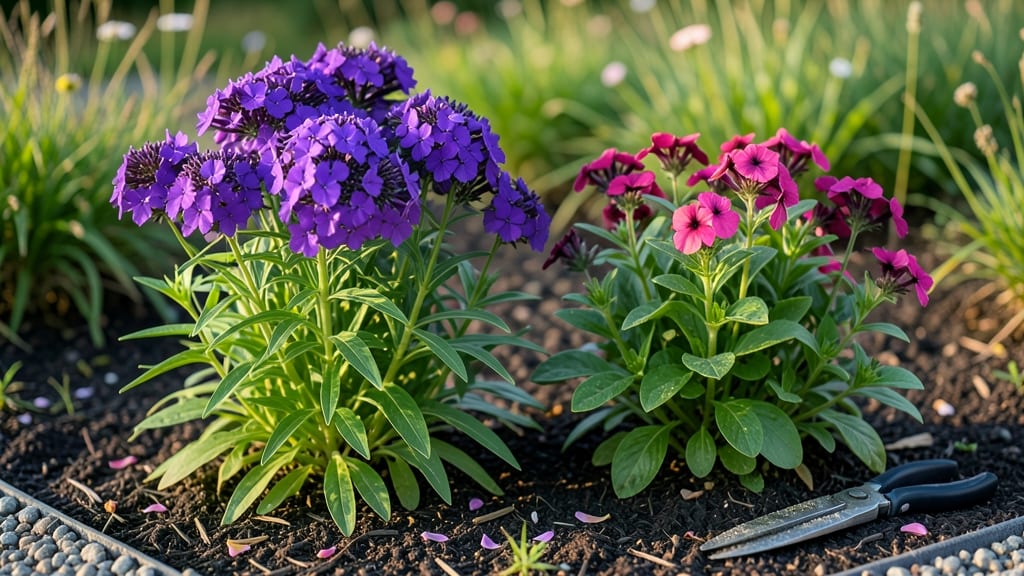
Garden phlox thrives in either sun or shade, making it the perfect low-maintenance star for any border. 🌿 I’ve grown them in both full sun and dappled shade, and the key is understanding how light affects their height, bloom time, and color intensity—without overcomplicating care.
In full sun, phlox grows taller and blooms later in the season, with deeper purple or pink hues. But in partial shade, they stay compact, flower earlier, and often produce more blooms.
The trick is well-draining soil and consistent moisture—no fancy amendments needed. They’re happy in zones 4-8, so whether you’re in the Midwest or Northeast, they’ll perform.
By late summer, you’ll have clouds of fragrant blooms that attract butterflies and hummingbirds. The foliage stays lush until frost, and with proper spacing, they rarely need staking. Even in shade, they’ll outshine many perennials with their vibrant displays.
Pair them with catmint or Russian sage for a carefree, long-blooming combo. And here’s the best part: once established, they’ll naturalize and spread, giving you more blooms with zero effort. Let’s get yours planted!
📚 In This Guide
- What you need
- Instructions
- Tips and common mistakes
- Wrapping up and next steps
What you need
- ● Garden phlox plants: Choose between sun-loving varieties (e.g., Phlox paniculata) or shade-tolerant types (e.g., Phlox divaricata). Buy 3–5 plants for a full, lush look.
- ● Well-draining potting mix: 10–15 gallons (or enough to fill your planting area). Mix in 1 part perlite or sand per 3 parts soil for better drainage.
- ● Organic compost: 2–3 cups per plant to enrich soil and retain moisture.
- ● Slow-release fertilizer: 10–20-10 NPK ratio (e.g., 1 tbsp per plant) to kickstart growth.
- ● Garden trowel or hand shovel (for digging holes 1–2 times wider than the root ball).
- ● Pruning shears (to trim dead foliage or shape plants after planting).
- ● Watering can or hose with a gentle spray nozzle (for 1–2 gallons of water per plant after planting).
- ● Gloves (to protect your hands from thorns or rough soil).
- ● Mulch (e.g., shredded bark or pine needles): 2–3 inches to suppress weeds and retain moisture.
- ● Stakes or plant supports: For taller varieties (e.g., Phlox paniculata), use 6-inch stakes to prevent flopping.
- ● Epsom salt (magnesium sulfate): 1 tbsp dissolved in 1 gallon of water every 4–6 weeks for extra blooms.
- ● Shade cloth (30–50% coverage): For afternoon sun protection in hot climates.
Step-by-Step guide to planting and caring for garden phlox
Here's how to grow these vibrant bloomers in either sun or shade with just a few simple steps.
🌱 Step 1: Choose the Right Location for Your Phlox
Garden phlox thrives in part shade to full shade but can tolerate morning sun if your climate is cooler. Look for a spot where they'll receive at least 3-4 hours of indirect light daily—this prevents the stems from becoming weak. If planting in full sun, prioritize areas with afternoon shade to protect the flowers from scorching.
Phlox loves well-draining soil rich in organic matter. If your soil is heavy clay, amending it with 2-3 inches of compost before planting will make all the difference. The roots prefer a slightly acidic to neutral pH (around 6.0-7.0), so a quick soil test ensures your phlox won’t struggle to absorb nutrients.
🪴 Step 2: Plant Phlox at the Right Time and Depth
Plant phlox in early spring or early fall when temperatures are mild—this gives roots time to establish before summer heat or winter cold sets in. Dig a hole twice as wide as the root ball but only as deep as the container’s base. This prevents burying the crown too deeply, which can cause rot.
Space plants 18-24 inches apart to allow airflow and prevent fungal diseases like powdery mildew. Gently loosen the roots if they’re circling in the container, then place the plant in the hole and backfill with soil. Press lightly around the base to remove air pockets, but don’t compact the soil too firmly—phlox roots need room to breathe.
☀️ Step 3: Water and Mulch for Healthy Growth
Water deeply once a week after planting to settle the soil, then reduce to every 10-14 days once established—unless your area experiences extreme heat or drought. Phlox roots run deep, so a slow, deep watering encourages them to grow stronger. You’ll know it’s enough when the top 2 inches of soil feel slightly damp but not soggy.
Spread 2-3 inches of mulch (like shredded bark or straw) around the base to retain moisture and regulate soil temperature. Keep mulch 2 inches away from the stems to prevent rot. This layer also suppresses weeds, which compete for nutrients phlox needs to bloom abundantly.
✂️ Step 4: Deadhead and Fertilize for Long-Lasting Blooms
To encourage more flowers, deadhead spent blooms every 2-3 weeks during the growing season. Simply pinch off faded flowers with your fingers or snip them just above a set of leaves. This redirects the plant’s energy from seed production to growing fresh blooms—you’ll see a second flush of flowers within 3-4 weeks.
Feed phlox once in early spring with a balanced, slow-release fertilizer (like 10-10-10) to support robust growth. Avoid high-nitrogen fertilizers—they promote leafy growth at the expense of flowers. In late summer, switch to a low-phosphorus, high-potassium fertilizer (like 5-10-10) to strengthen stems and prepare for winter.
⏰ Step 5: Prepare for Winter and Prune in Early Spring
Phlox is hardy in USDA zones 4-9, but in colder climates, cut back dead foliage to 2-3 inches above the ground in late fall or early winter. This prevents snow mold and makes spring cleanup easier. In milder climates, leave the foliage until spring—it provides winter protection and adds texture to the garden.
In early spring, prune back any remaining dead stems and thin out crowded growth to improve airflow. This is also the time to divide clumps if they’ve outgrown their space. Dig up the plant, separate the roots into 3-4 inch sections, and replant immediately. Dividing every 3-4 years keeps phlox blooming vigorously and prevents overcrowding.
Tips & tricks for perfect garden phlox in any light
These simple strategies will help your garden phlox thrive whether you're working with sun or shade.
Location Fine-Tuning: If your garden gets intense afternoon sun, consider planting phlox near taller plants or structures that provide natural shade. I've found that even just 2-3 hours of direct morning sun works beautifully in cooler climates, while hotter regions benefit from that afternoon shade protection mentioned in Step 1. The key is observing how your specific phlox variety reacts to light throughout the day.
Soil Prep Secret: Before amending with compost, test your soil's moisture retention by digging a small hole and filling it with water. If water drains completely within 30 minutes, your soil needs more organic matter. I like to mix in a handful of perlite or coarse sand with that 2-3 inches of compost to ensure proper drainage - this prevents those dreaded soggy roots that can lead to rot.
Watering Wisdom: The "top 2 inches slightly damp" guideline is perfect, but here's how to check it properly: Stick your finger about 2 inches into the soil. If it feels like a wrung-out sponge, you're good. If it's bone dry, water again. I've learned to water in the early morning to prevent fungal issues from evening moisture sitting on the leaves too long.
Fertilizer Timing: When applying that early spring 10-10-10 fertilizer, I like to do it right after the first signs of new growth appear in Step 4. This gives the plant an immediate nutrient boost when it's actively growing. For the late summer 5-10-10 application, wait until you've deadheaded at least once - this ensures the plant has already directed energy toward flowering rather than just leaves.
Pro Tips for Garden Phlox Sun Or Shade
- These simple strategies will help your garden phlox thrive whether you're working with sun or shade.
- Location Fine-Tuning: If your garden gets intense afternoon sun, consider planting phlox near taller plants or struct...
- Soil Prep Secret: Before amending with compost, test your soil's moisture retention by digging a small hole and filli...
Frequently asked questions
Got questions about growing garden phlox in sun or shade? You’re not alone! Here are answers to the most common concerns—so you can enjoy those dreamy blooms with confidence.
Can garden phlox grow in full sun or do they prefer shade?
Garden phlox thrives in partial shade (4–6 hours of sunlight daily), especially in hot climates. In cooler zones, they tolerate morning sun + afternoon shade. Avoid harsh afternoon rays, which can scorch leaves. For full-sun spots, opt for heat-tolerant varieties like Phlox paniculata ‘David’.
How often should I water garden phlox in sun vs. shade?
In sun, water deeply 2–3 times weekly to prevent wilting. In shade, water 1–2 times weekly—soil stays moist longer. Always check soil 1–2 inches down: if dry, it’s time to water. Pro tip: Mulch (2–3 inches) to retain moisture and deter weeds!
When is the best time to plant garden phlox for sun/shade?
Plant in early spring or fall (after last frost) for best root establishment. Spring planting gives blooms the current year; fall planting (6–8 weeks before frost) ensures strong growth next season. Avoid summer heat stress—phlox hates transplant shock in hot weather!
Why are my phlox leaves turning yellow or spotted?
Yellow leaves often signal overwatering or fungal issues (like powdery mildew). Fix it: Space plants 18–24 inches apart for airflow, water at soil level (not overhead), and prune crowded stems. Spots? Try neem oil or a copper fungicide. Preventative tip: Deadhead spent blooms to boost airflow!
What’s a great low-maintenance alternative to garden phlox for sun?
Try Lavender (drought-tolerant, fragrant) or Russian Sage (sun-loving, deer-resistant). For shade, Hosta or Astilbe offer lush foliage with minimal fuss. All three handle sun/shade better than phlox in extreme conditions!
Wrapping up and next steps
Whether you’re basking in full sun or tucked into a shady nook, garden phlox is your low-maintenance blooming superstar! 🌸 With the right variety and a little care, you’ll enjoy vibrant flowers from spring to fall—and maybe even into winter.
Now that you’re armed with tips on placement, soil, and upkeep, it’s time to get planting!
🌱 Your Next Step:
- Pick your spot—sun-loving or shade-dwelling—and choose the perfect phlox.
- Grab your supplies (or reuse what you have!) and start digging.
- Watch your garden transform with bold, fragrant blooms that’ll make neighbors green with envy.
You’ve got this—happy gardening! 🌿