
Trees
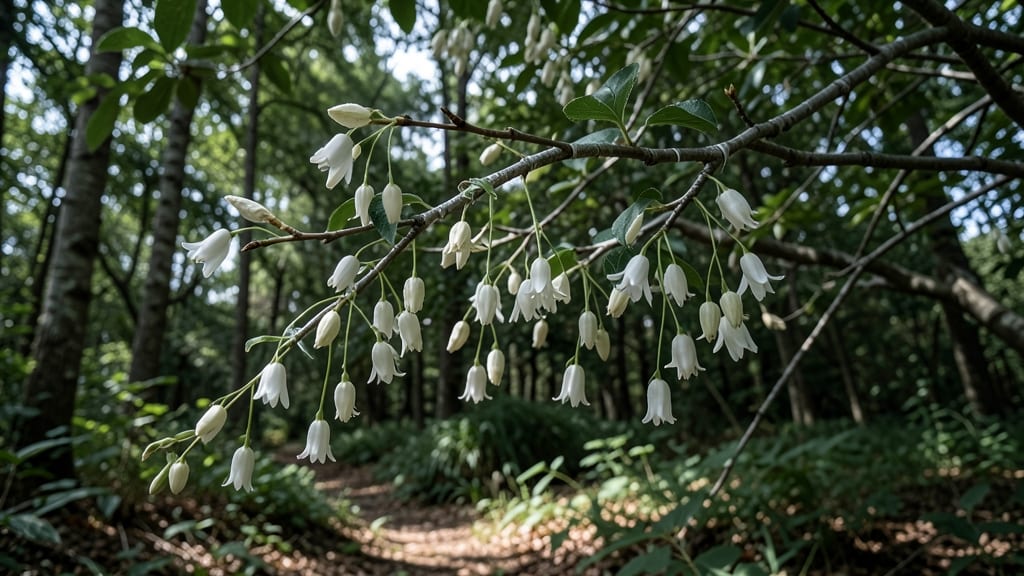
Struggling with gloomy garden corners? These 10 smaller shade trees grow quickly, provide lush privacy, and thrive in low-light spaces while keeping your landscape elegant and functional.
Japanese Maple Tree for Delicate Shade
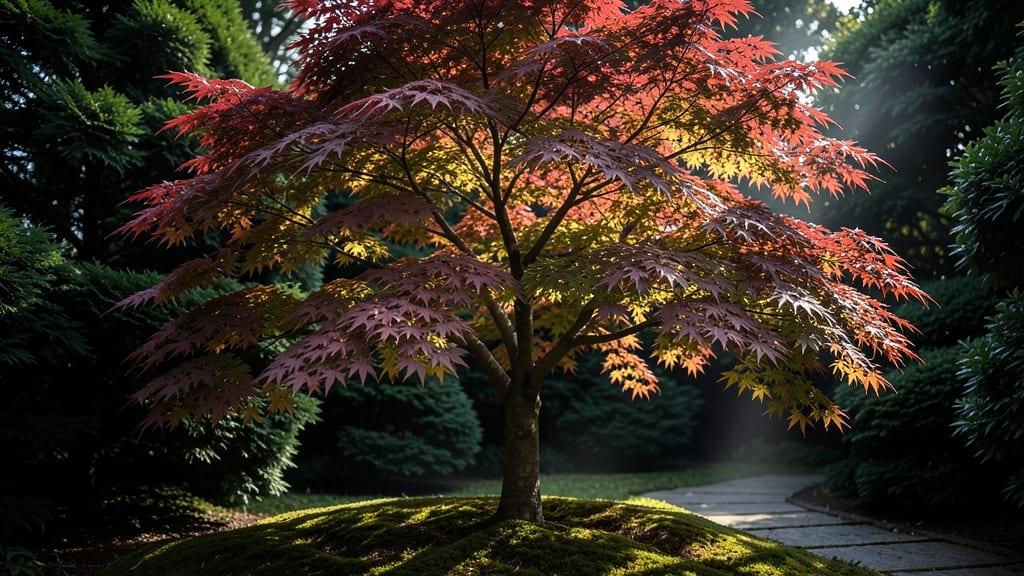
Transform your dark garden corners into a living art gallery with a Japanese maple tree—its delicate, lobed leaves create a painter’s palette of colors, from deep reds to golden yellows, depending on the variety. Unlike fast-growing shade trees, this slow grower stays between 15-25 feet, making it ideal for small yards where space is precious but drama is not.
These trees thrive in partial to full shade, making them perfect for understory planting or as a focal point in shaded borders. Their intricate branching habit adds texture year-round, and their compact size means you won’t need to prune aggressively to keep them in check. For best results, plant in well-draining, slightly acidic soil and water consistently during the first year to establish strong roots.
Japanese maples are the secret weapon for gardeners who love seasonal color without the upkeep—they’re perfect for urban courtyards, cottage gardens, or as a statement piece near patios. Their graceful form and vibrant foliage turn even the shadiest spots into a standout feature. 🌟
Amelanchier Laurel for Year-Round Interest
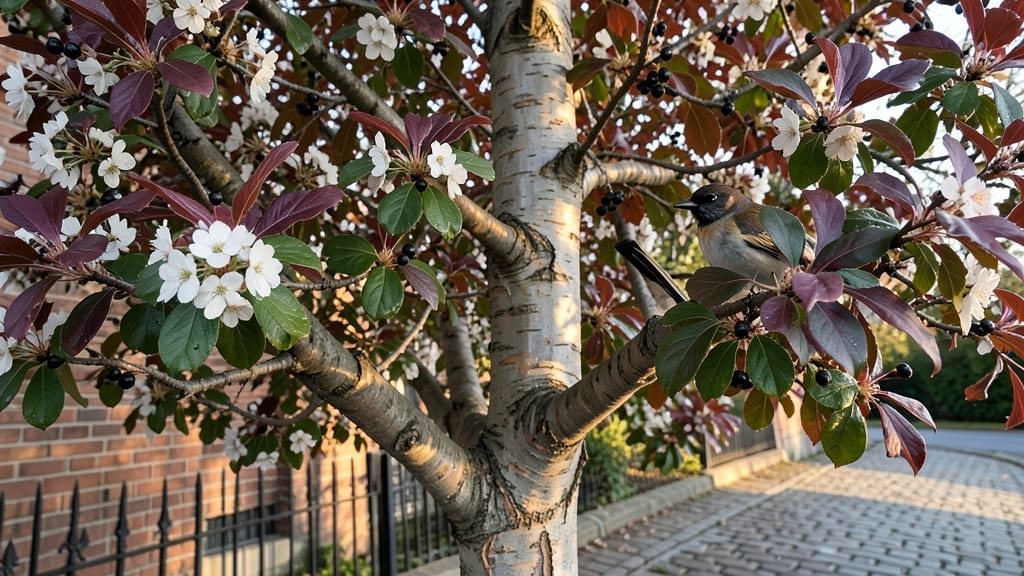
Tired of shade trees that offer just one season of interest? The amelanchier laurel delivers a year-round show with minimal effort—white spring blooms, deep purple fall foliage, and even edible berries that birds adore. This versatile tree thrives in urban settings where space is limited, reaching a manageable 15-20 feet while providing dense shade.
Native to North America, amelanchier laurel is drought-tolerant once established, making it perfect for water-conscious gardeners. It handles partial shade well but performs best in full sun, where its multi-season beauty truly shines. The berries ripen in late summer, offering a bonus food source for wildlife—and sometimes for you! Prune lightly in late winter to maintain shape.
This tree is a game-changer for urban gardeners who want low-maintenance shade with high visual impact. Whether you're softening a street corner or adding privacy to a patio, it’s a wildlife magnet that keeps your garden vibrant from bloom to berry. 🌟
Dwarf Korean Lilac Tree for Fragrant Privacy
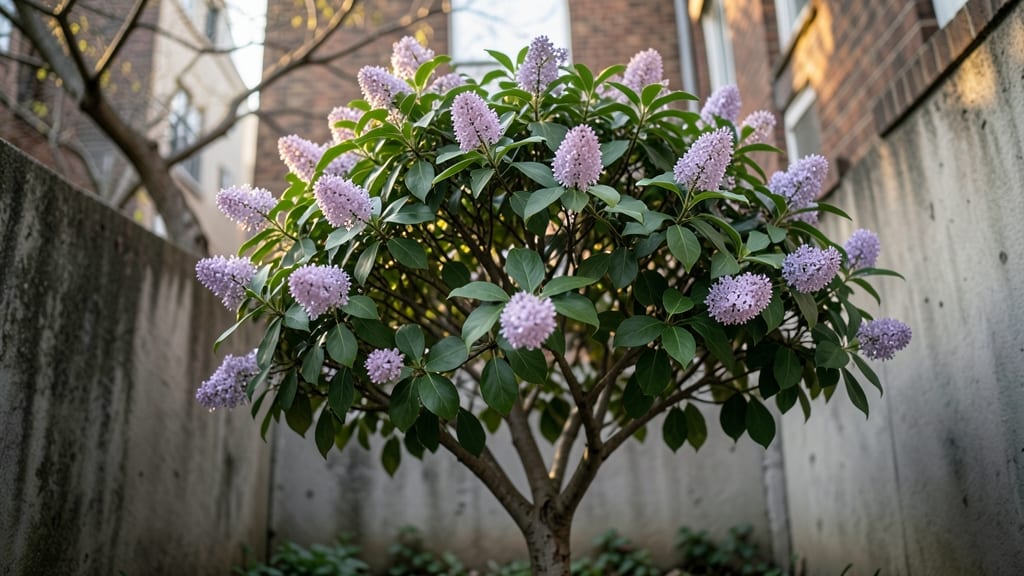
Turn your noisy urban backyard into a serene retreat with the dwarf Korean lilac tree—a compact powerhouse that packs intense fragrance into a tidy 8-10 foot package. Unlike larger shade trees, this beauty thrives in partial shade, making it perfect for underutilized corners where sunlight is limited but privacy is needed.
Its dense foliage blocks views while its sweetly scented blooms in late spring create a natural sound barrier, drowning out traffic and city noise. The best part? It requires minimal pruning—just shape it lightly after flowering to maintain its neat form. Plant in well-draining soil and water moderately during the first year for quick establishment.
This is the ideal choice for urban gardeners who want fragrance without the footprint—ideal for patios, small yards, or as a living privacy screen. With its low-maintenance nature and striking beauty, it’s a game-changer for tight spaces. 🌷
Serviceberry Tree for Multi-Season Beauty
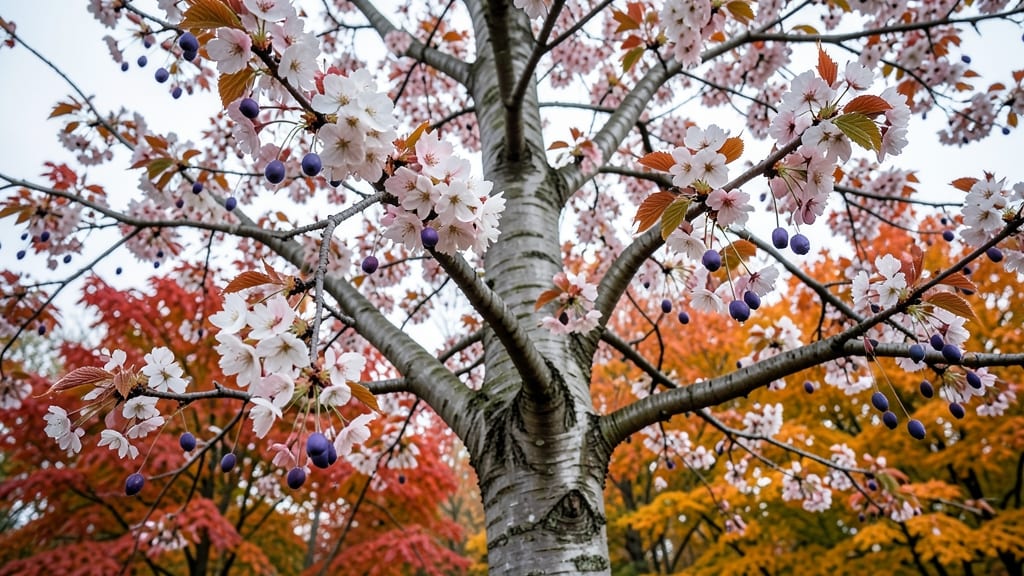
Looking for a shade tree that does triple duty—beautiful flowers, edible fruit, and stunning fall foliage—without taking over your yard? The serviceberry tree is your answer. This underappreciated native tree delivers three seasons of interest in one compact package, making it a standout for permaculture and pollinator-friendly gardens.
In spring, clusters of white blossoms cover the branches, followed by tart berries in summer that birds and humans love. By fall, the leaves burst into fiery reds and oranges, creating a dramatic show. While it typically grows 20-30 feet tall, you can easily prune it to maintain a smaller, more manageable size—perfect for tight spaces. Plant it in full sun to partial shade with well-draining soil, and watch it thrive with minimal fuss.
Serviceberry trees are the perfect choice for eco-conscious gardeners** who want a low-maintenance tree that supports wildlife while adding year-round interest. Whether you're designing a food forest or simply want a shade tree with personality, this native beauty delivers on all fronts. 🌻
Hornbeam Tree for Strong Structural Shade
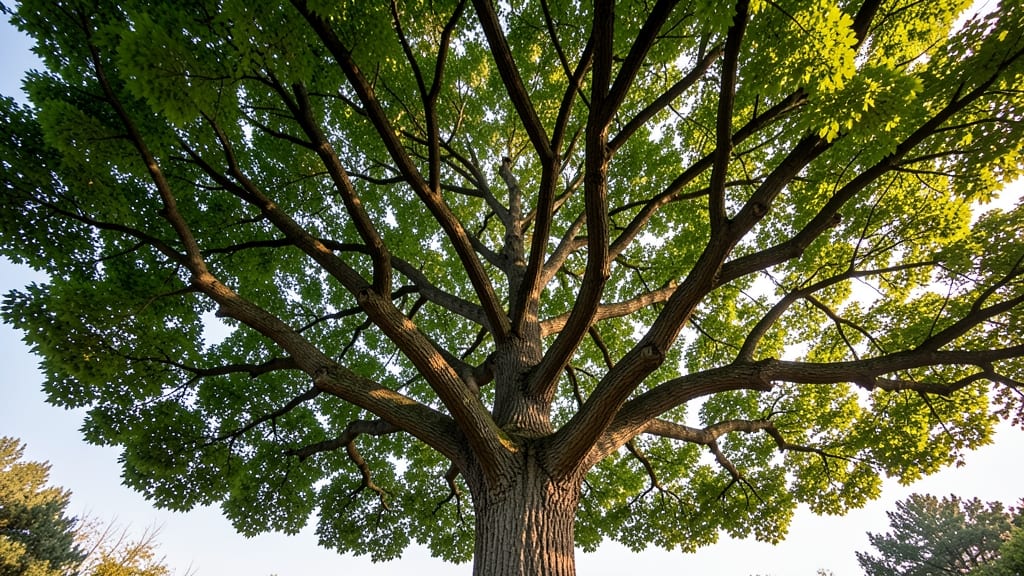
Looking for a shade tree that combines strength with elegance? The hornbeam tree delivers architectural drama with its muscle-like branches and ironclad wood, creating a dense, 20-30 foot canopy that resists wind and weather. Unlike many shade trees, it maintains a clean, formal silhouette year-round, making it ideal for structured gardens where seasonal color changes aren’t a priority.
This low-maintenance tree thrives in full sun to partial shade, tolerating a wide range of soil types—including clay—once established. Its smooth, gray bark adds winter interest, while the dense foliage provides deep, even shade without the messy leaf drop of some alternatives. For best results, plant in well-draining soil and water deeply during the first growing season to encourage strong root development.
Perfect for formal gardens, urban landscapes, or as a sturdy hedge, the hornbeam’s timeless structure elevates any space with minimal fuss. Gardeners who love clean lines and durability will appreciate how it holds its shape through storms and seasons. 🌟
Eastern Redbud for Early Spring Drama
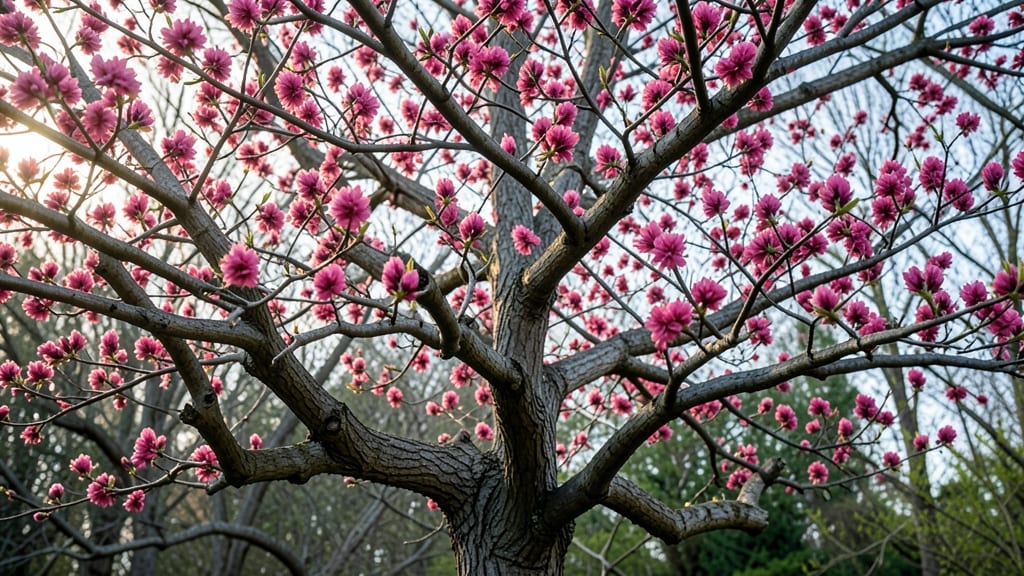
Brighten your darkest garden corners with the Eastern redbud, a springtime showstopper that bursts into vibrant pink blossoms before its leaves even appear. Unlike most shade trees that wait until summer to put on a show, this native beauty arrives in early spring—often when other plants are still dormant—creating a dramatic focal point that lifts the spirits after a long winter.
This versatile tree typically grows to 20-30 feet but responds beautifully to pruning, making it perfect for smaller spaces where you want to control its size. Plant it in full sun to partial shade—it thrives in both conditions—and enjoy its heart-shaped leaves that emerge after the flowers fade. The best part? Eastern redbuds are low-maintenance and adaptable, tolerating a range of soil types from clay to sandy loam.
Perfect for gardeners who want early-season color without the upkeep, this tree is especially stunning when planted near patios, entryways, or as a standalone specimen in a grassy lawn. Its cheerful blooms will have your neighbors asking what magic you’ve worked in the garden. 🌟
Smokebush Tree for Four-Season Texture
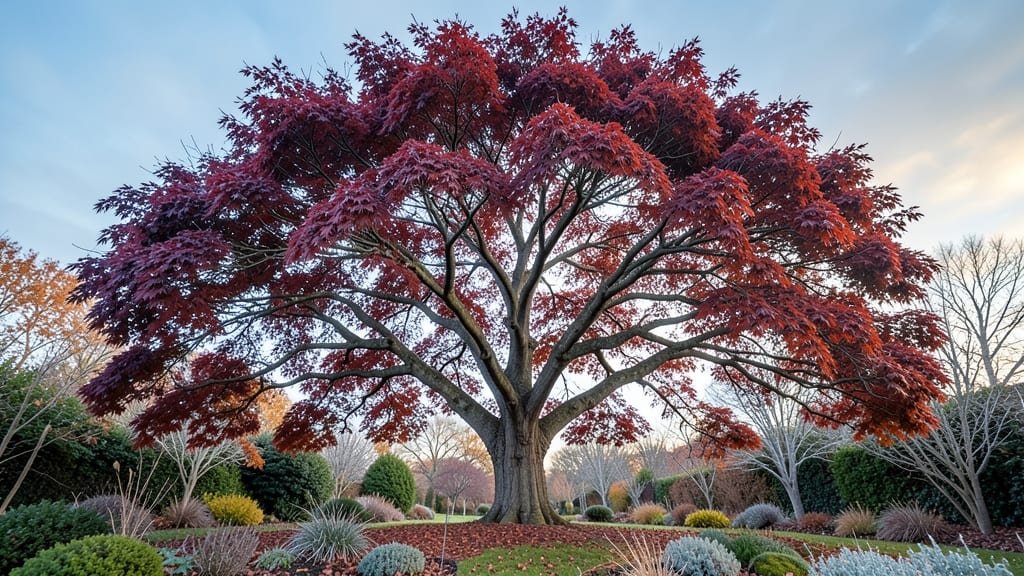
Want a shade tree that looks stunning in every season without demanding constant attention? The smokebush tree (Cotinus obovatus) delivers year-round texture with its signature smoky purple foliage that deepens in color through summer, fiery red fall hues, and even skeletal branches that add winter interest. This compact tree grows just 8-12 feet tall, making it perfect for modern landscapes where space is limited but visual impact is key.
One of its biggest advantages is its exceptional drought tolerance—once established, it thrives with minimal watering, making it ideal for water-conscious gardeners. The tree handles full sun to partial shade beautifully, though its foliage color intensifies in sunnier locations. For best results, plant in well-draining soil and prune lightly in late winter to maintain its natural, airy shape. Its unique foliage also makes it a magnet for pollinators during its summer blooming period.
This is the perfect choice for modern landscapes, urban gardens, or contemporary patios where you want low-maintenance beauty with high visual appeal. Whether used as a standalone specimen or grouped with other small trees, smokebush brings textural drama that keeps your garden interesting through all four seasons. 💚
Dwarf Hackberry Tree for Urban Resilience
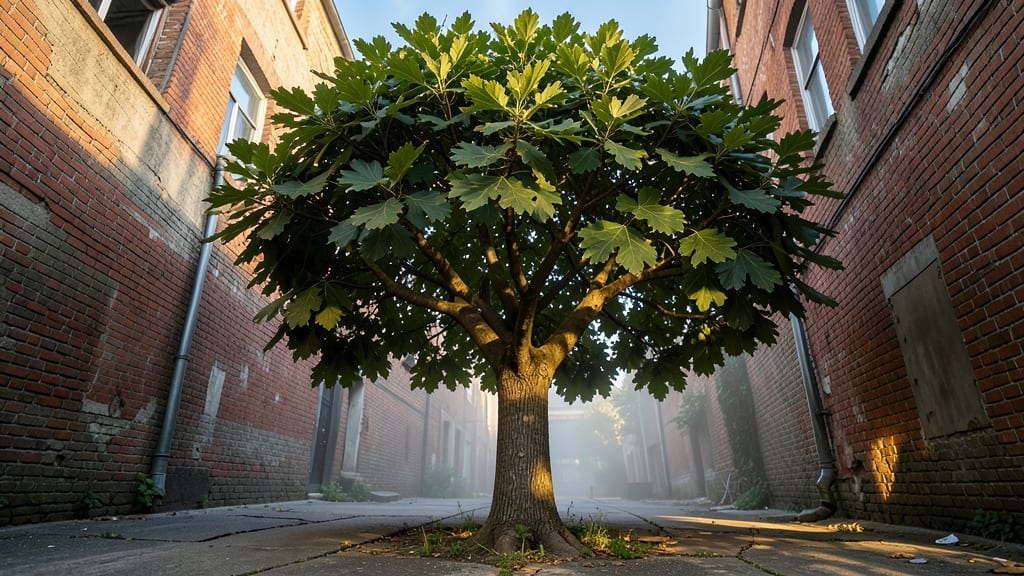
City dwellers with limited space and polluted air can finally find a shade tree that thrives in their conditions—the dwarf hackberry tree. Unlike many shade trees, this hardy species tolerates urban pollution while delivering dense shade in just 15-20 feet of height, making it perfect for tight city lots, parking strip plantings, or small backyards.
Beyond its resilience, this tree produces edible berries that ripen in late summer, offering a bonus food source for birds and humans alike. Its deep green foliage creates year-round shade, and its tough bark resists damage from urban elements like salt spray or compacted soil. Plant it in full sun to partial shade with well-draining soil, and water regularly during the first year to encourage strong root growth.
Perfect for urban gardeners who want a low-maintenance tree that supports local wildlife, the dwarf hackberry is a game-changer for city landscapes. Whether you're softening a street corner or adding shade to a patio, this tree proves that resilience and beauty can grow side by side in the most challenging environments. 🌱
Weeping Cherry Tree for Graceful Canopy
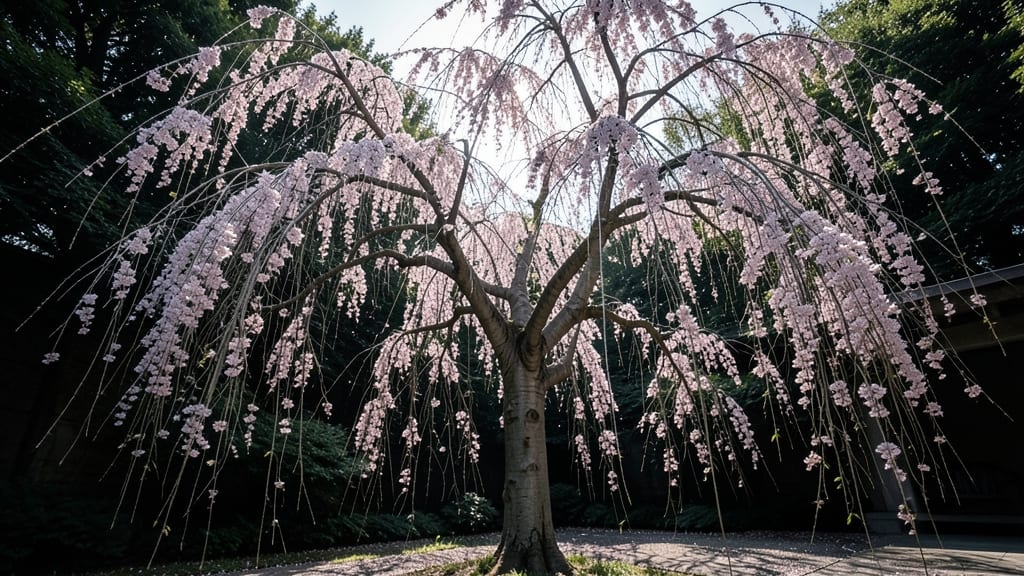
Turn your darkest garden corner into a poetic masterpiece with a weeping cherry tree, where cascading branches create a dreamy, ethereal canopy. Unlike traditional shade trees, its 15-25 foot weeping habit transforms gloomy spaces into soft, dappled light retreats—perfect for patios, entryways, or as a focal point in shaded gardens.
Plant it in well-drained soil to prevent root rot, and give it full sun to partial shade for the best bloom display. The white spring blossoms appear before the leaves, creating a dramatic show that lasts for weeks. Prune lightly after flowering to maintain its graceful shape, and enjoy the delicate petals that carpet the ground below.
This tree is ideal for gardeners who want dramatic beauty with minimal fuss—its elegance makes it perfect for weddings, romantic gardens, or as a statement piece near water features. The soft shade it provides is ideal for relaxing under while enjoying nature's quiet poetry. ✨
Carolina Silverbell for Wildflower-Like Charm

Bring a touch of woodland magic to your garden with the Carolina silverbell, a native treasure that transforms shady spots into whimsical displays. Unlike traditional shade trees, its delicate bell-shaped white flowers dangle like wildflowers from branches that reach 10-15 feet, creating a soft, airy canopy perfect for cottage gardens or secluded corners.
This understory beauty thrives in partial shade, making it ideal for underplanting larger trees or brightening dark garden edges. The flowers appear in late spring, attracting hummingbirds and adding a dreamy, ethereal quality to your space. With minimal care—just well-draining soil and occasional watering—it rewards you with years of effortless charm.
Perfect for gardeners who love native plants with a fairy-tale touch, Carolina silverbell creates natural privacy screens while supporting local wildlife. Its graceful habit and seasonal blooms make it a standout for those seeking low-maintenance beauty with a wildflower-inspired feel. 🌷