
Companion Plants
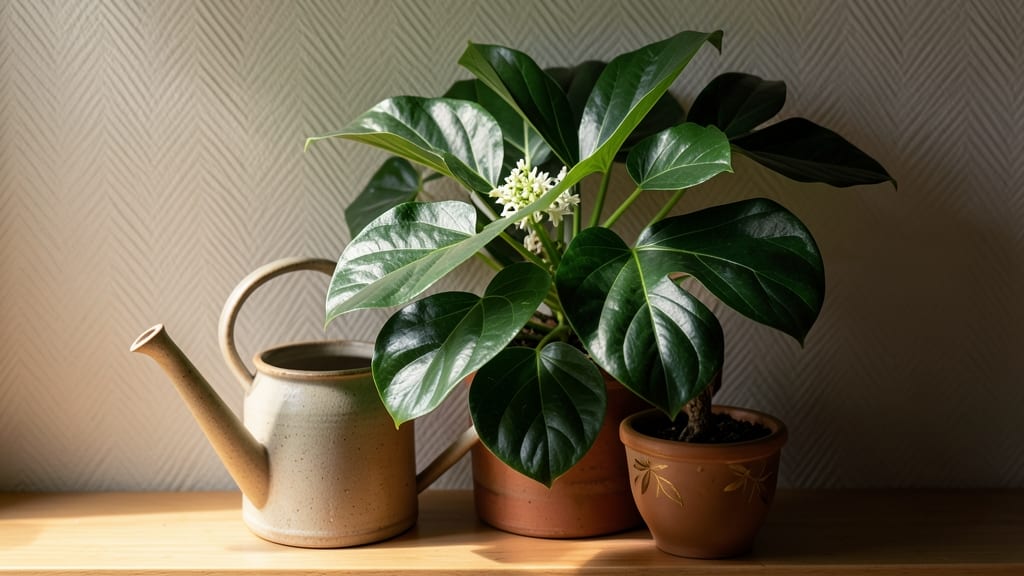
Shade-loving potted plants turn dark corners into lush privacy screens. 🌿 I learned the hard way that not all greenery survives low light—until I discovered this four-layered system that thrives where others fail. The key? Matching the right plants to their light needs and giving them the care they crave.
Start with calatheas for bold foliage, add impatiens for cascading blooms, and layer in ferns for texture. Use well-draining soil in glazed ceramic or fabric pots to prevent root rot, and water when the top inch feels dry.
Most people overwater in shade, but these plants actually prefer consistent moisture—not soggy soil. By summer’s end, you’ll have a vibrant, multi-tiered screen that blocks noise and prying eyes while adding life to your space. The secret?
Grouping plants with similar water needs and rotating pots occasionally for even light exposure. Works for balconies, patios, or indoor spots near north-facing windows. Here’s how to make it happen without the guesswork.
📚 In This Guide
- What you need
- Instructions
- Tips and common mistakes
- Wrapping up and next steps
What you need
- ● Potting Mix: 6 bags (5 gallons each) of well-draining, peat-based potting soil (e.g., Miracle-Gro Moisture Control)
- ● 3 bags (2 gallons each) of perlite or orchid bark (for aeration, 20% mix ratio)
- ● Containers: 4 large fabric grow bags (18" deep × 24" diameter) or plastic half-barrels (for top layer)
- ● 12 medium terra-cotta pots (10" diameter) or plastic nursery pots (for mid/understory layers)
- ● 24 small hanging baskets (6" diameter) or window-box planters (for trailing plants)
- ● Plants (Shade-Tolerant Varieties): Top Layer (Tall, Structural): 4 Dracaena marginata (Dragon Tree) or Fatsia japonica (Aralia)
- ● Mid-Layer (Medium Height): 12 Heuchera (Coral Bells) or Astilbe (False Spirea)
- ● Understory (Low-Growing): 24 Fittonia (Nerve Plant) or Lamium (Dead Nettle)
- ● Trailing/Filler: 12 Plectranthus coleoides (Swedish Ivy) or Hoya carnosa (Wax Plant)
- ● Required: Trowel or small shovel
- ● Gloves (gardening or work gloves)
- ● Watering can (with rose attachment) or hose with gentle spray nozzle
- ● Measuring tape (for spacing layers)
- ● Stakes & twine (to support taller plants)
- ○ Optional (But Helpful!): Slow-release fertilizer (e.g., Osmocote Smart-Release)
- ● Mulch (shredded bark or pine needles)
- ● Decorative stones or pebbles (for drainage & aesthetics)
- ● Plant labels & marker (to track varieties)
Step-by-step instructions for creating a four-layered privacy screen with shade-tolerant potted plants
Here's how I build a lush, private oasis using plants that thrive in deep shade.
🌱 Step 1: Select Your Shade-Tolerant Plant Varieties
For a four-layered screen, I choose plants that create height and texture while handling low light. Start with 4 ferns (like Boston or maidenhair) for the bottom layer—they cascade beautifully and tolerate moisture. Add 4 calatheas (Rattlesnake or Orbifolia) for mid-height drama with their bold foliage patterns. For the upper layer, plant 4 dracaenas (like Marginata or Warneckii) for tall, architectural stems. Finally, top with 4 ivy geraniums (like 'Rozanne') for trailing interest.
I always check each plant's mature height before buying—this ensures your layers will grow proportionally. For example, dracaenas reach 4-6 feet, while ferns stay compact at 1-2 feet. Arrange them in a staggered pattern so no gaps appear as they fill out. Real talk: if you mix plants with wildly different growth rates, the slower ones will get lost in the shuffle.
🪴 Step 2: Prepare Containers and Soil Mix
Use 4 identical 14-inch diameter pots (one per plant) with drainage holes—terracotta works best for moisture control. Fill each with a well-draining shade mix: combine 2 parts peat moss, 1 part perlite, and 1 part compost for aeration. I pre-moisten the mix until it's damp like a wrung-out sponge, but not soggy.
Here's the thing—shade plants need moisture but hate soggy roots. Tap each pot gently after filling to settle the soil without compacting it. Leave 1 inch of space between the soil surface and pot rim to prevent overflow during watering. I label each pot with the plant name and date—after a few months, those calatheas all start looking the same!
☀️ Step 3: Plant and Arrange for Maximum Privacy
Remove each plant from its nursery pot and loosen the roots if they're circling. Place the dracaenas in the back row, calatheas in the middle, and ferns in the front. The ivy geraniums go in hanging baskets suspended between the taller plants. Press soil firmly around the base to eliminate air pockets, then water deeply until it drains from the bottom.
Arrange the pots in a staggered grid so the trailing plants fill gaps naturally. Space them 12 inches apart to allow airflow and prevent fungal issues. Watch for how light filters through—if one side gets brighter morning sun, rotate the pots weekly so growth stays even. You'll see the screen start taking shape within 4-6 weeks as the trailing plants fill in.
💧 Step 4: Water and Maintain for Long-Term Health
Water when the top 2 inches of soil feel dry—usually every 5-7 days in deep shade, more often in dry climates. I use a watering can with a rose attachment to direct moisture to the roots without disturbing foliage. Always water in the morning so leaves dry before evening humidity sets in.
Fertilize lightly every 4-6 weeks with a balanced liquid fertilizer (10-10-10) diluted to half strength. Shade plants don't need much food, but they'll reward you with glossier leaves and faster growth. Prune leggy stems in spring to encourage bushier growth, and wipe leaves monthly with a damp cloth to remove dust that blocks light.
✂️ Step 5: Prune and Train for a Polished Look
In late winter or early spring, trim back one-third of the oldest stems on each plant to encourage new growth. For the ivy geraniums, pinch back tips to promote bushiness. I also weave trailing vines through the gaps between pots to create a seamless screen—this is the moment that matters for that "living wall" effect.
Watch for yellowing leaves, which usually means overwatering or poor drainage. If you see brown tips, it's likely dry air—move pots slightly away from vents or drafts. With consistent care, your four-layered privacy screen will reach full maturity in 2-3 years, providing year-round greenery even in the shadiest spots.
Tips & tricks for perfect shade-loving potted privacy screens
Creating a lush, private oasis with shade plants takes a little strategy—here's how to make it thrive without the guesswork.
Layering Secret: The key to a seamless screen lies in the height progression. Place your dracaenas (4-6 feet) at the back, followed by calatheas (2-3 feet) in the middle, then ferns (1-2 feet) in front. This creates natural depth, but here's what nobody tells you—leave 3-4 inches of space between each layer's top and the next plant's base. This prevents overcrowding as they mature and gives you room to weave those trailing ivy geraniums through the gaps later.
Soil Mix Upgrade: While the basic 2:1:1 peat moss, perlite, and compost mix works perfectly, I add a handful of orchid bark to each pot (optional but game-changing). This improves aeration and mimics the forest floor where these plants naturally grow. Pro tip: Sterilize your mix by baking it in the oven at 200°F for 30 minutes before use—this prevents introducing fungal spores that could harm your delicate shade plants.
Light Rotation Strategy: Even in deep shade, some areas get more light than others. I mark my pots with a pencil on the side facing the brightest spot, then rotate them quarter-turns every 2 weeks. This ensures even growth and prevents leggy stems. Watch for the calatheas—they'll show you when they're getting too much light by developing yellow patches on the undersides of leaves.
Watering Wisdom: The top 2 inches dry guideline works, but here's the real trick: use your finger to test moisture at the bottom of the pot too. Shade plants often stay damp on top but dry out at the roots. I water until it drains freely from the bottom, then empty the saucer after 10 minutes to prevent root rot. For extra insurance, I place a moisture meter probe in each pot during the first month—it's worth the investment to avoid overwatering.
Pro Tips for Shade Potting Plants
- Creating a lush, private oasis with shade plants takes a little strategy—here's how to make it thrive without the guesswork.
- Layering Secret: The key to a seamless screen lies in the height progression.
- Soil Mix Upgrade: While the basic 2:1:1 peat moss, perlite, and compost mix works perfectly, I add a handful of orchid bark to each pot (optional but game-changing).
Frequently asked questions
Got questions about shade potting plants?
You’re not alone! Here are some of the most common concerns—and their easy solutions—to help you create a thriving, low-light privacy screen.
What are the best shade-tolerant plants for deep shadows?
Look for hostas, ferns, calatheas, impatiens, and pothos. These thrive in low to no direct sunlight and add texture to your privacy screen. For extra height, pair them with dwarf ferns or cast-iron plants. Avoid sun-lovers like succulents—they’ll just sulk!
How long does it take for shade plants to grow into a privacy screen?
Patience is key! Most shade-loving plants grow 6–12 inches per year. A 4-foot-tall screen may take 3–5 years with proper care. Speed things up by layering plants of different heights (e.g., ground cover + mid-height + tall varieties) for instant impact.
Do shade plants need extra watering?
Yes—but not always! Shady spots stay damp longer, so check soil moisture before watering. Overwatering can drown roots. Use well-draining potting mix and water deeply 1–2 times per week (adjust for humidity). Mulch helps retain moisture without soggy soil.
Can I use shade plants in containers with no sunlight?
Just rotate containers occasionally for even light exposure. If your space is truly pitch-black, opt for artificial grow lights (12–14 hrs/day) or indoor shade plants like snake plants or ZZ plants. Avoid "sun-starved" plants like cacti—they’ll throw a tantrum!
What pests or problems should I watch for in shade plants?
Shady spots can attract slugs, snails, and fungal issues (like powdery mildew). Remove pests by hand or use beer traps. Improve airflow by spacing plants and avoid overwatering. If leaves yellow, check for root rot—adjust watering or repot if needed.
Wrapping up and next steps
Creating a lush, four-layered privacy screen in deep shade isn’t just possible—it’s a rewarding way to transform your space into a serene retreat! 🌿 By combining hostas, ferns, impatiens, and calatheas, you’ve got a thriving, low-maintenance oasis that thrives where others struggle.
The key? Patience, proper soil prep, and a little love for plants that embrace the shadows.
Ready to dive in? Start small—pick one layer to plant this weekend, then expand as your green thumb grows! 🌱 Check out our planting timeline for a stress-free rollout.