
Flowers
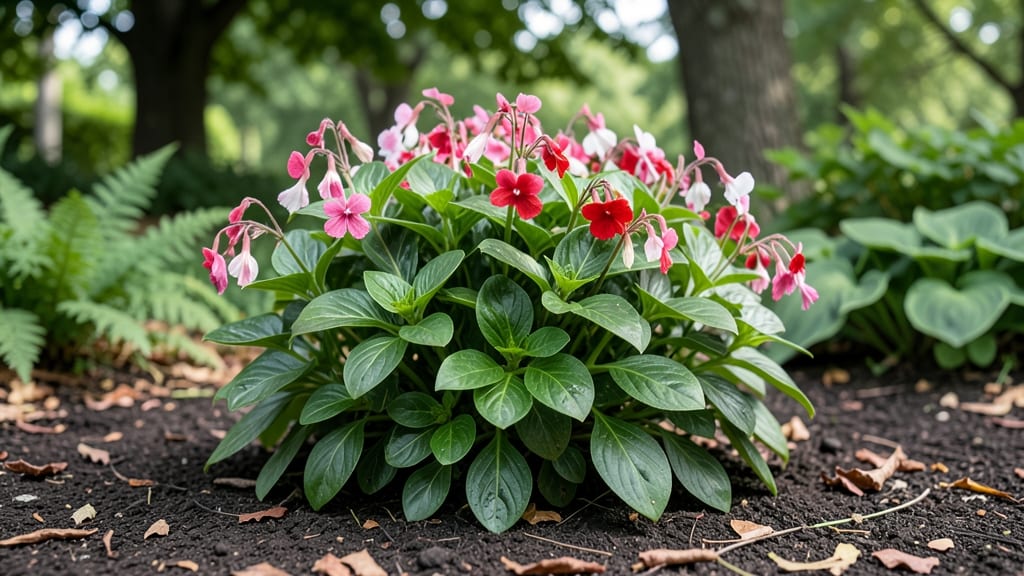
Florida’s shade gardens can burst with color—shade-loving flowers that thrive where others fade. 🌿 I’ve designed mine around native impatiens, ferns, and caladiums that handle humidity and partial sun like champs, proving shade isn’t a limitation but a chance for drama. The secret?
Pair moisture-loving plants with good drainage—think hostas under oak trees or begonias in hanging baskets where roots stay cool. Florida’s subtropical climate means heat tolerance matters too; look for varieties labeled “heat-tolerant” or “humidity-friendly.”
By summer, you’ll have a lush tapestry of blooms—deep red cannas, purple-black calatheas, and white ginger lilies—that attract butterflies while keeping your space cool. The key is layering textures: glossy leaves, feathery ferns, and bold flowers create depth without direct sunlight.
Works for patios, woodland edges, or even under palm fronds. Let’s bring that shade garden to life—without sacrificing vibrancy.
📚 In This Guide
- What you need
- Instructions
- Tips and common mistakes
- Wrapping up and next steps
What you need
- ● Shade-tolerant flower plants: Impatiens (10–20 plants, depending on bed size)
- ● Fuchsias (5–10 plants, for trailing or bushy varieties)
- ● Begonias (12–15 plants, fibrous or tuberous types)
- ● Caladiums (8–12 plants, for bold foliage and subtle blooms)
- ● African violets (3–5 plants, for indoor or protected outdoor spots)
- ● Potting soil: 5–10 bags (2–3 cubic feet each) of well-draining, peat-based potting mix (avoid heavy garden soil).
- ● Containers or garden beds: For containers: 6–12-inch pots (1–2 per plant, with drainage holes).
- ● For in-ground planting: Amended soil with 2–3 inches of compost mixed into the top 12 inches.
- ● Fertilizer: Slow-release balanced fertilizer (10-10-10 or 20-20-20) or organic options like fish emulsion.
- ● Mulch: 2–3 bags of pine bark fines or shredded leaves (2–3 inches deep) to retain moisture.
- ● Watering can or hose with a gentle spray nozzle (or a drip irrigation system for larger areas).
- ● Gloves and knee pads (because gardening is hard work!).
- ● Epsom salt (for magnesium boost, especially for fuchsias and begonias).
- ● Plant stakes or cages (for tall varieties like fuchsias).
- ● Shade cloth (30–50% coverage) if your area gets partial sun.
- ● Decorative rocks or pebbles (for a polished container garden look).
- ● Pruning shears (for trimming spent blooms and shaping plants).
Step-by-Step guide to planting shade-loving flowers in Florida
Florida's humid climate and dense shade create perfect conditions for vibrant, low-maintenance blooms—here's how to choose and plant them right.
🌱 Step 1: Select the Right Shade-Tolerant Varieties for Florida
Florida's deep shade thrives with plants like impatiens, coleus, begonias, and fuchsias—all of which handle humidity and filtered light beautifully. I always check the USDA Zone 9-10 label to confirm cold tolerance, since Florida's occasional chilly snaps can surprise tender bloomers. For deep shade (under 4 hours of sun daily), opt for impatiens or heuchera; for partial shade (4-6 hours of sun), begonias or caladiums shine.
Here's the thing—Florida's clay-heavy soil drains poorly, so I amend with 2-3 inches of organic mulch (like pine bark fines) to improve aeration. This prevents root rot, which is a silent killer in our humidity. You'll see healthier, more vibrant blooms within weeks of proper soil prep.
🪴 Step 2: Prepare the Planting Site for Florida's Unique Conditions
Test your soil's moisture retention by digging a 6-inch hole—if water pools after 10 minutes, you need to improve drainage. Mix 1 part peat moss with 2 parts native soil to lighten heavy clay without overwhelming roots. Florida's humidity means fungal diseases lurk, so I add 1/4 cup of copper fungicide per 5-gallon bucket of mix as a preventive measure.
Choose a spot with dappled shade (filtered light through trees) if possible—this mimics Florida's natural understory conditions. You'll notice leaves stay glossy and stems stay sturdy when light is gentle, not harsh. Avoid areas where water pools after rain, as even shade plants won't tolerate soggy roots.
☀️ Step 3: Plant with Proper Spacing and Mulching for Florida Heat
Dig holes twice as wide as the root ball but only as deep—planting too deep suffocates roots in our heavy soil. Space impatiens 8-12 inches apart and begonias 12-18 inches apart to allow airflow, which Florida's humidity desperately needs. Gently tease apart roots if they're circling in the pot, but don't force them—this prevents transplant shock.
Top-dress with 2 inches of mulch (cypress or pine bark works best) to lock in moisture and keep roots cool. In Florida, mulch isn't just decorative—it's a survival tool. Water deeply right after planting to settle the soil around roots, then let the mulch regulate moisture. You'll see new growth within 2-3 weeks if conditions are right.
💧 Step 4: Water and Fertilize for Florida's Humid Climate
Water deeply 2-3 times per week until top 2 inches of soil feel moist, then taper to once weekly once established. Florida's humidity means overhead watering invites fungal issues, so I water at the base with a soaker hose. Early morning is best—this prevents evening moisture that fuels mold.
Feed with a balanced 10-10-10 fertilizer every 4-6 weeks during growing season, but cut back in summer's intense heat. Too much fertilizer in Florida's heat burns roots faster than you'd think. You'll know you're doing it right when blooms last 3-4 weeks instead of wilting after a week.
✂️ Step 5: Prune and Maintain for Continuous Florida Blooms
Deadhead spent blooms weekly to encourage new flowers—this is non-negotiable in Florida's heat, where plants grow aggressively. Pinch back leggy stems by 1/3 to promote bushier growth. I always use clean, sharp pruners dipped in rubbing alcohol to prevent disease spread—Florida's humidity turns small cuts into big problems.
Watch for aphids or whitefly on the undersides of leaves, common in Florida's shade gardens. A strong spray of water usually dislodges them, but for persistent pests, I use neem oil. With proper care, your shade garden will bloom year-round, proving that Florida's deep shadows aren't a limitation—they're a canvas for vibrant, low-stress gardening.
Tips & tricks for thriving shade gardens in Florida
Florida's shade gardens reward patience and precision—here's how to turn those deep shadows into a lush, vibrant display without the usual headaches.
Light Matters: That 4-6 hours of partial shade mentioned in Step 1 is a sweet spot for most Florida shade plants. If your spot gets less than 4 hours, prioritize impatiens or heuchera—they'll tolerate the dimmest conditions. For areas with morning sun and afternoon shade, begonias and caladiums will reward you with bold foliage and dramatic blooms. Use a simple light meter app to track your garden's light levels for a week before planting—this prevents costly mistakes when choosing varieties.
Soil Prep is Non-Negotiable: Florida's clay soil is notorious for compacting and holding too much moisture, which leads to root rot. When mixing your 1 part peat moss to 2 parts native soil in Step 2, add 1/2 cup of perlite to the 5-gallon bucket mix for even better aeration. This isn't just about drainage—it's about creating the right environment for roots to breathe. I've seen plants double their growth rate within weeks after proper soil amendment, especially in our heavy clay.
Mulch Like a Pro: That 2-inch layer of mulch in Step 3 isn't just for looks—it's your first line of defense against Florida's humidity. For extra protection, use pine bark fines (they break down slowly) and add a 1-inch layer of coarse sand beneath it to improve drainage at the soil surface. This combo keeps roots cool, conserves moisture, and prevents fungal spores from splashing up onto leaves during watering. Trust me, your plants will thank you during those brutal summer afternoons.
Watering Wisdom: The 2-3 times weekly watering schedule in Step 4 works, but timing is everything. Water deeply in the early morning (before 9 AM) to let foliage dry completely by evening—this dramatically reduces fungal issues. For established plants, switch to once weekly deep watering with a soaker hose at the base. You'll notice fewer yellow leaves and healthier stems when you water this way. And here's a pro move: add 1 tablespoon of Epsom salt to your watering can every few weeks for magnesium boost, especially for caladiums and begonias—their stunning foliage needs that extra support.
Pro Tips for Shade Flowers Florida
- Florida's shade gardens reward patience and precision—here's how to turn those deep shadows into a lush, vibrant disp...
- Light Matters: That 4-6 hours of partial shade mentioned in Step 1 is a sweet spot for most Florida shade plants. If ...
- Soil Prep is Non-Negotiable: Florida's clay soil is notorious for compacting and holding too much moisture, which lea...
Frequently asked questions
Which shade flowers bloom year-round in Florida?
While no flowers bloom perfectly year-round in Florida’s humidity, some like impatiens and begonias thrive in shade and produce near-continuous blooms with proper care. For winter interest, opt for caladiums or heleborus (Lenten rose), which handle cooler temps. Mulching and consistent watering help extend their seasons!
How long does it take for shade flowers to establish and bloom?
Most shade-loving annuals (e.g., fuchsias, coleus) bloom 6–8 weeks after planting, given warm soil and consistent moisture. Perennials like hostas or astilbes may take 1–2 years to fully establish. Pro tip: Use slow-release fertilizer at planting to jumpstart growth!
Can I grow shade flowers in partial shade (6+ hours of sun)?
Many "shade" flowers tolerate partial shade, especially in Florida’s heat. Try impatiens, caladiums, or canna lilies—they’ll appreciate afternoon shade but still bloom vibrantly. Just monitor soil moisture; partial shade can dry out roots faster than deep shade.
Why are my shade flowers wilting or turning yellow?
Common culprits include overwatering (root rot), underwatering (stress), or nutrient deficiencies. Check soil moisture (top inch should be dry), ensure well-draining soil, and fertilize lightly with a balanced formula (10-10-10). Yellow leaves? Test for iron deficiency—Florida’s alkaline soil often lacks it!
What are the easiest shade flowers for Florida beginners?
Start with low-maintenance winners:
- Impatiens – Fast-growing, colorful, and pest-resistant.
- Coleus – Thrives in shade, drought-tolerant once established.
- Ferns (e.g., maidenhair) – Zero blooms needed, just lush greenery!
- Caladiums – "Elephant ears" add bold foliage with minimal fuss.
Wrapping up and next steps
Florida’s shade gardens don’t have to be dull—shade-loving flowers like impatiens, ferns, and caladiums bring bold colors and lush textures to even the darkest corners of your yard! 🌿
With the right materials and a little care, you can transform shady spots into thriving havens. Now that you’re armed with tips and answers to common questions, why not start small? Pick one or two plants from this list, experiment with placement, and watch your shade garden bloom with confidence!
Happy gardening—your future shade oasis awaits! 🌸