
Light Requirements
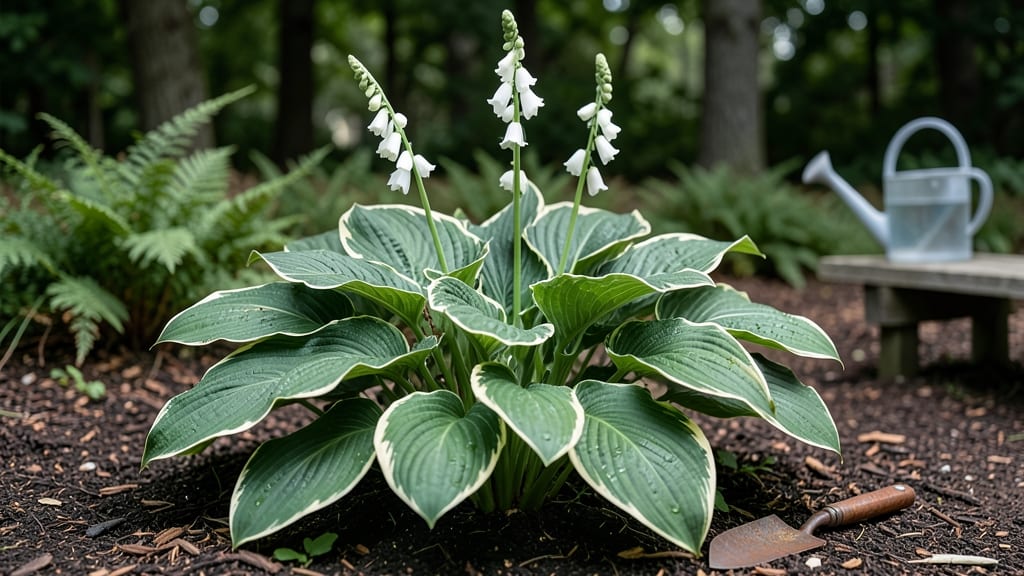
Zone 5 shade gardens can be shockingly lush—if you pick the right perennials. 🌿 I’ve transformed my wooded backyard from patchy weeds to a vibrant tapestry of ferns, hostas, and astilbes that thrive under tree canopies and along north-facing walls.
The key isn’t fighting the shade; it’s working with the cool, moist conditions these plants adore.
Start with soil that drains well but holds moisture—amend heavy clay with compost or peat moss to keep roots happy. Most shade lovers need 4-6 hours of dappled light at most, though some like hellebores and lungwort tolerate deeper shade.
Water consistently the first year to help them establish deep roots, then let nature take over.
By late summer, you’ll have a garden that stays green when others fade, with blooms from early spring astilbes to late-season Japanese anemones. The foliage alone—deep purples, chartreuse, and silvery variegation—creates year-round interest with almost no upkeep.
For Zone 5 beginners, avoid over-mulching (which can suffocate roots) and resist the urge to prune until new growth appears in spring. These perennials reward patience with decades of reliable beauty—no summer wilting or winter dieback in sight.
📚 In This Guide
- What you need
- Instructions
- Tips and common mistakes
- Wrapping up and next steps
What you need
- ● Shade-tolerant perennial plants: 5–10 plants per square foot (e.g., Hosta, Heuchera, Astilbe, Ferns, Bleeding Heart). Choose Zone 5-hardy varieties (check labels for cold resistance!).
- ● High-quality potting soil: 1–2 bags (1 cubic foot each) of moisture-retentive, well-draining mix (look for "shade garden" blends).
- ● Compost or organic matter: 1–2 bags (20–30 lbs each) to enrich soil fertility.
- ● Mulch: 1–2 bags (3 cubic feet) of shredded bark or pine straw (retains moisture and regulates temperature).
- ● Garden gloves: 1 pair (waterproof, reinforced for durability).
- ● Hand trowel or transplant spade: 1 (5–6" blade for precision).
- ● Watering can or hose with adjustable nozzle: 1 (for gentle watering without disturbing soil).
- ● Pruners: 1 pair (bypass pruners for clean cuts).
- ● Measuring tape or ruler: 1 (for spacing plants 12–24" apart).
- ● Soil test kit: 1 (to check pH—ideal range: 5.5–6.5 for most shade perennials).
- ● Slow-release fertilizer: 1 bag (e.g., 10-10-10 or fish emulsion for organic options).
- ● Drip irrigation system: 1 (automates watering for consistency).
- ● Garden kneeler/pad: 1 (for comfort during planting).
- ● Plant labels: 10–20 (waterproof markers to track varieties).
- ● Epsom salt: 1 small bag (magnesium boost for Hostas and Heucheras).
Step-by-Step guide to designing a thriving shade perennial garden in Zone 5
Here's how I create a stunning, low-maintenance shade garden that survives Zone 5 winters and blooms reliably year after year.
🌿 Step 1: Choose the Right Cold-Hardy Perennials for Your Shade Conditions
Start with plants that handle Zone 5's -20°F to -30°F winters and thrive in less than 4 hours of direct sun daily. My top picks are hosta (varieties like 'Blue Angel' or 'Halcyon'), astilbe ('Fanal' or 'Deutschland'), and lungwort ('Blue Mist'). These handle shade while delivering foliage and flower interest from spring to fall.
For deeper shade areas, add ferns like Ostrich Fern or Japanese Painted Fern, both of which tolerate dry to moist soil and Zone 5 winters with ease. I always check the mature plant size—some hostas spread aggressively, while astilbe stays compact. This prevents future crowding issues.
🪴 Step 2: Prepare the Planting Area for Moisture Retention
Shade gardens need well-draining but moisture-retentive soil. Test your soil by digging a 6-inch hole—if water pools after 30 minutes, amend with 2 inches of compost or peat moss to improve drainage. For heavy clay, I mix in 1 part sand per 3 parts soil to create a looser texture.
Work the amendments into the top 12 inches of soil using a garden fork. This ensures roots have access to both air and moisture. Avoid tilling when soil is wet—it compacts and defeats the purpose. Instead, break up clumps with your hands until the soil crumbles easily.
☀️ Step 3: Plant Correctly for Long-Term Success
Dig holes twice as wide as the root ball but only as deep as the root ball itself. This prevents burying stems too deeply, which can cause rot. Place each plant in its hole, then fill with soil, pressing gently to remove air pockets. Water deeply to settle the soil around roots.
Space hostas 18-24 inches apart (they spread), astilbe 12-18 inches apart (depending on variety), and ferns 12-18 inches apart. Mulch with 2-3 inches of shredded bark or leaf mold to retain moisture and regulate soil temperature. This is especially critical in Zone 5, where winter soil temps can fluctuate drastically.
💧 Step 4: Water and Maintain for Year-Round Beauty
Water newly planted perennials deeply every 2-3 days until they establish roots (4-6 weeks). You'll know they're settled when leaves look plump and vibrant, not wilted. After establishment, most shade perennials need water only during prolonged dry spells—check by sticking your finger 2 inches into the soil.
In late fall, cut back dead foliage from astilbe and lungwort but leave hosta leaves for winter interest (and to protect crowns). Apply a 1-inch layer of mulch in early spring to protect emerging shoots from late frosts. I also fertilize lightly in early spring with a balanced 10-10-10 formula to encourage lush growth.
✂️ Step 5: Divide and Refresh Every 3-4 Years
Hosta and lungwort clumps need dividing when they outgrow their space. In early spring, dig up the entire clump, then separate with a sharp spade into 3-5 inch sections, each with roots and shoots. Replant immediately in the same soil conditions. This rejuvenates growth and prevents overcrowding.
For astilbe and ferns, simply remove and compost old foliage in late winter. These plants self-clean naturally, so no pruning is needed beyond tidying up. If you notice yellowing leaves in summer, it’s often a sign of too much sun—relocate or provide more shade if needed.
Tips & tricks for thriving shade gardens in Zone 5
These practical insights will help you create a shade garden that not only survives but thrives in Zone 5's challenging conditions.
Plant Selection Wisdom: When choosing hostas for your shade garden, opt for varieties with thicker leaves like 'Blue Angel' or 'Halcyon'—they handle winter better and resist slug damage. I've found that hostas with blue or dark green foliage often tolerate colder temperatures slightly better than lighter varieties. For deeper shade areas, consider adding Japanese Painted Fern—its striking foliage adds year-round interest and handles both dry and moist soil conditions beautifully.
Soil Test Visual Cue: The 30-minute water test in Step 2 is crucial. If water pools after 30 minutes, your soil is too dense. Here's what to watch for: after digging your 6-inch hole, pour about 2 cups of water into it. If the water level drops less than 1/4 inch in 30 minutes, you definitely need to amend with compost or peat moss. For heavy clay, I've had success with a 1:3 sand-to-soil mix—it creates that perfect loamy texture that shade plants crave.
Planting Depth Secret: In Step 3, that "only as deep as the root ball" rule is non-negotiable. I learned this the hard way when I buried a lungwort crown too deeply—it took two years for it to recover. When planting, make sure the top of the root ball sits just slightly above soil level. For hostas, you can even mound soil around the crown to protect against winter heaving. This small adjustment can mean the difference between a thriving plant and one that struggles.
Winter Protection Strategy: The 1-inch layer of mulch in early spring is your best defense against late frosts. I've found that shredded bark works best because it breaks down slowly, providing long-term moisture retention. For extra protection in Zone 5's harsh winters, consider adding a layer of evergreen boughs over the mulch for the coldest months. This creates a natural insulating blanket that can protect plants down to -20°F without any effort.
Pro Tips for Shade Perennials Zone 5
- These practical insights will help you create a shade garden that not only survives but thrives in Zone 5's challenging conditions.
- Plant Selection Wisdom: When choosing hostas for your shade garden, opt for varieties with thicker leaves like 'Blue Angel' or 'Halcyon'—they handle winter better and resist slug damage.
- Soil Test Visual Cue: The 30-minute water test in Step 2 is crucial.
Frequently asked questions
Got questions about shade perennials in Zone 5?
You’re not alone! Here are answers to the most common concerns—from timing to troubleshooting—to help you create a lush, low-light garden that wows year after year.
Which shade perennials survive Zone 5 winters best?
Look for cold-hardy varieties like heuchera (coral bells), hostas, astilbes, and lungwort. These thrive in Zone 5’s harsh winters (down to -20°F/-29°C) and bounce back with vibrant foliage or blooms. Pro tip: Mulch heavily in late fall to protect roots!
When is the best time to plant shade perennials in Zone 5?
Plant in early spring (April–May) or early fall (September–October) when soil is workable but not frozen. Avoid summer heat stress or winter planting, which can expose tender roots to freeze-thaw cycles. Spring planting gives roots time to establish before winter.
Can I grow shade perennials in deep shade (no direct sun)?
Opt for deep-shade specialists like Japanese painted fern, Christmas fern, or foamflower (Tiarella). These handle less than 2 hours of sun daily. Pair them with hostas or astilbes for moderate shade (2–4 hours of sun) to create layers of texture and color.
How do I keep pests (like slugs or deer) from destroying my shade perennials?
Use organic deterrents like diatomaceous earth, beer traps, or copper barriers for slugs. For deer, plant unpalatable perennials like heuchera, lamium, or ferns. Physical barriers (like fencing) or repellent sprays can also help. Pro tip: Avoid planting hostas alone—mix them with prickly or fragrant plants to deter pests!
What if my shade perennials look leggy or sparse?
Leggy growth often means too little light or overcrowding. Thin out plants, divide clumps every 3–4 years, and ensure they’re in partial shade (not deep shade). Fertilize lightly in spring with balanced, slow-release fertilizer to encourage bushier growth.
Wrapping up and next steps
Choosing the right shade perennials for Zone 5 can transform your garden into a lush, year-round retreat—even in cooler climates! 🌿 From hardy hostas to vibrant astilbes, these plants prove that shade doesn’t mean sacrificing beauty.
With the right care and placement, you’ll enjoy low-maintenance, cold-resistant blooms that bring joy season after season.
Ready to get started? Sketch a simple garden plan based on your shade levels—then pick 2-3 perennials from this list to begin your shade-loving oasis. Happy gardening! 🌱