
Light Requirements
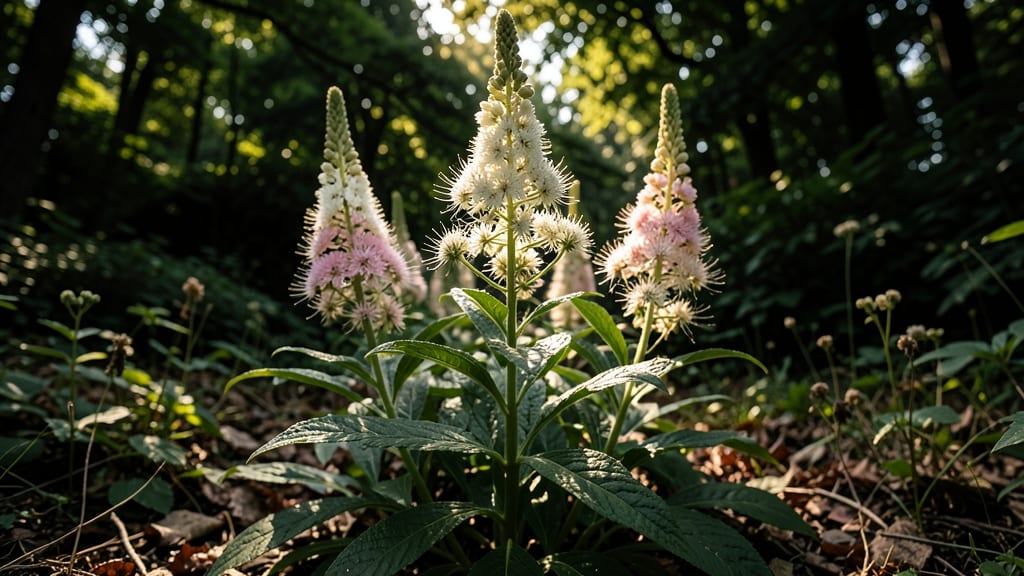
Struggling to keep plants alive in your shady Zone 7 garden? These 10 full-shade perennials thrive with minimal sunlight, deliver stunning blooms, and require almost no maintenance once established. Perfect for under trees, north-facing yards, or dense foliage areas.
Hostas For Lush Green Ground Cover
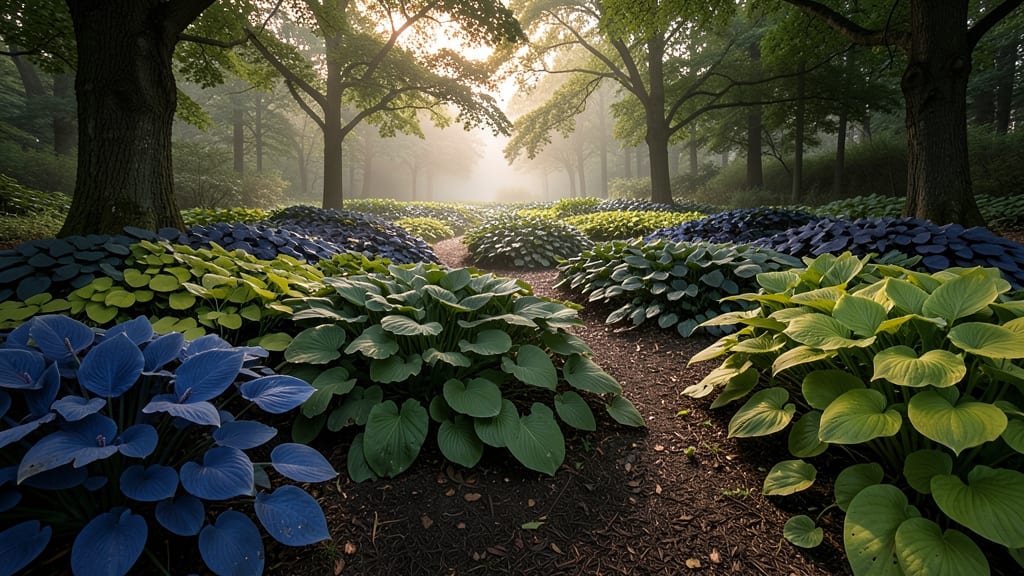
If you love a garden that feels like a living painting, hostas are your secret weapon. With over 3,000 cultivars, you can mix deep blues, chartreuse yellows, and even black-purple foliage to create a year-round tapestry—no flowers required. These shade stars thrive in Zone 7’s full shade, making them perfect for problem areas like under trees where other plants struggle.
Hostas prefer moist, well-draining soil with a pH of 6.5-7.5, and most varieties tolerate deer (though slugs love them—so add beer traps!). For maximum impact, group plants by leaf color and texture, like pairing ‘Blue Angel’ (deep blue) with ‘Francee’ (golden edges). Divide clumps every 3-4 years to keep them vigorous, and watch as they fill in bare spots effortlessly.
This is the go-to plant for gardeners who prioritize foliage drama over blooms, especially in low-light spots. 💚
Bleeding Heart For Delicate Spring Blooms
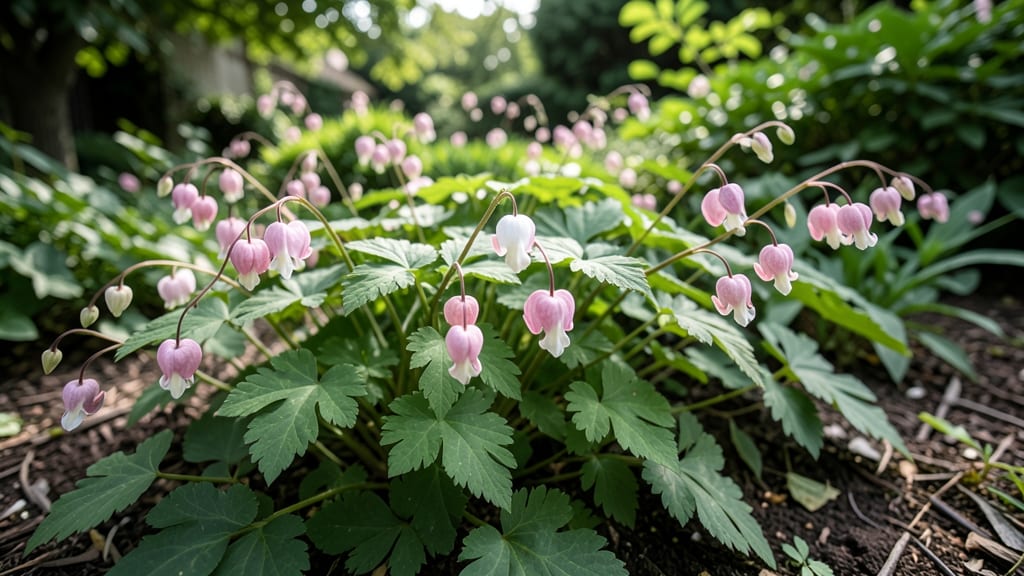
If you crave a garden that feels like a romantic watercolor painting, bleeding heart (Dicentra spectabilis) delivers the dream with its iconic heart-shaped flowers that cascade like pink or white lace. This classic shade perennial brings drama to borders and cottage gardens, where its arching stems create natural vertical interest—no trellis required.
Plant in moist, well-draining soil with partial to full shade, and expect blooms in early to mid-spring that last 4-6 weeks. Some varieties, like ‘Gold Heart’, rebloom in late summer for extended seasonal interest. For best results, divide clumps every 3-4 years to maintain vigor, and pair with ferns or hostas for a lush woodland effect.
Perfect for gardeners who love seasonal highlights and cottage-style charm, bleeding heart thrives where other plants struggle. 🌷
Hellebores For Early Winter Interest
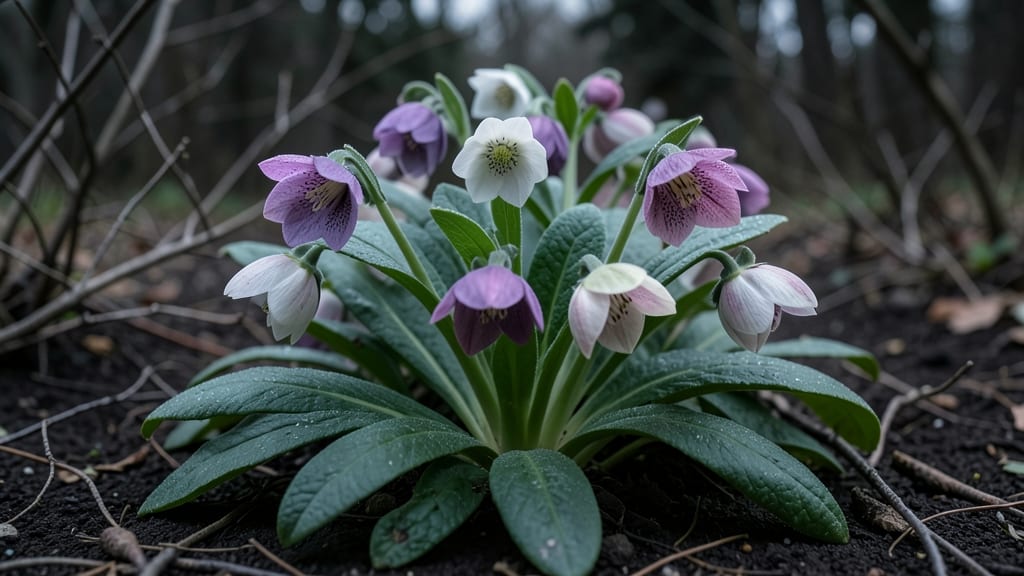
When your garden looks barren in late winter, helleborus (commonly called hellebores) steps in as the unsung hero, offering bold, nodding blooms that defy the cold. These evergreen perennials thrive in Zone 7’s deep shade, where most plants give up—yet hellebores emerge with striking flowers in purple, white, pink, or green, often before spring even arrives.
Plant them in well-draining, slightly acidic soil (pH 6.0-7.0) and water moderately—once established, they’re drought-tolerant and nearly pest-free. Deadhead spent blooms to encourage more flowers, and divide clumps every 3-5 years to keep them vigorous. Varieties like ‘Winter Jewels’ or ‘Annie’s Song’ add year-round interest with their glossy foliage.
Ideal for gardeners who want low-maintenance color in the darkest corners, hellebores bring life to shady spots where nothing else dares to bloom. 🌱
Astilbe For Feathery Summer Flowers
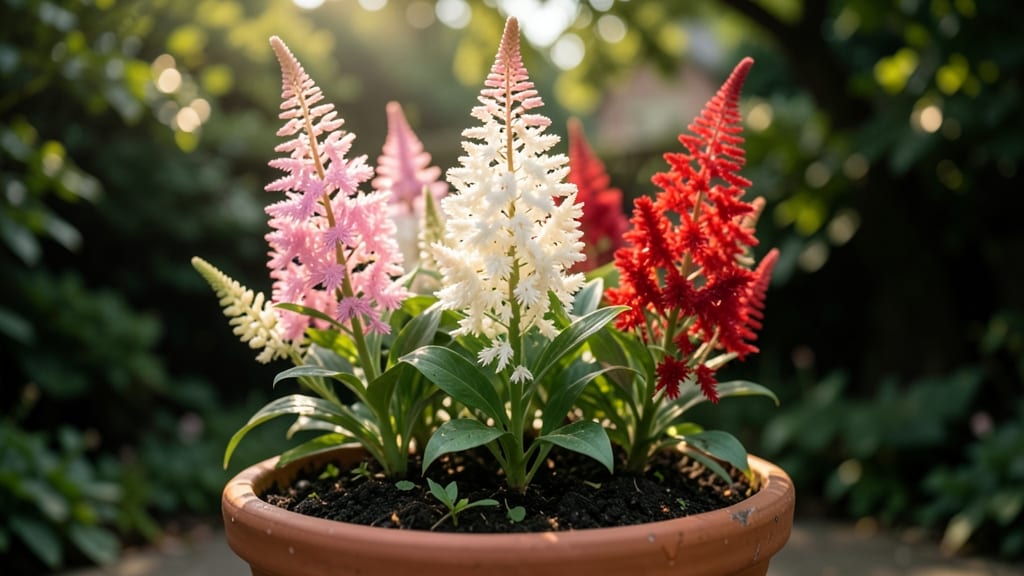
When your shady garden needs a bold summer statement without the fuss, astilbe delivers with its feathery plumes in soft pinks, whites, or fiery reds that last for weeks. Unlike many shade plants that wilt in heat, astilbe thrives in moist, well-drained soil—making it ideal for containers, rain gardens, or areas where water pools after storms.
These clump-forming perennials (Zone 3-8) bloom from late spring to early fall, offering long-lasting color when other shade plants fade. For best results, plant in full to partial shade and keep soil consistently moist—mulch helps retain moisture. Varieties like ‘Fanal’ (deep red) or ‘Deutschland’ (pink) add height (18-36 inches) to borders or woodland gardens, while dwarf types fit containers perfectly.
Perfect for urban gardeners with limited space or moisture-retentive spots, astilbe turns shady corners into lush, textured displays with minimal effort. 🌻
Lungwort For Medicinal Beauty
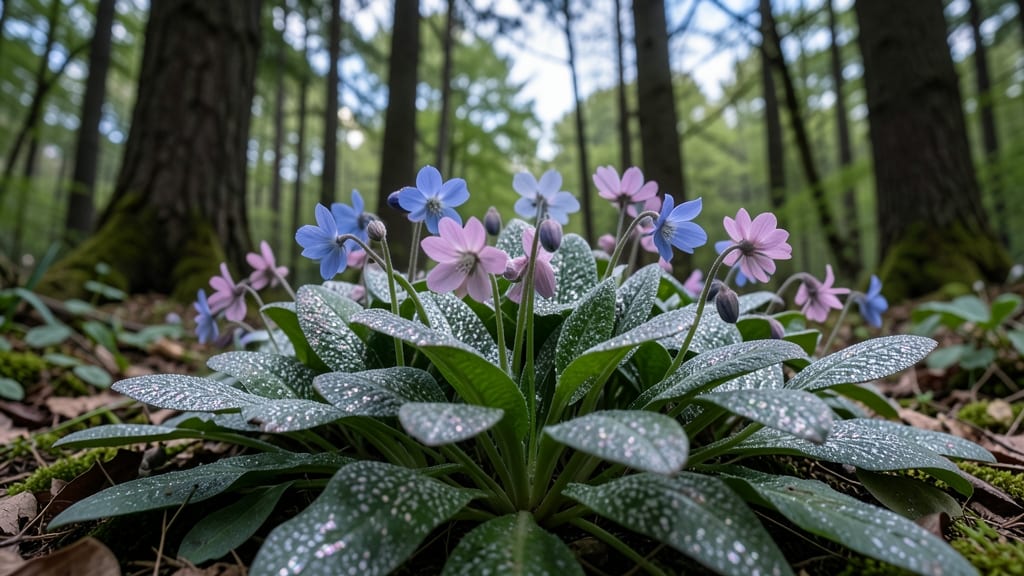
Looking for a shade-loving perennial that does double duty as both a garden star and a historical remedy? Lungwort (Pulmonaria spp.) delivers with its striking silver-spotted foliage and delicate blue or pink flowers that bloom in early spring, often before most other perennials. This woodland native thrives in damp, shady spots where other plants struggle, making it perfect for Zone 7's full shade conditions.
Lungwort's foliage was historically used in herbal remedies for respiratory health (hence the name), and its flowers attract early-season pollinators like bees and butterflies. Plant in rich, moist, well-draining soil with organic matter, and expect year-round interest—the spotted leaves remain attractive even after flowering. Varieties like 'Sissinghurst White' or 'David Douglas' offer different flower colors while maintaining the same hardy nature. For maximum impact, pair with hellebores or ferns in woodland garden settings.
This is the ideal choice for gardeners who want both beauty and history in their shade garden, especially those with damp or mossy areas that need year-round interest. 🌿
Japanese Painted Fern For Texture
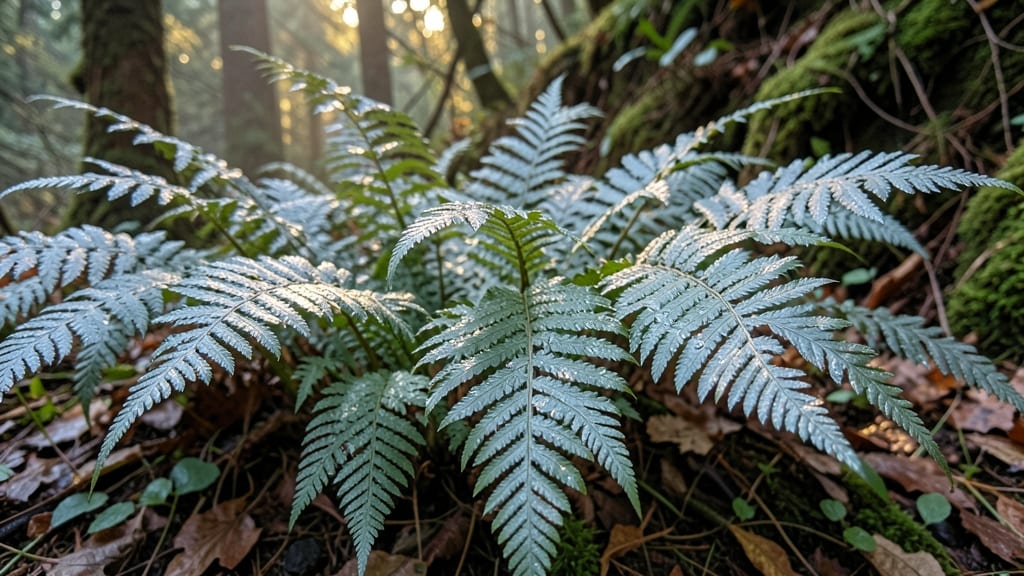
Tired of dull green ferns that blend into the background? The Japanese painted fern (Athyrium niponicum var. pictum) steals the show with its silver-and-green fronds that shimmer like moonlight on water. Unlike other ferns that wilt in summer heat, this variety thrives in Zone 7’s full shade, making it the perfect anchor for woodland gardens or borders where sunlight barely reaches.
This hardy fern grows 18-24 inches tall with delicate, lacy foliage that provides year-round texture. Plant it in moist, well-draining soil enriched with organic matter, and watch it spread gently to fill gaps between other shade perennials. Varieties like ‘Ghost’ feature striking silver centers, while ‘Metallicum’ boasts deep green fronds with metallic sheens. For maximum impact, pair it with hostas or hellebores to create a layered, high-contrast display.
Perfect for gardeners who want dramatic foliage without the fuss**, this fern requires minimal care once established—just keep the soil consistently moist (mulch helps!). It’s also deer-resistant, making it ideal for rural properties. 🌿
Coral Bells For Colorful Foliage
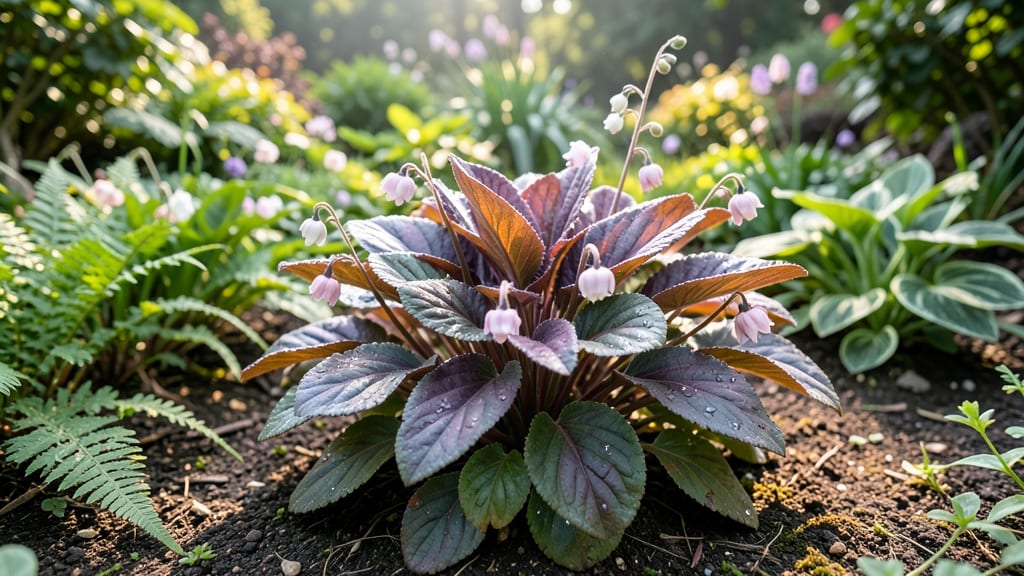
If you want a shade garden that pops with color year-round, coral bells (Heuchera) are your secret weapon. Unlike many shade plants that rely on flowers, coral bells dazzle with foliage in purple, silver, or chartreuse hues—plus, some varieties add delicate blooms in spring or summer for extra flair.
These clump-forming perennials thrive in both full and partial shade, making them ideal for Zone 7’s tricky light conditions. Plant in well-draining soil (they hate soggy roots) and water moderately—once established, they’re drought-tolerant. Varieties like ‘Palace Purple’ (deep burgundy) or ‘Lime Rickey’ (chartreuse) add dramatic contrast, while ‘Berry Smoothie’ offers a mix of colors. For containers, pair with ferns or hostas to create a layered look.
Perfect for modern gardeners who love bold foliage with minimal fuss, coral bells bring color to shady spots where other plants fail. 💚
Solomon's Seal For Arching Elegance
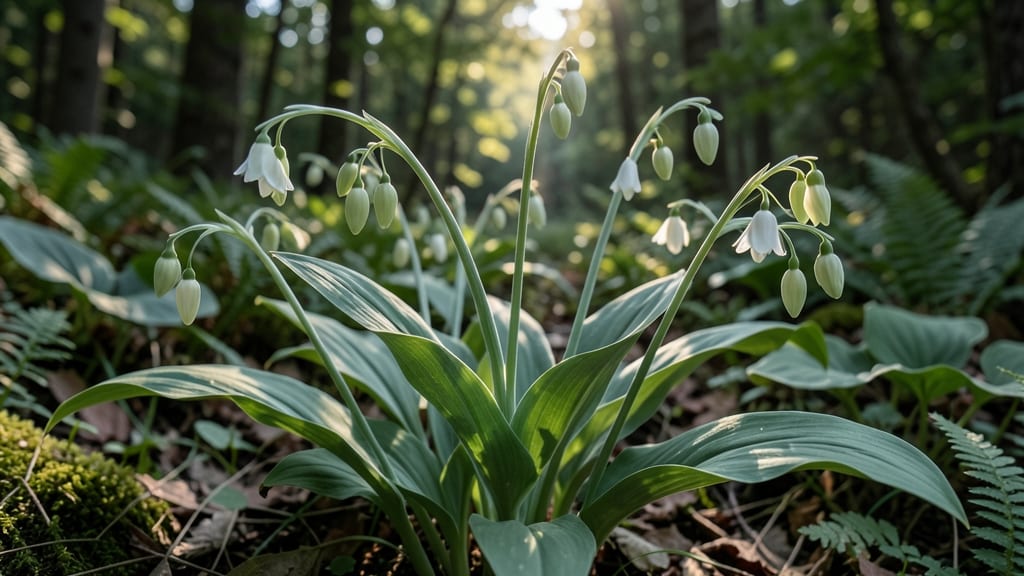
Transform your shady Zone 7 garden into a serene woodland retreat with Solomon's Seal (Polygonatum spp.), a perennial that delivers elegant arching stems and dangling white or green flowers. Unlike many shade plants that sprawl or flop, this graceful beauty creates natural vertical lines that draw the eye upward—ideal for adding structure to dark corners without needing a trellis.
Thriving in full to partial shade, Solomon's Seal prefers moist, well-draining soil with organic matter, making it perfect for woodland gardens or understory plantings. Its late spring to early summer blooms attract hummingbirds, and the striking seed pods that follow add seasonal interest. Varieties like 'Alexander' (white flowers) or 'Blue Mist' (blue-green foliage) offer different textures, while its deer-resistant nature makes it a practical choice. Simply divide clumps every 3-4 years to maintain vigor.
This is the perfect plant for gardeners who want effortless elegance in shady spots, especially those designing naturalistic landscapes where structure meets serenity. 🌿
Tiarella For Forest Floor Beauty
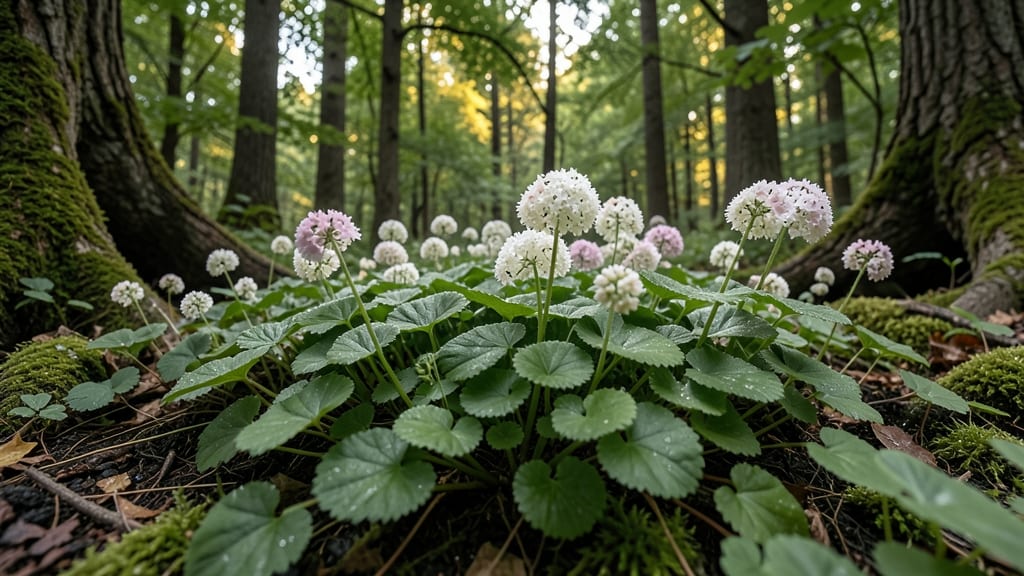
Transform your shady garden’s underused corners into a lush, woodland-inspired tapestry with tiarella (Tiarella cordifolia), often called foamflower. This low-growing ground cover thrives where other plants fail—moist, shady spots under trees or along north-facing foundations—delivering delicate white or pink flower spikes in spring and striking lobed foliage that turns burgundy in fall.
Plant tiarella in well-draining, humus-rich soil with consistent moisture (it dislikes drought), and watch it spread gently to fill gaps between rocks or other shade perennials. Varieties like ‘Pink Skyrocket’ add height (12-18 inches), while ‘Little Sweetheart’ stays compact (6-8 inches), perfect for rock gardens or container edges. Its deer-resistant nature makes it ideal for rural properties, and it pairs beautifully with hellebores or ferns for a natural woodland effect.
Perfect for gardeners who want effortless beauty in tricky shade spots, tiarella brings year-round interest with minimal care—just keep the soil moist and prune spent blooms. 🌿
Bugbane For Late Summer Drama

When your shade garden starts looking tired by late summer—just as other perennials fade—bugbane (Actaea spp.) steps in with a dramatic finale. This underrated shade star produces tall, architectural flower spikes (up to 4 feet) in pure white or soft pink that bloom from July through September, long after most shade plants have called it quits.
Thriving in Zone 7’s full shade, bugbane prefers moist, well-draining soil with organic matter, making it perfect for woodland gardens or understory plantings. Its ferny foliage adds texture year-round, while the flowers attract pollinators like bees and butterflies. Varieties like 'Hillside Black Beauty' offer deep burgundy foliage for contrast, while 'Brunette' features striking black stems. Simply divide clumps every 3-4 years to maintain vigor.
This is the perfect plant for gardeners who want late-season drama without the fuss—ideal for adding height to shady borders or as a focal point in woodland gardens. 🌟