
Light Requirements
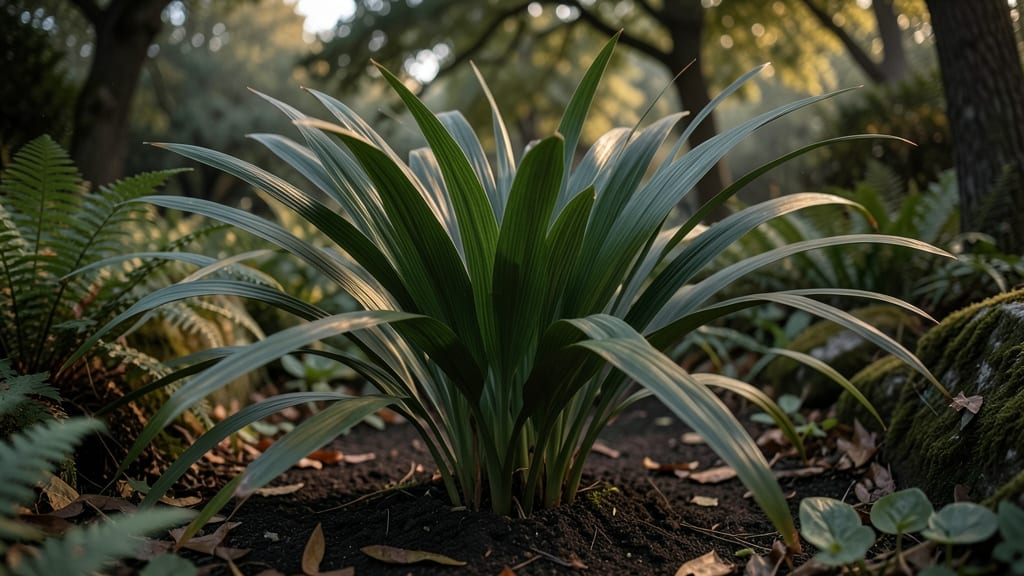
Dark garden corners don’t have to be dull—these shade-loving ornamental grasses bring dramatic texture, movement, and year-round interest while thriving in low-light conditions. Perfect for adding height and sophistication to challenging spaces, these varieties prove that shade gardens can be just as striking as sunlit ones.
Japanese Silver Grass for Elegant Movement

Transform your shady garden into a whispering sanctuary with Japanese Silver Grass (Miscanthus sinensis 'Silver Feather'), whose feathery silver plumes dance with every breeze. Unlike bold, upright grasses, this variety grows in graceful arcs, creating a dreamy, almost liquid movement that softens harsh edges in woodland gardens or shaded borders.
This low-maintenance perennial thrives in partial shade to full shade, tolerating everything from dry soil to occasional moisture. Plant it in clusters for maximum swaying effect, and enjoy its year-round structure—though you’ll adore its late-summer blooms most. A single clump (3-4 feet tall) becomes a focal point, while multiple plants create a living curtain.
Perfect for gardeners who want movement without fuss, Japanese Silver Grass pairs beautifully with hostas, ferns, or astilbes. Its silvery hues brighten dark corners, making it a top pick for serene, textured shade gardens. 🌿
Dwarf Fountain Grass for Compact Drama

When space is limited but you crave drama, Dwarf Fountain Grass (Pennisetum alopecuroides 'Hameln') delivers a bold punch in a tiny footprint. This shade-loving stunner tops out at just 18 inches, making it ideal for containers, window boxes, or tight garden corners where taller grasses can’t fit.
Its deep purple foliage and feathery plumes create a warm focal point that thrives in partial to full shade, where many plants wilt. Unlike its taller cousins, this variety stays neatly contained while offering year-round interest—plus, deer and rabbits tend to avoid it, giving you one less worry. For best results, plant in well-draining soil and water occasionally; it’s surprisingly drought-tolerant once established.
Urban gardeners and small-space enthusiasts will love how this grass brightens shady patios or balcony planters without overwhelming the space. 🌻
Ripple Grass for Textured Contrast

When your garden needs a textural game-changer that dances across the landscape instead of reaching upward, ripple grass (Pancratium illyricum) delivers a one-of-a-kind solution. Its horizontal, wavy growth habit creates a mesmerizing "rippling" effect that contrasts stunningly with vertical grasses, adding dynamic movement to shady spots where most plants struggle.
This deep-shade specialist thrives in moist, well-drained soil—ideal for rain gardens, pond edges, or woodland floors—where it spreads gracefully without competing for sunlight. Plant it in clusters to showcase its arching, blade-like foliage, which glows in filtered light and remains evergreen in mild climates. For best results, space clumps 12-18 inches apart and mulch lightly to retain moisture.
Perfect for gardeners who want low-maintenance drama without the fuss of pruning, ripple grass is especially magical when paired with upright grasses like Hakonechloa or Carex for a balanced, layered look. 🌿
Maiden Grass for Bold Vertical Lines

When you need to command attention in a shady garden, Maiden Grass (Miscanthus sinensis 'Karl Foerster') delivers architectural drama with its towering, golden plumes that catch and refract light like a hidden spotlight. Unlike delicate grasses that fade in low light, this variety thrives in partial shade, offering year-round structure—from spring’s fresh foliage to winter’s skeletal elegance that glows against bare branches.
This hardy perennial reaches 6-7 feet tall, making it perfect for back borders, privacy screens, or dramatic focal points where other plants struggle. Plant in clumps of 3-5 for maximum impact, and enjoy its drought tolerance once established—just water occasionally during the first growing season. The 'Karl Foerster' cultivar is especially prized for its upright growth habit and golden plumes that turn bronze in autumn, adding warmth to cool shade gardens.
Ideal for gardeners who want low-maintenance height, Maiden Grass pairs beautifully with ferns, hostas, or heucheras to create layered, textured beds. Its winter interest makes it a standout for those who love year-round beauty without the fuss of seasonal replacements. ✨
Feather Reed Grass for Winter Interest

When winter strips your garden bare, Feather Reed Grass (Calamagrostis acutiflora) stands tall as a skeletal artist, transforming dull corners into striking winter canvases. Unlike most grasses that collapse in cold, this hardy perennial maintains its arching structure even under snow, offering year-round texture when other plants fade.
This deep-shade specialist thrives where others fail—northern climates, boggy soil, or under dense tree canopies—making it perfect for problem areas. Plant it in moist but well-drained soil and watch its feathery white plumes catch light like frost-kissed lace. For maximum drama, pair it with evergreens or dark foliage for high-contrast beauty that lasts until spring.
Northern gardeners and urban planners will appreciate how this grass reduces winter maintenance while adding architectural interest. It’s the secret weapon for turning forgotten corners into focal points. ✨
Blue Fescue for Tiny but Mighty Impact

For those tricky spots where space is tight and light is scarce, Blue Fescue (Festuca glauca) delivers a punch of color without requiring an inch of extra room. This dwarf ornamental grass tops out at just 6-12 inches tall, making it perfect for edging paths, filling gaps between rocks, or brightening shady containers where other plants refuse to thrive.
Its vibrant blue-green tufts create a striking contrast against dark foliage or mulch, and once established, it’s drought-tolerant—ideal for dry-shade spots where moisture evaporates quickly. Plant in well-draining soil and space clumps 8-12 inches apart to showcase its dense, mounding habit. Unlike taller grasses, Blue Fescue stays neatly contained while adding year-round texture and a pop of cool color to shady corners.
Rock garden enthusiasts and urban gardeners with limited space will love how this grass softens edges while demanding almost no maintenance. Pair it with heucheras, creeping thyme, or small hostas for a polished, low-light garden that’s easy on the eyes—and even easier to care for. 💚
Carex Grass for Moisture-Loving Spaces

Turn soggy, forgotten corners into lush focal points with Carex grass, the unsung hero of moisture-loving gardens. Unlike most ornamental grasses that wilt in damp soil, this hardy group thrives in boggy conditions, rain gardens, or alongside streams—where few other plants dare to grow. Varieties like 'Ice Dance' deliver silvery-blue foliage that glows in filtered light, turning shady, wet areas into serene, textured escapes.
Plant Carex in partial to full shade where water lingers, and watch it spread gracefully without the aggressive habits of some wetland plants. Its arching, blade-like leaves create a soft, mounding habit perfect for ground cover or edging water features. For best results, amend heavy clay with compost and ensure consistent moisture—these grasses reward you with year-round color and minimal maintenance. Prune back dead foliage in early spring to keep it tidy.
This is the perfect solution for rain garden enthusiasts, pondside planners, or gardeners with soggy soil who want beauty without the hassle. Pair it with ferns, hostas, or moisture-loving shrubs for a lush, layered look that thrives where others fail. 💚
Purple Moor Grass for Vibrant Accents

Brighten your darkest garden corners with Purple Moor Grass (Molinia caerulea 'Heidebraut'), a shade-loving stunner that turns dull spaces into vibrant focal points. Its deep purple plumes glow like embers in filtered light, creating a dramatic contrast that makes other shade plants look pale by comparison. Unlike many grasses that struggle in low-light conditions, this variety thrives in dry shade once established, making it ideal for understory plantings or woodland garden edges.
Plant it in clumps of 3-5 to showcase its airy, arching habit, which reaches 3-4 feet tall and spreads 18-24 inches wide. For best results, pair it with silver hostas or variegated foliage to amplify its rich color—think 'Blue Angel' hostas or 'Frances Mason' heucheras for a jaw-dropping combination. This grass also handles poor, dry soil better than most, making it perfect for problem areas where other plants refuse to grow.
Perfect for gardeners who want year-round structure with minimal effort, Purple Moor Grass adds drama without demanding constant attention. Its late-summer blooms provide nectar for pollinators, while its winter seed heads offer skeletal interest when most gardens fade. 💚
Variegated Switch Grass for Year-Round Color

Bring a touch of modern elegance to your shady garden with Variegated Switch Grass (Panicum virgatum 'Northwind'), a standout grass with cream-and-green striped foliage that catches the light like a living watercolor. Unlike most ornamental grasses that fade in low light, this variety thrives in partial shade while adding year-round visual interest—from fresh spring growth to frosty winter blades.
What sets it apart is its urban resilience: it tolerates pollution, compacted soil, and city conditions where other grasses struggle. Plant it in clumps of 3-5 for maximum impact, and enjoy its low-maintenance nature—just water occasionally after establishment. The striped pattern becomes more pronounced in cooler months, making it a winter star. For best results, pair it with dark foliage plants like heucheras or black mondo grass to make the variegation pop.
City gardeners and urban planners will appreciate how this grass softens hard landscapes while demanding minimal care. It’s the perfect solution for transforming dull corners into textured, low-light focal points that shine year-round. 💚
Sweet Flag for Fragrant Shade Gardens

Elevate your shady garden from merely functional to sensory delight with Sweet Flag (Acorus calamus), a grass that doubles as a fragrant air freshener. Unlike other ornamental grasses that rely solely on visual appeal, this variety releases a subtle vanilla-like scent when brushed against—perfect for creating an inviting pathway or sensory garden where you can enjoy the aroma while walking.
This wetland specialist thrives in partial to full shade and boggy soil, making it ideal for rain gardens, pond edges, or areas where water pools after rain. Its arching, sword-like leaves (reaching 3-4 feet tall) add vertical interest, while its delicate yellow flowers in spring attract pollinators. For best results, plant in clumps of 3-5 and pair with moisture-loving plants like Carex or Japanese Painted Fern to create a lush, fragrant understory.
Gardeners with problem areas—like soggy corners or under dense trees—will love how Sweet Flag transforms these spaces into functional yet beautiful zones. Its dual role as both a fragrant and ornamental plant makes it a standout for those who want more than just looks from their shade garden. 🌱