
Light Requirements
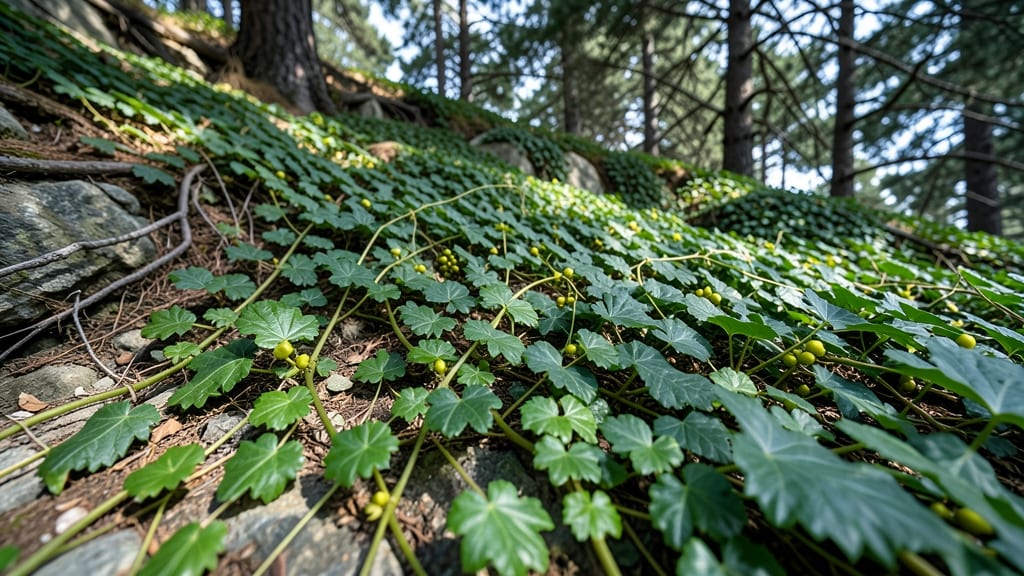
Zone 6 gardens can thrive with lush, shade-tolerant shrubs that add texture and beauty without demanding full sun. These 10 low-maintenance options bring year-round interest—from evergreen structure to vibrant seasonal blooms—while adapting effortlessly to partial or full shade conditions.
Dwarf Fothergilla for Fragrant Spring Blooms
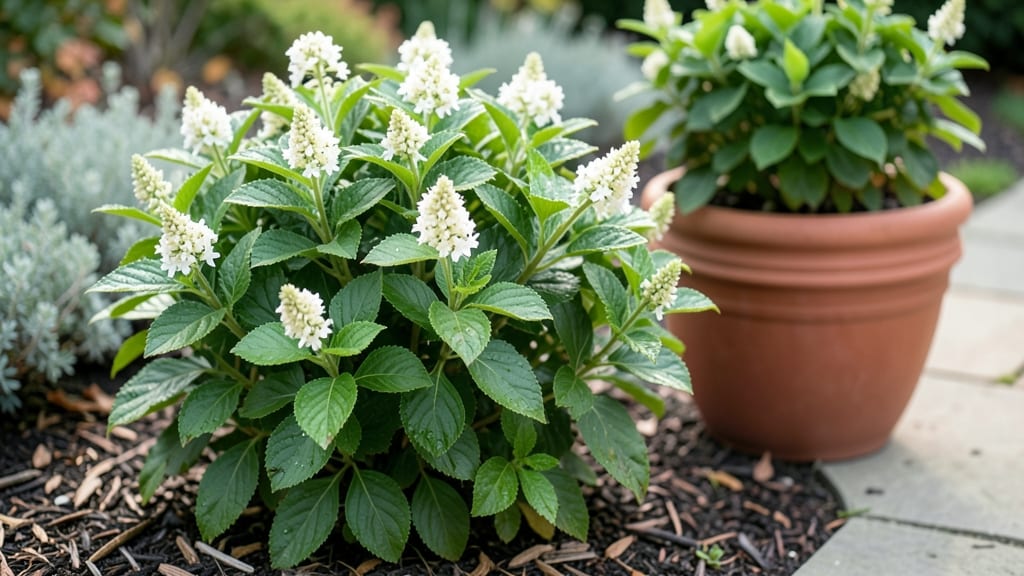
If you love fragrant blooms but lack space for towering shrubs, dwarf fothergilla (Fothergilla gardenii) is your perfect match. This compact beauty tops out at just 3-4 feet, making it ideal for small gardens, borders, or even large containers while delivering seasonal drama with almost no effort.
In late spring, its bottlebrush-like white flowers release a subtle, sweet fragrance that attracts pollinators, while its dark green leaves provide lush foliage year-round. But the real showstopper? The fiery fall foliage that turns fiery orange and red—transforming your shade garden into a autumn masterpiece. Thrives in partial to full shade and tolerates moist, well-drained soil, though it’s surprisingly adaptable to drier conditions once established.
Perfect for urban gardeners or those with limited space, dwarf fothergilla offers three seasons of interest with minimal pruning. Plant it as a focal point or in groups for a natural woodland feel. 🌻
Oakleaf Hydrangea for Seasonal Color Shifts
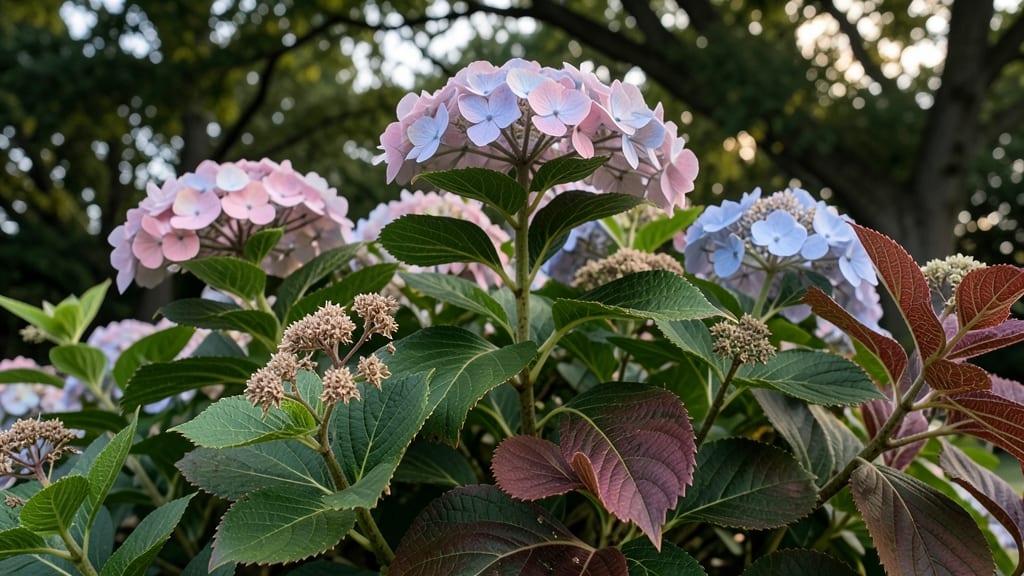
Tired of shrubs that stay boringly green all season? The oakleaf hydrangea (Hydrangea quercifolia) delivers a three-season color show—starting with glossy green oak-shaped leaves, shifting to burgundy in fall, and topped with summer blooms that fade from pink to blue. This shade lover thrives in partial to full shade, making it ideal for under trees or north-facing beds where other plants struggle.
Unlike high-maintenance hydrangeas, this variety handles Zone 6 winters with ease and requires minimal pruning—just trim back old blooms in late winter. Its large, textured leaves add architectural interest, while the fragrant blooms attract pollinators. For best results, plant in moist, well-drained soil with a mulch layer to protect roots in winter. 🌿
Japanese Pieris for Early Spring Interest
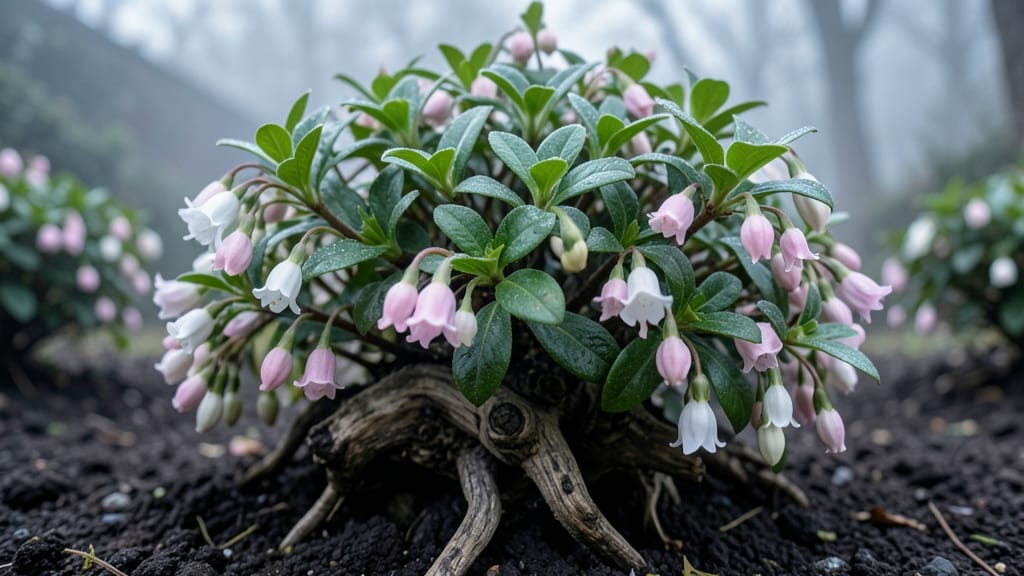
When winter still clings to your garden, Japanese pieris (Pieris japonica) bursts onto the scene with its delicate pink or white bell-shaped flowers in late winter—often before spring even arrives. This early bloomer thrives in acidic, well-drained soil, making it a standout for gardeners with woodland-inspired spaces or acidic native soil conditions.
The shrub’s evergreen foliage provides year-round structure, while its glossy dark green leaves create a lush backdrop for the stunning spring display. Prune lightly after flowering to maintain shape, and avoid heavy cuts that remove next year’s blooms. Plant in partial to full shade, where it excels under tree canopies or along foundation plantings, adding both color and texture to shady corners.
Perfect for woodland gardeners or those seeking low-maintenance structure, Japanese pieris delivers early-season drama with minimal effort. 🌱
Inkberry Holly for Year-Round Privacy
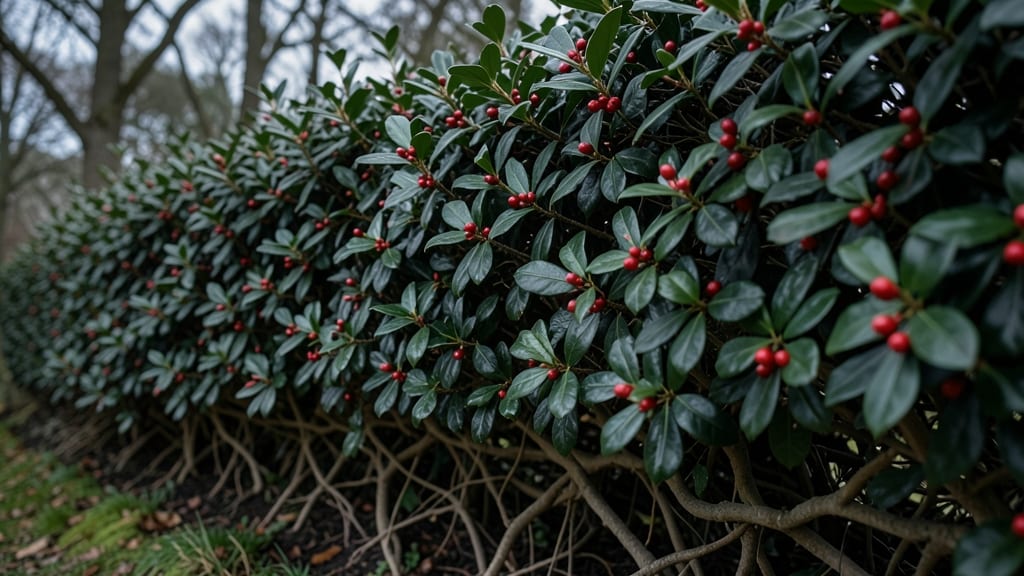
Want a privacy hedge that thrives in shade without fuss? Inkberry holly (Ilex glabra) delivers year-round screening with its dense, glossy dark leaves—no summer wilting or messy fruit cleanup. Unlike traditional hollies, male plants produce small red berries that birds adore without dropping seeds everywhere, while female plants can be removed entirely for a tidy look.
This drought-tolerant evergreen handles Zone 6 winters with ease and resists pests and diseases, making it ideal for low-maintenance hedges or foundation plantings. It thrives in partial to full shade, tolerates wet or dry soil, and grows 6-10 feet tall—perfect for blocking unsightly views or noisy neighbors. Prune lightly in late winter to maintain shape.
Best for gardeners who want evergreen privacy without the upkeep of boxwoods or the fruit mess of other hollies. Plant in groups for a natural, wind-resistant barrier that stays lush all year. 💚
Coral Bells (Heuchera) for Striking Foliage
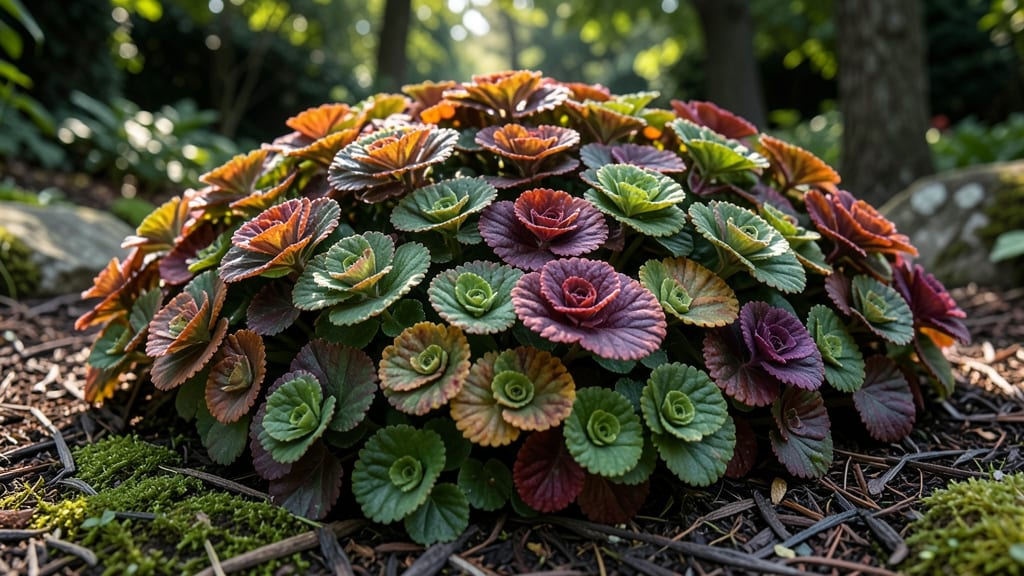
Skip the traditional shrubs—coral bells (Heuchera) deliver the same bold impact in a fraction of the space. These aren’t your typical shrubs; they’re compact clumps of jewel-toned foliage that thrive where others fail, making them perfect for deep shade gardens, containers, or edging. With varieties in vibrant purple, silver, or lime-green, they brighten shady spots year-round without needing sunlight.
Unlike high-maintenance shrubs, Heuchera thrives in deep shade or partial sun and handles Zone 6 winters with ease. Their heart-shaped leaves stay crisp and colorful even in low light, while their slow-spreading habit keeps them tidy. For containers, choose dwarf varieties like 'Palace Purple' or 'Lime Rickey'; for borders, let them mingle with ferns or hostas. Water consistently but avoid soggy soil—they prefer well-drained conditions.
Urban gardeners and small-space lovers will adore how Heuchera transforms dull corners into eye-catching displays with zero fuss. Pair it with shade-loving perennials for a layered, low-light garden that’s as easy to grow as it is stunning. 💚
Azalea for Vibrant Spring Displays
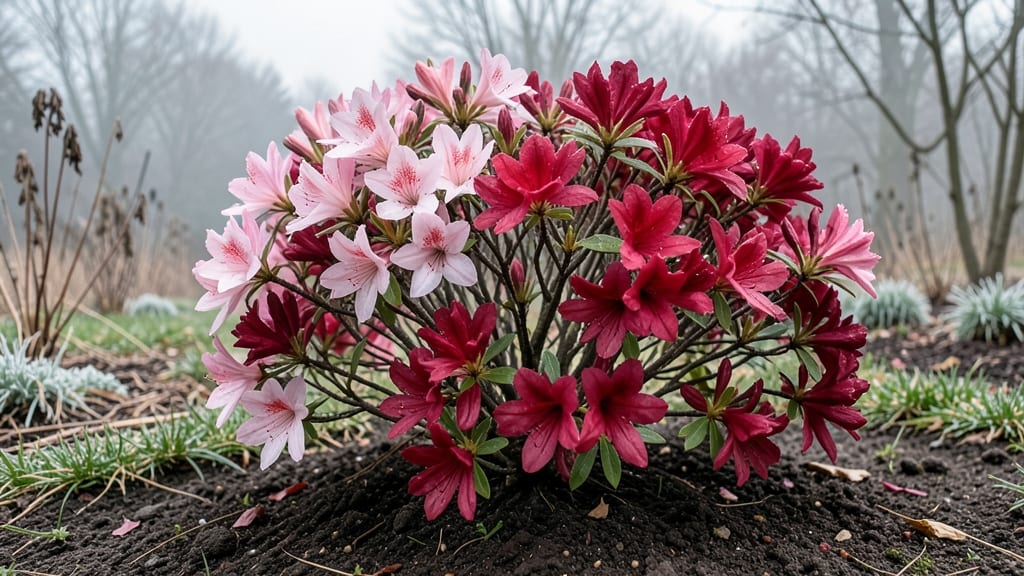
Need a bold splash of color in early spring when most gardens are still dormant? Zone 6-hardy azaleas like 'Girard’s Pink' or 'Hino Crimson' burst into bloom as soon as temperatures rise, creating a dazzling display that lasts for weeks. These varieties thrive in acidic, well-drained soil—ideal for woodland gardens or understory plantings where other shrubs struggle.
Unlike their tropical cousins, these azaleas survive Zone 6 winters with proper care, producing showy, trumpet-shaped flowers in shades of pink, red, or white. For best results, plant in partial shade (3-6 hours of sun) and mulch heavily to retain moisture. Prune lightly after flowering to maintain shape, and avoid heavy cuts that remove next year’s blooms. Their glossy evergreen leaves provide year-round structure, while their spring blooms attract pollinators and brighten shady corners.
Perfect for woodland gardeners or those creating mass plantings, azaleas deliver early-season drama with minimal effort—just ensure your soil stays acidic (pH 4.5-6.0). 🌷
Boxwood for Structured Evergreen Borders
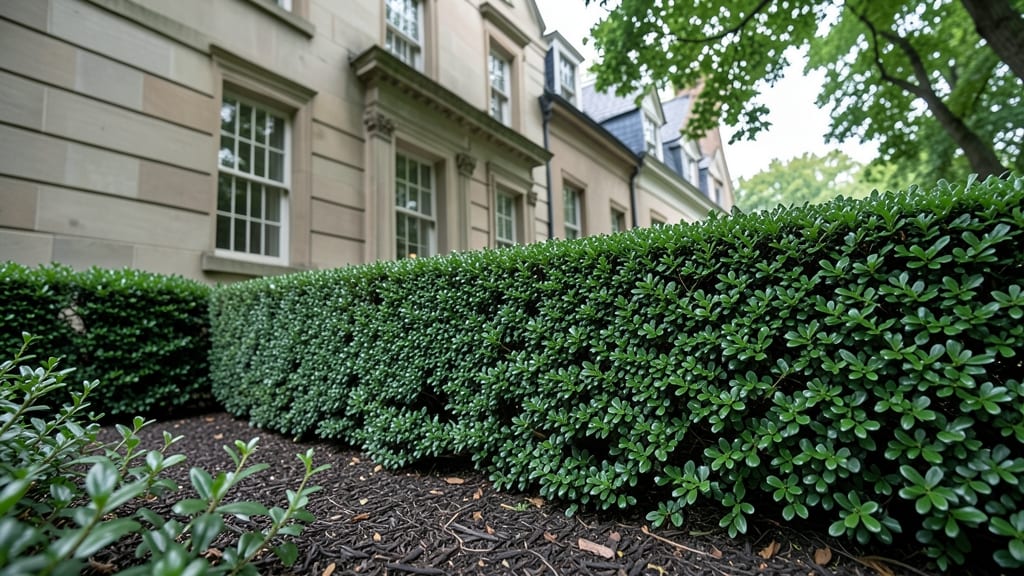
Craving a polished, evergreen border that stays lush year-round without demanding full sun? Boxwood is the timeless solution for structured, shade-tolerant gardens. This classic shrub thrives in partial to full shade, making it ideal for foundation plantings, hedges, or topiary shapes that add elegance to any landscape.
With its dense, glossy foliage, boxwood handles heavy pruning like a pro—perfect for shaping into geometric forms or keeping as a neatly trimmed hedge. Varieties like 'Green Velvet' or 'Winter Gem' stay compact (2-4 feet tall), while larger types like 'American Holly' reach 6-10 feet for taller borders. Plant in well-drained soil with occasional watering, and watch it thrive in Zone 6 winters with minimal care.
Best for gardeners who love formal structure or need a low-maintenance evergreen for privacy. Pair it with shade-loving perennials like hostas or ferns for a layered, polished look that never goes out of style. ✨
Daphne for Fragrant Winter Blooms
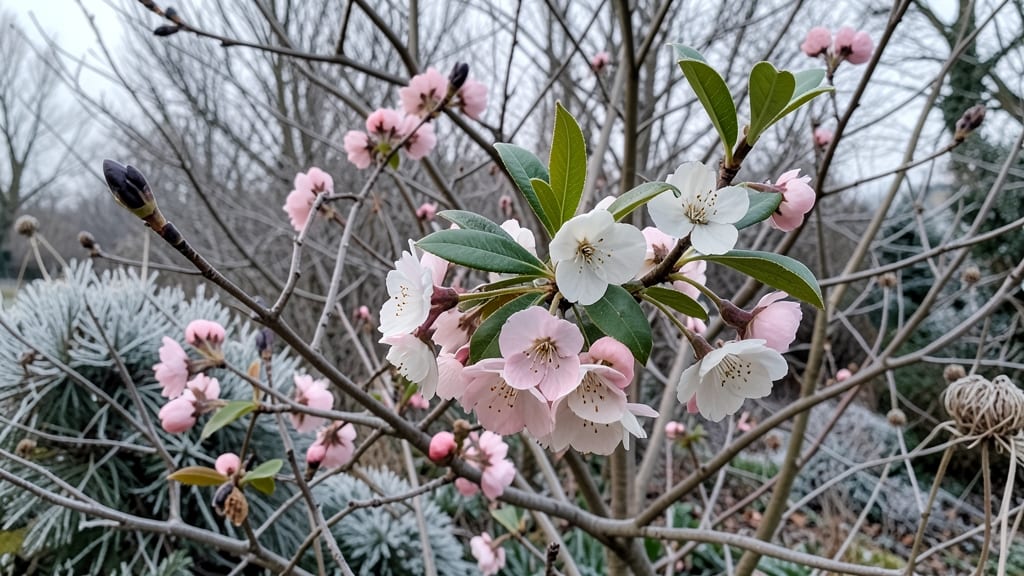
When winter’s chill makes your garden feel barren, daphne shrubs arrive like a whisper of spring with their delicate pink or white flowers and intoxicating fragrance. Unlike spring-blooming shrubs, daphne often flowers in late winter or early spring, when most gardens are still dormant—making it a standout for adding scent and color to the coldest months.
These shade-loving beauties thrive in partial shade, making them perfect for under trees, along north-facing walls, or in containers where fragrance can be enjoyed up close. Varieties like Daphne odora (winter daphne) or Daphne x transatlantica (perfume daphne) produce clusters of fragrant blooms that fill the air with a sweet, spicy scent. Plant in well-drained, slightly acidic soil to prevent root rot, and prune lightly after flowering to maintain shape. Their glossy evergreen leaves add structure year-round, while their compact size (typically 3-6 feet tall) makes them ideal for small gardens or mixed containers.
Ideal for urban gardeners, patio planters, or woodland edges, daphne brings a sensory experience that’s hard to match. Pair it with heaths or hellebores** for a fragrant, low-light garden that wows in winter. 🌷
Featherberry (Itea) for Late-Summer Interest
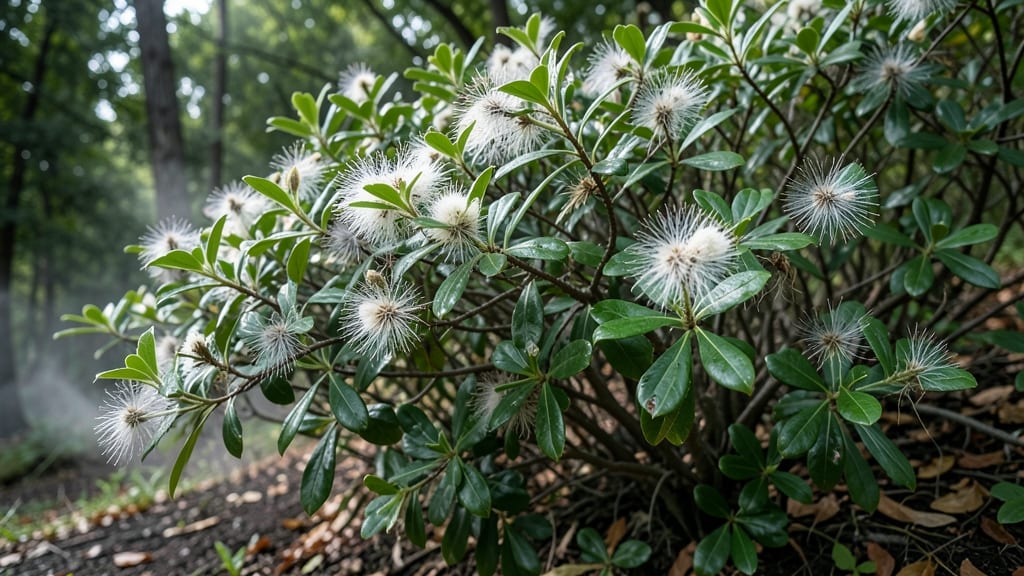
When your garden needs a late-summer pick-me-up, featherberry (Itea) delivers with its air-purifying foliage and fluffy white blooms that transition into delicate, feathery seed heads. This underrated shrub thrives where others falter—dry or wet shade—making it perfect for understory plantings, rain gardens, or even boggy areas where few shrubs survive.
Native to woodlands, featherberry handles Zone 6 winters with ease and grows 4-6 feet tall, providing year-round structure with its dark green, leathery leaves. The real magic happens in late summer when its plume-like flowers fade into soft seed heads that sway in the breeze, adding movement and texture to shady beds. It’s also a pollinator magnet, supporting bees and butterflies while improving air quality.
Ideal for naturalistic gardens or as a backdrop for perennials, featherberry requires minimal pruning—just trim back old growth in early spring. Pair it with hostas or ferns for a lush, layered shade garden that stays vibrant long after summer fades. 💚
Wintercreeper Euonymus for Versatile Ground Cover

Struggling with bare slopes or large shaded areas that seem impossible to cover? Wintercreeper euonymus (Euonymus fortunei) is your secret weapon—a fast-spreading, cold-hardy ground cover that thrives where others fail. This versatile plant tolerates deep shade, handles Zone 6 winters with ease, and delivers year-round visual interest with minimal effort.
With its variegated foliage (creamy white or golden edges on green leaves) and clusters of bright red berries in fall, wintercreeper adds color and texture even in the darkest corners. It spreads 3-6 feet wide but stays low (1-2 feet tall), making it perfect for slopes, erosion control, or large understory areas. Plant it in well-drained soil and water occasionally—once established, it’s drought-tolerant and nearly maintenance-free. For best results, prune lightly in early spring to control spread.
Ideal for landscapers, woodland gardeners, or anyone tired of patchy ground cover, wintercreeper delivers four-season appeal without the fuss. Pair it with hostas or ferns for a lush, low-light garden that stays vibrant all year. 🌿