
Light Requirements
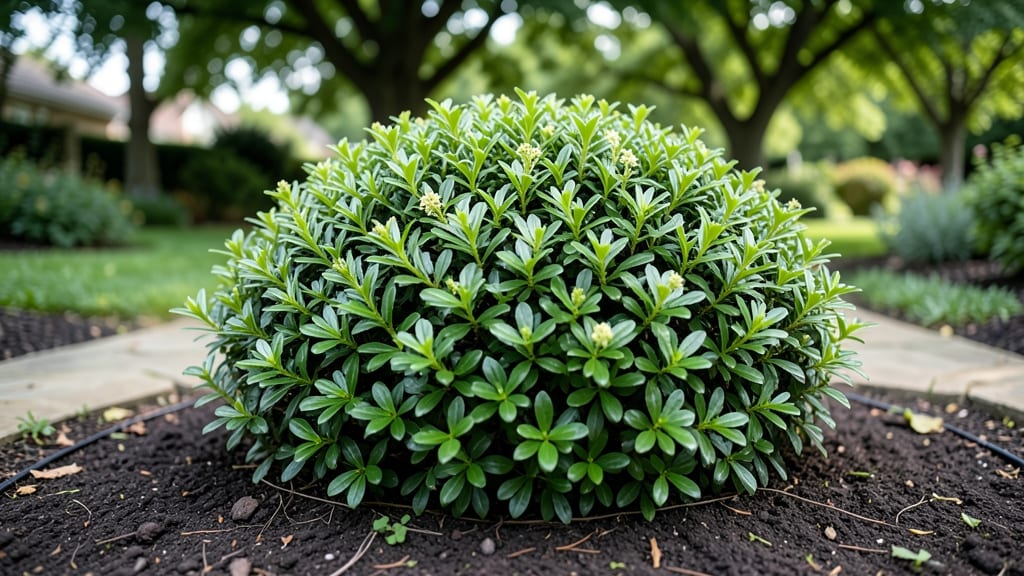
Boxwood thrives in full shade where other plants struggle—my evergreen hedges stay lush under towering oaks that block sunlight year-round. 🌿 The secret lies in choosing the right varieties (like 'Green Velvet' or 'Winter Gem') and mimicking their natural woodland habitat with moist, well-draining soil.
Start with 3-4 inches of mulch to retain moisture and cool roots, then water deeply once a week—more in extreme heat. Unlike sun-loving plants, boxwoods hate dry soil but despise soggy roots too, so amend heavy clay with compost for perfect drainage.
Within 2-3 years, you’ll have dense, football-sized plants perfect for hedges or topiary. Prune lightly in late spring to shape, but avoid heavy cuts that expose old wood to winter burn. For shady spots where even ferns struggle, boxwood delivers structure, texture, and year-round greenery without fuss.
Here’s how to keep them thriving where others fail.
📚 In This Guide
- What you need
- Instructions
- Tips and common mistakes
- Wrapping up and next steps
What you need
- ● Boxwood plants: Choose Buxus sempervirens or Buxus microphylla varieties (e.g., 'Green Velvet' or 'Winter Gem'). Buy 3–5 young plants (1–2 ft tall) for a fuller look.
- ● High-quality potting mix: 5–10 gallons of well-draining, organic soil blend (e.g., 60% garden soil, 30% compost, 10% perlite/sand). Avoid heavy clay.
- ● Organic mulch: 2–3 inches of wood chips or pine straw to retain moisture and suppress weeds.
- ● Slow-release fertilizer: A balanced 10-10-10 or organic option (e.g., fish emulsion) for planting and mid-season feeding.
- ● Garden trowel or spade: For digging holes (6" wider and deeper than the root ball).
- ● Gloves & knee pads: Protect your hands and joints during planting.
- ● Watering can or hose with nozzle: A gentle spray setting to avoid disturbing soil.
- ● Pruning shears: Sharp, clean shears (sterilized with rubbing alcohol) for shaping.
- ● Measuring tape: Ensure proper spacing (3–4 ft apart for mature size).
- ● Shade cloth (30–50%) if your area gets partial sun to ease transition.
- ● Slow-release moisture granules (e.g., polyacrylamide) for drought-prone spots.
- ● Decorative edging or rocks to define plant beds.
Step-by-Step guide to planting and caring for boxwood in full shade
Boxwoods transform shady corners into lush, structured evergreen displays—here’s how to make them thrive where others fail.
🌱 Step 1: Select the Right Boxwood Varieties for Deep Shade
Not all boxwoods tolerate full shade equally. For deep, dense shade, reach for varieties like 'Winter Gem', 'Dwarf Korean', or 'Emerald Green'. These cultivars handle less than 3 hours of direct sun daily while maintaining vibrant foliage. Avoid sun-loving types like 'Green Velvet'—they’ll yellow and decline.
Check the plant tag for shade tolerance before buying. I’ve found that Korean boxwoods (Buxus microphylla) outperform English boxwoods in low-light conditions. They develop a tighter, more compact form naturally, which is ideal for formal hedges or foundation plantings.
🪴 Step 2: Prepare the Planting Site for Optimal Drainage
Boxwoods hate soggy roots, even in shade. Test your soil’s drainage by digging a 12-inch hole—if water pools after 30 minutes, amend the area with 2-3 inches of compost or organic matter mixed into the top 6 inches of soil. This improves aeration without altering the soil’s natural acidity (boxwoods prefer pH 6.0-7.0).
For container planting, use a mix of 50% high-quality potting soil and 50% perlite or coarse sand to prevent compaction. I like to add a handful of slow-release fertilizer (10-10-10) to the planting hole at installation—this gives roots a nutrient boost during the critical first year.
☀️ Step 3: Plant at the Correct Depth and Spacing
Dig a hole twice as wide as the root ball but no deeper. Boxwoods planted too deeply suffocate, while shallow planting exposes roots to temperature swings. Set the plant so the top of the root ball sits 1 inch above ground level. This ensures the soil settles naturally without burying the stem.
Space plants 3-5 feet apart, depending on mature size. 'Winter Gem' stays compact at 2-3 feet tall and wide, while larger varieties like 'Green Pillow' need 5-6 feet of clearance. Mulch with 2-3 inches of shredded bark (keep it 6 inches away from the trunk to prevent rot). Water deeply until the soil 6 inches down feels moist.
💧 Step 4: Water and Fertilize for Shade-Adapted Growth
Water newly planted boxwoods 2-3 times per week for the first month, then taper to once weekly once established. In full shade, soil stays moist longer, but don’t let roots sit in water. You’ll know it’s time to water when the top 1-2 inches of soil feel dry to the touch.
Fertilize in early spring with a balanced, slow-release formula (like 12-12-12). Avoid high-nitrogen blends—they promote leafy growth at the expense of root strength. I’ve found that organic options (fish emulsion or compost tea) work well in shade, too, as they improve soil structure over time.
✂️ Step 5: Prune Strategically to Maintain Shape and Health
Prune boxwoods once a year in late spring (after new growth appears) to shape and encourage density. Use sharp, clean pruners to make cuts just above a leaf bud or branch junction. Avoid cutting into old wood—it won’t regrow. For formal hedges, trim ⅓ of the new growth evenly to maintain structure.
In full shade, boxwoods grow slower, so prune lightly. Over-pruning stresses plants and invites pests like boxwood blight. If you notice yellowing leaves, don’t panic—it’s often a sign of too much shade or overwatering. Adjust care accordingly: move to a slightly sunnier spot or reduce watering frequency.
Tips & tricks for perfect boxwood planting in shade
Between us, the difference between a thriving boxwood hedge and a struggling one often comes down to these key details—especially in full shade where mistakes are magnified.
Variety Selection Matters: When choosing your boxwoods, focus on the less than 3 hours of direct sun requirement mentioned in Step 1. 'Winter Gem' and 'Dwarf Korean' varieties are my go-tos for dense shade because they naturally develop that tight, compact form without needing extra sunlight. Pro tip: Look for plants with deep green foliage—not yellowing or browning—right at the nursery. This tells you they're already adapted to lower light conditions.
Soil Preparation is Non-Negotiable: That 30-minute drainage test in Step 2 is critical. If water pools after 30 minutes, you're dealing with compacted soil that will suffocate roots. I've seen boxwoods fail spectacularly in amended soil that still didn't improve drainage. For container planting, the 50/50 mix of potting soil and perlite creates the perfect air pockets—don't skip this even if your boxwood is going in the ground. The perlite prevents that dreaded compaction that turns roots into soggy messes.
Planting Depth Makes All the Difference: The 1-inch above ground level rule in Step 3 is often misunderstood. Many gardeners bury the root ball too deeply, thinking it needs extra support. But buried stems rot and suffocate the plant. Here's how I check: After planting, the top of the root ball should be visible when looking at the plant from the side. If you can't see it, you've gone too deep. This small detail prevents years of struggling plants.
Pruning Timing Prevents Common Problems: That late spring pruning in Step 5 is your best defense against boxwood blight. I've learned this the hard way—pruning too early can encourage new growth that gets hit by fungal spores in wet conditions. Always wait until you see new growth appear (about 2-3 weeks after last frost in most climates). And when you prune, make clean cuts just above a leaf bud—never cut into old wood. This simple technique keeps your boxwoods looking manicured year after year.
Pro Tips for Boxwood For Full Shade
- Between us, the difference between a thriving boxwood hedge and a struggling one often comes down to these key details—especially in full shade where mistakes are magnified.
- Variety Selection Matters: When choosing your boxwoods, focus on the less than 3 hours of direct sun requirement mentioned in Step 1.
- Soil Preparation is Non-Negotiable: That 30-minute drainage test in Step 2 is critical.
Frequently asked questions
Got questions about growing boxwood in full shade?
You’re not alone! Here are answers to the most common queries to help you nurture thriving, lush foliage—even in low-light spots.
Can boxwood survive in total shade (no direct sunlight)?
Most boxwood varieties tolerate partial shade (3–6 hours of dappled light), but full, dense shade (like under tall trees) can stunt growth or cause leggy, sparse foliage. Opt for dwarf or variegated types (e.g., 'Green Velvet' or 'Winter Gem')—they adapt better. If your boxwood looks weak, prune selectively to encourage bushier growth.
How often should I water boxwood in shady areas?
Water deeply but less frequently—about once a week in full shade (check soil moisture 2–3 inches down). Shady spots retain moisture longer, so avoid soggy roots. Mulch heavily (3–4 inches of shredded bark) to lock in moisture and regulate temps. Pro tip: Water in the morning to prevent fungal issues.
What’s the best alternative if boxwood struggles in my shade?
Try these shade-tolerant evergreens that outperform boxwood in low light:
- Holly (Ilex) – Disease-resistant, glossy leaves.
- Inkberry (Ilex glabra) – Native, low-maintenance, and drought-tolerant.
- Pieris japonica – Stunning flowers + dark green foliage.
- Heather (Calluna vulgaris) – Colorful blooms + soft texture.
Why are my boxwood leaves turning yellow in shade?
Yellowing can signal overwatering, root rot, or nutrient deficiency (common in shade). First, check drainage—boxwood hate soggy roots. Amend soil with compost and use a balanced fertilizer (10-10-10) in early spring. If spots are mushy, reduce watering and improve airflow by pruning nearby plants.
How long does it take for boxwood to establish in full shade?
Expect 1–2 years for roots to stabilize, but growth slows in deep shade. First-year care is critical: water consistently, mulch well, and avoid heavy pruning. After 2 years, growth steadies—though it’ll never be as robust as in partial shade. Patience pays off!
Wrapping up and next steps
Boxwood plants are the perfect shade-loving superstars for your garden! 🌿 Whether you're looking to add structure, texture, or year-round greenery to those tricky, low-light spots, these resilient shrubs deliver—with minimal fuss.
With the right variety, soil prep, and occasional care, you’ll enjoy lush, vibrant foliage that outshines even the sunniest competitors.
Ready to transform your shady spots into a thriving oasis? Start small: Pick a boxwood variety (like 'Winter Gem' or 'Dwarf English'), grab some compost, and plant with confidence. Watch your garden shine—literally—under the canopy! 🌱✨