
Flowers
Zone 5 gardens often struggle with shady spots, but these 10 shade-loving flowers thrive where sunlight fades. Their vibrant blooms and extended flowering seasons transform dark corners into lush, colorful havens—without demanding constant care or harsh conditions.
Hostas with Lavender Blooms

If you’ve ever thought hostas were just about foliage, think again—lavender-blooming varieties are a game-changer for shade gardens. These hybrids combine the bold, textured leaves gardeners love with delicate spikes of purple or violet flowers that rise above the foliage in late summer, adding unexpected height and color to dark corners.
Plant them in partial to full shade (they thrive under dappled sunlight) and enrich the soil with compost for lush growth. Varieties like ‘Halcyon’ or ‘June’ produce striking blooms while maintaining hosta’s classic low-maintenance charm. Their woodland garden appeal makes them perfect for borders, understory plantings, or even container gardens where they’ll spill over edges with grace.
This dual-purpose plant is ideal for gardeners who want both statement foliage and seasonal blooms without the fuss of high-maintenance flowers. 💚
Bleeding Heart Flowers

If you crave romantic, old-world charm in your shade garden, bleeding heart flowers (Dicentra spectabilis) are the answer. Their delicate, heart-shaped blooms in soft pink and white cascade like waterfalls, creating a dreamy focal point that no other shade plant can match.
These perennials thrive in partial shade—think morning sun followed by afternoon shade—making them ideal for understory planting beneath trees or along north-facing walls. For best results, plant in well-draining, rich soil with a slightly acidic pH, and mulch heavily to retain moisture. They’ll reward you with late spring to early summer blooms, followed by lush, fern-like foliage that adds texture year-round.
Perfect for cottage gardeners or anyone who loves a whimsical touch, bleeding hearts also make stunning cut flowers. Pair them with hostas or ferns to create a lush, layered shade garden that feels like a secret woodland retreat. 🌷
Hellebores for Winter Interest

When your garden looks like a blank canvas in late winter, hellebores (Helleborus spp.) step in as the unsung heroes of shade gardening. These hardy perennials bloom from February through April, often while snow still lingers, offering delicate flowers in white, pink, green, and deep purple when most plants are still dormant.
Thriving in deep shade where other flowers struggle, hellebores prefer moist, well-draining soil and tolerate Zone 5 winters with ease. Their evergreen foliage provides year-round interest, while their long blooming season makes them a standout in woodland gardens, under trees, or along north-facing walls. Deadhead spent blooms to encourage more flowers, and they’ll reward you with minimal care for decades.
Perfect for gardeners who want early color without summer maintenance, hellebores also deter deer and rabbits, making them a practical choice for rural or suburban shade gardens. 🌱
Astilbe with Feathery Plumes

Want to add romantic texture to your shade garden without sacrificing color? Astilbe delivers cloud-like plumes in pink, white, or red, perfect for spots where other flowers wilt. These feathery blooms thrive in moist, humus-rich soil—making them ideal for containers near water features or under trees where humidity lingers.
Choose from varieties like ‘Fanal’ (deep pink) or ‘Glut’ (lavender) for season-long blooms from early summer to frost. Deadhead spent flowers to encourage reblooming, and mulch heavily to retain moisture—especially in Zone 5’s hot summers. Their fern-like foliage adds lush greenery even when not in bloom.
Urban gardeners and small-space lovers adore astilbe for its container-friendly nature. Pair it with hostas or heuchera for a layered, low-maintenance shade garden that feels like a secret garden. 🌻
Japanese Painted Fern

Forget flowers when you want to liven up your Zone 5 shade garden—the Japanese painted fern (Athyrium niponicum var. pictum) delivers year-round drama with its silvery-white and deep green fronds. Unlike traditional blooms, this fern offers textural contrast that catches the eye in even the darkest corners, making it a standout for woodland gardens or understory plantings.
This hardy perennial thrives in partial to full shade and prefers moist, well-draining soil, though it tolerates average garden conditions once established. Varieties like ‘Metallic’ or ‘Ghost’ showcase striking foliage that glows in low light, while ‘Silver Falls’ adds cascading movement for containers or borders. With minimal care—just occasional division every few years—it becomes a low-maintenance anchor for shade designs.
Perfect for gardeners who love foliage-focused gardens or want to reduce flower maintenance, this fern pairs beautifully with hostas and hellebores for a lush, layered look. 🌿
Foxglove with Tall Spires

If you want to add dramatic height and vertical interest to your shade garden, foxglove (Digitalis purpurea) is a must-plant biennial that delivers show-stopping spires of bell-shaped flowers in shades of purple, pink, or white. Unlike many shade plants that stay low to the ground, foxglove reaches 3-5 feet tall, creating instant focal points in woodland gardens or along shady pathways.
This pollinator magnet thrives in partial shade (3-6 hours of sunlight) and prefers well-draining, moist soil enriched with compost. Since it’s a biennial, plant seeds in early spring or fall—the first year will produce basal rosettes, while the second year rewards you with tall flower spikes that bloom from mid-summer to early fall. In windy locations, use stakes or small cages to support the top-heavy blooms and prevent flopping.
Perfect for cottage gardeners or those seeking a wildflower aesthetic, foxglove’s tall stature also makes it ideal for cutting gardens. Just remember to collect seeds before the seed pods burst to avoid self-seeding where you don’t want it! 🌷
Impatiens for Continuous Color

Need a burst of color in spots where sunlight barely reaches? Impatiens are the secret weapon for non-stop summer blooms in shade gardens. Unlike many shade plants that bloom briefly, impatiens deliver weeks of vibrant reds, pinks, and oranges from early summer until frost—perfect for brightening dark corners, patios, or containers under trees.
These annuals thrive in partial to full shade (even east-facing shade works) and prefer moist, well-draining soil. For containers, choose compact varieties like ‘Super Elfin’ or ‘Accent’ to spill over edges, while taller types like ‘Diamond’ add height to garden beds. Deadhead spent blooms to encourage more flowers, and fertilize lightly every 4-6 weeks for maximum impact. Their tropical vibe makes them ideal for urban gardens or as a pop of color near entryways.
Urban gardeners and small-space lovers will appreciate how impatiens fill gaps instantly—just plant them in groups of 3-5 for a dramatic effect. Pair them with hostas or heuchera for a layered look that thrives in shade. 🌻
Lungwort with Unique Spotted Leaves

Looking for a shade-loving plant that combines medicinal heritage with striking visual appeal? Lungwort (Pulmonaria spp.) delivers both with its silver-spotted leaves and delicate blue flowers that hummingbirds adore. This hardy perennial thrives in dry shade, making it perfect for woodland gardens, understory plantings, or even rocky slopes where moisture is scarce.
Lungwort’s foliage is its star feature—silver or white spots on deep green leaves create a mesmerizing pattern that glows in low light. In late spring, it produces clusters of soft blue or pink flowers that transition from one color to the other as they age, adding dynamic interest. Historically used in herbal medicine for respiratory health, this plant also attracts pollinators while repelling deer, making it a practical and beautiful addition to any shade garden.
Ideal for low-maintenance gardeners or those seeking pollinator-friendly plants, lungwort pairs beautifully with hostas or ferns. Its drought tolerance and year-round foliage interest ensure it remains a garden standout. 🌟
Sweet Woodruff for Fragrance

Tired of shady spots that feel dull and lifeless? Sweet woodruff (Galium odoratum) transforms those forgotten corners into fragrant, weed-free havens with its delicate white star-shaped blooms and signature hay-like scent that intensifies when crushed. This low-growing perennial spreads effortlessly to create a lush, green carpet that suppresses weeds naturally while adding a sensory delight to pathways and borders.
Thriving in partial to full shade, sweet woodruff prefers moist, well-draining soil and spreads via underground runners, making it perfect for understory plantings or as a living mulch. Its late spring to early summer blooms attract pollinators, and the fragrant foliage persists through summer. For best results, plant in clusters along garden edges or under trees where its scent will be most appreciated.
Ideal for gardeners who love low-maintenance ground covers with a sensory reward, sweet woodruff pairs beautifully with hostas and ferns for a woodland garden feel. Just be aware it can spread aggressively—perfect for those who want to fill space quickly! 💚
Coral Bells with Variegated Foliage

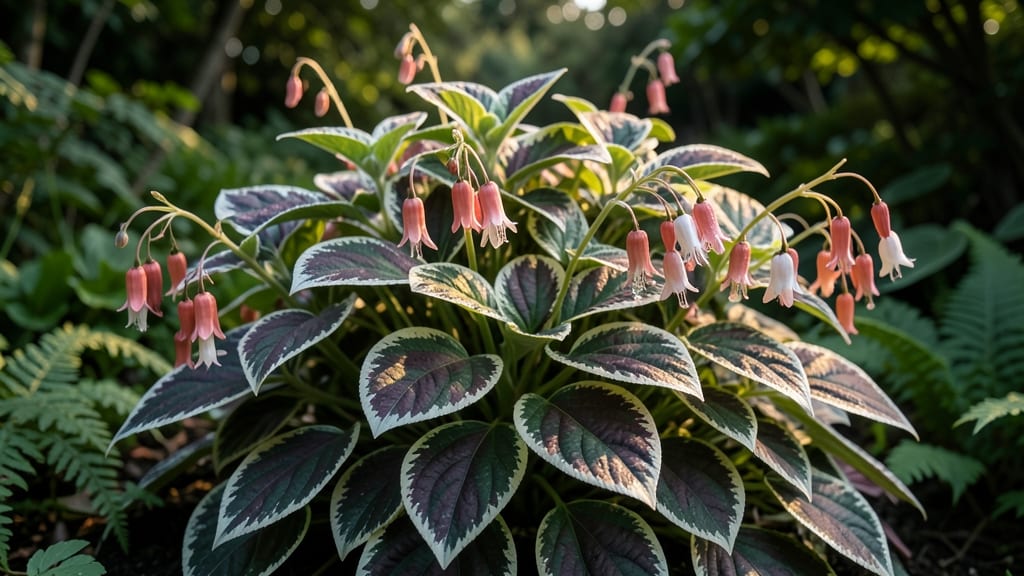
Want a shade plant that delivers year-round visual interest without sacrificing blooms? Coral bells (Heuchera) are the secret weapon for vibrant foliage and cascading flowers in Zone 5 shade gardens. Their variegated leaves—ranging from silvery-white to deep purple or rich green—create striking contrasts, while delicate flower spikes in pink, white, or red add seasonal color from late spring to summer.
These low-maintenance perennials thrive in partial to full shade and adapt to most soil types, though they prefer well-draining conditions. Choose varieties like ‘Palace Purple’ for dramatic foliage or ‘Lime Rickey’ for bright chartreuse leaves that glow in low light. Plant in containers, borders, or rock gardens—their compact size (12-18 inches tall) makes them versatile for small spaces or layered shade beds.
Perfect for gardeners who love textural contrast and season-long color, coral bells pair beautifully with hostas or ferns. Their drought tolerance once established also makes them ideal for water-wise shade gardens. 💚