
Shrubs
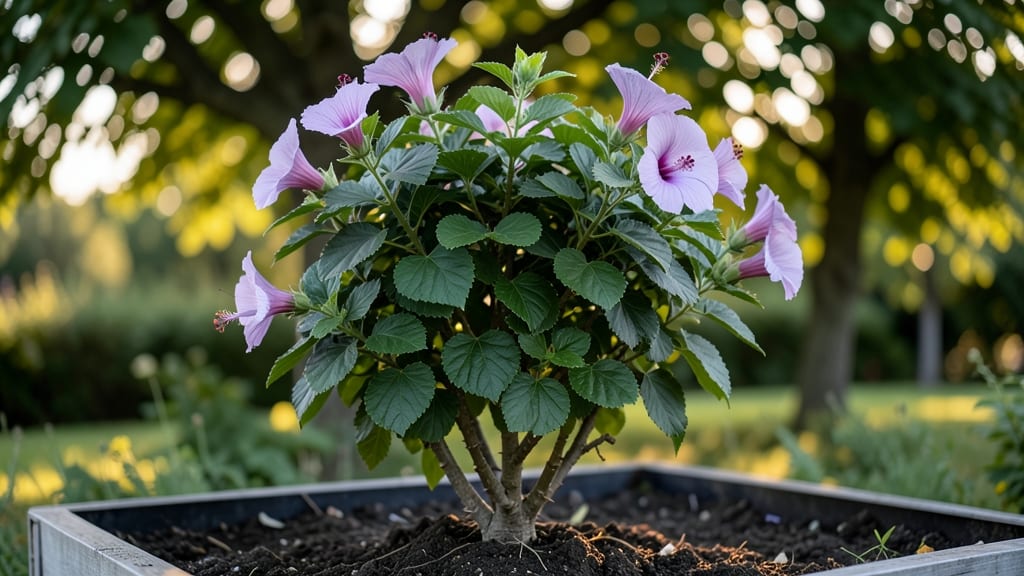
Growing Rose of Sharon in shade doesn't mean sacrificing those dreamy summer blooms—it just requires a few smart adjustments. 🌿 I've watched mine thrive under oak trees where other shrubs give up, and the secret lies in balancing light, soil, and pruning for maximum impact.
The key is dappled shade—think filtered sunlight through branches, not deep, dark corners. Your soil should drain well but stay moist, and a light layer of compost at planting will give roots the nutrients they crave.
Water consistently but avoid soggy soil, which is the #1 reason shaded Rose of Sharon struggles. With the right approach, you'll get stronger stems and longer bloom seasons than sun-only plants.
The flowers might be slightly smaller, but the sheer volume of blooms makes up for it—imagine purple cascades from late summer into fall, even in shady spots. Here's the game-changer: prune in early spring to encourage new growth toward the light.
And if flowering feels weak, a gentle fertilizer boost in early summer works wonders. Let's make your shady spots the envy of the neighborhood!
📚 In This Guide
- What you need
- Instructions
- Tips and common mistakes
- Wrapping up and next steps
What you need
- ● Rose of Sharon shrubs (Hibiscus syriacus): 3–5 plants (depending on desired screen height/width). Choose disease-resistant varieties like 'Diana' or 'Blue Bird' for best results.
- ● High-quality potting soil or garden soil: 5–10 cubic yards (amend with compost for drainage).
- ● Organic mulch: 2–3 inches of wood chips or shredded bark to retain moisture and suppress weeds.
- ● Slow-release fertilizer: 10–20 lbs of balanced 10-10-10 or rose-specific fertilizer (apply at planting and annually).
- ● Pruning shears or loppers: Sharp, bypass-pruners (for clean cuts) and loppers (for thicker branches).
- ● Garden shovel or spade: For digging holes (18–24 inches wide/deep).
- ● Wheelbarrow: To mix soil amendments or transport materials.
- ● Watering can or hose with nozzle: For gentle, deep watering (aim for 1–2 inches per week).
- ● Measuring tape: To space plants 6–10 feet apart (adjust for faster/slower growth).
- ● Gloves & knee pads: Protect your hands and knees during planting!
- ● Epsom salt: 1 tbsp per plant (annually) for magnesium boost.
- ● Plant support stakes: Temporary stakes for young shrubs in windy areas.
- ● Drip irrigation system: For low-maintenance watering in large screens.
- ● Reflective mulch: Dark mulch to warm roots in cooler climates.
Step-by-Step instructions for planting and caring for Rose of Sharon in shade
Here's how to create a stunning, low-maintenance privacy screen even in shadier spots.
🌱 Step 1: Choose the Perfect Planting Location and Prepare the Soil
Select a site with at least 4-6 hours of filtered light daily—Rose of Sharon thrives where others struggle. I dig a hole twice as wide as the root ball but only as deep, since these shrubs hate being buried too deeply. The soil should drain well but retain moisture, so if your yard is heavy clay, mix in 2-3 inches of compost into the bottom of the hole.
Loosen the roots gently before planting—this encourages them to spread into the surrounding soil. Place the shrub so the top of the root ball sits 1 inch above ground level. This prevents water from pooling around the stem and causing rot. I always backfill with the native soil mixed with a handful of compost to help the plant establish faster.
💧 Step 2: Water Deeply and Mulch to Retain Moisture
Water the newly planted Rose of Sharon until the soil is 6-8 inches deep and thoroughly moist. You'll know it's right when water runs out the bottom of the hole but doesn't pool on top. After watering, spread 2-3 inches of mulch around the base, keeping it 3 inches away from the stem to prevent rot.
Use organic mulch like wood chips or shredded bark—it breaks down slowly and improves soil structure over time. This is especially important in shade, where soil can dry out faster than you'd expect. Water again in 7-10 days to encourage root growth, but avoid overwatering once established.
☀️ Step 3: Prune Strategically for Full, Bushy Growth
Prune your Rose of Sharon in late winter or early spring before new growth begins. I cut back 1/3 of the oldest stems to the ground each year—this keeps the shrub vigorous and encourages new blooms. Remove any dead, diseased, or crossing branches first, then shape the remaining stems to create an open center for airflow.
For shade-grown plants, avoid heavy pruning in summer—it stresses the shrub when it's already working harder to produce flowers. Instead, do light shaping after blooming to maintain your desired shape. You'll see fuller growth within 2-3 weeks of proper pruning.
🌿 Step 4: Fertilize Lightly for Healthy Blooms
Apply a balanced, slow-release fertilizer (10-10-10) in early spring when new growth appears. I sprinkle about ½ cup per shrub and water it in thoroughly. Rose of Sharon doesn't need heavy feeding—too much fertilizer leads to leafy growth at the expense of flowers. In shade, you might need to fertilize again in midsummer with a low-nitrogen formula (like 5-10-10) to support blooming.
Watch for yellowing leaves—this often means too much nitrogen. If you see it, cut back on fertilizer and increase watering instead. The goal is strong stems and abundant flowers, not just foliage. You'll notice more blooms within 4-6 weeks of proper feeding.
Tips & tricks for perfect Rose of Sharon in shade
Real talk: Shade-grown Rose of Sharon needs extra attention to thrive. These small tweaks make all the difference in getting lush, blooming shrubs that outperform expectations.
Lighting Secret: That 4-6 hours of filtered light is non-negotiable, but not all shade is equal. South-facing shade (morning sun) works best—avoid dense, deep shade where the plant struggles to photosynthesize. If your spot gets less than 4 hours, supplement with a small grow light for 2-3 hours daily during spring/summer growth periods.
Soil Strategy: The 2-3 inches of compost in Step 1 is your foundation—don't skimp! For heavy clay soils, mix in perlite or coarse sand to improve drainage while retaining moisture. I've seen plants double in size within a year when planted in properly amended soil versus native clay. Test your soil first: if it's compacted, add 50% more compost to the backfill mix.
Watering Wisdom: Those 6-8 inches of deep watering in Step 2 are crucial, but timing matters too. Water in the morning so the soil has all day to dry slightly—this prevents fungal issues. In shade, I water every 5-7 days (not the 7-10 day guideline) because the cooler environment slows evaporation. Use a moisture meter to check: water when it reads 3-4 (damp but not soggy).
Pruning Precision: When cutting back 1/3 of oldest stems in Step 3, target stems thicker than a pencil—they're the most established and can handle the shock. Cut just above a outward-facing bud (about 1/4 inch above) to encourage bushier growth. For shade plants, I prune slightly later (early April) to let them capture any extra winter sunlight. The 2-3 week regrowth timeline holds, but shade plants may take 1-2 weeks longer.
Pro Tips for Rose Of Sharon Shade
- Real talk: Shade-grown Rose of Sharon needs extra attention to thrive.
- Lighting Secret: That 4-6 hours of filtered light is non-negotiable, but not all shade is equal.
- Soil Strategy: The 2-3 inches of compost in Step 1 is your foundation—don't skimp!
Frequently asked questions
Got questions about growing Hibiscus syriacus (Rose of Sharon) in shade? You’re not alone!
Here are answers to the most common concerns—from planting tips to troubleshooting—so you can create a lush, low-maintenance privacy screen with stunning blooms.
Can Rose of Sharon grow in full shade?
While it tolerates partial shade (4–6 hours of sunlight), full shade will limit blooms and vigor. Aim for morning sun + afternoon shade for best results. If your yard is shady, choose a sun-loving alternative like Weigela or Spirea instead.
When is the best time to plant Rose of Sharon for shade?
Plant in early spring or fall (4–6 weeks before frost) to give roots time to establish. Avoid summer heat, which stresses young shrubs. Pro tip: Amend soil with compost to improve drainage—shade can make soggy roots a risk!
Why isn’t my Rose of Sharon blooming in shade?
Shade + poor sunlight = fewer flowers. Try:
- Pruning to open the canopy for better light penetration.
- Fertilizing with low-nitrogen, high-phosphorus feed (like 5-10-5) in early spring.
- Relocating to a sunnier spot if possible.
What are shade-tolerant alternatives to Rose of Sharon?
If your site is too shady, try these privacy-screen shrubs that thrive with less light:
Plant
Height
Bloom Color
Hydrangea paniculata (PeeGee)
8–12 ft
White → pink
Pieris japonica (Andromeda)
6–10 ft
White
Abelia grandiflora
3–6 ft
Pink/white
How do I fix yellow leaves on my shade-grown Rose of Sharon?
Yellow leaves often signal overwatering, poor drainage, or fungal issues in shady spots. Fix it by:
- Ensuring soil drains well (raise beds if needed).
- Watering deeply but less often (1–1.5 inches/week).
- Pruning for airflow to prevent mildew.
- Applying neem oil if spots appear.
Wrapping up and next steps
Transforming your space with a Rose of Sharon shade-tolerant privacy screen is a rewarding project! 🌿 Its stunning blooms and adaptability make it a standout choice for both beauty and function. Whether you’re a seasoned gardener or just starting out, this shrub offers low-maintenance elegance that thrives in partial shade.
Ready to take the next step? Sketch your layout, gather supplies, and plant with confidence! Your future privacy screen—and the buzzing pollinators it will attract—will thank you. Happy gardening! 🌸