
Shrubs
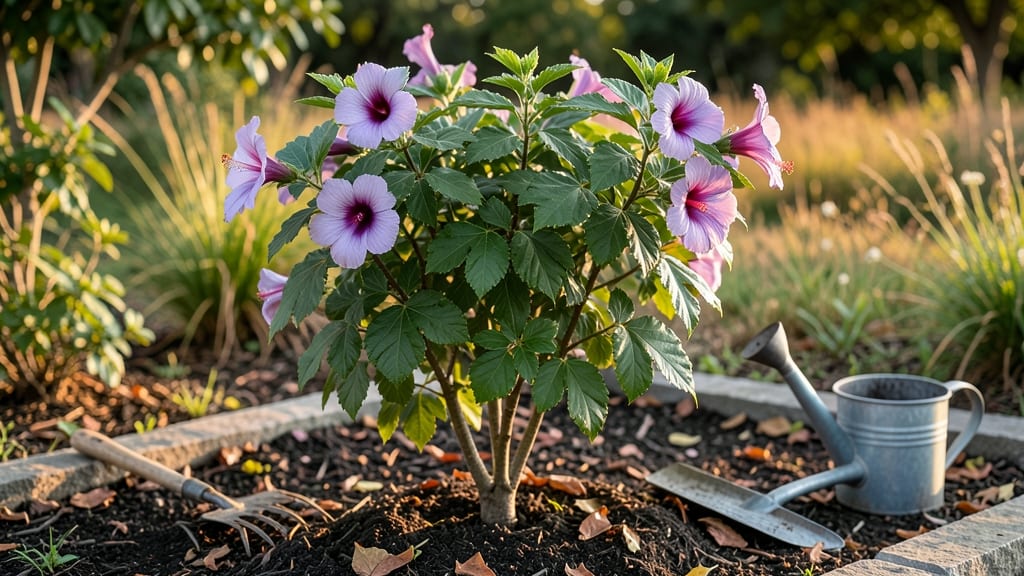
Your Rose of Sharon thrives in sun or shade, but getting the balance right is the key to bold blooms and healthy growth that last for years.
Picture this: your 🌸 Rose of Sharon stands tall and lush in spring, its flowers bursting with color—until one summer, the edges crisp and brown, or worse, it throws out sparse, weak blooms. That’s your plant screaming for the right light.
Here’s the truth: while it loves full sun in hot climates, too much can scorch its leaves, and too little shade slows its growth. The sweet spot? Morning sun paired with afternoon shade in most regions, with adjustments for your local climate.
In this guide, I’ll break down exactly how to read your plant’s light needs, how to adapt it to partial shade, and the one pruning trick that keeps it flowering like crazy year after year.
 Best Window Placement
Optimal sunlight requirements for Rose of Sharon blooms
The Rose of Sharon (Hibiscus syriacus) thrives when given the right balance of sunlight, but its needs vary depending on your USDA zone and local climate. In full sun regions (zones 7-9), this shrub loves 6-8 hours of direct sunlight daily, producing vibrant blooms from summer to fall.
However, in hotter climates (zones 9+), afternoon shade helps prevent leaf scorch while maintaining healthy growth.
For gardeners in cooler zones (5-6), partial shade (3-6 hours of sun) works best, especially during the hottest afternoon hours. The key is mimicking its natural habitat—dappled sunlight under tall trees—which protects delicate foliage while encouraging blooming.
Understanding these regional differences ensures your Rose of Sharon stays lush and productive year after year.
| Light Condition | USDA Zones | Sunlight Hours | Bloom Impact | Best For |
|---|---|---|---|---|
| Full Sun | 7-9 | 6-8 hours | Abundant blooms | Hot, dry climates |
| Partial Sun | 5-6 | 3-6 hours | Moderate blooms | Cooler, humid areas |
| Morning Sun | All zones | 4-6 hours (AM) | Healthy foliage | Shade-prone gardens |
| Afternoon Shade | 9+ | 3-5 hours (PM) | Prevents scorch | Intense heat zones |
The photoperiod sensitivity of Rose of Sharon means it responds to daylight length, with longer days (14+ hours) triggering peak blooming. In northern latitudes (zones 5-6), supplement with a grow light (10,000 lux) for 4-6 hours in late fall to extend the flowering season.
This mimics natural conditions and ensures your shrub doesn’t miss its critical bloom window.
Seasonal adjustments are crucial—young plants (first year) need gentle morning sun to avoid stress, while mature shrubs (3+ years) can handle full sun exposure.
If you notice yellowing leaves in summer, it’s a sign of too much direct sun; move the plant to a dappled shade spot for 2-3 weeks to recover. Conversely, pale, sparse foliage signals insufficient light.
Urban gardeners often struggle with microclimates—a south-facing wall might provide 8+ hours of sun, while a north-facing patio offers only 2-3 hours. Use a sunlight tracker app to monitor daily exposure and adjust pruning accordingly.
For example, thinning branches in dense areas improves airflow and even light distribution.
Container-grown Rose of Sharon has higher sunlight demands than in-ground plants due to limited root space. Place pots in south-facing locations or use reflective surfaces (white gravel, mirrors) to maximize light exposure. Rotate containers weekly to ensure even growth—uneven sunlight causes lopsided shrubs with fewer blooms.
Mulching plays a surprising role in sunlight management. A 3-inch layer of organic mulch (wood chips, straw) retains soil moisture, reducing the plant’s need for excessive watering under intense sun.
This indirectly supports photosynthesis by maintaining optimal soil temperatures. Avoid dark mulches in hot climates, as they absorb heat and raise root zone temperatures beyond ideal levels.
Pruning for light isn’t just about cutting back—it’s about strategic shaping. Remove crossing branches and deadwood in early spring to improve air circulation and sunlight penetration. For overgrown shrubs, prune 1/3 of the oldest wood annually to encourage new growth that thrives in available light conditions.
If your Rose of Sharon is new to your garden, acclimate it gradually to full sun. Start with 2-3 hours of morning sun for the first 2 weeks
Signs your Rose of Sharon needs more sun or shade
Your Rose of Sharon is whispering clues about its light needs through its leaves, stems, and blooms. If you’ve noticed yellowing leaves or fewer flowers than usual, it’s time to listen.
Too little sun weakens its structure, while too much scorches its delicate foliage. The key is spotting these visual stress signals early before they become permanent damage.
Start by checking the leaf color. Healthy 🌸 Rose of Sharon leaves are deep green, but if they turn pale or yellow, it craves more sun. On the flip side, crispy brown edges or sunburned patches mean it’s getting too much direct light.
These signs aren’t just cosmetic—they directly impact your plant’s ability to photosynthesize and bloom.
Bloom frequency is another dead giveaway. A well-lit Rose of Sharon bursts with flowers from mid-summer to fall, while shade-starved plants produce sparse, weak blooms. If your shrub looks more like a leafy bush than a floral showstopper, it’s begging for more sunlight. Even worse, stems that flop or bend under their own weight signal light deprivation.
- ✅ Pale yellow leaves (chlorosis)
- ✅ Stunted growth (<3 ft/year)
- ✅ Fewer blooms (sparse flowers)
- ✅ Weak, floppy stems
- ✅ Leggy appearance (reaching for light)
- ✅ Brown, crispy leaf edges (sunburn)
- ✅ Wilted or drooping foliage (heat stress)
- ✅ Premature leaf drop
- ✅ Overly dense, dark green leaves (shade adaptation)
- ✅ Reduced flowering (late-season blooms only)
Correcting light issues starts with gradual adjustments. If your Rose of Sharon needs more sun, move it to a sunnier spot over 2-3 weeks—sudden exposure can shock the plant. For shade lovers, introduce filtered light first by placing it under a light dappled tree before full shade.
Pruning is your secret weapon: thin out dense growth to improve air circulation and light penetration.
For container-grown plants, rotate the pot every few weeks to ensure even light exposure. If you’re in a hot climate (Zones 8-9), provide afternoon shade with a sheer curtain or lattice to prevent heat stress.
The goal is balanced light—morning sun paired with afternoon shade works wonders in most regions.
Remember, your Rose of Sharon is resilient. With the right light, it’ll reward you with vibrant blooms for decades. Start by diagnosing its current conditions, then adjust its environment slowly and thoughtfully. Your patience will pay off in a showstopping shrub that’s the envy of the neighborhood. 🌿