
Plants
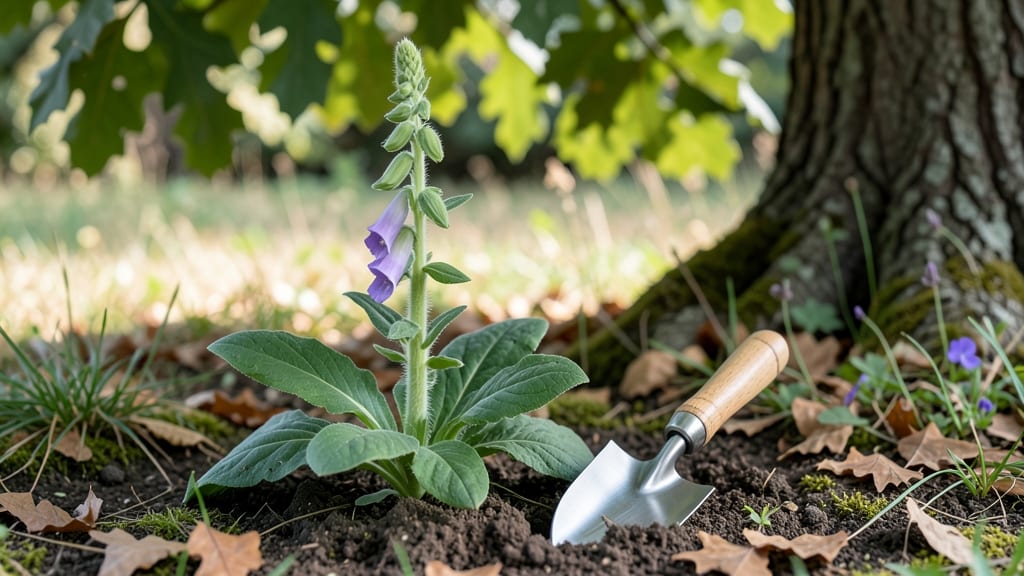
Wondering do foxgloves like sun or shade, you’ll find they thrive best in partial shade with morning sun and afternoon shade.
Picture this: your foxgloves 🌸 standing tall and proud, their bell-shaped blooms swaying gently in a breeze, but their leaves crisping at the edges because they got too much midday sun.
That’s the balance we’re talking about—too much sun can scorch their delicate foliage, while too little shade might leave them leggy and sparse.
In cooler climates like USDA Zone 6a, foxgloves often do well in dappled shade under trees, where they get filtered light all day. But in hotter regions, even a few hours of afternoon shade can make all the difference in keeping their blooms vibrant and their stems sturdy.
Below, I’ll break down the ideal light setup for foxgloves, including how to spot when they’re getting too much or too little sun—and the simple adjustments you can make to keep them thriving all season long.
 Best Window Placement
Foxgloves’ ideal light conditions: sun vs. shade balance
Foxgloves (Digitalis) thrive in partial shade, making them perfect for gardens with filtered sunlight or dappled shade. Unlike sun-loving perennials, their delicate foliage and bell-shaped blooms can scorch under intense afternoon rays.
Understanding their light needs is key to maximizing those dramatic 4-6 foot spikes of color.
While foxgloves tolerate morning sun, their ideal spot balances 4-6 hours of sunlight daily with afternoon shade. This protects their moisture-sensitive leaves while ensuring robust flowering. In hotter climates, even morning sun may require afternoon shade adjustments to prevent leaf burn and wilting.
Regional variations matter: Northern gardens can handle more sun, while Southern climates demand extra shade protection. I’ve found success placing foxgloves near east-facing fences or under tree canopies where sunlight is gentle. Their tall, airy stems also benefit from light breezes that partial shade often provides.
Here’s how to visualize their perfect light balance:
Seasonal adjustments are crucial. In spring and fall, foxgloves can handle more sunlight as temperatures moderate. But during summer’s peak heat, I recommend moving potted foxgloves to shadier spots or using lightweight shade cloth (30-50% coverage) to mimic their natural woodland understory habitat.
Another pro tip: Mulch heavily around foxgloves to retain moisture and cool roots. A 3-inch layer of organic mulch (like shredded bark) helps regulate soil temperature, which is especially helpful in hot, dry climates. This mimics their native European habitats where they grow under forest canopies with dappled light.
For container gardeners, place foxgloves near east-facing windows where they’ll receive gentle morning light without afternoon intensity. If using grow lights, 12 hours of low-intensity light (like LED bulbs) replicates their ideal conditions. Avoid high-wattage grow lights that can overheat their sensitive foliage.
Watch for seasonal light shifts too. In late summer, when days shorten, foxgloves may need supplemental light to prevent early dormancy. A simple reflective surface (like a white wall) can bounce extra light to their base.
Conversely, in winter, they’ll appreciate extra shade from snow or frost to protect their tender stems.
Remember: Healthy foliage equals better blooms. When foxgloves get the right light balance, they reward you with tall, sturdy spikes covered in vibrant purple, pink, or white flowers.
I’ve seen firsthand how proper light conditions transform a leggy, sparse plant into a showstopper that lasts from June through August.
Start with partial shade, monitor their response, and adjust gradually. Your foxgloves will thank you with years of dramatic, low-maintenance beauty—and fewer trips to the garden center for replacements! 🌸
Signs your foxgloves aren’t getting the right light
Your foxgloves may be silently screaming for help if they're not getting the perfect balance of sun and shade. These dramatic plants thrive in partial shade, but too much direct sunlight or insufficient light can lead to visible stress.
Watch for these red flags that your foxgloves aren't happy with their current light conditions.
One of the most obvious signs is leaf scorch, where edges of leaves turn crispy and brown, especially in hot afternoon sun. This happens when intense sunlight dries out the foliage faster than the plant can absorb moisture.
Another clue is when your foxgloves develop long, leggy stems with sparse leaves—this "reaching" behavior means they're stretching toward any available light source.
🌱 Foxgloves Need Partial Shade
Foxgloves prefer 4-6 hours of morning sun followed by afternoon shade. Too much direct sun causes leaf scorch and flower burn, while too little light leads to weak stems and fewer blooms. Adjust their location to mimic dappled woodland conditions for best results.
Poor flowering is another clear indicator that your foxgloves aren't getting the right light. When they receive insufficient light, they'll produce smaller flower spikes with fewer blooms, or the buds may fail to open entirely.
Even if you see buds forming, they might drop off before flowering if the light conditions are unstable.
Check the color of your foxglove leaves—healthy foliage should be a rich, deep green. If leaves appear pale or yellowish, this suggests light deprivation, while purplish or reddish tinges indicate too much sun exposure. These color changes are your foxgloves' way of communicating their light needs.
For container-grown foxgloves, watch how quickly the soil dries out. In full sun, containers will dry faster, requiring more frequent watering. If you're watering daily but still see wilted leaves, move the container to a shadier spot immediately.
The key is to mimic their natural woodland habitat where they receive filtered sunlight.
Try this simple test: Observe your foxgloves between 10 AM and 4 PM. If the leaves show signs of wilting or scorching during these hours, they're getting too much direct sun.
For under-exposed foxgloves, gradually move them to a slightly sunnier spot over 2-3 weeks to avoid shocking the plants.
Remember, foxgloves are perennial plants that will reward you with years of blooms if you get their light needs right. The ideal spot offers morning sunlight and afternoon protection, whether from nearby trees, a garden trellis, or even a well-placed fence.
With the right light balance, your foxgloves will grow taller, stronger, and more floriferous each season. 🌿