
Orchid Care
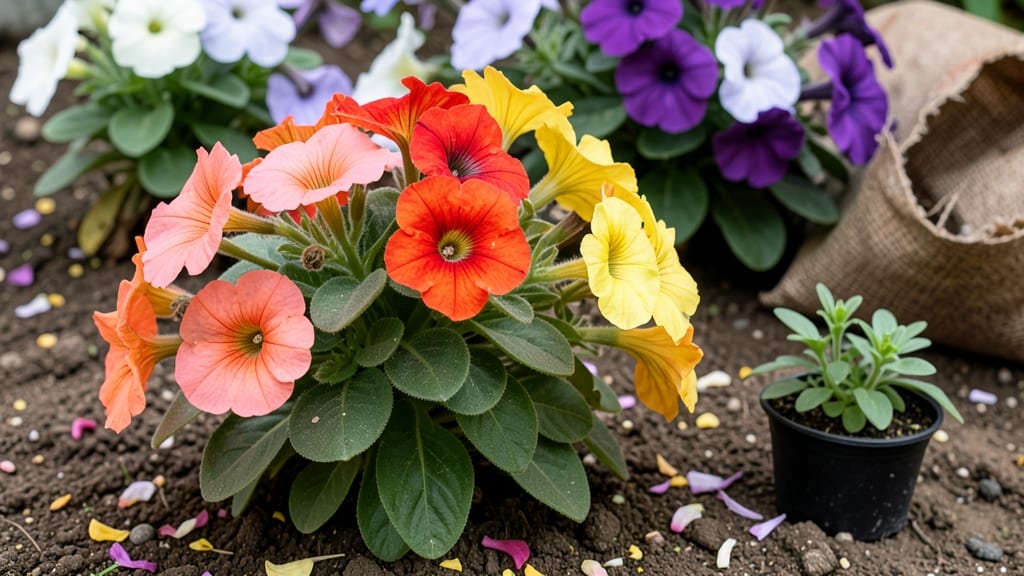
Petunias thrive in sun or shade, but the right light conditions can double their bloom time 🌸 — and most gardeners get this part wrong.
Picture this: you’ve planted your petunias with high hopes, only to watch them struggle with sparse blooms or wilted leaves. The issue might not be your watering or fertilizer routine—it’s likely where you’ve placed them.
Too much shade, and they’ll stretch and fade; too much harsh sun, and they’ll scorch. Finding that sweet spot is the key to a vibrant, long-lasting display.
In this guide, I’ll break down exactly how much sun or shade petunias need, which varieties handle each condition best, and how to adjust your care routine for maximum blooms.
Whether you’re dealing with a shady corner or a scorching afternoon sunspot, you’ll learn how to position your petunias for success—no guesswork required.
You’ll also discover how to spot the signs of light stress, the best companion plants for mixed-light gardens, and simple tricks to revive petunias that aren’t thriving. By the end, your petunias won’t just survive—they’ll explode with color all season long.
 Best Window Placement
Optimal sun vs. shade requirements for petunia growth and blooming
Petunias are sun-worshippers at heart, but their light needs vary wildly by variety—some thrive in blazing afternoon sun, while others prefer gentle morning light with afternoon shade. Getting this right can mean the difference between nonstop blooms for months and a sad, leggy plant with sparse flowers.
Let’s break down exactly what each petunia type craves to maximize your garden’s floral display.
First, understand that petunias need light to bloom. Without enough sunlight, they’ll focus energy on leaf growth instead of producing flowers. But too much harsh afternoon sun—especially in hot climates—can scorch leaves and reduce bloom intensity.
The key is matching your petunia variety to your garden’s natural light patterns and USDA hardiness zone.
In USDA zones 5-7, where summers can be hot but not extreme, most petunias will thrive with morning sun and afternoon shade. This protects leaves from midday heat stress while still providing enough light for optimal flowering.
For example, a grandiflora petunia in zone 6 might need a spot where it gets 6 hours of sun before noon and then moves into dappled shade.
If you’re in zones 8-11, where the sun is intense year-round, petunias need afternoon shade protection. Use a lightweight shade cloth (30-50%) or position them near trees that provide filtered light.
Trailing varieties like Surfinia can handle partial shade better than grandifloras, making them ideal for east-facing containers or woodland garden edges.
Color intensity is directly tied to sunlight. Petunias in full sun develop brighter, more vibrant blooms, while those in low light produce flowers that appear washed out or pale. For instance, a purple grandiflora in shade might look more lavender-gray than the deep royal purple you expect.
To maintain rich hues, rotate containers or move plants to sunnier spots as the season progresses.
One common mistake is assuming "partial shade" means any shady spot. Petunias need at least 3-4 hours of direct sunlight daily to set buds. A north-facing window or deep shade under a dense tree will leave your petunias barely flowering.
Instead, look for spots with dappled sunlight or filtered light through sheer curtains.
For container gardening, place petunias where they’ll get sunlight for at least half the day. If your porch only gets morning sun, choose trailing varieties like Wave Petunias, which tolerate less intense light. In ground beds, group petunias with taller plants on
How to adapt petunia care for sun vs. shade conditions
Petunias thrive with 6-8 hours of sunlight, but their care needs shift dramatically between full sun and partial shade conditions. In sunny spots, they demand more frequent watering and pruning, while shade-loving varieties need gentle adjustments to soil and feeding.
Let’s break down how to optimize their care based on where you plant them.
First, identify your petunia’s light exposure. A south-facing garden bed with no afternoon shade qualifies as full sun, while a spot with 3-6 hours of morning sun and afternoon shade counts as partial shade. Misjudging this can lead to leaf burn or leggy, sparse blooms, so accuracy matters.
⚠️ WARNING: Common Mistake Alert! Petunias in full sun need daily watering to prevent wilting, while those in partial shade can dry out faster than expected. Overwatering in shade causes root rot, while underwatering in sun leads to crispy edges. Balance is key—check soil moisture 1 inch below the surface before watering.
For full-sun petunias, use well-draining soil with a slightly acidic pH (6.0-6.5) to prevent nutrient lockout. Amend clay soil with compost or perlite and fertilize every 2 weeks with a balanced 10-10-10 formula. Prune spent blooms weekly to encourage new flowers.
In partial shade, petunias grow slower but need richer soil to compensate. Mix in organic matter like worm castings and fertilize every 3-4 weeks with a higher phosphorus blend (e.g., 5-10-5) to boost blooming. Avoid heavy mulch, which can suffocate roots in low-light areas.
Watch for leggy growth in shade, a sign of stretching toward light. Rotate containers quarter-turns weekly to ensure even exposure. In sun, faded blooms often mean insufficient water or over-fertilizing. Flush soil with water if you suspect buildup of salts from fertilizers.
Pro tip: Trailing petunias (like Surfinia) handle partial shade better than grandiflora varieties, which crave full sun. Adjust your plant choices based on your garden’s light map to avoid frustration later.