
Plants
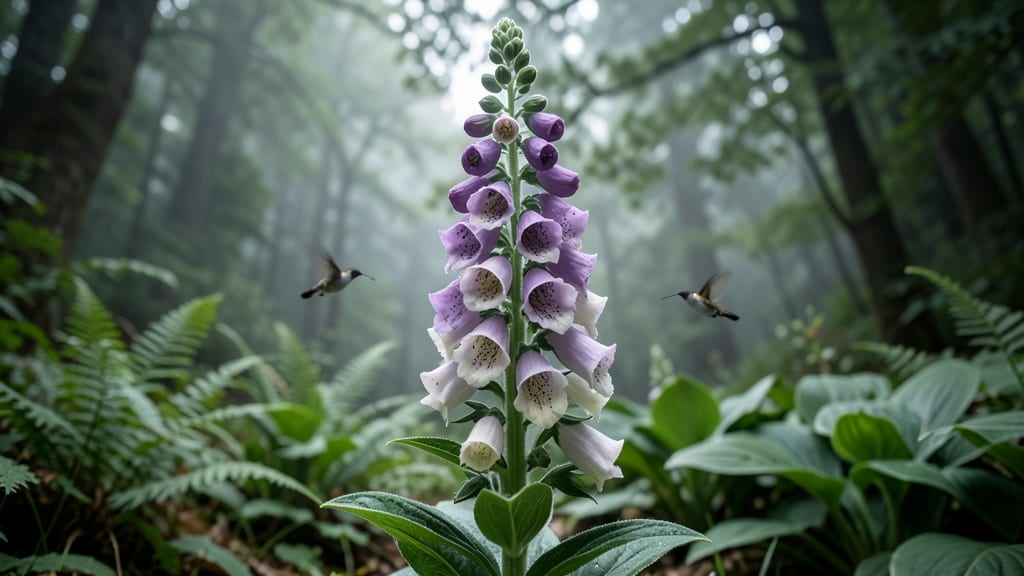
Struggling to grow vibrant plants in shady spots? These 10 shade-loving perennials thrive in low light, adding color and texture to your woodland garden without demanding sun exposure. Perfect for moist, understory areas where other plants fail.
Hostas for Textured Leaf Interest
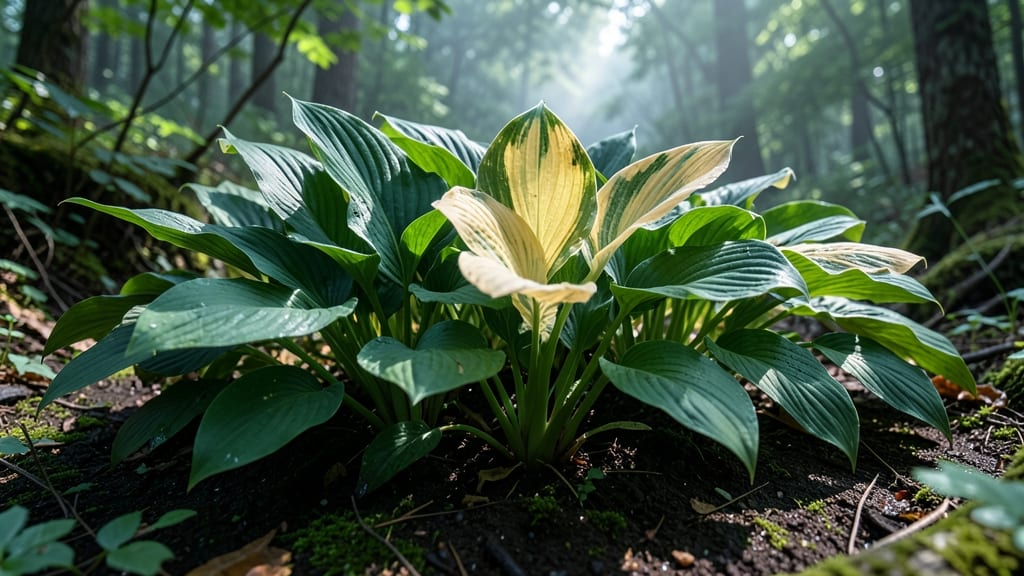
If you’ve ever struggled to find plants that thrive in deep shade, hostas are your secret weapon. These deer-resistant perennials offer a stunning range of foliage—from deep green to golden variegation—while requiring almost no sunlight to flourish.
Hostas grow best in moist, well-draining soil and prefer partial to full shade, making them ideal for foundation plantings, woodland edges, or under trees. Their low-maintenance nature means you’ll spend less time weeding and more time admiring their lush, textured leaves. Plus, they’re perfect for beginners because they’re hardy, adaptable, and come in sizes to fit any space.
Whether you’re lining a path or adding depth to a shady corner, hostas bring year-round interest with minimal effort. 🌱
Astilbe for Feathery Flower Plumes
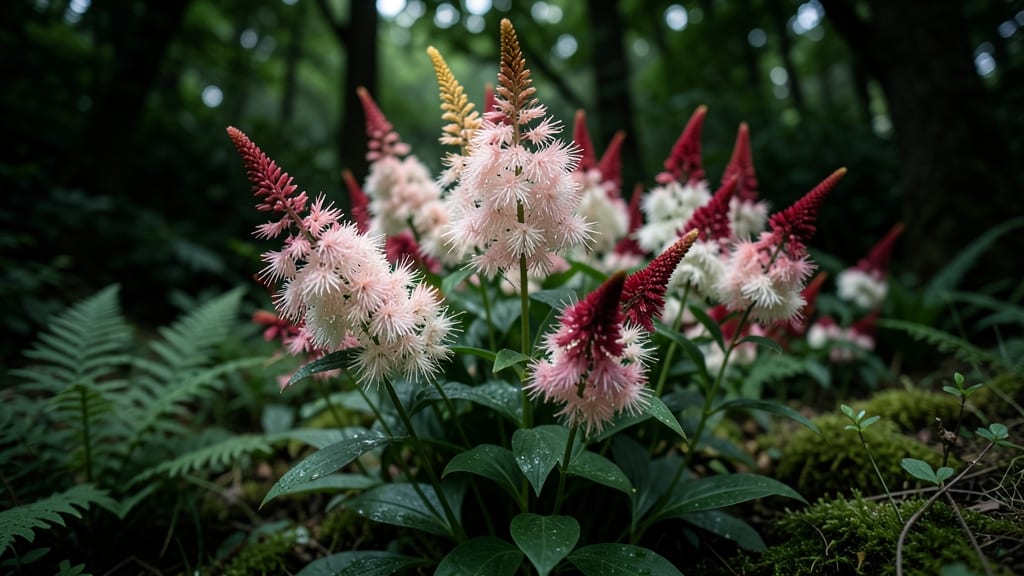
Turn your dimmest garden corners into a summer spectacle with astilbe, the queen of feathery plumes. This shade-lover bursts into soft pink, white, or red blooms from midsummer to fall, creating a cloud-like display that dances in the breeze—perfect for spots where sunstruck plants wilt.
Unlike many perennials, astilbe thrives in moist, well-draining soil, making it ideal for rain gardens, pond edges, or under large trees. Choose from dwarf varieties (12" tall) for borders or towering types (3 feet) as dramatic focal points. Deadhead spent blooms to encourage more flowers, and divide clumps every 3-4 years to keep them vigorous.
Urban gardeners with small spaces will love astilbe's compact habit, while woodland gardeners can use it to soften shady edges. Its airy texture contrasts beautifully with bold hostas or ferns, adding movement and romance to any shade garden. 🌻
Hellebores for Early Season Color
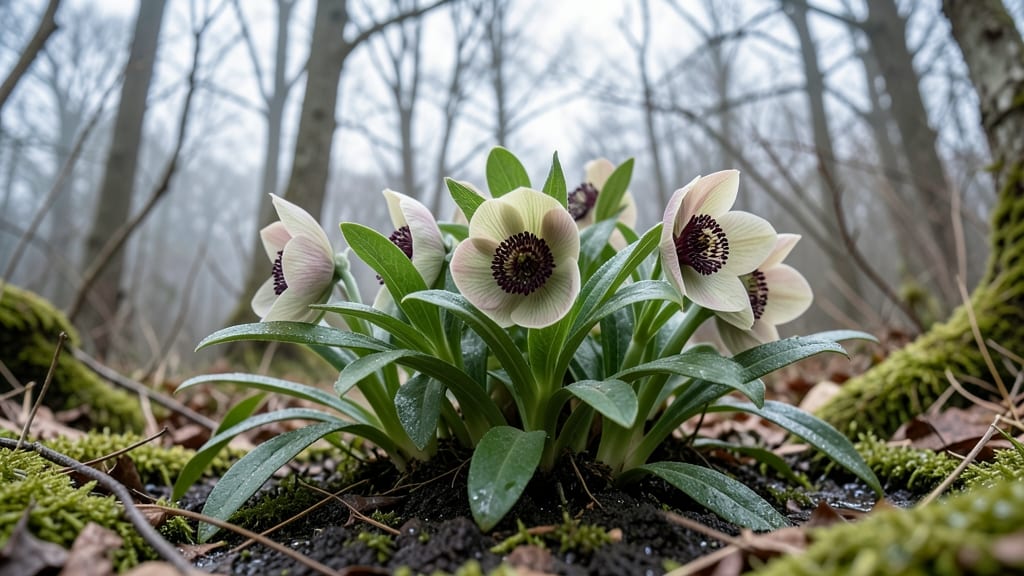
When your garden feels like a winter wasteland, helleborus—commonly called Lenten roses—burst into bloom with delicate, nodding flowers that defy the cold. These shade-loving perennials offer year-round interest, with evergreen foliage that stays vibrant even when most plants have gone dormant.
Plant them in partial to full shade, where they’ll thrive in well-draining, moist soil—ideal for woodland gardens or under large trees. Their late winter to early spring blooms (February to April) provide crucial color when little else is flowering, and they’re deer-resistant, making them a low-stress choice. Varieties like Helleborus niger (Christmas rose) and Helleborus orientalis offer shades of white, pink, purple, and even green.
Perfect for gardeners who want color without compromise, hellebores are especially rewarding for those with dark, neglected corners. Their ability to self-seed also means they’ll multiply over time, creating a naturalized look. 🌷
Ferns for Lush Green Backdrops
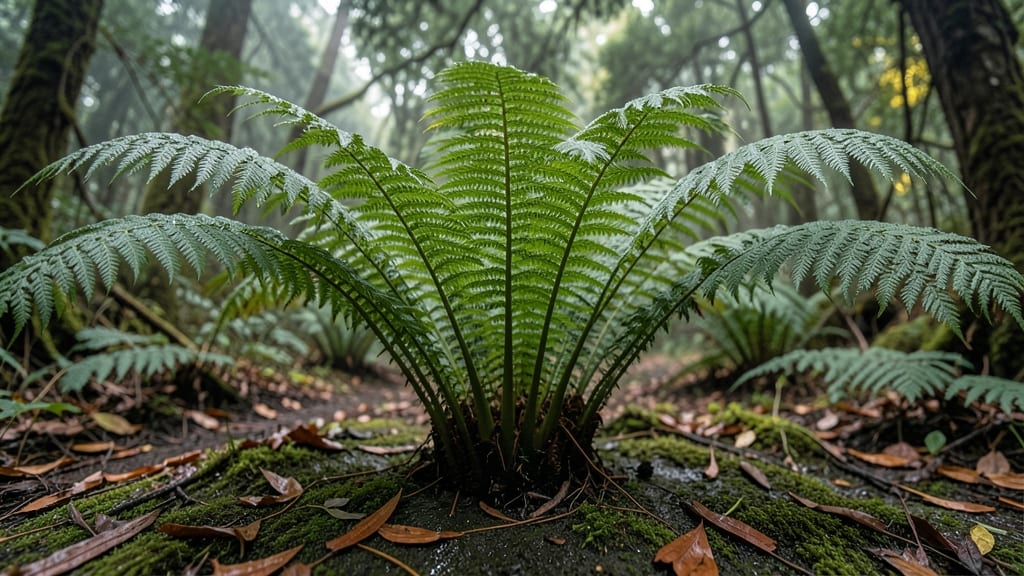
Skip the flowers—ferns like Matteuccia struthiopteris (ostrich fern) deliver dramatic texture without a single bloom. Their unfurling fiddleheads and feathery fronds create a lush, architectural backdrop that outshines most flowering perennials in shade.
These ferns thrive in moist, acidic soil under dappled light, making them perfect for woodland gardens or north-facing borders. Divide clumps every 3-4 years to keep them vigorous, and watch them cascade over rocks or spill from containers for instant vertical drama. 🌿
Ideal for gardeners who love year-round structure—ferns stay green through winter and add movement with their delicate fronds. They’re also deer-resistant, so your shady spots stay lush without constant pests. ✨
Bleeding Heart for Graceful Arches
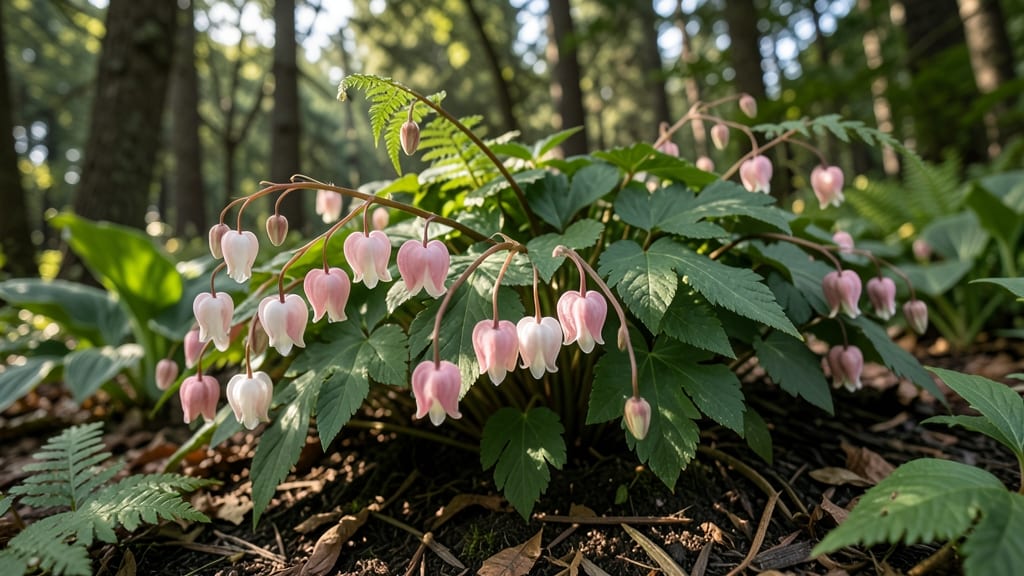
Transform shady garden corners into a romantic retreat with bleeding heart (Dicentra spectabilis), a perennial that drapes cascading stems adorned with delicate, heart-shaped flowers. Unlike sun-loving perennials, this plant thrives in partial to full shade, making it perfect for understory planting or north-facing beds where sunlight is scarce.
Its blooms appear in spring, typically in shades of pink or white, before the plant naturally dies back in summer—only to surprise you with fresh growth the following year. For best results, plant in moist, well-draining soil enriched with organic matter, and provide afternoon shade in hotter climates. Prune back dead foliage in late summer to encourage vigorous regrowth.
This sentimental favorite is ideal for cottage gardeners, woodland enthusiasts, and anyone who loves a touch of whimsy. Pair it with ferns or hostas for a dreamy, layered look that feels straight out of a storybook. 🌷
Japanese Painted Fern for Unique Foliage
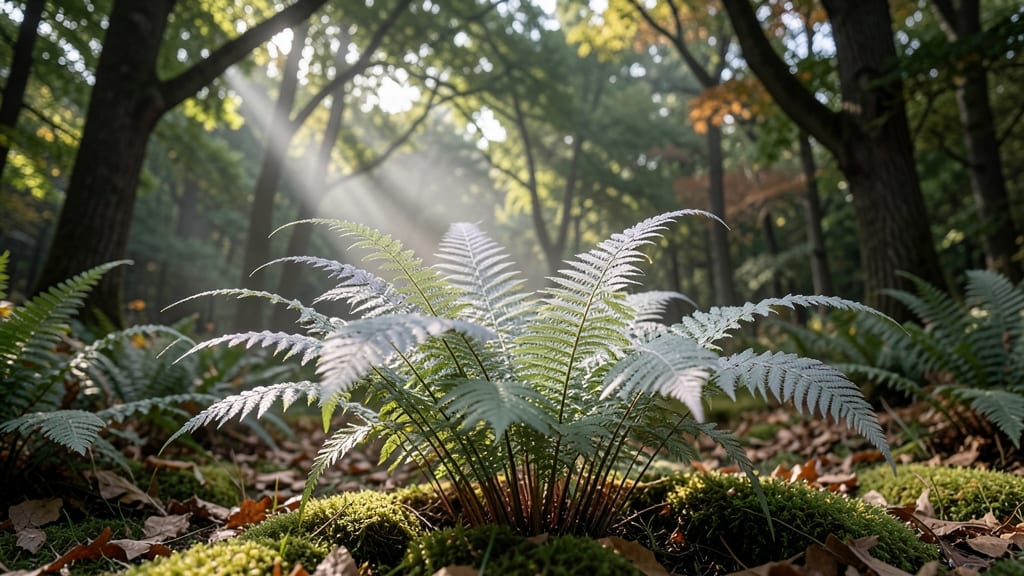
If you love textured foliage but struggle with plants that sprawl beyond their space, the Japanese Painted Fern (Athyrium niponicum var. pictum) is your answer. Its silvery-green fronds create a luminous glow in deep shade, making it a standout even where sunlight barely reaches.
This compact perennial stays under 18 inches tall and wide, thriving in containers or tight garden corners where larger perennials would overcrowd. It prefers moist, well-draining soil and partial shade but handles full shade beautifully. For extra drama, pair it with hostas or coral bells—its silver foliage contrasts stunningly with deeper greens.
Urban gardeners and small-space growers will love how this fern adds year-round interest without demanding attention. Just keep it consistently moist, and it’ll reward you with lush, glowing fronds all season. 💚
Lungwort for Healing and Beauty
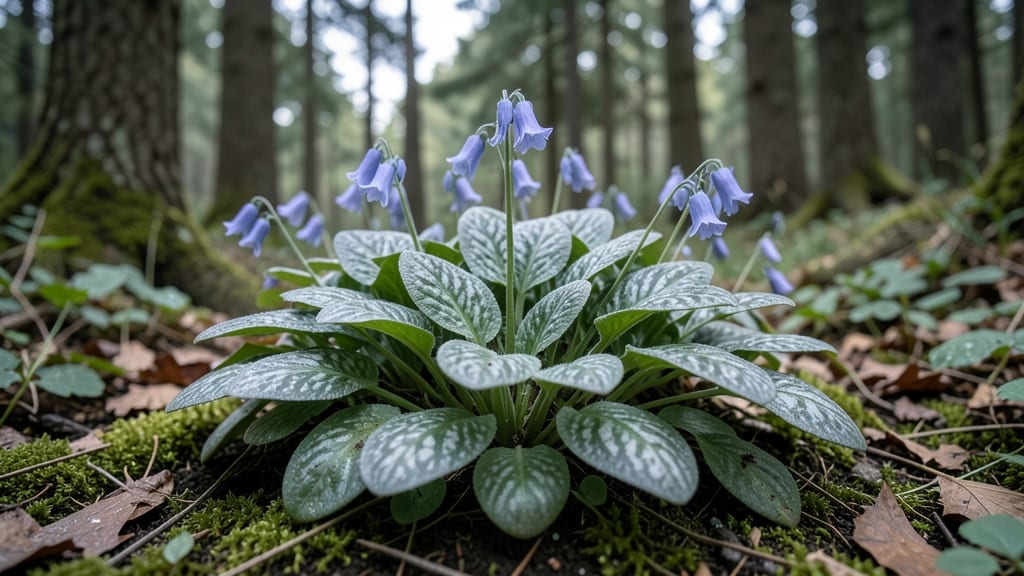
Discover a plant that bridges ancient medicine and modern gardens—lungwort (Pulmonaria spp.), with its silvery-spotted leaves and delicate blue-purple blooms. This hardy perennial thrives where others falter, making it a standout for shady, moist corners of your garden.
Lungwort earns its name from its historical use in herbal remedies for lung ailments, but today it’s prized for its pollinator-friendly flowers and striking foliage. Plant it in moist, well-draining soil under trees or in rain gardens, where it spreads gently to form lush ground cover. The spotted leaves add visual interest even when not in bloom, while its early spring flowers feed bees before other perennials wake up.
Perfect for cottage gardens, woodland edges, or as a living mulch, lungwort brings both beauty and purpose to shady spots. 💚
Solomon’s Seal for Vertical Elegance
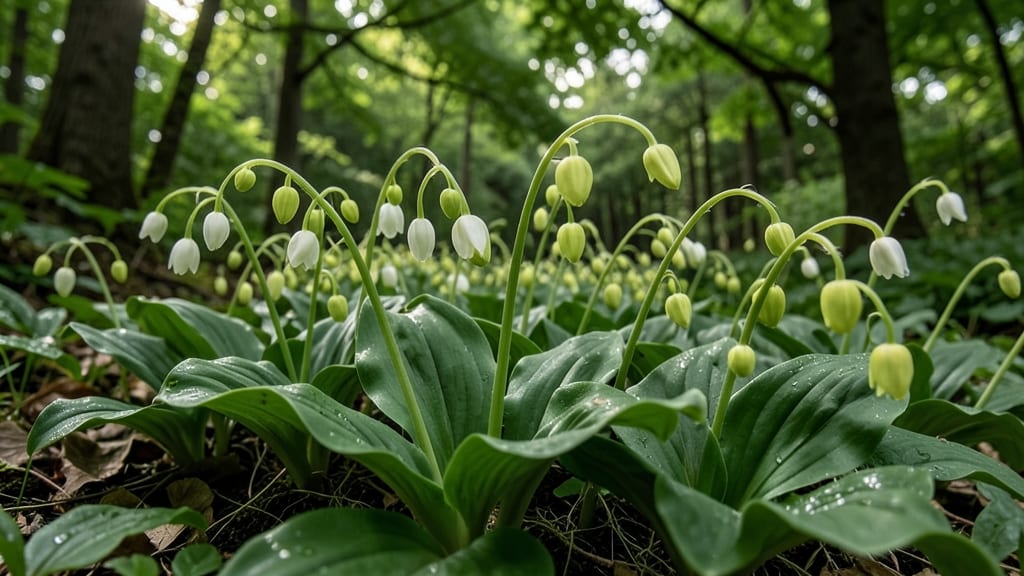
Transform your shady garden into a layered masterpiece with Solomon’s Seal, a perennial that grows in elegant, arching stems adorned with dangling white or chartreuse flowers. Unlike other shade plants that struggle in dry conditions, this beauty thrives once established, making it a top pick for gardeners who want beauty without the fuss.
Plant Polygonatum odoratum in well-draining soil under trees or along fences, where its graceful 2-3 foot stems create natural vertical interest. The delicate blooms appear in late spring, followed by clusters of blue-black berries that add seasonal contrast. Its tolerance for dry shade means less watering once roots are settled—ideal for forgetful gardeners.
Perfect for cottage gardens or woodland edges, Solomon’s Seal pairs beautifully with hostas and ferns while requiring minimal care. It’s the ultimate low-maintenance stunner for adding structure and charm to shaded spots. ✨
Coral Bells for Dramatic Foliage
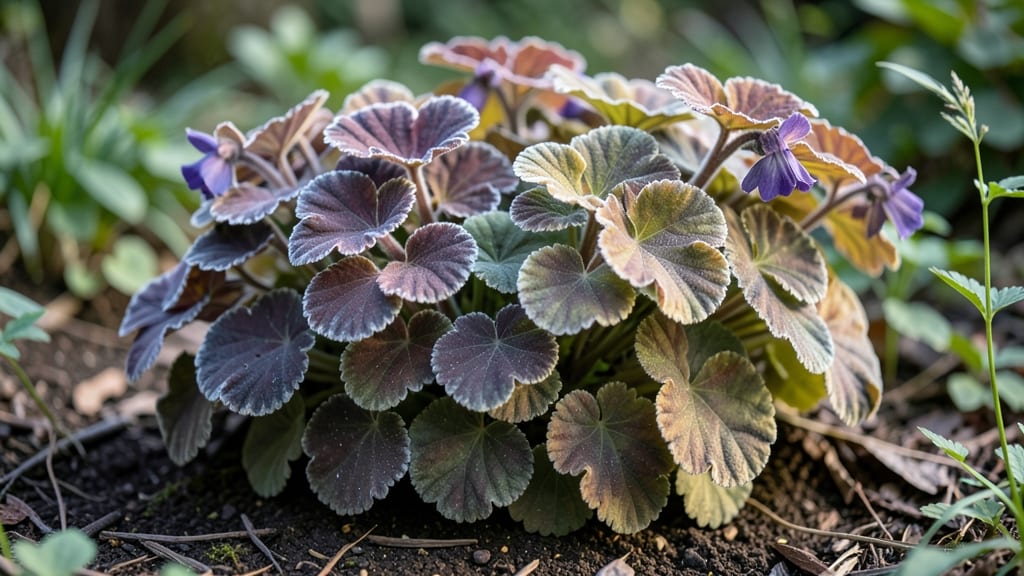
If you want to transform dull, shady corners into eye-catching focal points, coral bells (Heuchera) are your secret weapon. These perennials pack a punch with their velvety leaves in deep purple, silver, or golden hues, creating drama even when flowers aren’t in bloom.
Plant them in well-draining soil with partial to full shade, and they’ll reward you with year-round foliage interest—no deadheading required. Varieties like 'Palace Purple' or 'Lime Rickey' thrive in containers or mixed borders, while 'Berry Smoothie' adds a pop of pink blooms in spring. Their compact size (12–18 inches) makes them perfect for urban gardens or small spaces.
Urban gardeners and container lovers will appreciate how coral bells add color and texture without bulk. Pair them with ferns or hostas for a layered, lush look that’s easy to maintain. 🌿
Foxglove for Tall, Showy Spikes

When you need to add dramatic height to your shady garden without sacrificing blooms, foxglove (Digitalis purpurea) delivers stunning towering spikes of bell-shaped flowers that hummingbirds adore. Unlike many shade perennials, foxglove thrives in partial shade while still producing its signature 5-foot-tall flower stalks in shades of purple, pink, or white.
This biennial plant may take two years to establish, but it rewards you with self-seeding reliability, meaning new plants pop up year after year with minimal effort. Plant seeds or transplants in moist, well-draining soil enriched with compost—foxglove despises dry conditions but handles cooler temperatures better than full sun. Deadhead spent blooms to encourage more flowers, but leave some seed pods for natural propagation.
Perfect for cottage gardens, woodland edges, or pollinator-friendly borders, foxglove brings vertical drama where other shade plants fall short. Gardeners with hummingbird feeders will especially love this magnet for winged visitors. 🌷