
Light Requirements
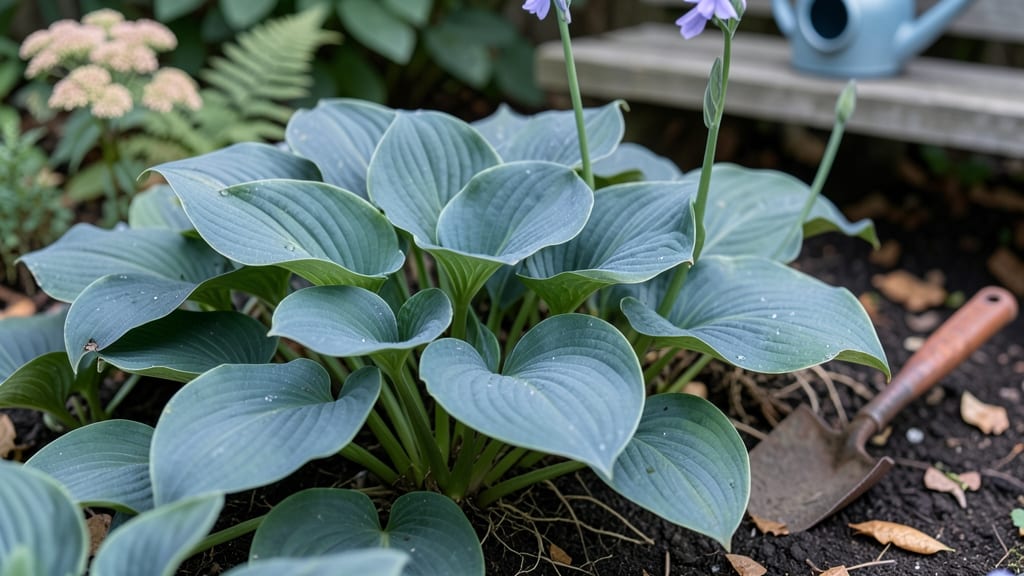
Deep shade shouldn’t mean dead plants—shade-tolerant deer-resistant perennials are the secret to lush, low-maintenance borders that deer ignore. 🌿 After years of wrestling with munched hostas and chewed astilbes, I finally found the combo that thrives where nothing else will: bold foliage, four-season structure, and zero deer interest.
The real game-changers are Heuchera (with its jewel-toned leaves that glow even in low light) and Lamium (a sprawling groundcover with silvery foliage and tiny purple flowers deer avoid like the plague).
Add Astilbe for feathery plumes in summer and Hosta (yes, even deer will skip these if you choose the right varieties) for texture. These plants handle shade, humidity, and hungry critters—perfect for woodland edges, north-facing walls, or that shady spot where nothing else grows.
By mixing heights and textures, you’ll create a living privacy screen that’s fragrant, colorful, and deer-proof—no fences or repellents needed. Mulch with shredded bark to keep roots cool, water deeply once a week, and watch your shade garden transform into a thriving, low-stress retreat.
The best part? These perennials multiply over time, filling in gaps without extra work.
Works for any shaded yard, from city backyards to woodland gardens. Here’s how to pair them for maximum impact—without the deer damage.
📚 In This Guide
- What you need
- Instructions
- Tips and common mistakes
- Wrapping up and next steps
What you need
- ● Shade-tolerant, deer-resistant perennials: 4–6 plants of Hosta (e.g., 'Blue Angel' or 'Halcyon') – 1–2 gallon pots
- ● 3–5 plants of Astilbe (e.g., 'Fanal' or 'Deutschland') – quart pots
- ● 2–3 plants of Heuchera (e.g., 'Palace Purple' or 'Lime Rickey') – quart pots
- ● 1–2 plants of Lungwort (Pulmonaria) (e.g., 'David Ward') – quart pots
- ● 1–2 plants of Japanese Painted Fern (Athyrium) – quart pots
- ● Soil amendments: 5–10 lbs compost (for enriching native soil)
- ● 3–5 lbs peat moss or coconut coir (for moisture retention)
- ● Mulch: 2–3 bags shredded bark or wood chips (2–3 cubic feet per bag)
- ● Tools: 1 garden trowel (for planting)
- ● 1 hand pruners (for trimming)
- ● 1 garden fork (for loosening soil)
- ● 1 watering can or hose with nozzle (for gentle watering)
- ● 1 deer repellent spray (for extra protection during planting)
- ● 1 soil pH test kit (to ensure optimal growing conditions, pH 6.0–7.0 ideal)
- ● 1 landscape fabric (to suppress weeds in high-traffic areas)
- ● 1 slow-release fertilizer (e.g., 10-10-10, 1 lb per 100 sq ft)
Step-by-Step guide to planting shade-tolerant deer-resistant perennials
Here's how to create a lush, low-maintenance privacy screen that deer won't touch.
🌱 Step 1: Select and Prepare Your Planting Site
Choose a location receiving less than 4 hours of direct sunlight daily—perfect for shade-loving perennials like heuchera, astilbe, and ferns. Clear debris and loosen the soil to a depth of 12 inches, breaking up any compacted layers. Amend with 2-3 inches of compost to improve drainage and nutrient availability, especially important in dense shade where roots struggle to thrive.
Test your soil's moisture retention by digging a small hole and filling it with water. If it drains completely within 30 minutes, your soil is too sandy—mix in 1 part peat moss to help retain moisture. For clay-heavy soil, add 1 part perlite to prevent waterlogging, which can suffocate roots in deep shade.
🪴 Step 2: Choose the Right Deer-Resistant Perennials
Select four varieties that combine texture, height, and seasonal interest: heuchera (evergreen foliage), astilbe (airy plumes), foamflower (spring blooms), and Japanese painted fern (arching fronds). These plants thrive in partial to full shade and contain compounds deer find unappealing, like bitter alkaloids in heuchera.
Space plants according to their mature size: 18-24 inches apart for heuchera and astilbe, 24-30 inches for foamflower, and 18 inches for ferns. Group taller varieties (like astilbe) at the back of your planting bed to create a natural layered effect. Label each plant immediately to avoid confusion as they establish.
💧 Step 3: Plant with Proper Spacing and Mulching
Dig holes twice as wide as the root ball but only as deep as the container. Gently remove plants from their pots and loosen any circling roots with your fingers. Place each plant in its hole so the top of the root ball sits level with the surrounding soil—burying too deep can suffocate stems, while planting too high leaves roots exposed.
Backfill with native soil, pressing lightly to eliminate air pockets. Water deeply until moisture reaches 6 inches down, then apply 2-3 inches of shredded bark mulch around each plant, keeping it 2 inches away from stems to prevent rot. Mulch conserves moisture and regulates soil temperature, critical for shade plants that struggle to dry out quickly.
☀️ Step 4: Establish a Consistent Watering Routine
Water deeply 2-3 times per week during the first growing season to encourage strong root development. Check soil moisture by inserting your finger 2 inches down—if it feels dry, it's time to water. Avoid overhead sprinkling, which can promote fungal diseases in dense foliage. Instead, use a soaker hose or drip irrigation to deliver water directly to the root zone.
Once established (after 12-18 months), these perennials will require minimal watering. However, during prolonged dry spells, maintain 1 inch of water per week to keep foliage vibrant. Deer are less likely to browse well-watered plants, so consistent moisture also acts as a subtle deterrent.
✂️ Step 5: Prune and Maintain for Long-Term Health
Cut back foamflower and astilbe to 4-6 inches from the ground in early spring before new growth emerges. This encourages bushier stems and prevents flopping. For heuchera and ferns, remove only dead or damaged foliage—these plants provide year-round interest and benefit from natural pruning by winter dieback.
Apply a thin layer of compost around plants annually in early spring to replenish nutrients. Avoid heavy fertilizers, which can lead to leggy growth in shade conditions. Monitor for pests like slugs or snails, common in moist shade environments, and address them with copper barriers or organic baits—chemical controls can harm beneficial insects.
Tips & tricks for planting shade-tolerant deer-resistant perennials
These subtle adjustments will help your shade garden thrive for years without deer interference.
Soil Preparation Insight: When testing your soil's moisture retention in Step 1, fill the hole with water and wait exactly 30 minutes before checking drainage. If water disappears completely, your soil is too sandy—mix in equal parts peat moss to help retain moisture. For clay-heavy soil, add perlite to create better aeration for roots struggling in deep shade. I've seen shade perennials fail when planted in unamended clay because roots can't breathe properly.
Plant Selection Strategy: In Step 2, consider adding optional: ajuga for its ground-hugging habit and deer-resistant foliage if you want extra coverage. The key is balancing textures—pair the upright astilbe with the trailing foamflower to create visual interest while maintaining that layered effect. Labeling plants immediately prevents mix-ups as they establish, especially important when dealing with four different varieties.
Mulching Mastery: For Step 3, apply that 2-3 inches of shredded bark mulch within 2 weeks of planting to protect young roots from temperature fluctuations. Keep mulch 2 inches away from stems to prevent rot—a common mistake that can kill shade plants before they even establish. I've found that mulching right after planting creates a more stable root zone environment.
Watering Wisdom: During the first growing season in Step 4, water deeply 2-3 times per week until moisture reaches 6 inches down. Use a moisture meter if you're unsure—shade plants need consistent moisture but hate soggy roots. Once established, reduce to 1 inch per week during dry spells to keep foliage vibrant while discouraging deer browsing.
Pro Tips for Shade Tolerant Deer Resistant Perennials
- These subtle adjustments will help your shade garden thrive for years without deer interference.
- Soil Preparation Insight: When testing your soil's moisture retention in Step 1, fill the hole with water and wait exactly 30 minutes before checking drainage.
- Plant Selection Strategy: In Step 2, consider adding optional: ajuga for its ground-hugging habit and deer-resistant foliage if you want extra coverage.
Frequently asked questions
Got questions about shade-tolerant, deer-resistant perennials?
You’re not alone! Here are answers to the most common ones to help you create a lush, low-maintenance privacy screen that deer won’t touch—even in deep shade.
What are the best shade-tolerant perennials that deer actually avoid?
Top picks include Hellebores (Lenten Rose), Lungwort (Pulmonaria), Foxglove (Digitalis), Bleeding Heart (Dicentra), and Japanese Painted Fern (Athyrium). These plants thrive in shade and have strong fragrances or fuzzy textures deer dislike. Pro tip: Pair them with Allium or Salvia for extra deer deterrence!
When is the best time to plant these perennials for shade?
Plant in early spring or early fall when soil is workable but not frozen. Avoid summer heat, which stresses roots. For container-grown plants, you can also tuck them into shaded spots in late fall—just mulch well to protect roots over winter. Timing matters: Give plants 6–8 weeks to establish before harsh weather hits!
How do I keep deer from nibbling any of my shade plants?
Combine physical barriers (like fencing or plant supports) with natural deterrents. Sprinkle deer-repellent granules (with capsaicin or garlic) around the base, or plant deer-confusing companions like Russian Sage or Lavender nearby. Bonus: Motion-activated sprinklers startle deer without harming them!
Will these perennials survive in very dry shade?
Most shade-tolerant perennials prefer moist, well-draining soil, but some (like Sedum ‘Dragon’s Blood’ or Heuchera) handle drier conditions. Mulch heavily (3–4 inches of shredded bark or leaves) to retain moisture. Water deeply once a week during the first growing season, then taper off—unless your area has extreme drought.
What if my shade garden still gets chewed up? Any last-resort fixes?
If deer persist, try rotating plants or adding thorny or aromatic plants like Barberry or Daphnes as borders. For severe cases, install a low wire fence (2–3 ft tall) or use deer-resistant ground covers like Ajuga to fill gaps. Last tip: Plant in clusters—deer are less likely to target isolated plants!
Wrapping up and next steps
Transforming your shady garden into a lush, private retreat is easier than you think! These shade-tolerant, deer-resistant perennials offer year-round beauty while standing strong against hungry critters. Whether you're a seasoned gardener or just starting, every plant you add brings you one step closer to a thriving, low-maintenance sanctuary.
Ready to take action? Start small—pick 2-3 plants that match your space, then expand as you see what flourishes. Happy planting! 🌿✨