
Companion Plants
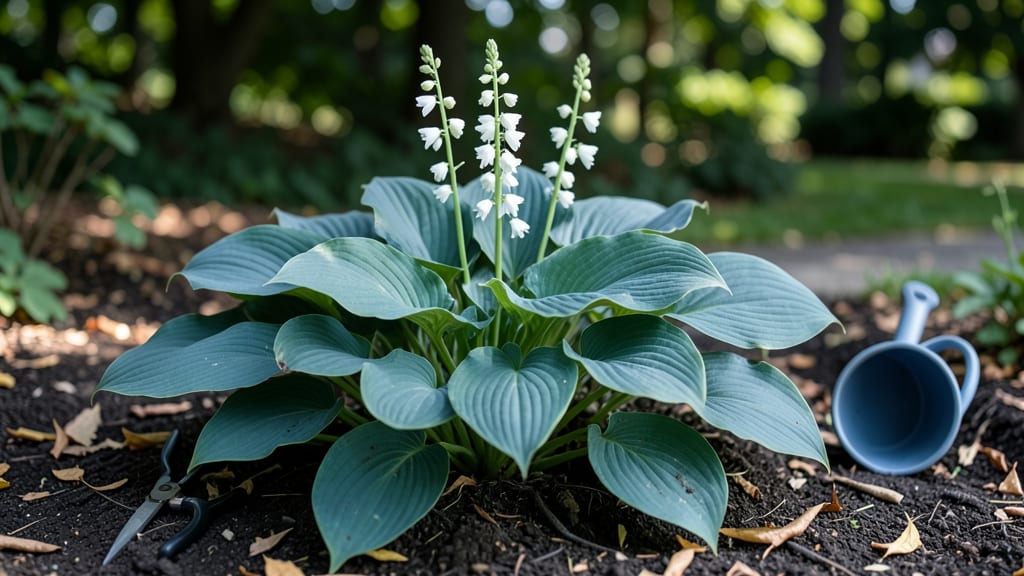
Zone 5 shade gardens can shine with the right perennial shade plants, and my front yard proves it—hostas, astilbes, and lungwort weave a vibrant tapestry beneath the towering maple. 🌿 to spots where sun barely reaches, proving shade doesn't mean sacrificing beauty.
The best part? These plants handle Zone 5 winters like champs, popping back every spring with fewer pests and less fuss than sun-lovers. Think velvety foliage, delicate blooms, and foliage that stays interesting through all four seasons—no high-maintenance drama required.
You'll end up with a garden that feels like a secret forest retreat, complete with butterflies on astilbe plumes and the quiet satisfaction of a space that works with nature, not against it. The combinations are endless once you start mixing heights, textures, and bloom times.
Perfect for under trees, along north-facing walls, or anywhere your yard gets less than 4 hours of sun daily. Let's turn that shady corner into your garden's star feature!
📚 In This Guide
- What you need
- Instructions
- Tips and common mistakes
- Wrapping up and next steps
What you need
- ● Perennial shade plants (Zone 5 hardy): 1–3 Hosta varieties (e.g., 'Blue Angel' or 'Halcyon') – 1–2 plants per 1 sq ft
- ● 1 Astilbe (e.g., 'Fanal') – 1 plant per 2 sq ft
- ● 1 Heuchera (e.g., 'Palace Purple') – 1 plant per 1 sq ft
- ● 1 Ferns (e.g., Matteuccia struthiopteris) – 1–2 plants per 2 sq ft
- ● 1 Bleeding Heart (Dicentra spectabilis) – 1 plant per 2 sq ft
- ● 1 Lungwort (Pulmonaria spp.) – 1 plant per 1 sq ft
- ● Soil amendments: 5–10 lbs compost (per 10 sq ft)
- ● 2–3 lbs organic mulch (e.g., shredded bark or leaves)
- ○ Optional: Slow-release fertilizer (10-10-10, 1 lb per 100 sq ft)
- ● Digging tools: 1 garden trowel (for small plants)
- ● 1 garden fork or spade (for amending soil)
- ● Prep & care: 1 wheelbarrow (for hauling soil/mulch)
- ● 1 hose with spray nozzle or watering can
- ● 1 pruning shears (for cleanup)
- ○ Optional: Soil pH tester (to check acidity, ideal: 5.0–6.5)
- ● Site assessment: Confirm full shade (≤3 hrs sun/day) or partial shade (3–6 hrs sun).
- ● Test soil drainage (avoid soggy spots—amend with sand if needed).
- ● Timing: Plant in early spring or fall (Zone 5’s ideal windows!).
- ● Safety: Wear gloves (some plants, like Heuchera, have sharp leaves).
- ● Check for deer/rabbit activity (use mesh if needed).
Step-by-Step guide to establishing perennial shade plants in Zone 5
Here’s how to create a thriving shade garden that survives Zone 5 winters and flourishes year after year.
🌱 Step 1: Prepare the Soil for Moisture and Drainage
Shade plants hate soggy roots, so start by amending your soil with 3 inches of compost mixed into the top 6 inches of soil. I like to work in 1 part compost to 3 parts native soil—this improves drainage while keeping moisture levels steady. Use a garden fork to loosen compacted areas, breaking up any clay layers that might trap excess water.
For heavy clay soils, add 1/2 inch of coarse sand or perlite per square foot to help water drain faster. Test your soil’s moisture by squeezing a handful—it should hold together but not feel sticky. If it crumbles easily, you need more organic matter; if it stays clumped, add more sand.
🪴 Step 2: Choose the Right Plants for Year-Round Interest
For a low-maintenance Zone 5 shade garden, focus on perennials that offer seasonal color and texture. I recommend heuchera (coral bells) for vibrant foliage, astilbe for feathery plumes, and hostas for lush, shade-tolerant leaves. Add fern varieties like Japanese painted fern for delicate fronds and bleeding heart (dicentra) for spring blooms.
Space plants according to their mature size—most shade perennials need 12-24 inches between each. Larger plants like ligularia or tiarella can go 2-3 feet apart. Group plants with similar water needs together to simplify care later.
☀️ Step 3: Plant in Early Spring or Fall for Best Establishment
Dig holes twice as wide as the root ball but no deeper—this encourages roots to spread outward rather than settling too low. Gently remove plants from their containers and tease apart any circling roots. Place each plant in its hole so the top of the root ball sits 1 inch below soil level—this prevents crown rot in heavy shade.
Backfill with the amended soil, pressing lightly to remove air pockets. Water deeply until moisture seeps 6 inches down. Mulch with 2-3 inches of shredded bark or leaf mold to retain moisture and protect roots from winter temperature swings. Avoid thick mulch layers—they can suffocate roots and trap too much moisture.
💧 Step 4: Water Deeply and Mulch Consistently
Water new shade plants once a week during the first growing season, applying 1 inch of water per session. Let the top 2 inches of soil dry between waterings—this prevents root rot while keeping plants hydrated. In hot, dry spells, increase to twice weekly and check soil moisture with your finger.
Replenish mulch annually in early spring to maintain its insulating properties. Avoid piling mulch against plant stems—keep it 2 inches away to prevent rot. Over time, your shade garden will establish deep roots, making it more drought-tolerant and resilient to Zone 5 winters.
✂️ Step 5: Prune and Divide as Needed for Long-Term Health
Most shade perennials need minimal pruning, but remove spent blooms from astilbe and dicentra in early summer to encourage more flowers. Cut back bleeding heart stems to the ground after they yellow in late summer. For hostas and heuchera, trim any damaged foliage in early spring before new growth appears.
Divide clumps every 3-4 years in early spring or fall to prevent overcrowding. Dig up the plant, separate the root sections with a sharp knife, and replant the healthiest divisions. This rejuvenates plants and gives you extra stock for sharing with fellow gardeners.
Tips & tricks for perfect perennial shade gardens in Zone 5
A thriving shade garden isn't just about planting—it's about creating the right conditions for these cold-hardy beauties to flourish. Here's what I've learned after years of trial and error in my own Zone 5 garden.
Soil Prep Secret: When amending your soil with the 3 inches of compost and native soil mix from Step 1, consider adding a handful of mycorrhizal fungi to the planting hole. This natural soil fungus helps plant roots absorb nutrients more efficiently, especially in the first critical growing season. I've noticed my shade plants establish roots faster and handle drought better when I use this trick. For clay-heavy soils, mix in 1/2 inch of horticultural sand rather than perlite—it breaks down over time and improves soil structure permanently.
Plant Selection Wisdom: In Step 2, when choosing your shade perennials, pay attention to their native growing conditions. For example, heuchera and hostas prefer consistently moist but well-drained soil, while fern varieties like Japanese painted fern tolerate slightly wetter conditions. I always plant ferns near my rain garden area where water naturally collects. For maximum impact, select plants with varying heights—tall ligularia (3-4 feet) at the back, medium astilbe (2-3 feet) in the middle, and low-growing tiarella (6-12 inches) at the front.
Planting Technique: The 1-inch depth adjustment in Step 3 is crucial—it prevents crown rot by keeping the plant's crown slightly below soil level while allowing proper drainage. I've found that using a root stimulator powder when backfilling helps establish roots faster. For container-grown plants, gently squeeze the root ball before planting to encourage roots to spread outward into the new soil. This simple step can make a huge difference in how quickly your plants establish themselves.
Watering Strategy: When following the once-weekly watering schedule in Step 4, use a rain gauge or tuna can to measure your 1 inch of water—it's surprising how much less water comes out of a hose than you think! Water in the early morning to reduce evaporation and fungal diseases. I've also noticed that mulching with leaf mold (composted leaves) retains moisture better than bark chips in my Zone 5 climate.
Pro Tips for Perennial Shade Plants Zone 5
- A thriving shade garden isn't just about planting—it's about creating the right conditions for these cold-hardy beauties to flourish.
- Soil Prep Secret: When amending your soil with the 3 inches of compost and native soil mix from Step 1, consider adding a handful of mycorrhizal fungi to the planting hole.
- Plant Selection Wisdom: In Step 2, when choosing your shade perennials, pay attention to their native growing conditions.
Frequently asked questions
Got questions about growing perennials in shady Zone 5 gardens? You’re not alone! Here are answers to the most common concerns—from plant care to troubleshooting—so you can create a thriving, low-maintenance shade garden with confidence.
What are the easiest perennial shade plants for beginners in Zone 5?
Start with hostas, heucheras, and astilbes—they’re tough, low-maintenance, and handle Zone 5 winters well. Lungwort (Pulmonaria) and foamflower (Tiarella) are also great for their resilience and early blooms. Pro tip: Choose varieties labeled "Zone 5 hardy" to avoid surprises!
How do I protect shade perennials from harsh Zone 5 winters?
Most shade-loving perennials are naturally cold-hardy, but a 3-inch layer of mulch (like shredded bark or leaves) insulates roots. For tender varieties, cover with burlap or evergreen boughs during extreme cold snaps (<20°F). Avoid heavy mulch near stems to prevent rot.
When is the best time to plant shade perennials in Zone 5?
Plant in early spring (April–May) or early fall (September–October) when soil is workable but not frozen. Fall planting gives roots time to establish before winter, while spring avoids heat stress. Skip summer planting—it’s too hot for tender roots!
What can I do if my shade perennials look leggy or sparse?
Leggy growth often means too much shade or poor soil. Try dividing overcrowded plants every 3–4 years, or add a layer of compost to boost nutrients. If light is the issue, prune selectively to encourage bushier growth—but avoid heavy cuts in late summer.
Are there any shade perennials that bloom year-round in Zone 5?
While no plant blooms truly year-round in Zone 5, heucheras (with colorful foliage) and helllebores (Helleborus) offer winter-to-spring interest. Pair them with astilbes (summer) and Japanese anemones (fall) for seasonal color. Deadhead spent blooms to extend the show!
What pests should I watch for in Zone 5 shade gardens?
Keep an eye out for slugs (especially on hostas) and aphids. Use copper tape barriers or beer traps for slugs, and blast aphids off with water. Deer may nibble tender shoots—try repellent sprays or plant deer-resistant varieties like foamflower or ferns.
Wrapping up and next steps
Transforming your shady Zone 5 garden into a lush, vibrant retreat is easier than you think! With the right perennial shade plants, you can enjoy year-round beauty—even in low-light conditions.
These cold-hardy stars not only survive winter but thrive, bringing color, texture, and life to your space without demanding full sun.
Ready to take the next step? Start small:
- Pick 2-3 plants from our favorites (like Hosta or Astilbe) to test your soil and shade.
- Monitor their progress and expand your garden over time.
- Share your success—inspire others in your community!