
Companion Plants
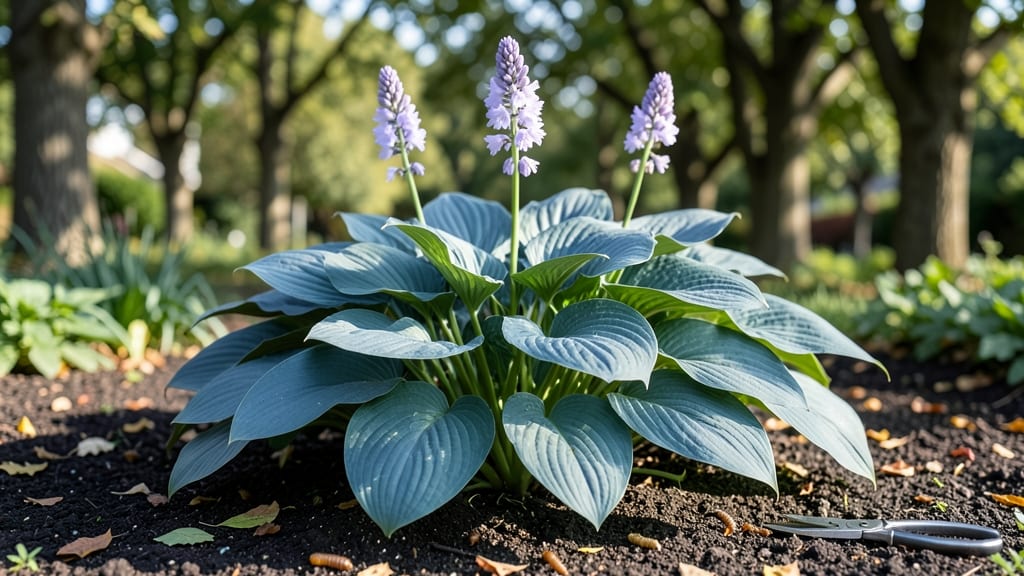
Zone 6B shade plants don't just survive—they transform dark corners into lush, vibrant spaces. 🌿 After years of struggling with patchy shade gardens, I discovered the secret lies in choosing the right plants that thrive where others fade.
The key isn't just picking any shade-tolerant species; it's matching plants to your specific light conditions—whether that's dappled sunlight or deep, dense shade.
Most people assume shade means dull, boring gardens, but the right perennials like hostas, astilbes, and lungwort deliver bold foliage and delicate blooms year-round. Shrubs such as inkberry holly and Japanese pieris add structure, while ground covers like foamflower and sweet woodruff fill gaps effortlessly.
These plants aren't just low-maintenance—they're drought-tolerant once established and handle Zone 6B's hot summers and cold winters like pros.
By mid-summer, your shade garden will burst with textured leaves and fragrant blooms, creating a cool retreat from the heat. The best part? These plants need minimal pruning and less frequent watering once their roots take hold.
You'll spend less time fussing and more time enjoying the serene, evergreen beauty they bring to your yard.
Whether you're working with a woodland edge, a north-facing patio, or the shadow of a large tree, these shade plants adapt beautifully. The trick is layering heights and textures—tall perennials in back, mid-sized shrubs in the middle, and low-growing ground covers up front.
Let's bring your shady spots to life!
📚 In This Guide
- What you need
- Instructions
- Tips and common mistakes
- Wrapping up and next steps
What you need
- ● Shade-tolerant plants: 3–5 mature plants (e.g., Hosta, Astilbe, Ferns, or Heuchera), sized 3–5 gallons for quick establishment.
- ● High-quality potting mix: 1–2 cubic yards of moisture-retentive, well-draining soil (e.g., 60% topsoil, 30% compost, 10% perlite).
- ● Organic mulch: 2–3 inches of shredded bark or wood chips (4–6 bags, ~2 cubic feet each) to retain moisture and suppress weeds.
- ● Garden tools: 1 trowel (for transplanting)
- ● 1 pruning shears (sterilized)
- ● 1 wheelbarrow (for soil/mulch transport)
- ● 1 hose with adjustable nozzle (for gentle watering)
- ● Fertilizer: Slow-release balanced fertilizer (10-10-10) or compost tea (1–2 applications per season).
- ○ Watering can or drip irrigation system: Optional but ideal for consistent moisture in deep shade.
- ● Soil test kit: To check pH (ideal: 5.5–6.5 for most shade plants).
- ● Plant supports: Small stakes or cages for Astilbe or Ferns (if needed).
- ● Decorative stones or edging: To define garden beds and deter weeds.
- ● Shade cloth (lightweight, 30–50% coverage): For newly planted areas if ambient light is very low.
Step-by-step guide for selecting and planting zone 6B shade plants
Here’s how to build a lush, low-maintenance shade garden that stays vibrant all year in your climate.
🌿 Step 1: Choose the Right Shade-Tolerant Plants for Year-Round Interest
Zone 6B’s partial to full shade (2-6 hours of sunlight) calls for a mix of evergreens, deciduous perennials, and seasonal bloomers. I focus on hostas (for bold foliage), heucheras (colorful leaves), ferns (texture), and astilbes (airy plumes). For winter structure, add inkberry holly or Japanese painted fern—both handle snow without browning.
Dig into the USDA Plant Hardiness Zone Map to confirm your microclimate. In my experience, the north side of a house stays cooler, so I plant more shade-lovers there. Avoid sun-loving plants like daylilies—they’ll sulk in deep shade. Instead, group plants by their light tolerance: partial shade (4+ hours light) for astilbes, full shade (2-4 hours) for ferns.
🪴 Step 2: Prepare the Soil for Moisture-Retentive, Well-Draining Conditions
Shade plants often struggle with soggy soil, so I amend native soil with 3 inches of compost and 1 inch of perlite per planting hole. This improves drainage while retaining moisture. Test your soil’s pH—most shade plants prefer 5.5-6.5. If yours is too alkaline, add sulfur or peat moss to lower the pH gradually.
Dig holes twice as wide as the root ball but only as deep. Press the plant in firmly so the top of the root ball sits level with the soil surface—burying too deep suffocates roots. Water deeply right after planting to eliminate air pockets. Mulch with 3 inches of shredded bark to keep roots cool and conserve moisture.
☀️ Step 3: Plant in Layers for Texture and Seasonal Color
Start with tall plants (like astilbes) at the back, then mid-height (heucheras), and finish with ground covers (like sweet woodruff). Space them 12-24 inches apart—crowding leads to fungal issues. I plant in clumps of 3-5 for a natural look, especially with hostas, which multiply quickly.
Label each plant immediately—shade gardens can look uniform until spring, when foliage colors emerge. Use biodegradable plant markers so you don’t have to dig them out later. Water deeply every 3-5 days until established (about 6 weeks), then taper to once a week unless it’s dry. Shade plants hate drying out but also despise soggy feet.
💧 Step 4: Maintain with Minimal Care for Long-Term Beauty
Fertilize once in early spring with a slow-release, balanced fertilizer (10-10-10). Avoid high-nitrogen feeds—they encourage leafy growth at the expense of flowers. Deadhead spent blooms on astilbes and heucheras to encourage more flowers, but leave seed heads on ornamental grasses for winter interest.
Watch for slugs and snails—they adore hostas. I set out beer traps (a shallow dish of beer) at dusk to catch them before they devour leaves. In fall, cut back dead or diseased foliage but leave healthy stems on perennials like ferns for winter texture. Mulch again in late fall to insulate roots through cold snaps.
⏰ Step 5: Adjust for Seasonal Changes to Keep Plants Healthy
In spring, divide overcrowded perennials like hostas every 3-4 years to rejuvenate growth. In summer, if leaves yellow, it’s often a sign of overwatering—let the top 2 inches of soil dry out before watering again. Fall is the best time to plant shade perennials—they establish roots before winter.
Winter care is minimal: remove mulch in late winter to prevent rot, then reapply after the last frost. If snow piles up, brush it off evergreens like inkberry holly to prevent breakage. By early spring, you’ll see new growth—proof your shade garden is thriving without sun.
Tips & tricks for thriving zone 6B shade gardens
Here’s what I’ve learned from years of trial and error—these tricks make all the difference in creating a shade garden that stays lush and vibrant.
Light Tolerance Insight: Pay close attention to the 2-4 hours of sunlight range for full shade plants like ferns. If your garden gets slightly more light, you can still use them—but monitor their health closely. I’ve seen ferns thrive with 3-4 hours of morning sun but struggle with afternoon exposure, which can scorch their delicate fronds. Position them where they’ll get the gentlest light possible.
Soil Amendments Strategy: The 3 inches of compost and 1 inch of perlite per hole is non-negotiable for moisture balance. I’ve found that adding a handful of worm castings to each hole gives an extra nutrient boost without overwhelming the roots. This is especially helpful if your soil is particularly dense or clay-heavy—it improves aeration while retaining moisture better than compost alone.
Plant Layering Technique: When creating your tall-to-short arrangement, I recommend adding one clump-forming plant like hostas as a focal point in the middle layer. Their bold foliage draws the eye, while the surrounding heucheras and sweet woodruff create natural texture. This arrangement also helps prevent fungal issues by improving airflow between plants.
Seasonal Care Calendar: Mark your calendar for the 3-4 year hosta division reminder—this is crucial for maintaining vigor. I also schedule my beer traps for slug season (late spring to early summer) and set a reminder to remove mulch in late winter. These small but consistent actions prevent common problems before they start, saving you from dealing with stressed plants later.
Pro Tips for Zone 6b Shade Plants
- Here’s what I’ve learned from years of trial and error—these tricks make all the difference in creating a shade garden that stays lush and vibrant.
- Light Tolerance Insight: Pay close attention to the 2-4 hours of sunlight range for full shade plants like ferns.
- Soil Amendments Strategy: The 3 inches of compost and 1 inch of perlite per hole is non-negotiable for moisture balance.
Frequently asked questions
Got questions about keeping your Zone 6B shade garden lush and vibrant? Here are some of the most common ones—and their answers!
What are the best fast-growing shade plants for Zone 6B?
For quick results, try Hosta varieties (like ‘Blue Angel’), Astilbe, or Bleeding Heart (Dicentra spectabilis). These thrive in partial shade, grow quickly, and add texture and color. Pro tip: Plant in early spring or fall for the best root establishment!
When is the best time to plant shade perennials in Zone 6B?
The ideal window is early spring (March–April) or fall (September–October). Avoid extreme heat or frost, which can stress plants. Spring planting gives roots time to settle before summer, while fall allows them to establish before winter dormancy.
Can I grow vegetables or herbs in Zone 6B shade?
Try leafy greens like spinach or lettuce, herbs such as parsley or cilantro, and root veggies like radishes or beets in partial shade. Avoid sun-lovers like tomatoes or peppers—opt for low-light tolerant varieties instead.
Why are my shade plants turning yellow or brown in Zone 6B?
Yellowing leaves often signal overwatering or poor drainage, while brown edges may mean underwatering or sunburn (even in shade!). Check soil moisture and ensure your plants aren’t getting too much direct wind or afternoon sun. Adjust care based on the symptom!
Do shade plants need winter protection in Zone 6B?
Most shade-loving perennials are hardy, but a thick mulch layer (3–4 inches) helps insulate roots. Tender plants (like Caladiums) may need container protection or moving indoors. Monitor for heaving (soil pushing up roots) and add mulch if needed.
Wrapping up and next steps
Transforming your shady spots into lush, vibrant gardens is totally doable with the right Zone 6B shade plants! 🌿 From hardy ferns to elegant hostas, these plants not only survive but thrive in low-light conditions, bringing year-round beauty to your outdoor space.
Whether you're a seasoned gardener or just starting out, there’s no better time to experiment with these resilient greenery options.
Ready to take the next step? Sketch a quick layout of your shady areas, then pick 2-3 plants from this list to start small—confidence grows with every leaf! Happy gardening! 🌱