
Light Requirements
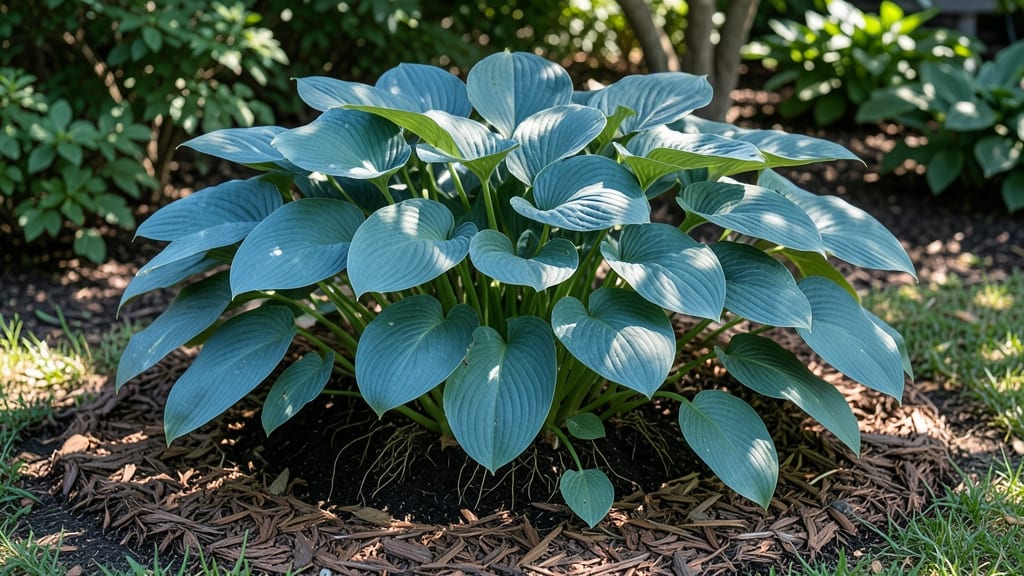
A part shade definition describes garden areas receiving 3 to 6 hours of direct sunlight daily, often with morning sun and afternoon shade, creating the perfect balance for plants that need bright indirect light without harsh afternoon exposure. This lighting setup prevents leaf burn while supporting healthy growth.
Part shade isn't just about counting sunlight hours—it's about creating the right light intensity balance for your plants. 🌿 Unlike full sun, which can scorch delicate foliage, part shade provides enough light for photosynthesis while protecting plants from midday heat stress.
Many gardeners confuse it with full shade, but the key difference is that part shade still delivers several hours of direct light, just not all day. This makes it ideal for regions with intense afternoon sun or for plants that thrive with morning brightness but need afternoon respite.
Understanding this distinction helps you select the right plants for your space. For example, hostas and impatiens flourish in part shade, while sun-loving succulents would struggle. The angle of sunlight also matters—eastern exposures often provide perfect part shade conditions, while western exposures may require additional shade structures to prevent overheating.
💡 In This Article
- How Part Shade Affects Plant Growth and Health
- Best Plants for Part Shade Gardens
How part shade affects plant growth and health
Part shade creates a delicate balance that directly impacts a plant's photosynthesis efficiency. During those 3-6 hours of direct sunlight, chlorophyll absorbs light energy at peak wavelengths (400-700nm), converting it into glucose for growth. However, the afternoon shade prevents photoinhibition—where excess light damages the photosynthetic machinery.
This is why part shade plants often show healthier foliage with deeper green hues compared to full-sun plants that may develop sunburned yellow patches.
The light intensity in part shade typically ranges from 1,000 to 10,000 foot-candles, measured at plant height. For comparison, full sun delivers 10,000-20,000 foot-candles, while full shade drops below 1,000 foot-candles.
This middle ground allows plants to maximize growth without stress. The morning sun provides gentle energy boosts, while afternoon shade prevents the oxidative damage caused by UV radiation peaking at 12-3 PM.
Root development also benefits from part shade's moderated conditions. Plants in part shade allocate more energy to root expansion rather than protective measures like thick cuticles or reflective leaf surfaces. You'll often see stronger root systems in part shade plants, which translates to better nutrient and water uptake.
The temperature differential between sun and shade periods creates natural air circulation, reducing fungal diseases that thrive in consistently hot, humid conditions.
Flowering patterns change dramatically under part shade. Many shade-loving perennials (like astilbes) produce longer-lasting blooms because their energy isn't diverted to protecting leaves from sun damage. The cooler afternoon temperatures also extend bloom seasons by 2-4 weeks compared to full-sun conditions.
However, some plants may produce fewer but larger flowers as they prioritize quality over quantity in lower light stress environments.
Consider this comparison: A hosta in full sun may develop crispy leaf edges and stunted growth, while the same plant in part shade will show broad, glossy leaves and vigorous stolon production.
The difference lies in how part shade prevents transpiration rates from exceeding the plant's ability to replenish moisture—keeping cells turgid and growth consistent.
Seasonal variations matter too. In summer, part shade might mean only 3 hours of direct light due to longer days, while winter could extend that to 6 hours as the sun angle lowers.
This natural fluctuation explains why part shade plants often show seasonal dormancy patterns—they're not just reacting to your fixed garden conditions but to the plant's internal clock responding to light duration changes.
What most gardeners miss is how part shade creates microclimates within your garden. A north-facing wall might cast shade for 8 hours while the same area gets 4 hours of morning sun—making it perfect part shade.
This spatial variation means you can often double your plant diversity by strategically placing containers or using shade cloth to create ideal light conditions for different species.