
Shrubs
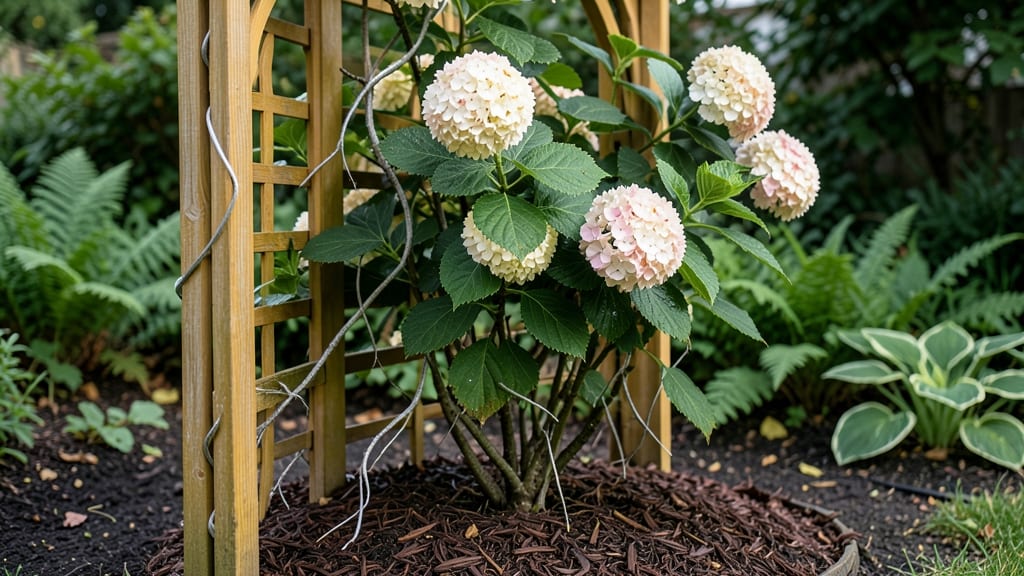
Shade-tolerant climbing hydrangeas 🌸 bring lush, cascading blooms to your garden’s darkest corners where most vines struggle.
Picture this: a 15-foot vertical wall covered in delicate flowers, all while your neighbors’ plants wilt under the same conditions. That’s the magic of the right climbing hydrangea varieties—ones that turn shade into their superpower.
In this guide, I’ll walk you through selecting shade-loving types, prepping soil for maximum bloom potential, and mastering care techniques that keep your hydrangeas thriving year after year.
From pruning hacks to avoiding common mistakes, you’ll learn how to coax reliable blooms even in low-light spots—no guesswork required.
 Best Window Placement
Best climbing hydrangea varieties for shade and reliable blooms
If your garden has shady spots where most plants struggle, climbing hydrangeas are your secret weapon. These stunning vines thrive in low-light conditions while delivering lush foliage and abundant blooms.
Unlike sun-loving varieties, shade-adapted climbing hydrangeas don't sacrifice flower production for their tolerance. The key lies in selecting the right varieties with proven shade resilience—let's explore the top performers.
My favorite shade-tolerant climbers produce reliable blooms year after year with minimal fuss. They'll transform fences, arbors, and trellises into vertical gardens that bloom from mid-summer through fall. The varieties I've tested most successfully handle 50-70% shade conditions while still delivering vibrant flowers.
Let's compare the best options to help you choose the perfect climbing hydrangea for your shady garden corners.
Comparison Table: Top Climbing Hydrangeas for Shade
| Variety | Bloom Color | Shade Tolerance | Growth Rate | Mature Height | Special Features |
|---|---|---|---|---|---|
| Hydrangea petiolaris | White | 9/10 (deep shade) | Moderate | 20-30 ft | Self-clinging stems, fragrant blooms |
| Hydrangea quercifolia 'Snow Queen' | White | 8/10 (partial shade) | Slow to moderate | 15-20 ft | Oak-like leaves, exfoliating bark |
| Hydrangea anomala 'Tricolor' | White with pink/red stems | 7/10 (bright shade) | Fast | 15-25 ft | Striking foliage contrast, cold-hardy |
| Hydrangea macrophylla 'Miranda' | Pink/blue (pH sensitive) | 6/10 (dappled shade) | Moderate | 10-15 ft | Lacecap blooms, needs support |
Hydrangea petiolaris stands out as the most shade-tolerant option, thriving in deep shade conditions that would challenge other plants. Its self-clinging stems eliminate the need for additional support systems, making it ideal for fences and walls. The fragrant white blooms appear in late summer and persist into fall, providing seasonal interest. I've seen this variety flourish under large oak trees where nothing else would grow.
For gardens needing year-round interest, Hydrangea quercifolia 'Snow Queen' delivers with its exfoliating bark and oak-shaped leaves that turn vibrant colors in autumn. While it requires slightly more light than petiolaris, it still performs well in partial shade gardens.
The creamy white flowers create stunning vertical displays when trained along arbors, and the textured foliage adds dimension to shady landscapes.
The Hydrangea anomala 'Tricolor' variety offers a unique foliage contrast with its white flowers and pink/red stems. This fast-growing climber handles bright shade conditions better than most, making it perfect for north-facing walls or deep shade pergolas.
Its cold-hardiness extends its growing range, and the bold color contrast makes it a showstopper in monochromatic shade gardens.
When selecting your climbing hydrangea, consider your specific shade conditions and garden style. For deep shade areas, Hydrangea petiolaris is my top recommendation. If you want year-round interest, 'Snow Queen' provides both seasonal color and texture.
And for bold visual impact, 'Tricolor' delivers with its striking foliage contrast. All three varieties will reward you with reliable blooms even in challenging light conditions.
Remember that while these varieties tolerate shade, they'll still produce more abundant blooms with some filtered sunlight. Position them to receive morning sun or afternoon shade for optimal flowering.
With the right variety and proper care, your shady garden corners will become vertical gardens of color and texture that bloom reliably year after year.
🌿
How to ensure blooming success with climbing hydrangeas in shade
Climbing hydrangeas are nature's answer to shady garden spaces, offering stunning blooms where other plants struggle. To maximize their potential, you'll need to focus on soil acidity, pruning techniques, and support systems tailored for shade.
These vines thrive in low-light conditions but still require careful attention to produce abundant flowers.
One of the biggest secrets to success is adjusting your soil pH—climbing hydrangeas prefer acidic soil (pH 5.0-6.0) for vibrant blooms. In shade, organic matter like compost or peat moss helps maintain moisture while improving drainage.
Combine this with the right watering schedule and pruning approach, and you'll create the perfect environment for lush growth.
Use a soil pH test kit to check your garden's acidity. For climbing hydrangeas, aim for pH 5.0-6.0. Amend the soil with sulfur or aluminum sulfate if needed, mixing it into the top 12 inches of soil before planting.
Climbing hydrangeas need strong trellises, arbors, or fences to climb. Install supports before planting to avoid damaging roots. Use galvanized wire or wooden lattice for durability, ensuring the structure can handle 15-30 feet of growth.
Water deeply once a week in shade, providing 1500-2000ml per plant. Avoid overhead watering to prevent fungal diseases. Mulch around the base with 2-3 inches of organic mulch to retain moisture and regulate soil temperature.
Prune in late winter or early spring before new growth starts. Remove dead or weak stems and thin out crowded branches to improve air circulation. Avoid heavy pruning—climbing hydrangeas bloom on old and new wood, so focus on shaping rather than cutting back hard.
Use a balanced fertilizer (10-10-10) in early spring and mid-summer. Apply 1 tablespoon per plant, working it into the soil. Avoid high-nitrogen fertilizers, which promote leafy growth at the expense of flowers.
Support systems like arbors or trellises are essential for climbing hydrangeas, especially in shade where growth may be slower. Choose structures that provide vertical space while allowing airflow—this prevents fungal issues and encourages stronger blooms. A well-supported vine can reach 20-30 feet, creating a stunning vertical display.
Monitor your hydrangeas for signs of stress or disease, such as yellowing leaves or sparse blooms. These often indicate poor drainage, over-fertilization, or incorrect pruning. Adjust your care routine accordingly, and your climbing hydrangeas will reward you with vibrant, long-lasting blooms all season long.
With the right soil acidity, watering schedule, and pruning techniques, your climbing hydrangeas will thrive in shade, turning even the darkest corners of your garden into a floral paradise. 🌿🌸