
Trees
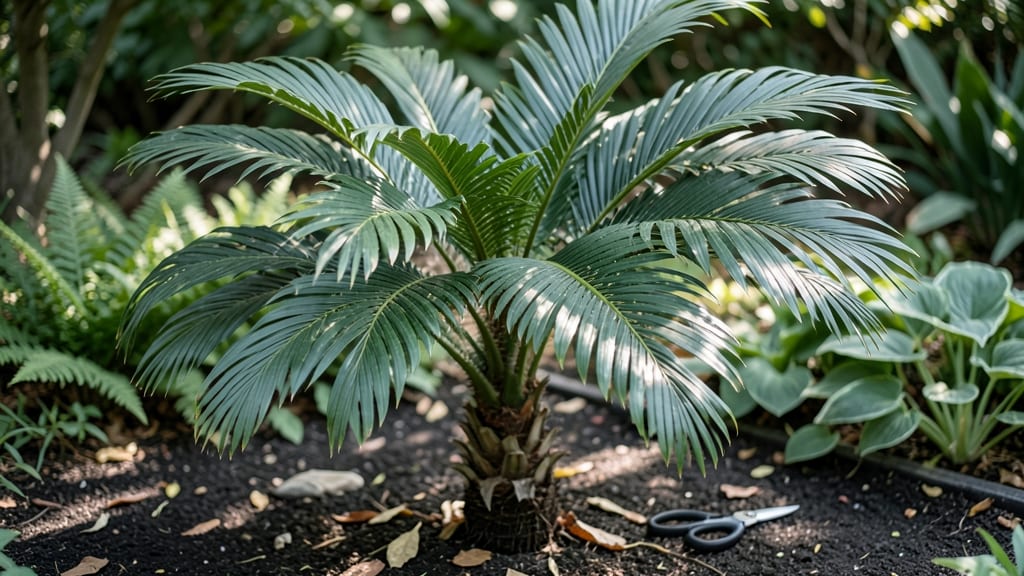
Your darkest garden corners can finally get that tropical privacy screen you’ve been dreaming of—palm trees thrive in shade too. ✨ I’ve designed shaded garden layouts where palms like the Majesty Palm or Bamboo Palm stand tall without scorching, creating lush, sun-dappled privacy that feels like a secret escape.
The key? Pairing the right species with shade-loving companions like ferns and calatheas for a layered, jungle-like effect.
Most people assume palms need full sun, but partial shade (3–6 hours of filtered light) works beautifully for these varieties. Start with a 5-gallon container for young palms, then plant in well-draining soil mixed with compost—this keeps roots happy even in low light.
The trick is spacing them 10–15 feet apart so their fronds fill in over time without crowding. Think of it as a slow-motion privacy hedge with drama.
By summer, you’ll have a textured, fragrant living wall that blocks nosy neighbors while letting in just enough light for understory plants. The Majesty Palm’s feathery fronds sway gently, and its glossy leaves reflect light like a natural lamp, brightening even the gloomiest spots.
Add elephant ears or hostas at the base for extra height contrast—it’s like a mini rainforest in your backyard.
Works for patios, pool areas, or fence lines where full sun isn’t an option. Just avoid windy spots (palms hate flapping) and mulch heavily to retain moisture. Here’s how to map out your shade-friendly layout without the guesswork.
📚 In This Guide
- What you need
- Instructions
- Tips and common mistakes
- Wrapping up and next steps
What you need
- ● Palm tree seedlings or saplings: Choose fast-growing varieties like Areca palm or Kentia palm (3–5 plants, depending on desired density).
- ● High-quality potting soil: 10–15 bags (moisture-retentive, well-draining blend).
- ● Large containers or garden beds: 5-gallon pots (minimum) or in-ground planting areas (12" deep, 18" wide per plant).
- ● Organic fertilizer: Slow-release granular (10-10-10 ratio, 1 lb per plant).
- ● Mulch: Pine bark or coconut coir (2–3 cubic feet to retain moisture).
- ● Garden trowel or spade: For digging and transplanting.
- ● Watering can or hose with spray nozzle: For gentle hydration (avoid soggy roots!).
- ● Pruning shears: To trim dead fronds and encourage bushier growth.
- ○ Sunlight meter (optional): To confirm your corner gets at least 4–6 hours of indirect light daily.
- ○ Drip irrigation kit (optional): For automated watering in dry climates.
How to create a lush palm tree privacy screen in shady gardens
Tropical vibes aren't just for sunny spots—here's how to transform dark corners into a thriving palm oasis.
🌿 Step 1: Select the Right Palm Species for Low-Light Conditions
Not all palms thrive in shade, but a few varieties excel where others struggle. I always choose pygmy date palms (Phoenix roebelenii) or parlor palms (Chamaedorea elegans) for their tolerance of 30-50% shade. These varieties grow 3-6 feet tall, making them perfect for creating a 4-foot-tall privacy screen in just a few years.
Check the light conditions in your space first—morning sun with afternoon shade works best. If your area gets no direct sunlight, avoid larger palms like the Areca palm, which needs bright indirect light. Instead, opt for dwarf varieties that handle lower light better.
🪴 Step 2: Prepare the Planting Area for Optimal Growth
Palms need well-draining soil to prevent root rot, especially in shady spots where soil stays damp longer. Mix 2 parts potting soil with 1 part perlite or coarse sand to improve drainage. If planting in the ground, amend the native soil with 3 inches of compost to enrich it without compacting.
Dig holes twice as wide as the root ball but only as deep. Place each palm so the top of the root ball sits just below soil level—burying too deep suffocates the plant. Space 4-foot-tall palms 3-4 feet apart for a dense screen. Water deeply after planting to settle the soil around the roots.
☀️ Step 3: Provide Supplemental Light and Humidity for Shade-Loving Palms
Even shade-tolerant palms benefit from bright indirect light. Place a grow light 12-18 inches above the plants for 12-14 hours daily if natural light is insufficient. I use LED grow lights because they emit less heat, which is crucial in shady, humid environments.
Mist the fronds 2-3 times weekly to mimic tropical humidity—palms in shade lose moisture more slowly but still need 60-70% humidity. Grouping plants together creates a microclimate that retains moisture better. Watch for yellowing fronds, which signal either overwatering or insufficient light.
💧 Step 4: Water and Fertilize for Healthy, Fast Growth
Water palms once a week in shade, but check the top 2 inches of soil first—if it’s dry, water deeply until it drains from the bottom. Overwatering in shade leads to root rot, so always ensure pots have drainage holes. I use a moisture meter to avoid guesswork, especially in containers.
Feed with a balanced liquid fertilizer (10-10-10) every 4-6 weeks during spring and summer. In fall and winter, reduce to every 8 weeks since growth slows. Avoid high-nitrogen fertilizers—they cause weak, leggy growth and fewer fronds. Instead, focus on potassium and phosphorus for stronger roots and foliage.
✂️ Step 5: Prune and Maintain for a Neat, Dense Screen
Remove yellow or brown fronds at the base with clean, sharp pruners to encourage new growth. Never prune more than 20% of the fronds at once, or the plant will struggle to recover. I prune once in early spring to shape the screen and remove dead fronds throughout the year as they appear.
Dust fronds monthly with a damp cloth to help them absorb light better. In containers, repot every 2-3 years into a 1-2 inch larger pot with fresh soil. If planting in the ground, mulch with 2 inches of organic mulch to retain moisture and regulate soil temperature. This keeps the roots cool in summer and warm in winter.
Tips & tricks for perfect palm tree privacy screens in shady gardens
Here's what nobody tells you about creating a thriving tropical screen when sunlight is scarce.
Species Selection: When choosing between pygmy date palms and parlor palms, consider your space constraints. Pygmy date palms grow slightly faster (about 6 inches per year) while parlor palms have finer fronds that create a denser screen. For maximum privacy, I recommend planting both varieties together—their different growth habits create a more natural, layered look. The 30-50% shade tolerance mentioned is ideal, but if your area gets only morning sun, supplement with a grow light for those critical 12-14 hours daily.
Soil Science: The 2:1 potting soil to perlite ratio is perfect, but here's the secret: add a handful of worm castings to that mix. Worm castings contain beneficial microbes that help roots absorb nutrients more efficiently in low-light conditions. For in-ground planting, test your native soil first—if it's heavy clay, mix in an extra 1 part perlite to prevent that dreaded root rot. And remember, those 3 inches of compost should be worked into the bottom of the hole first, creating a nutrient-rich layer where roots will naturally grow.
Lighting Strategy: The 12-14 hours of grow light mentioned is ideal, but placement matters more than you think. Position your LED grow light so it's slightly angled (about 45 degrees) rather than directly overhead. This mimics natural sunlight patterns and prevents the fronds from growing too upright. I also recommend using a timer for this—consistency is key for shade-loving palms. If you notice fronds leaning toward the light, rotate your plants every few days to encourage even growth.
Maintenance Hack: That monthly dusting of fronds isn't just about looks—it's a crucial step for photosynthesis in low-light conditions. Use a soft microfiber cloth and work in sections, gently wiping each frond. For the pruning schedule, I actually recommend a slightly different approach: prune dead fronds as you notice them throughout the year, but do your major shaping prune in late winter (just before new growth begins) rather than early spring. This gives your palms a head start on the growing season.
Pro Tips for Palm Trees Shade
- Here's what nobody tells you about creating a thriving tropical screen when sunlight is scarce.
- Species Selection: When choosing between pygmy date palms and parlor palms, consider your space constraints.
- Soil Science: The 2:1 potting soil to perlite ratio is perfect, but here's the secret: add a handful of worm castings to that mix.
Frequently asked questions
Got questions about using palm trees for shade in your garden?
You’re not alone! Here are answers to the most common queries—from planning to maintenance—so you can create that dreamy, shaded oasis with confidence.
What’s the fastest-growing palm tree for quick shade?
If you’re impatient (who isn’t?), the Mexican Fan Palm or Windmill Palm grows 6–10 feet per year under ideal conditions. For slower but sturdy options, Canary Island Date Palms mature in 5–7 years. Just ensure your soil drains well—palms hate soggy roots!
How long does it take for a palm tree to provide full shade?
Most palm trees need 3–5 years to cast significant shade, but faster growers like the Mediterranean Fan Palm can offer partial shade in 2–3 years. If you’re in a hurry, pair young palms with fast-growing vines (like morning glories) for instant cover.
Can palm trees survive in cold climates?
Not all palms are frost-hardy! Pindo Palms and Needle Palms tolerate temps down to 15°F, while tropical varieties (like Coconut Palms) die below 30°F. For colder zones, opt for dwarf palms or use container-growing with winter wraps.
How do I prune palm trees to encourage shade?
Prune only dead fronds—never healthy ones! Use sterilized tools to cut fronds at the base, leaving 1/3 of the fan intact. Avoid over-pruning; palms rely on fronds for photosynthesis. Pro tip: Prune in late winter to avoid pest attractants.
Are there non-palm alternatives for shade?
For a low-maintenance option, try:
- Bamboo (fast-growing, dense shade)
- Leyland Cypress (privacy + evergreen)
- Olive Trees (drought-tolerant, elegant)
Wrapping up and next steps
Transforming your dark garden corners into a lush, sunlit oasis with palm trees as shade isn’t just possible—it’s a game-changer for privacy, ambiance, and even property value. 🌴 From selecting the right species to nurturing them with care, every step brings you closer to a serene, tropical retreat.
Whether you’re a seasoned gardener or a beginner, the key is patience and passion.
Ready to take the next step? Start by sketching your dream layout, then plant that first palm tree—your garden’s transformation begins with a single seed (or sapling!). 🌱 For extra inspiration, explore local nurseries or online communities to connect with fellow palm enthusiasts. Your shaded sanctuary awaits!