
Container Gardens
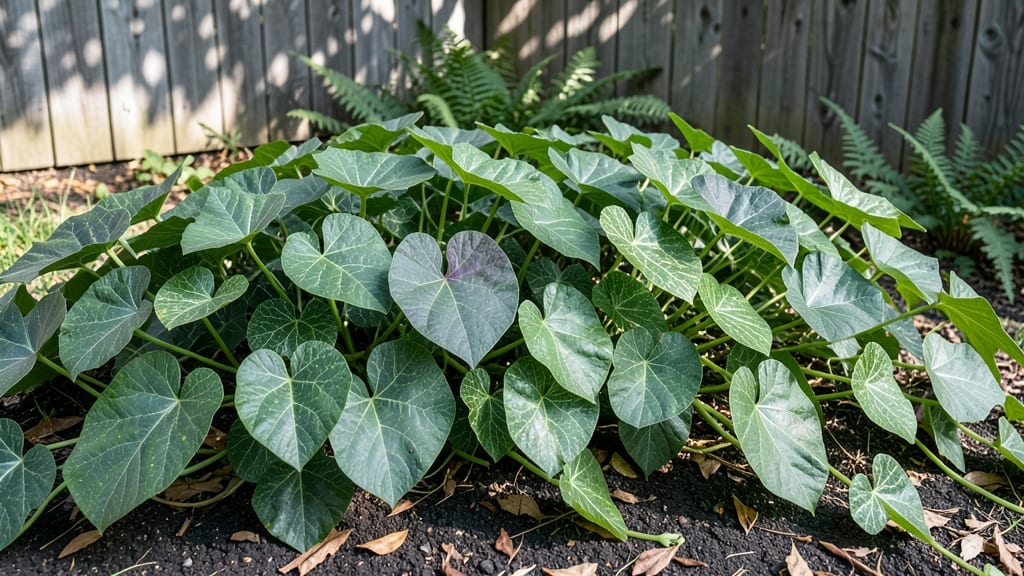
Turn your gloomiest backyard nook into a vibrant oasis with fast growing vines shade—I’ve done it using plants that climb like crazy, from morning glories unfurling by July to clematis bursting with color by August. August, and wisteria already draping elegantly by September.
The magic lies in their speed and adaptability. Most need just a sturdy trellis, fence, or pergola to climb, and they’ll block harsh sun while adding beauty. Morning glories and sweet peas grow 6+ feet in 60 days, while clematis and honeysuckle can reach 10+ feet by midsummer.
They thrive in partial shade too, making them perfect for north-facing walls or under trees.
Imagine sipping coffee under a canopy of fragrant jasmine or lounging beneath a living wall of deep purple wisteria. These vines don’t just provide shade—they create cool, private spaces that feel like a secret garden. Plus, they attract hummingbirds and butterflies, turning your yard into a thriving ecosystem.
Whether you’re covering a chain-link fence or dressing up a balcony railing, these fast climbers deliver instant impact with minimal effort. Start with a mix of annuals for quick coverage and perennials for long-term shade—your dark corners won’t stay dark for long.
📚 In This Guide
- What you need
- Instructions
- Tips and common mistakes
- Wrapping up and next steps
What you need
- ● Fast-Growing Vines (Choose 2-3 varieties): Morning Glory (Ipomoea spp.) – 5-10 plants (annual, blooms fast)
- ● Honeysuckle (Lonicera spp.) – 3-5 plants (perennial, fragrant, shade-tolerant)
- ● Clematis (Clematis spp.) – 2-3 plants (hardy, climbs aggressively)
- ● Jasmine (Jasminum spp.) – 3-5 plants (scented, evergreen in mild climates)
- ● Support Structure: Trellis (6-8 ft tall, 4-6 ft wide) – OR
- ● Pergola or arbor (custom size, ensure sturdy for vine weight)
- ● Fencing or wire mesh (for large areas, 6-10 ft height)
- ● Growing Medium: Potting mix (50% peat/coir, 30% perlite, 20% compost) – 10-15 gallons
- ● Container or raised bed (12-18" deep, drainage holes required)
- ● Fertilizer: Balanced liquid fertilizer (10-10-10 or 20-20-20) – 1 gallon
- ○ Slow-release granular fertilizer (optional, for long-term growth)
- ● Watering Supplies: Drip irrigation kit OR watering can with a long spout
- ● Mulch (straw or shredded bark) – 2-3 inches
- ● Basic Tools: Garden trowel or shovel
- ● Pruning shears (for trimming and training vines)
- ● Measuring tape (to ensure proper spacing)
- ○ Gloves (optional but recommended)
- ● Site Preparation: Sunlight assessment (partial shade to full sun, depending on vine type)
- ● Drainage check (avoid waterlogged areas)
- ● Sturdy anchor points (for trellises/pergolas in windy areas)
- ● Epsom salt (for magnesium boost, especially for clematis)
- ● Plant ties or soft twine (to guide vines initially)
- ● Decorative lights (for ambiance in shaded areas)
- ● Soil moisture meter (to monitor watering needs)
- ● Companion plants (e.g., ferns or impatiens for underplanting)
Step-by-Step instructions for creating fast-growing shade vines in dark corners
Transform shady corners into lush vertical gardens using rapid-growing vines that thrive without direct sunlight.
Select the Right Fast-Growing Shade-Tolerant Vines
Choose vines that establish quickly and perform well in low to moderate light—think ivy (Hedera helix), English ivy, Boston ivy (Parthenocissus tricuspidata), or climbing hydrangea (Hydrangea petiolaris). These varieties spread aggressively and establish roots along their stems, allowing them to anchor to walls or trellises without much sunlight. Avoid sun-loving vines like morning glories or passionflowers—they’ll wilt in dim conditions.
Purchase 4-6 established vines (4-6 inches tall) from a nursery to skip the slow germination phase. Look for healthy specimens with multiple stems and no signs of yellowing or wilting. If starting from seed, expect 4-8 weeks of growth before they’re ready to climb, so established plants are ideal for fast results.
Prepare the Support Structure and Planting Site
Install a sturdy trellis, wire mesh, or wooden lattice along the wall or corner where the vines will grow. Ensure the structure is at least 6 feet tall and secured tightly to the wall with galvanized screws or heavy-duty brackets—these vines can get heavy as they mature. For a living wall effect, use a vertical garden panel with pre-drilled holes for root insertion.
Amend the planting area with well-draining soil mixed with compost to improve fertility. Since shade vines rely on roots for stability, dig a trench 6-8 inches deep along the base of the trellis. This allows the vines to spread horizontally and establish a strong root system quickly. Water the soil thoroughly before planting to encourage root growth.
Plant and Train the Vines for Rapid Establishment
Dig holes twice as wide as the root ball but no deeper than the container. Space plants 12-18 inches apart to allow for spreading. Gently remove each vine from its container and loosen the roots if they’re circling—this encourages outward growth. Place the vine in the hole, backfill with soil, and water deeply to settle everything in place.
Immediately after planting, tie the main stems to the trellis or wall using soft plant ties or twine. This prevents flopping and encourages vertical growth. For a living wall, weave the stems through the holes in the panel and secure them loosely. Avoid over-tightening—you want the vines to move slightly in the wind to strengthen their hold.
Maintain Moisture and Encourage Rapid Growth
Keep the soil consistently moist but not soggy for the first 4-6 weeks—this is critical for root establishment. Water deeply 2-3 times per week, aiming for 1-2 inches of water per session. Mulch around the base with 2-3 inches of organic mulch to retain moisture and suppress weeds. Shade-tolerant vines grow best in humid conditions, so mist the foliage occasionally if your climate is dry.
Fertilize every 4-6 weeks with a balanced, slow-release fertilizer (10-10-10) to fuel rapid growth. Avoid high-nitrogen fertilizers—they promote leafy growth at the expense of climbing strength. Watch for new leaves forming along the stems—this is your signal that the vines are establishing well. If growth stalls, trim back any leggy or weak stems to redirect energy to stronger shoots.
Prune and Guide for a Dense, Year-Round Shade Effect
Once the vines reach half the height of the trellis, begin light pruning to encourage bushiness. Trim back the longest stems by one-third to stimulate branching. For ivy and Boston ivy, pinch off the tips of new growth to promote a fuller, denser habit. This step is key for creating that thick, curtain-like shade you’re after.
As the vines mature, train them to cover the entire structure by weaving new growth through the trellis or panel. In late winter or early spring, prune back any dead or overgrown stems to 2-3 inches above the ground. This rejuvenates the plant and ensures a fresh burst of growth in the next season. With proper care, your shade vines will provide year-round coverage and transform even the darkest corner into a lush, green retreat.
Tips & tricks for fast growing vertical vine gardens
Here's what I've learned from years of transforming dark corners into vibrant green spaces—these tricks will help your shade vines establish and flourish faster than you'd expect.
Selection is Everything: When choosing your 4-6 established vines (4-6 inches tall), look beyond just the leaves. Healthy plants should have multiple stems and a firm root ball—this indicates they've already developed a strong foundation. I've found that ivy varieties often establish faster than others because they naturally produce aerial roots along their stems, which cling to surfaces and create additional anchorage points. These roots allow the plant to spread aggressively even in low light conditions, which is exactly what you want for that curtain-like coverage.
Root Preparation Matters: In Step 3, when you're loosening the roots before planting, take your time with this step. Circling roots can strangle the plant as it tries to grow, so gently tease them apart with your fingers. This might feel tedious, but it's worth the extra 5 minutes—proper root preparation is what allows your vines to spread horizontally along that 6-8 inch deep trench we're digging. Think of it as giving your plants a head start on their root system before they even hit the soil.
Training for Success: The immediate tying of main stems to your trellis or wall structure (as described in Step 3) is your first opportunity to shape the growth pattern. I recommend using soft plant ties or twine that won't cut into the stems as they thicken. The key is to create gentle tension—enough to guide the growth direction but not so tight that it restricts circulation. This initial training prevents the vines from flopping and creates a framework for that dense, year-round coverage you're aiming for.
Pruning Strategy: When you reach the pruning stage in Step 5, remember that timing is everything. The first pruning should occur when vines reach half the height of your trellis, not before. This is when the plant has established enough energy reserves to handle the stress of trimming. The one-third reduction you're instructed to make might seem drastic, but it stimulates branching that will create that lush, curtain-like effect. For ivy varieties specifically, pinch off those growing tips—this might seem counterintuitive, but it actually encourages bushier growth at the base rather than long, leggy stems.
Pro Tips for Fast Growing Vines Shade
- Here's what I've learned from years of transforming dark corners into vibrant green spaces—these tricks will help your shade vines establish and flourish faster than you'd expect.
- Selection is Everything: When choosing your 4-6 established vines (4-6 inches tall), look beyond just the leaves.
- Root Preparation Matters: In Step 3, when you're loosening the roots before planting, take your time with this step.
Frequently asked questions
Got questions about fast-growing vines for shade?
You’re not alone! Here are some of the most common concerns—and practical solutions—to help you create a lush, living wall without the hassle.
What are the fastest-growing vines for deep shade?
For low-light conditions, opt for English Ivy (Hedera helix), Boston Ivy (Parthenocissus tricuspidata), or Star Jasmine (Trachelospermum jasminoides). These thrive in partial to full shade and grow 6–12 inches per year. Avoid sun-loving vines like morning glories—they’ll struggle and wilt!
How long does it take for a living wall to provide full shade?
Most fast-growing vines take 1–3 years to create a dense enough canopy for year-round shade. Start with a trellis or lattice system (like our DIY guide in the Materials & Requirements section) to speed up coverage. Patience pays off—thicker growth = better insulation!
Can I use fast-growing vines in containers or small spaces?
Container-friendly vines
like Sweet Potato Vine (Ipomoea batatas) or Clematis (with proper support) thrive in pots. Just ensure your container has drainage holes and 10+ inches of depth. For vertical walls, use fabric-wrapped trellises or modular planters to maximize space.
Will fast-growing vines damage my walls or siding?
Some vines (like Poison Ivy—never use this!) can cause damage or allergies, but most ornamental varieties are safe. To prevent issues:
- Install a protective barrier (e.g., landscape fabric) behind the trellis.
- Avoid aggressive climbers like kudzu in urban areas.
- Prune regularly to control spread.
Do I need to winterize my shade vines?
Most evergreen vines (like English Ivy) handle winter well, but tender varieties (e.g., Star Jasmine) may need light mulching or winter wraps in cold climates (<30°F). Prune back dead or weak growth in early spring to encourage healthier regrowth.
Still stumped? Drop your specific vine or space concerns in the comments—we’re happy to help!
Wrapping up and next steps
Transforming dark corners into lush, living walls with fast-growing vines for shade is easier—and more rewarding—than you think! 🌿 Whether you're aiming for privacy, ambiance, or just a touch of nature, these vibrant plants bring life to any space while requiring minimal upkeep.
Start small, experiment with combinations, and watch your outdoor (or indoor!) oasis flourish.
Ready to dive in? Pick your favorite vine, gather your supplies, and let the greening begin! 🌱💚