
Size
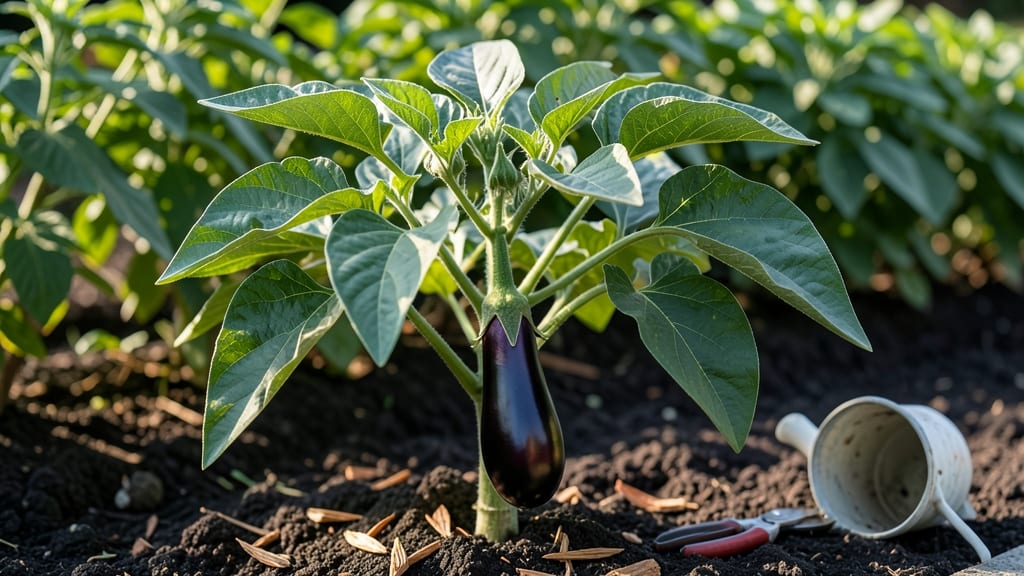
Grow a thriving garden of nightshades—tomatoes, peppers, and eggplants—by focusing on one key ingredient: soil that’s rich, well-draining, and packed with compost. 🌱 I’ve learned that the secret to their success starts there.
These plants thrive when they’re not fighting for nutrients, and the right prep turns a good garden into a productive one. The cold-hardy varieties I’ve grown best—like ‘Stupice’ tomatoes or ‘Black Beauty’ eggplants—start slow but explode with growth once temperatures rise.
You’ll need full sun (6+ hours daily) and consistent watering at the roots, not the leaves. The payoff? Plants that keep producing well into fall, long after other gardens have slowed down. Once established, nightshades reward patience with vibrant blooms and heavy fruit.
Prune regularly to improve airflow, and watch for pests like hornworms—they’ll strip plants bare if you’re not careful. A simple row cover or handpicking works wonders. Perfect for beginners or experienced gardeners looking to extend their season. Here’s how to make it happen without the guesswork!
📚 In This Guide
- What you need
- Instructions
- Tips and common mistakes
- Wrapping up and next steps
What you need
- ● Seeds or Seedlings: Cold-hardy nightshade varieties (e.g., Solanum species like S. melongena or Capsicum annuum cultivars rated for your zone).
- ● Quantity: 3–6 plants per variety (for a small garden) or 10+ for larger harvests.
- ● Well-Draining Soil: pH 5.8–6.8 (test with a soil kit or send a sample to a local extension office).
- ● Amend with compost (1–2 inches mixed into top 6–12 inches of soil).
- ○ Optional: Add perlite or vermiculite (1 part per 4 parts soil) for aeration.
- ● Sunlight: 6+ hours of full sun daily (essential for fruiting!).
- ● Watering Supplies: Drip irrigation or soaker hose (to keep foliage dry and prevent disease).
- ● Watering can with a rose attachment (for seedlings).
- ● Fertilizer: Balanced 10-10-10 or 5-10-10 fertilizer (follow package rates).
- ○ Optional: Compost tea or fish emulsion (for a nutrient boost).
- ● Hand Trowel (for transplanting seedlings).
- ● Garden Gloves (to protect from thorns and soil-borne pathogens).
- ● Pruning Shears (sterilized with rubbing alcohol to prevent disease spread).
- ● Stakes or Cages (for indeterminate varieties like tomatoes—3–4 ft tall).
- ● Mulch (straw or black plastic to retain moisture and suppress weeds).
- ● Spray Bottle (for misting seedlings or diluting neem oil spray).
- ● Row Covers or Frost Blankets (to extend the growing season in cooler climates).
- ● pH Test Kit (to monitor soil acidity, especially for acid-loving nightshades).
- ● Trellis or String System (for vining varieties like some eggplants).
- ● Beneficial Insects (ladybugs or lacewings to control pests naturally).
How to grow cold-hardy nightshade varieties for nonstop blooms
These resilient plants thrive where others fail—here's how to coax vibrant, cold-tolerant nightshades into continuous flowering.
🌱 Step 1: Select the Right Cold-Hardy Varieties
For nonstop blooms in cooler climates, choose Solanum jasminoides (Japanese wonderberry) or Solanum dulcamara (bittersweet nightshade)—both tolerate temperatures down to 20°F once established. Avoid garden nightshades like tomatoes or peppers; these are ornamental varieties bred for hardiness and prolific flowering.
I always plant 3-4 plants per garden bed to ensure continuous blooms. These varieties spread aggressively, so contain them with 12-inch deep root barriers if needed. The key is selecting plants already adapted to your hardiness zone—they'll reward you with flowers from early spring through fall.
☀️ Step 2: Plant in Full Sun with Well-Draining Soil
Nightshades need 6+ hours of direct sun daily for best flowering, but they'll tolerate partial shade in hotter climates. Amend heavy clay soil with 2-3 inches of compost to improve drainage—these plants rot quickly in soggy conditions. I dig in a handful of bone meal at planting time to boost phosphorus for root development.
Plant in early spring after the last frost when soil reaches 55°F. Space plants 2-3 feet apart to allow airflow and prevent fungal diseases. The first flush of flowers appears within 6-8 weeks—watch for the delicate, star-shaped blooms that attract hummingbirds and bees.
💧 Step 3: Water Deeply but Infrequently
Established nightshades are drought-tolerant once roots spread, but young plants need 1 inch of water weekly during their first season. Water at the base in the morning to prevent fungal issues—never overhead. The soil should dry out between waterings; you'll see new growth when the top 2 inches feel dry.
I mulch heavily with 3 inches of shredded bark to retain moisture and regulate soil temperature. This is crucial in hot summers—nightshades appreciate consistent moisture but hate soggy roots. You'll notice fewer yellow leaves and more vigorous growth when the mulch stays intact.
✂️ Step 4: Prune for Bushier Growth and More Flowers
Pinch back the tips of new growth when stems reach 12 inches tall to encourage branching. This simple step transforms leggy plants into dense, bushy shrubs covered in flowers. Use clean, sharp pruners to make cuts just above a leaf node—never tear stems.
Deadhead spent blooms regularly to redirect energy into new flowers. I prune lightly after each flush of blooms, cutting back one-third of the oldest stems to rejuvenate growth. The plant responds with a second wave of flowers within 3-4 weeks. Avoid heavy pruning in late summer—you'll sacrifice fall blooms.
🌿 Step 5: Protect from Pests and Diseases
Japanese beetles and spider mites target nightshades, but a strong jet of water usually dislodges them. I spray neem oil preventatively in early summer to deter pests. For fungal issues like powdery mildew, improve airflow by thinning crowded stems—nightshades hate humidity.
Watch for aphids clustering on new growth. These sap-suckers weaken plants and attract ants. A soapy water spray (1 tsp mild soap per gallon) removes them effectively. Healthy nightshades rarely get serious diseases, but proper spacing and airflow are your first line of defense.
Tips & tricks for perfect cold-hardy nightshade gardens
These resilient plants reward patience with stunning blooms—here's how to maximize their potential without common pitfalls.
Variety Selection: While both Solanum jasminoides and Solanum dulcamara thrive in cold climates, Japanese wonderberry produces more abundant flowers with less maintenance. For maximum impact, plant 2-3 Solanum jasminoides and 1-2 Solanum dulcamara—the latter adds architectural interest with its vining habit. The key difference is that S. jasminoides blooms continuously from spring to fall, while S. dulcamara has a more seasonal display.
Soil Preparation: The 2-3 inches of compost recommendation is non-negotiable for these plants—amend your soil at least 4-6 weeks before planting to let organic matter break down. For heavy clay soils, mix in 1 part perlite or coarse sand to every 3 parts compost to create that perfect well-draining environment. I've seen nightshades rot in soggy soil within weeks, so don't skip this step even if your soil looks fertile.
Pruning Strategy: When pinching back growth at 12 inches, focus on the top 2-3 sets of leaves rather than just the very tip. This creates more branching points while maintaining the plant's natural shape. For deadheading, I use clean scissors and make cuts just above a leaf node—never rip flowers off. This precision keeps the plant healthy and encourages more blooms. The 3-4 week window between pruning and new flowers is your reward for patience.
Cold Protection: While these varieties tolerate 20°F once established, young plants need winter protection. After the first hard frost, mound 6-8 inches of straw or shredded leaves around the base and cover with frost cloth. This simple step prevents root damage that can kill plants outright. I've seen nightshades recover from 10°F dips with this protection—just remove covers when daytime temps reach 45°F to prevent rot.
Pro Tips for Nightshade Grow A Garden
- These resilient plants reward patience with stunning blooms—here's how to maximize their potential without common pitfalls.
- Variety Selection: While both Solanum jasminoides and Solanum dulcamara thrive in cold climates, Japanese wonderberry produces more abundant flowers with less maintenance.
- Soil Preparation: The 2-3 inches of compost recommendation is non-negotiable for these plants—amend your soil at least 4-6 weeks before planting to let organic matter break down.
Frequently asked questions
Got questions about growing nightshade varieties in your garden?
You’re not alone! Here are some of the most common queries—and straightforward answers—to help you cultivate a thriving, cold-hardy nightshade garden with confidence.
What are the easiest nightshade varieties for beginners?
Start with Solanum melongena (eggplant) or Solanum lycopersicum (tomato) varieties like ‘Black Beauty’ (eggplant) or ‘Early Girl’ (tomato). These are forgiving, productive, and adapt well to cooler climates. Avoid finicky heirlooms until you gain experience!
Can nightshades survive frost, or do I need to protect them?
Most nightshades are tender perennials and die back in frost (<32°F/0°C). For cold-hardy options, try Solanum tuberosum (potatoes) or Solanum nigrum (black nightshade), which tolerate light frosts. Use row covers or move potted plants indoors before hard freezes.
How long does it take for nightshade plants to produce fruit?
Timing varies by type:
- Tomatoes: 60–85 days (early varieties like ‘Stupice’ mature faster).
- Eggplants: 70–90 days (warmer soil speeds germination).
- Peppers: 60–120 days (longer in cooler climates).
What pests or diseases should I watch for in nightshade gardens?
Common threats include:
- Pests: Aphids, hornworms, and spider mites (handpick or use neem oil).
- Diseases: Blight (prevent with spacing and fungicide sprays), wilt (rotate crops), and powdery mildew (improve airflow).
Are there non-edible nightshades I should avoid planting?
Yes! Some ornamental nightshades (like Solanum pseudocapsicum, aka Jerusalem cherry) are toxic if ingested. Stick to edible varieties (tomatoes, eggplants, peppers, potatoes) unless you’re growing them purely for aesthetics. Always label your plants to avoid mix-ups!
Wrapping up and next steps
Growing a thriving nightshade garden is all about choosing the right cold-hardy varieties and giving them the love they deserve. From Solanum to peppers, these plants reward patience with vibrant blooms and bountiful harvests—even in cooler climates!
Whether you’re a beginner or a seasoned gardener, the key is to start small, experiment with placement, and enjoy the process.
Now that you’re armed with tips and tricks, roll up your sleeves and get planting! 🌱 Start with just one variety, track your progress, and soon you’ll be sharing your stunning nightshade blooms (and maybe even a homegrown harvest) with friends. Happy gardening!