
Size
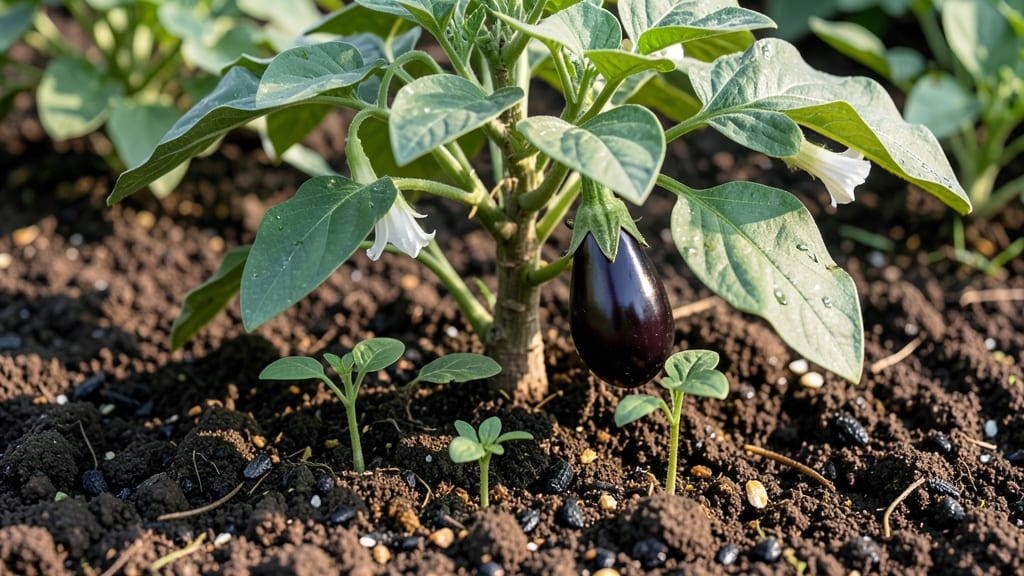
Growing nightshade seeds transforms shady garden corners into lush, productive spaces. 🌱 I’ve turned my dimmest patch into a thriving mini-farm with tomatoes, peppers, and eggplants that flourish where others fail. The secret? Matching the right varieties to low-light conditions and giving them the care they crave.
Start with seedling-friendly soil—light, well-draining, and rich in compost. Plant seeds just ¼-inch deep, spacing them 12–18 inches apart for air circulation. Most nightshades need 6–8 hours of indirect light daily, but varieties like ‘Black Krim’ tomatoes or ‘Black Beauty’ eggplants handle shade better than others.
Water gently at the soil line to avoid damping-off, and keep humidity high with a clear plastic dome or row cover until sprouts appear. Once seedlings hit 2–3 inches tall, thin them to the strongest stems.
Feed with a balanced fertilizer (10-10-10) every 2–3 weeks, and watch as vines stretch toward the light. Prune suckers on tomatoes to focus energy on fruit, and stake plants early to prevent sprawl.
By midsummer, you’ll harvest deep-red tomatoes, glossy peppers, and velvety eggplants—all from spots most gardeners overlook. Fair warning: deadly nightshade (Atropa belladonna) and other toxic varieties belong in controlled settings only. Stick to edible nightshades like tomatoes, peppers, and eggplants for safe, delicious results.
With patience, your shady patch will outperform sun-soaked beds—no greenhouse needed.
📚 In This Guide
- What you need
- Instructions
- Tips and common mistakes
- Wrapping up and next steps
What you need
- ● Nightshade seeds: Choose shade-tolerant varieties like Solanum scabrum (African nightshade) or Solanum nigrum (black nightshade). Aim for 20-50 seeds (depending on desired plant density).
- ● Seed-starting soil: A 50% peat/50% perlite or coco coir mix (sterilized, 2-3 cubic feet). Avoid garden soil—it may harbor diseases.
- ● Containers or trays: 4-inch pots or seedling trays (biodegradable or plastic). Use 12-24 cells per tray for optimal spacing.
- ○ Grow lights (optional but helpful): A LED full-spectrum bulb (1000-2000 lumens) for 12-14 hours/day if natural light is less than 4 hours/day.
- ● Transplanting pots: 5-7 inch pots or biodegradable peat pots for hardening off seedlings.
- ● Shade cloth: 30-50% shade fabric (5’x10’ sheet) to filter harsh light if partial shade is present.
- ● Watering can or spray bottle: 1-gallon capacity with a fine rose attachment for gentle watering.
- ● Fertilizer: Balanced organic fertilizer (5-5-5 or 10-10-10) or compost tea for seedlings.
- ● Pruning shears: Bypass-style (sharp, 5-inch blade) for trimming leggy growth.
- ● Soil: Well-draining, slightly acidic to neutral (pH 6.0-7.0). Amend with 1 part compost to 3 parts garden soil.
- ● Space: 12-18 inches apart in rows 2 feet apart for mature plants.
- ● Sunlight: Partial shade to full shade (2-6 hours direct sun). Avoid deep, dark corners with no light.
- ● Mulch: 2-3 inches of straw or wood chips to retain moisture and suppress weeds.
- ● pH test kit to monitor soil acidity.
- ● Drip irrigation system for consistent moisture.
- ● Row covers to protect from pests like slugs.
- ● Garden journal to track growth and harvest dates.
Step-by-step guide to growing nightshade varieties in shaded gardens
Here's how I transform dim corners into lush, thriving nightshade gardens—no direct sun required.
🌱 Step 1: Select the Right Nightshade Varieties for Low Light
Not all nightshades tolerate shade equally. For deep shade (less than 3 hours of light), focus on Solanum scabrum (garden huckleberry) or Solanum nigrum (black nightshade). These thrive where others fail. For partial shade (3-6 hours of light), try Solanum melongena (eggplant varieties like 'Black Beauty') or Solanum quitoense (naranjilla)—both produce well with filtered light.
I always check seed packets for "shade-tolerant" labels before planting. Avoid pepper varieties—they demand full sun. Start with 4 plants to test your space before expanding. The key is matching the plant's native habitat: many nightshades originate in tropical understories where sunlight filters through dense canopies.
🪴 Step 2: Prepare Well-Draining, Fertile Soil
Nightshades hate soggy roots, so amend your soil with 3 inches of compost mixed into the top 12 inches of soil. I add a handful of perlite or vermiculite per planting hole to improve drainage—this prevents rot in shaded conditions. Test your soil's pH: nightshades prefer 6.0-6.8. If your soil runs acidic, work in crushed limestone to raise the pH gradually.
For container growing, use a mix of 50% potting soil, 30% coconut coir, and 20% worm castings. The coir holds moisture without compacting, which is critical when sunlight is limited. Plant in 12-inch diameter pots for each of your 4 plants—this gives roots room to spread without competing for nutrients.
☀️ Step 3: Position Plants Strategically for Maximum Indirect Light
Place your nightshades where they'll receive dappled sunlight—think dappled light under trees or near north-facing walls. I position mine 3-4 feet from the trunk of a large oak, where branches filter sunlight into soft patches. Avoid planting directly under dense evergreens, which block all light and create dry, competitive root zones.
Rotate your containers a quarter turn weekly to ensure even growth. You'll notice leaves darkening on one side—this means the plant is stretching toward the light. If you see new growth leaning dramatically, move the plant 6 inches closer to the light source. For indoor growing, place under grow lights on 14-hour cycles—nightshades need consistent light to set fruit.
💧 Step 4: Water Deeply and Maintain Consistent Moisture
Shade-loving nightshades need 1-1.5 inches of water weekly, but check the soil first—stick your finger 2 inches deep. If it feels dry, water thoroughly until moisture reaches 6 inches down. I water in the morning to prevent fungal issues from prolonged leaf wetness. Mulch with 2 inches of shredded leaves or straw to retain moisture and keep roots cool.
Overwatering is the fastest way to kill shade-grown nightshades. You'll know you're doing it right when the mulch looks slightly damp but not soggy, and the top inch of soil dries between waterings. If leaves yellow or wilt, you're either underwatering or overwatering—check the roots. Healthy roots should smell earthy, not rotten.
✂️ Step 5: Prune and Support for Optimal Fruit Production
Pinch back the main stem of young plants when they reach 12 inches tall to encourage bushier growth. This creates more leaf surface to capture limited light. For indeterminate varieties like naranjilla, prune one-third of the oldest leaves every 4-6 weeks to redirect energy to fruit production. Remove any leaves touching the soil to prevent disease.
Use cage supports or stakes for heavier varieties like eggplant. The weight of the fruit can snap weak stems in low light. I tie vines to supports with soft plant ties, adjusting as they grow. Watch for purple-tinged leaves—this signals phosphorus deficiency, common in shaded conditions. Feed with a balanced 10-10-10 fertilizer every 6 weeks to keep plants thriving.
Tips & tricks for perfect shade-loving nightshade gardens
These practical insights will help you turn even the darkest corners into productive nightshade havens.
Variety Selection: When choosing seeds, prioritize those labeled "shade-tolerant" and match them to your specific light conditions. For deep shade areas receiving less than 3 hours of light, Solanum scabrum and Solanum nigrum are your best bets—they've evolved to thrive under tree canopies. In partial shade (3-6 hours), eggplant varieties like 'Black Beauty' perform exceptionally well. I always verify the light requirements on seed packets to avoid disappointment.
Soil Preparation: The 3 inches of compost mixed into the top 12 inches of soil creates the perfect foundation for shade-grown nightshades. For container growing, that 50-30-20 mix of potting soil, coconut coir, and worm castings is non-negotiable—it mimics the airy, moisture-retentive conditions of their natural understory habitats. I test soil pH before planting to ensure it falls within the ideal 6.0-6.8 range, as nightshades are particularly sensitive to acidic conditions that can stunt growth.
Light Positioning: The strategic placement of your plants 3-4 feet from tree trunks creates optimal dappled light conditions. This mimics their native environments where sunlight filters through dense foliage. When you notice leaves darkening on one side, it's a clear sign the plant is stretching toward available light—this is when you should rotate containers weekly or move them 6 inches closer to the light source. For indoor growers, that 14-hour grow light cycle is crucial for fruit development, as nightshades need consistent light to trigger flowering.
Pruning Strategy: The pinch-back technique at 12 inches creates bushier plants with more leaf surface to capture limited light. For indeterminate varieties like naranjilla, that one-third leaf pruning every 4-6 weeks redirects energy to fruit production rather than excessive foliage. I always remove any leaves touching the soil immediately—they create perfect conditions for fungal diseases that can devastate shade-grown plants. The purple-tinged leaves you might see are your warning sign for phosphorus deficiency, which is particularly common in shaded conditions.
Pro Tips for Nightshade Seed Grow A Garden
- These practical insights will help you turn even the darkest corners into productive nightshade havens.
- Variety Selection: When choosing seeds, prioritize those labeled "shade-tolerant" and match them to your specific light conditions.
- Soil Preparation: The 3 inches of compost mixed into the top 12 inches of soil creates the perfect foundation for shade-grown nightshades.
Frequently asked questions
Got questions about growing nightshade seeds in your garden? You’re not alone! Here are answers to the most common queries to help you cultivate shade-loving perfection with confidence.
What’s the best time to plant nightshade seeds?
Nightshade seeds thrive in early spring (after the last frost) or late summer for a fall harvest. Start indoors 6–8 weeks before the last frost if your climate is cool. For tropical varieties, plant year-round in warm zones. Just ensure soil temps are above 60°F (15°C)—they’re sensitive to cold!
Are nightshades toxic? How do I handle them safely?
Yes, nightshades (like Solanum species) contain alkaloids (e.g., solanine) that can be toxic in large amounts. Wear gloves when handling seeds/leaves, and never ingest raw or unripe parts. Focus on culinary varieties (e.g., eggplant, peppers) labeled safe for consumption. When in doubt, stick to ornamental or tested edible types.
Can I grow nightshades in containers? What size pot works best?
Nightshades adapt well to containers, especially bush varieties. Use pots at least 12–18 inches deep with drainage holes. Dwarf eggplants or peppers thrive in 5-gallon pots, while vining types need larger (20+ gallons) or trellis support. Ensure pots get 6+ hours of indirect light daily—shade-tolerant but not shade-loving!
Why are my nightshade seedlings dying? Common pests/diseases?
Seedlings often falter from damping-off fungus (gray mold) or aphids. To prevent:
- Use sterile, well-draining soil (mix in perlite).
- Space seedlings 1–2 inches apart for airflow.
- Spray neem oil preemptively to deter pests.
- Rotate crops yearly to avoid soil-borne diseases.
What’s a shade-tolerant alternative if nightshades fail?
If your space is too dark for nightshades, try:
These options still add beauty or harvests without demanding full sun!
Wrapping up and next steps
Growing a thriving nightshade garden in shady spots is not only possible—it’s a rewarding way to bring vibrant life to your darkest corners! 🌿 From eggplants to peppers, these shade-tolerant plants prove that even low-light areas can yield bountiful harvests.
With the right seeds, soil prep, and a little patience, you’ll soon enjoy homegrown flavors and lush greenery that defy the shadows.
Ready to turn your shady patch into a nightshade paradise? Start small—pick 1-2 varieties to experiment with, then expand as you gain confidence. Happy planting! 🌱✨