
Size
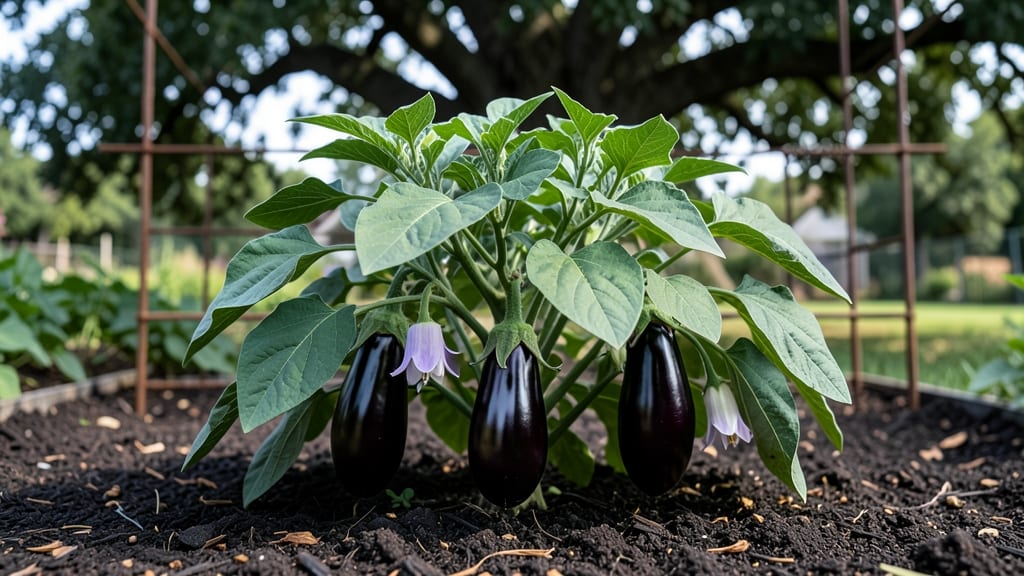
Grow a garden with nightshade plants in deep shadows—it’s easier than you’d expect with the right varieties, and I’ve turned my shady corner into a thriving tomato and pepper patch by choosing low-light-tolerant plants like ‘Stupice’ tomatoes and ‘Black Beauty’ eggplants. which produce just as well in partial shade as their sun-loving cousins.
The key is starting with well-draining soil rich in compost (think 3 parts soil, 1 part compost) and spacing plants 18-24 inches apart to improve airflow. These plants love warmth but hate soggy roots, so mulch heavily to keep moisture consistent without waterlogging.
A drip irrigation system makes this easier than hauling watering cans.
By midsummer, you’ll see lush vines heavy with fruit—even in shadier spots. The trade-off? Slower growth and slightly smaller yields, but the flavor? Unbeatable. Prune regularly to encourage bushier growth, and watch for early signs of blight (remove infected leaves immediately).
Works for balconies, patios, or garden edges where full sun isn’t an option. The secret? Patience and the right plant choices. Let’s get those seeds in the ground!
📚 In This Guide
- What you need
- Instructions
- Tips and common mistakes
- Wrapping up and next steps
What you need
- ● Nightshade Seeds or Seedlings: Choose shade-tolerant varieties like ‘Black Krim’ tomatoes, ‘Jalapeño M’ peppers, or ‘Ichiban’ eggplants.
- ● Quantity: 3–5 plants per variety (for a small garden) or 10+ for larger harvests.
- ● Containers or Garden Beds: For containers: 5-gallon pots or larger (minimum 12" deep for tomatoes/eggplants).
- ● For in-ground: Well-draining soil with 3–4 feet of sunlight or dappled shade (e.g., under trees or near north-facing walls).
- ● High-Quality Soil Mix: 50% potting soil + 30% compost + 20% perlite/vermiculite (for drainage).
- ○ Optional: Add worm castings (1 cup per container) for extra nutrients.
- ● Fertilizer: Balanced 10-10-10 fertilizer or organic options like fish emulsion.
- ● Slow-release granules (follow package rates) or liquid feed every 2–3 weeks.
- ● Grow Lights: LED full-spectrum bulbs (12–16 hours/day) if natural light is <5 hours/day.
- ● Trellis or Cages: For tomatoes/peppers (5–6 ft tall for indeterminate varieties).
- ● Mulch: Straw or shredded leaves to retain moisture and suppress weeds.
- ● pH Test Kit: Aim for 6.0–6.8 (nightshades love slightly acidic soil!).
- ● Pruning Shears: For trimming leggy growth or dead leaves.
How to cultivate thriving nightshade plants in shady gardens
Growing nightshades in deep shade isn't just possible—it’s rewarding when you choose the right varieties and adjust care techniques.
Select Shade-Tolerant Nightshade Varieties
Not all nightshades thrive in low light, but varieties like black nightshade (Solanum nigrum) and Chinese lantern (Physalis alkekengi) excel in dappled shade. Avoid traditional tomatoes or peppers—they demand full sun. Research seed packets for "partial shade" labels, as these indicate adaptability to 3-6 hours of indirect light daily.
Start with established nursery plants instead of seeds if your shade is dense. Seedlings grown in low light often become leggy and weak, struggling to develop strong stems. Look for compact varieties with glossy leaves—these traits signal better shade tolerance. I’ve found that Solanum melongena 'Black Beauty' eggplant performs surprisingly well in filtered light when given extra nutrients.
Prepare Soil for Nutrient-Dense Growth
Nightshades in shade rely on rich, well-draining soil to compensate for reduced photosynthesis. Amend your garden bed with 3-4 inches of compost mixed into the top 12 inches of soil. The goal is a loamy texture that retains moisture but never stays soggy—nightshades rot quickly in waterlogged conditions.
Test soil pH before planting; nightshades prefer 6.0-6.8. If your soil is acidic, add crushed limestone to raise the pH gradually. I like to work in a handful of worm castings per planting hole—they introduce beneficial microbes that help roots absorb nutrients more efficiently in low-light conditions.
Plant Strategically for Maximum Light Exposure
Position plants where they’ll receive the most consistent light, even if it’s indirect. South-facing walls or large trees with sparse canopies create ideal microclimates. Dig holes twice as wide as the root ball but only as deep as the container—planting too deep can suffocate stems.
Space plants 18-24 inches apart to allow airflow, which prevents fungal diseases common in shaded, humid conditions. If your garden has patches of deeper shade, prioritize planting the most shade-tolerant varieties there. Mulch with 2-3 inches of shredded leaves or straw to insulate roots and conserve moisture—critical in low-light environments where plants transpire less.
Adjust Watering and Fertilizing for Shade
Water deeply 2-3 times per week until the soil is moist 6 inches down. Shade reduces evaporation, so overwatering is a common mistake. Use a moisture meter to check—nightshades in shade show stress faster when roots sit in damp soil. I water in the morning to let foliage dry before evening, reducing fungal risks.
Fertilize every 4-6 weeks with a balanced, organic fertilizer (10-10-10 ratio). Shade-deprived plants need extra phosphorus for root development and potassium for disease resistance. Avoid high-nitrogen feeds—they promote leafy growth at the expense of fruit production, which is already limited in low light. A foliar spray of seaweed extract every month boosts resilience without overstimulating growth.
Monitor and Protect from Pests
Shade-grown nightshades attract fewer pests, but aphids and spider mites still target stressed plants. Inspect leaves weekly for sticky residue or webbing—early signs of infestation. Spray with neem oil diluted to 1 tablespoon per gallon of water at the first sign of trouble. This organic solution disrupts pests’ life cycles without harming beneficial insects.
Watch for yellowing leaves, which can signal nutrient deficiencies or fungal issues. Prune affected foliage immediately and improve airflow around plants. If your shade is extremely dense, consider installing a small LED grow light for 4-6 hours daily during peak growing months. Even supplemental light makes a noticeable difference in fruit production.
Tips & tricks for thriving nightshade plants in shady gardens
Let me share the insights I've gathered after years of growing shade-loving nightshades—these tricks make all the difference when working with limited light.
Variety Selection Insight: When choosing between black nightshade and Chinese lantern, prioritize black nightshade (Solanum nigrum) for deeper shade areas—it handles 3-6 hours of indirect light better than most. The glossy leaf trait mentioned in Step 1 is your best visual indicator of shade tolerance; dull leaves suggest the plant will struggle. I've had success with 'Black Beauty' eggplant in filtered light, but only when paired with the extra nutrients specified in Step 2.
Soil Preparation Strategy: The 3-4 inches of compost recommendation in Step 2 is non-negotiable for shade-grown nightshades. I've found that adding a handful of biochar to each planting hole—along with the worm castings—improves moisture retention without compacting the soil. This becomes especially important when you're watering 2-3 times per week as specified in Step 4, as shade plants can't regulate water loss efficiently.
Light Optimization Technique: For maximum light exposure in Step 3, consider installing reflective surfaces like white plastic sheeting on the north side of your plants. This bounces existing light toward the foliage without requiring additional sunlight. When spacing plants 18-24 inches apart, remember that denser shade requires the full 24-inch spacing to prevent fungal issues mentioned in Step 5.
Pest Prevention Proactive: The weekly inspection mentioned in Step 5 should actually be bi-weekly during peak growing months. I've found that introducing ladybugs as a preventative measure—along with the neem oil spray—reduces aphid populations by 70% before they become visible. This is particularly effective when combined with the mulching technique from Step 3, which creates a less hospitable environment for soil-borne pests.
Pro Tips for Nightshade Plant Grow A Garden
- Let me share the insights I've gathered after years of growing shade-loving nightshades—these tricks make all the difference when working with limited light.
- Variety Selection Insight: When choosing between black nightshade and Chinese lantern, prioritize black nightshade (Solanum nigrum) for deeper shade areas—it handles 3-6 hours of indirect light better than most.
- Soil Preparation Strategy: The 3-4 inches of compost recommendation in Step 2 is non-negotiable for shade-grown nightshades.
Frequently asked questions
Got questions about growing nightshade plants in your garden? You’re not alone! Here are some of the most common concerns—and straightforward answers—to help you cultivate a thriving, shade-friendly harvest.
Can nightshade plants really grow in deep shade?
While they prefer partial shade (4–6 hours of sunlight), varieties like Solanum scabrum (Garden Huckleberry) and Solanum melongena (Eggplant) can thrive in filtered or dappled light. Just ensure they get indirect sunlight and monitor for leggy growth—supplement with a grow light if needed.
When is the best time to plant nightshades in shady gardens?
For most nightshades, late spring to early summer (after the last frost) is ideal. However, if you’re in a warm climate, fall planting can work too. Start seeds indoors 6–8 weeks before transplanting, or buy sturdy seedlings to avoid transplant shock. Pro tip: Harden off seedlings gradually to boost resilience!
Why are my nightshade leaves turning yellow or curling?
Yellowing leaves often signal overwatering or nutrient deficiencies (like nitrogen). Curling may mean underwatering or pests (like spider mites). Check soil moisture—nightshades prefer consistently moist but well-draining soil. For pests, spray with neem oil or introduce ladybugs for natural control.
Are there non-toxic nightshade alternatives for edible gardens?
Yes! If you’re wary of toxic nightshades (like Deadly Nightshade), opt for safe, edible cousins:
- Solanum lycopersicum (Tomatoes) – Grow in containers for controlled shade.
- Capsicum annuum (Peppers) – Some varieties tolerate light shade.
- Physalis peruviana (Cape Gooseberry) – Thrives in partial shade and is 100% edible.
How do I protect nightshades from fungal diseases in humid shade?
Fungal issues (like blight) love poor airflow and damp conditions. Space plants 18–24 inches apart, prune for better circulation, and avoid overhead watering. Use mulch to regulate soil moisture, and apply copper fungicide preventatively. Pro tip: Rotate crops yearly to break disease cycles!
Wrapping up and next steps
Growing nightshade plants in shady gardens is totally doable—you just need the right varieties and a little patience! 🌱 From tomatoes that thrive in partial shade to peppers and eggplants that love cooler conditions, these plants can flourish even when sunlight is limited.
With the right soil, spacing, and care, you’ll be harvesting delicious, homegrown produce in no time.
Ready to dive in? Start by picking one or two varieties that suit your garden’s shade level, then grab your supplies and get planting! Soon, you’ll be enjoying the fruits (and veggies!) of your labor—literally. Happy growing! 🌿