
Orchid Care
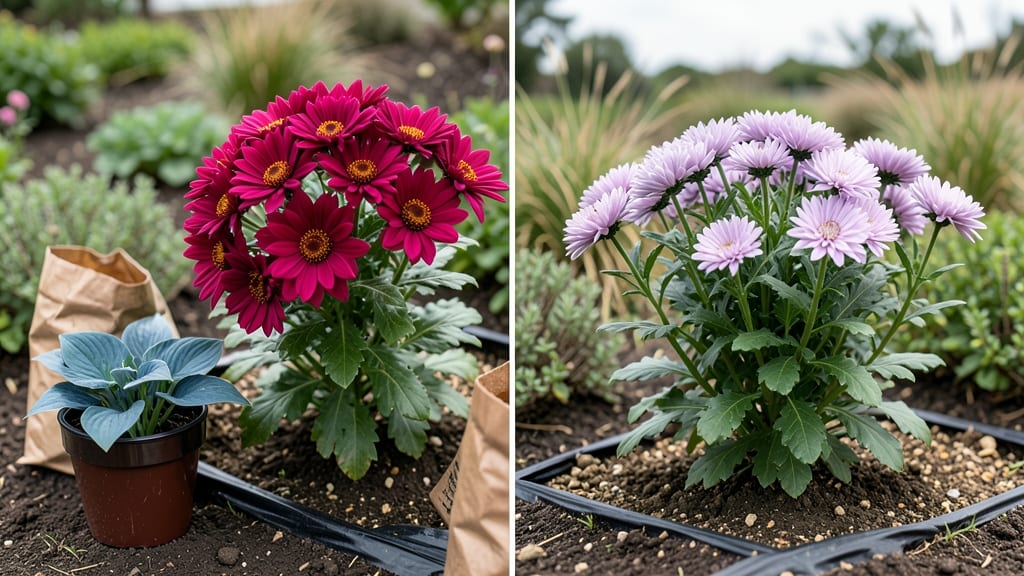
Growing chrysanthemums (mums) 🌼 in sun or shade depends on choosing the right variety and adjusting care—because the same plant can thrive in full light or struggle in deep shade.
Struggling to keep your mums blooming beautifully? The secret lies in matching varieties to your garden’s light conditions—sun, partial shade, or full shade—each requiring a different approach for vibrant, long-lasting flowers.
Sun-loving mums like 'Autumn Joy' need at least 6 hours of direct light to pack their color, while shade-tolerant types like 'Snowball' handle just 3 hours without wilting. Get the light balance wrong, and you’ll end up with leggy stems or sparse blooms.
Below, I’ll break down the best mum varieties for sun or shade, how to prep your soil, watering schedules, and even how to transition plants between light levels without shocking them.
 Best Window Placement
Best mum varieties for sun exposure and how to grow them
If your garden gets 6+ hours of sunlight daily, you’re in luck—mums like Autumn Joy and Mammoth thrive in full sun and reward you with bold, long-lasting blooms. These varieties aren’t just pretty; they’re drought-tolerant and perfect for cutting gardens or border plantings.
The key is choosing the right sun-loving mum and giving it the proper care to keep it flourishing.
Sunlight is the secret ingredient for vibrant mums, but not all varieties handle it the same way. For example, 'Autumn Joy' develops deep copper-red blooms when exposed to full sun, while 'Purple Dome' stays compact and dense under bright conditions.
Pairing the right variety with well-draining soil and consistent watering ensures your mums stay healthy and prolific.
Here’s a quick guide to the top sun-loving mum varieties and how to grow them for maximum impact:
| Variety | Sun Needs | Height | Bloom Time | Care Tips |
|---|---|---|---|---|
| Autumn Joy | Full sun (6+ hrs) | 2-3 ft | Late summer-fall | Deadhead spent blooms; prune in spring |
| Mammoth | Full sun (6+ hrs) | 3-4 ft | Late summer-fall | Stake tall stems; fertilize monthly |
| Purple Dome | Full sun (6+ hrs) | 1-2 ft | Early fall | Pinch back early for bushiness |
| Bright Golden Anne | Full sun (6+ hrs) | 2-3 ft | Late summer-fall | Drought-tolerant; water deeply |
| Fireball | Full sun (6+ hrs) | 1-2 ft | Mid-fall | Remove faded blooms for reblooming |
Before planting, prep your soil with compost to improve drainage—mums hate soggy roots. Amend heavy clay soil with sand or perlite to prevent waterlogging. For best results, plant mums in well-draining soil with a pH between 6.0 and 6.5.
A soil test kit (around $10) ensures you’re on the right track.
Watering is critical for sun-loving mums. Aim for 1 inch of water per week, but adjust based on temperature and rainfall. In hot, dry spells, water deeply 2-3 times per week to encourage strong roots.
Always water at the base of the plant to avoid wetting the leaves, which can lead to fungal diseases like powdery mildew.
Pruning keeps your mums bushy and blooming. In early spring, cut back dead or weak stems to 6 inches tall to encourage new growth. Throughout the season, deadhead spent blooms to redirect energy into new flowers.
For varieties like 'Autumn Joy', a light pruning in midsummer can extend the blooming season by several weeks.
Fertilize your mums every 4-6 weeks during the growing season with a balanced 10-10-10 fertilizer. Start feeding in early spring and
Shade-tolerant mums that thrive in low-light gardens
Not all hope is lost if your garden gets less than 4 hours of sunlight. Some mum varieties actually thrive in shade, producing stunning blooms without the harsh afternoon sun.
The key is selecting the right shade-tolerant cultivars and providing optimal growing conditions to keep them happy and blooming.
For low-light gardens, focus on varieties like 'Snowball', 'White Bouquet', and 'Bronze Beauty'. These mums have adapted to 2-4 hours of light daily, making them perfect for wooded areas, north-facing beds, or under large trees where sunlight is limited.
Shade-Tolerant Mums: Pros & Cons
- Vibrant blooms in low light
- Less watering needed
- Heat-resistant foliage
- Longer vase life for cut flowers
- Smaller blooms than sun varieties
- Requires rich soil for best growth
- More prone to pests in damp shade
- Limited color options compared to sun-loving mums
💡 Tip: Amend shade soil with compost and organic matter to improve drainage and nutrient availability.
When planting shade-loving mums, prioritize well-draining soil mixed with compost to prevent root rot. These varieties need consistent moisture but hate soggy feet, so raised beds or containers work beautifully for shade gardens.
Pair your shade mums with companion plants like heuchera, hostas, or ferns to create a lush, layered look. These plants share similar water and shade needs, reducing maintenance while adding texture and color contrast to your garden.
If your mums develop drooping leaves or sparse blooms, check for underwatering or nutrient deficiencies. A balanced 10-10-10 fertilizer applied in early spring and mid-summer can work wonders, while deadheading spent blooms encourages new flowers to form.
With the right shade-tolerant varieties and proper care, your low-light garden can burst with color and life—proving that mums don’t need full sun to shine! 🌿