
Light Requirements
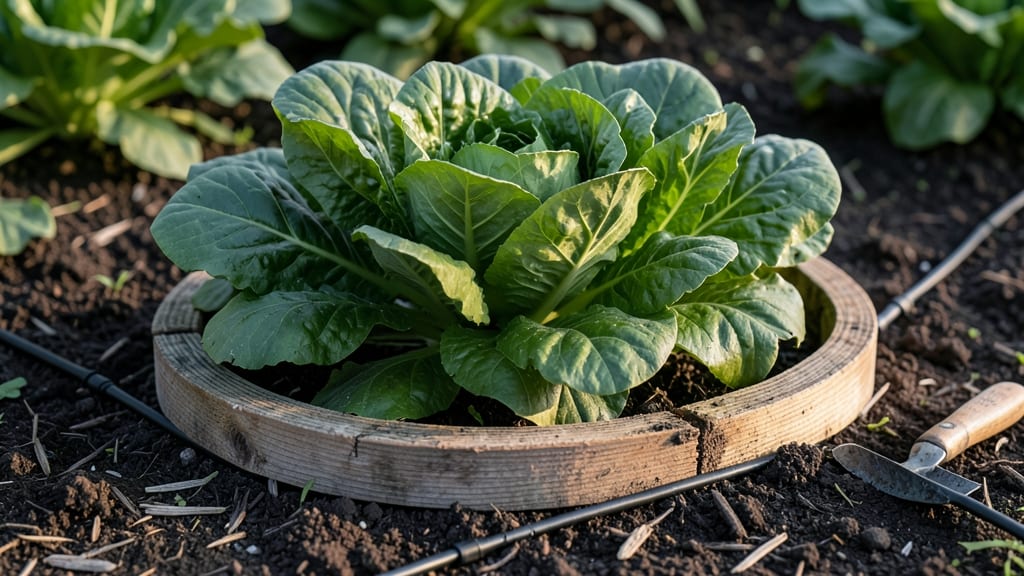
Growing crisp lettuce in shade is easier than you think—just pick the right varieties and tweak a few care habits.
Struggling to grow crisp, healthy 🥬 in shady spots? You’re not alone—many gardeners assume lettuce needs full sun, but these fast-growing varieties thrive in low light while staying fresh longer. The secret is choosing shade-tolerant types like 'Black Seeded Simpson' or 'Buttercrunch' and adjusting watering to keep them crisp.
Shade lettuce doesn’t need 6+ hours of sun—just 3-4 hours of bright, indirect light keeps it happy. That means your north-facing window or the dappled shade under a tree is perfect. With the right soil and watering, you’ll harvest crisp, flavorful leaves in just 30-45 days.
Here’s what you’ll learn: the 5 best shade-friendly varieties, how to prep soil for maximum growth, and pro tips to avoid leggy or bitter lettuce. Ready to turn your shady patch into a salad garden?
 Best Window Placement
5 Best lettuce varieties for shady gardens that stay crispy
If you’ve ever tried growing lettuce in shade only to watch it bolt or wilt, you’re not alone. Most gardeners assume lettuce needs full sun to thrive, but these fast-growing varieties prove otherwise.
With the right selection, you can enjoy crisp, flavorful leaves even in partial or full shade gardens.
The key is choosing shade-tolerant lettuce that matures quickly before heat stress sets in. These varieties handle 3-6 hours of indirect light daily while maintaining their signature crunch. Whether you’re working with a north-facing garden bed or a container under a tree, these top picks deliver consistent results.
Black Seeded Simpson is my go-to for full shade gardens—it matures in just 30-40 days and handles low-light conditions better than most. The buttery flavor makes it perfect for salads, and its loose-leaf structure means you can harvest continuously without waiting for a full head.
For partial shade, Buttercrunch is a crowd-pleaser. Its crisp texture and sweet taste stay intact even with 3-4 hours of indirect light daily. This variety also resists bolting, which is crucial when temperatures fluctuate in spring or fall.
Oakleaf lettuce adds visual interest with its ruffled edges and earthy flavor, making it ideal for gourmet dishes. It thrives in partial shade and has a slightly longer harvest window (45-55 days), giving you more flexibility for staggered planting.
If you’re growing lettuce for winter harvests, Winter Density is a game-changer. This cold-hardy variety tolerates full shade and produces tender leaves even when temperatures drop. Its 50-60 day maturity means you can plant it in late summer for a fall/winter crop.
Lastly, Arctic King is my favorite for fast harvests in partial shade. Ready in just 35-45 days, it delivers crisp,
How to maximize lettuce growth in shade: pro tips for success
Growing lettuce in shady spots doesn’t mean sacrificing crisp, flavorful harvests. In fact, shade can help lettuce stay crisp longer by preventing bolting during hot summer months. The key lies in adjusting your approach to soil nutrition, watering habits, and seasonal timing—all tailored to low-light conditions.
I’ve grown lettuce under trees and on north-facing patios for years, and these strategies have helped me achieve consistent yields even in partial shade.
Shade-grown lettuce thrives when you mimic its natural forest-floor environment. This means rich, organic soil that retains moisture, gentle watering to prevent stress, and companion plants that protect it from pests.
Whether you’re planting in spring or fall, understanding these seasonal adjustments will make the difference between wilted leaves and a thriving salad garden.
- 1 Amend soil with compost—Shade soil often lacks nutrients. Mix in 3-4 inches of compost or well-rotted manure before planting to boost organic matter and water retention. Aim for a pH between 6.0-7.0 for optimal nutrient uptake.
- 2 Water deeply in mornings—Shade lettuce needs consistent moisture but hates soggy roots. Water at soil level (not overhead) every 2-3 days, adjusting for rain. Mulch with straw or shredded leaves to lock in humidity and reduce evaporation.
- 3 Plant with companions—Surround lettuce with carrots, radishes, or bush beans to improve soil structure and deter pests like aphids. Avoid planting near celery or onions, which compete for nutrients and can stunt growth.
- 4 Adjust for spring vs. fall—In spring, prioritize nitrogen-rich fertilizers (like fish emulsion) every 4 weeks to fuel leafy growth. In fall, reduce feeding after first frost to harden off plants for winter storage.
- 5 Harvest strategically—Pick outer leaves first to encourage continuous growth. Use clean scissors and avoid pulling leaves, which can damage the plant. In shade, lettuce grows slower, so harvest every 2-3 weeks for a steady supply.
Spring and fall are the ideal seasons for shade lettuce because temperatures are mild, and daylight is balanced. In spring, focus on quick-maturing varieties like 'Black Seeded Simpson' (ready in 30-40 days) to take advantage of cooler soil.
For fall plantings, opt for winter-hardy types like 'Winter Density', which can tolerate light frosts and stay crisp until first hard freeze.
One common misconception is that shade lettuce needs less water—the opposite is true. Shade slows evaporation, so soil stays moist longer, but lettuce roots still need consistent hydration.
I’ve seen shade-grown lettuce bolt prematurely when watering was inconsistent, so stick to a schedule and monitor soil moisture with your finger. If the top inch feels dry, it’s time to water.
For container growers, choose shallow but wide pots (at least 6 inches deep) with drainage holes. Use a lightweight potting mix blended with perlite to prevent compaction. Containers dry out faster in shade, so check moisture daily and water every 1-2 days during warm spells.
Place pots near north-facing windows or under dappled shade cloth for indirect light.
With these pro tips, your shade lettuce will stay crisp, tender, and productive all season long. The secret? Treat it like a forest-floor plant—moist, nourished, and protected from stress. Soon, you’ll be harvesting bountiful salads without ever needing full sun. 🥬