
Light Requirements
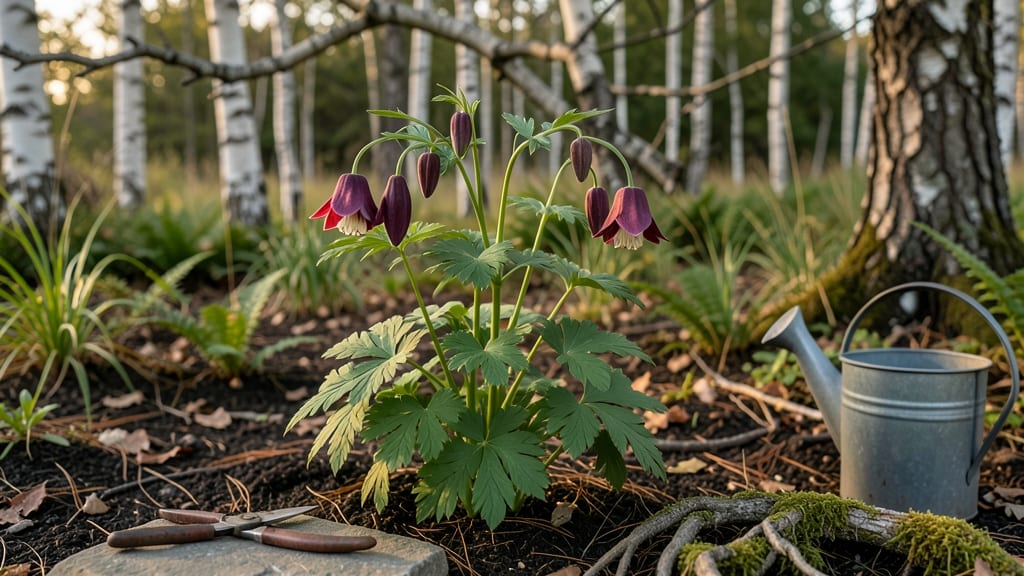
Columbine can grow in shade, but its performance varies by variety—most thrive in partial shade (4-6 hours of sunlight) while some tolerate deeper shade (2-4 hours). Dwarf types adapt best to low-light conditions, though blooms may be less abundant. Ensure well-draining soil and consistent moisture for optimal growth.
Columbine's adaptability to shade depends entirely on the specific variety you're growing. 🌿 While some species like Aquilegia canadensis can handle 2-4 hours of sunlight daily, others—such as Aquilegia formosa—struggle in deep shade and produce fewer blooms.
The key is matching your garden's light conditions to the right cultivar, as even shade-tolerant types may develop leggy stems or pale foliage without adequate light exposure. I've found that dwarf varieties like 'Crimson Star' perform best under trees, where they add vibrant color without competing for sunlight.
For successful shade cultivation, focus on soil quality and moisture consistency.
Columbine prefers well-draining, slightly acidic soil (pH 6.0-7.0), and mulching helps retain moisture while preventing root rot. 💧 In low-light areas, I recommend pairing columbine with taller plants like ferns or hostas to create a layered garden effect that naturally filters light.
Regular deadheading spent blooms also encourages new growth, even in less-than-ideal lighting conditions.
💡 In This Article
- Columbine Light Requirements by Variety: Shade-Tolerant vs Sun-Loving Types
- Maximizing Columbine Growth in Shady Gardens: Soil, Watering, and Care Tips
Columbine light requirements by variety: shade-tolerant vs sun-loving types
The shade tolerance of columbine (Aquilegia spp.) depends on its species and natural habitat. Native woodland varieties like Aquilegia canadensis (Canadian columbine) thrive with just 2-4 hours of direct sunlight, making them ideal for understory planting.
These plants evolved in forest edges where dappled light filters through canopies, so their leaves are adapted to lower light levels with slightly broader, darker green foliage that can perform photosynthesis efficiently in dim conditions. 🌿 In contrast, species like Aquilegia formosa (Western columbine) prefer 6+ hours of sunlight and may produce sparse blooms or develop weak stems when grown in deep shade.
Leaf color and bloom intensity reveal how light affects columbine's growth. Shade-tolerant varieties maintain their vibrant foliage colors but may have smaller, paler flowers with fewer petal spurs when deprived of adequate light.
For example, 'Nancy's Gold' columbine's signature golden foliage becomes less vivid in deep shade, while its flowers may shrink from 2-inch diameter to just 1-inch. The mechanism is simple: chlorophyll production decreases in low light, reducing energy for both leaf pigments and flower development.
Dwarf varieties like 'Jackpot' handle shade better than their taller counterparts because their compact growth habit requires less energy overall.
What most gardeners don't realize is how light quality matters as much as quantity. Shade from deciduous trees provides blue-rich light that's better for columbine than the green-filtered light from evergreens. This is why planting under maples or oaks often yields healthier columbine than beneath pines.
The blue wavelengths penetrate deeper through leaves, supporting photosynthesis in shade-adapted varieties. 🌱 For maximum performance, position columbine where it receives morning sun (when UV levels are lower) and afternoon shade, which prevents leaf scorch while still providing enough energy for growth.
Color variations also indicate light needs. Blue and purple columbine flowers contain more anthocyanins, which help protect leaves from UV damage in bright light. When these varieties grow in shade, their flowers may shift toward pink or white hues as the plant prioritizes survival over pigment production.
The classic red-and-yellow 'Crimson Star' columbine, for instance, maintains its bold colors in partial shade but may develop 10-20% fewer blooms compared to its sun-grown counterparts. This color shift isn't permanent—if moved to brighter conditions, the plant often reverts to its original color palette within a growing season.
Consider these key factors when selecting shade-tolerant varieties:
- Native species: Aquilegia canadensis (Canadian columbine) handles 2-4 hours of light
- Dwarf varieties: 'Jackpot' (12-18" tall) thrives in 3-5 hours of filtered light
- Color indicators: Darker foliage suggests better shade adaptation
- Avoid: Aquilegia formosa (Western columbine) in deep shade
The science behind this involves photomorphogenesis—the plant's light-sensing mechanisms that regulate growth patterns. In low light, columbine produces more auxin (a growth hormone) that elongates stems in search of light, leading to that classic "leggy" appearance. This is why shade-grown columbine often needs staking or pruning to maintain compact form.
The trade-off is worth it for gardeners with limited sun, as even shade-adapted varieties produce stunning blooms that attract hummingbirds and bees to darker corners of the garden. ✨