
Light Requirements
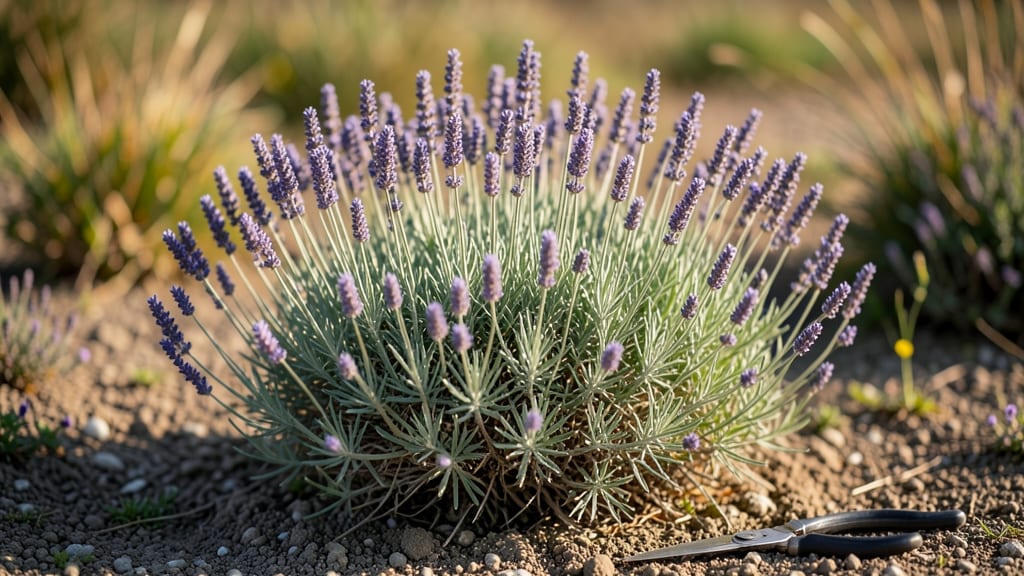
Growing lavender in part shade with 3-4 hours of sun is easier than you think—these fragrant varieties prove it 🌿.
Struggling to grow lavender in your shady garden? The right varieties can transform part-shade areas into a soothing, purple paradise—without sacrificing that signature scent. Unlike traditional sun-loving lavender, these hardy types thrive with just a few hours of morning light, making them perfect for patios, borders, or even containers.
Below, I’ll show you which lavender types handle low light best, how to prep your soil for maximum fragrance, and the one pruning trick that keeps them blooming even in less-than-ideal spots. Spoiler: it’s all about drainage and timing.
Ready to turn your shady corner into a fragrant retreat? Let’s get started with the top 3 shade-tolerant lavender varieties that won’t let you down.
 Best Window Placement
Best lavender varieties for part shade gardens (3-4 hours sun)
Growing lavender in part shade doesn't mean sacrificing that signature fragrance or vibrant blooms. Many lavender varieties thrive with just 3-4 hours of sun, especially when paired with the right soil conditions and care.
My top picks focus on shade-tolerant species that maintain their aromatic oils and compact growth habits.
For part-shade gardens, I recommend focusing on English lavender (Lavandula angustifolia) and hybrid lavenders (Lavandula × intermedia), which adapt better to lower light than Mediterranean varieties.
These types often produce darker foliage and richer colors in shadier spots, making them perfect for woodland gardens or areas near trees.
Here’s how I compare the best part-shade lavender varieties—including their fragrance intensity, mature height, and care requirements—to help you choose the perfect fit for your garden.
'Hidcote Giant' is my go-to for part-shade gardens because it produces dense, dark purple spikes even with minimal sun. Its herbal fragrance intensifies when grown in cooler, shadier conditions, making it ideal for morning sun spots near patios or under deciduous trees.
If you love larger blooms and longer stems, 'Grosso' is a hybrid powerhouse that thrives with 3-5 hours of sun. It’s perfect for dried flower arrangements because its floral scent lingers longer than many English varieties.
For compact gardens or containers, 'Munstead' delivers sweet fragrance and neat growth—ideal for balconies or windowsills with partial shade. Its delicate blooms also attract butterflies and bees when planted near pollinator-friendly companions.
One common misconception is that part-shade lavender won’t bloom as well. In reality, varieties like 'Provins' often produce larger flowers in response to cooler, shaded conditions. Just ensure your soil is well-draining and low in nitrogen to prevent leggy growth.
When selecting lavender for part shade, prioritize soil drainage over sunlight. Amend heavy soils with sand or gravel and avoid waterlogged areas. Mulch with gravel or pine needles to mimic their Mediterranean habitat while keeping roots cool.
My final tip: Plant lavender in spring or early fall to give roots time to establish before extreme heat or cold. Even in part shade, morning sun exposure (6 AM–10
How to create ideal growing conditions for part-shade lavender
Part-shade lavender thrives when you mimic its Mediterranean roots—dry soil, excellent drainage, and minimal water. The key difference in part shade? You’ll need to boost soil fertility and protect roots from moisture while still ensuring enough morning sunlight for fragrance development.
I’ve learned that lavender in part shade grows slower but produces stronger, more concentrated oils when conditions are just right.
Start by amending your soil with coarse sand or perlite to prevent compaction. Lavender roots hate soggy feet, so if your garden soil is heavy clay, consider raising beds or planting in containers with drainage holes.
A DIY mix of 50% garden soil, 30% coarse sand, and 20% compost works wonders for my part-shade lavender patches.
⚠️ callout tip ⚠️
Morning sun is non-negotiable—aim for 3-4 hours between 6 AM and 10 AM. Afternoon shade prevents heat stress, but no direct afternoon sun will weaken stems. Use reflective mulch (like white gravel) to bounce extra light onto plants during cloudy days.
Spacing is critical in part shade—plant lavender 18-24 inches apart to allow airflow and reduce fungal risks. Crowding leads to weak stems and poor fragrance. I’ve found that dwarf varieties like 'Hidcote Giant' handle part shade better than tall types, staying compact and bushy without legginess.
Mulching with gravel or pine needles (not organic mulch) keeps roots cool and prevents soil-borne diseases. Organic mulch retains too much moisture, which is lavender’s #1 enemy. Pair your lavender with drought-tolerant companions like rosemary, thyme, or catmint—they share similar care needs and repel pests naturally.
Water deeply but infrequently—once every 10-14 days in part shade. Check soil moisture by digging 2 inches down; if it’s dry, water until it drains freely. Overwatering causes root rot, while underwatering stresses plants.
A drip irrigation system set on a timer ensures consistent moisture without soggy soil.
Finally, prune lightly in early spring to shape plants and remove woody stems. Avoid heavy pruning—lavender in part shade needs all its energy for survival, not new growth.
With these adjustments, my part-shade lavender now blooms later but lasts longer, filling my garden with rich, calming scent all summer.