
Light Requirements
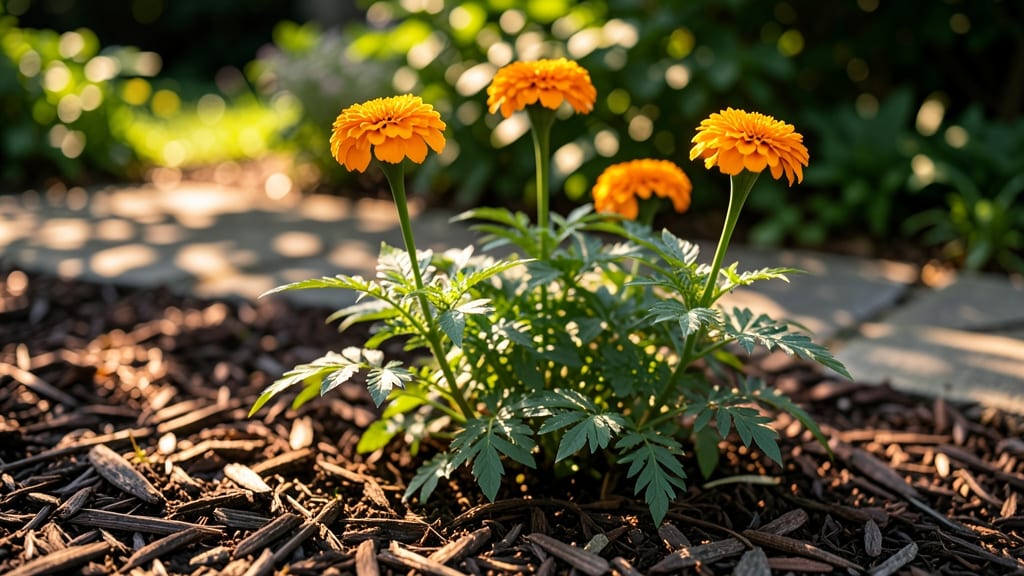
Marigolds can grow in part shade 🌼 — but only if you pick the right varieties and tweak their care just a little.
Picture this: you’ve got a shady corner where nothing seems to thrive, and you’re ready to give up on marigolds entirely. But here’s the twist—some marigolds actually bloom better in part shade when given the right conditions, like richer soil or strategic pruning.
The key is knowing which types to choose and how to compensate for lower light.
Most marigolds crave full sun, but varieties like French marigolds or Mexican tarragon (a lesser-known type) handle part shade surprisingly well.
They might not grow as tall or produce as many blooms as their sun-loving cousins, but with the right soil prep and a little extra love, they’ll still reward you with vibrant flowers.
In this guide, I’ll break down which marigolds work best in shady spots, how to adjust your care routine, and even a few pro tips to keep them blooming like they’re basking in full sun. Let’s turn that shady patch into a marigold hotspot!

How part shade affects marigold growth: light requirements explained
Marigolds are often labeled as sun-loving plants, but the truth is more nuanced. While they thrive in full sun (6+ hours daily), many varieties adapt surprisingly well to part shade (3-6 hours of sun).
The key lies in understanding how light deprivation impacts their growth patterns, flowering intensity, and overall health. Let’s break down what happens when marigolds get less sunlight than they’d prefer.
In full sun, marigolds grow compact and bushy, producing vibrant, abundant blooms from early summer until frost. However, when placed in part shade, their stems often elongate (leggy growth) as they stretch toward available light.
This reduces flower production and weakens their natural pest-repelling properties, which rely on sunlight for optimal oil production.
Here’s the critical threshold: 4+ hours of direct sun is the minimum for marigolds to bloom reliably. Below this, you’ll notice fewer flowers, paler petals, and thinner stems.
The good news? Some varieties handle shade better than others, and with the right care, you can still enjoy stunning marigolds in shadier corners of your garden.
🌱
| Light Condition | Sunlight Hours | Growth Impact | Flowering Impact | Best Varieties |
|---|---|---|---|---|
| Full Sun | 6+ hours | Compact, bushy, strong stems | Abundant, vibrant blooms | All varieties (French, African, Signet) |
| Part Sun | 3-6 hours | Taller stems, leggy growth | Moderate blooms, smaller petals | Tagetes lucida, Mexican marigolds |
| Light Shade | <3 hours | Very tall, weak stems | Sparse, pale blooms | Avoid; poor performance |
| Morning Sun | 3-4 hours (AM) | Balanced growth, sturdy | Good blooms if variety selected | French marigolds, 'Bonanza' |
| Afternoon Shade | 3-4 hours (PM) | Leggy if not pruned | Fewer blooms, slower growth | Tagetes minuta, 'Lemon Gem' |
The direction of shade matters just as much as the duration. Morning sun (east-facing) is ideal because cooler afternoon temperatures reduce stress. In contrast, afternoon shade can lead to leggy stems if the plant doesn’t get enough light early in the day.
For example, a French marigold in a west-facing bed with only 3 hours of morning sun may struggle, while the same variety in an east-facing spot with 4 hours will thrive.
Watch for these red flags of light deprivation: stretched stems, yellowing leaves, and buds that drop before opening. These signs indicate your marigolds aren’t getting enough light to support photosynthesis efficiently.
The solution? Prune leggy stems to encourage bushier growth and rotate containers (if potted) to ensure even light exposure.
Another critical factor is soil fertility. In part shade, marigolds rely more on nutrient-rich soil to compensate for reduced photosynthesis. Adding compost or a balanced fertilizer (like 5-10-10) can help maintain vibrant blooms even in lower-light conditions.
I’ve seen Tagetes lucida (Mexican marigold) produce bright yellow flowers in part shade when grown in well-amended soil.
If you’re working with deep shade (under trees or north-facing walls), consider container gardening near a sunny window or patio. Containers allow you to move plants for optimal light exposure.
For instance, placing a 6-inch pot of marigolds on a south-facing deck for a few hours daily can make a dramatic difference in their growth and flowering.
Remember, not all marigolds are equal when it comes to shade tolerance. African marigolds (like 'Tangerine Gem') are the least shade-tolerant, while French marigolds (e.g., 'Bonanza') and Mexican marigolds handle part shade better.
Choosing the right variety for your light conditions is half the battle. In the next section, I’ll share my top 4 shade-tolerant marigold varieties and how to care for them in low-light spots.
☀️
4 Best marigold varieties for part shade gardens (with growing tips)
If you’ve ever struggled to grow marigolds in part shade, you’re not alone. While most marigolds crave full sun, certain varieties thrive with just 3-6 hours of light daily. These shade-tolerant marigolds not only survive but produce vibrant blooms and fragrant foliage.
Here’s my curated list of the best marigold varieties for part shade gardens, along with care tips to maximize their potential in low-light areas.
Before diving into varieties, it’s important to note that part shade marigolds require well-draining soil and consistent moisture. Without these basics, even shade-tolerant types will struggle.
The key is choosing the right variety and providing morning sun exposure—this gives them the energy boost they need without scorching their leaves in afternoon heat.
Can Marigolds Grow in Part Shade?
✅ Pros
- 3-6 hours of light still supports blooming
- Reduced leaf scorch in hot climates
- Fragrant foliage thrives in cooler, shadier spots
- Pest resistance remains strong in part shade
- Longer vase life for cut flowers
❌ Cons
- Fewer blooms compared to full-sun varieties
- Leggy growth if light is insufficient
- Slower establishment in deep shade
- Prone to powdery mildew if air circulation is poor
- Dwarf varieties may not reach full potential
💡 Pro Tip: Pair shade-tolerant marigolds with hostas or ferns for a lush, low-maintenance garden bed.
Let’s start with Tagetes lucida, also known as Mexican tarragon marigold. This variety is a fragrant powerhouse with silver-gray foliage and small, yellow-orange blooms. Unlike its sun-loving cousins, Tagetes lucida thrives in part shade to full shade, making it perfect for woodland gardens or under trees.
It’s also drought-tolerant once established, so it’s ideal for low-maintenance spaces. To keep it blooming, pinch back spent flowers regularly and ensure the soil stays slightly moist but well-drained.
Next up is Tagetes minuta, the scented marigold, which produces tiny, pom-pom-like flowers in shades of yellow, orange, and red.
This variety is highly aromatic and repels pests naturally, making it a fantastic companion plant for vegetables like tomatoes and peppers. Tagetes minuta handles part shade better than most marigolds but still needs at least 3 hours of morning sun to produce abundant blooms.
For best results, plant in containers with well-amended soil—this variety loves compost-rich environments.
For gardeners who love bold, classic marigolds, French marigolds (like ‘Bonanza’ or ‘Jumbo’) are a great choice. While they prefer full sun, some dwarf varieties (like ‘Baby’ or ‘Tangerine’) tolerate part shade surprisingly well.
These marigolds produce large, double blooms in vibrant colors and are excellent cut flowers. To encourage blooming in shady spots, fertilize lightly with phosphorus (like a 5-10-10 blend) every 4-6 weeks and deadhead regularly. Avoid overcrowding—these plants need good air circulation to prevent fungal issues.
Finally, African marigolds (like ‘Crackerjack’ or ‘Tropic Sun’) are often overlooked for part shade, but some compact varieties (such as ‘Tropic Sun Gold’) can handle 3-4 hours of light daily. These marigolds are heat-tolerant and produce bright orange or yellow blooms that attract pollinators.
For shady conditions, plant in raised beds with sandy loam soil to improve drainage. Water deeply but infrequently—African marigolds in part shade are prone to root rot if overwatered. Pair them with shade-loving herbs like mint or lemon balm for a fragrant, low-light garden bed.
To maximize blooms in part shade, companion planting is key. Try pairing your marigolds with hostas, impatiens, or coleus—these plants share similar light and water needs while adding color and texture to your garden.
And remember, mulching with compost in early spring gives your marigolds a nutrient boost without competing for light. With the right variety and a little extra care, your part shade marigolds will thrive and bloom beautifully all season long. 🌼