
Light Requirements
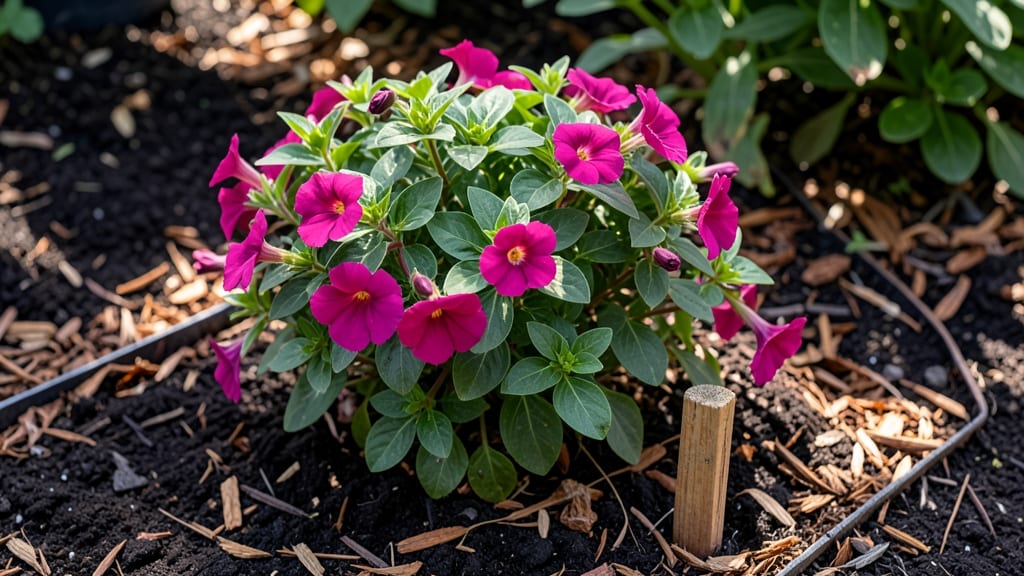
Impatiens thrive in full sun or shade — but only if you get the balance right for your variety and climate.
Picture this: you’ve spent weeks nurturing your 🌸 impatiens, only to watch the leaves crisp in the sun or the stems stretch leggy in the shade. The truth? These flowers are picky about light, and the wrong conditions can turn your blooms into a sad, sparse mess.
Most impatiens prefer partial shade — think morning sun and afternoon shade in USDA Zone 6a — but New Guinea types can handle more sun if kept hydrated.
The key is reading their signals: yellowing leaves? Too much sun. Bare stems? Not enough light. With the right tweaks, you’ll have vibrant blooms from June to September.
In this guide, I’ll show you how to match your impatiens to their ideal light spot, spot stress signs early, and even combine sun-loving and shade-tolerant varieties for a garden that blooms all season long.

Best impatiens varieties for full sun vs. shade exposure
Impatiens are garden favorites for their vibrant blooms, but not all varieties handle light the same way. New Guinea impatiens and double-flowered Busy Lizzie types have different sun tolerances, which directly impact their color vibrancy and bloom duration.
Choosing the right variety for your garden’s light conditions ensures year-round color without stress. Let’s explore how to match your space’s sunlight to the perfect impatiens type.
The classic Busy Lizzie impatiens (Impatiens walleriana) thrives in partial shade, making it ideal for shaded garden beds or under trees. However, New Guinea impatiens (Impatiens x hawkeri) can handle morning sun and even dappled afternoon shade in cooler climates.
Heat-tolerant hybrids like SunPatiens push boundaries, tolerating 4-6 hours of direct sun in temperate zones.
🌱
Sunlight affects more than just blooms—it shapes plant structure too. Busy Lizzie in full sun may develop leaf scorch and leggy stems, while SunPatiens in deep shade will produce fewer blooms and duller colors.
For example, red SunPatiens in shade lose their vibrant hue, turning pinkish. Test your garden’s light with a sunlight map before planting.
In temperate climates, morning sun is ideal for most impatiens. New Guinea types handle 3-4 hours of morning sun without stress, while Busy Lizzie prefers filtered light all day.
If your garden has harsh afternoon sun, use dappled shade from trees or a light fabric shade cloth (30-50% block) to protect delicate foliage.
🌿
Color intensity is another key factor. Pink and purple impatiens often deepen in shade, while reds and oranges may fade without enough light. SunPatiens in full sun produce brighter blooms but require consistent moisture to prevent wilting.
For longer bloom seasons, mix varieties: plant Busy Lizzie in shade and SunPatiens in sun for a continuous color display from spring to fall.
Regional adjustments matter too. In hot, humid climates, even SunPatiens may need afternoon shade to avoid heat stress. In cooler northern zones, New Guinea types can tolerate more direct sun without wilting. Always check your USDA zone and local microclimate before selecting varieties.
🌸
Pro tip: Rotate containers every few weeks to ensure even light exposure. If your impatiens start showing yellow leaves or drooping blooms, adjust their light immediately.
A simple 180-degree turn can reset their growth pattern and revive color. With the right variety and light balance, your impatiens will reward you with non-stop blooms
How to adapt impatiens care for sun or shade conditions
Impatiens are famously adaptable, but their care shifts dramatically between full sun and shade conditions. In shade, they thrive with minimal stress, while in sun, they demand extra attention to water and soil.
Understanding these differences ensures vibrant blooms year-round. Let’s break down the key adjustments for each scenario.
The biggest challenge is balancing moisture—too much sun dries out soil faster, while too much shade can lead to leggy, sparse growth. Your watering schedule, fertilizer routine, and pruning habits must all adapt.
For example, New Guinea impatiens handle more sun than traditional Busy Lizzie varieties, but even they need afternoon shade in hot climates.
⚠️ callout-warning
⚠️ Sun vs. Shade Warning Signs
Ignoring light conditions can ruin your impatiens. Watch for these red flags:
- Leaf scorch (brown edges) = too much sun
- Leggy stems (bare, stretched) = not enough light
- Pale blooms = weak sunlight or over-fertilizing
Fix it fast: Move plants to dappled shade or adjust watering.
For full sun exposure, prioritize deep watering—aim for 1-2 inches of soil moisture daily during peak heat. Use mulch to retain moisture and fertilize every 3-4 weeks with a balanced 10-10-10 mix to support rapid growth.
Prune spent blooms weekly to encourage new flowers and prevent stress from heat.
In shade, reduce watering to every 2-3 days unless the soil feels bone-dry. Cut back on fertilizer to every 6-8 weeks—too much nitrogen causes leggy growth.
Instead, focus on pruning leggy stems to promote bushier, fuller plants. Shade-loving impatiens also appreciate light feeding in early spring to kickstart blooming.
Seasonal tweaks are key for year-round blooms. In spring, gradually introduce sun-hardened impatiens to more light to avoid shock. By summer, provide afternoon shade in hot zones (like USDA Zone 8+) to prevent wilting.
In fall, reduce water slightly and stop fertilizing by September to prepare for dormancy.
Pro tip: Pair sun-loving impatiens (like Super Elfin) with shade-tolerant varieties (like Accent) in containers. This lets you enjoy both types in one spot, adjusting care based on their light needs. With these adjustments, your impatiens will reward you with non-stop color from spring to frost! 🌸