
Shrubs
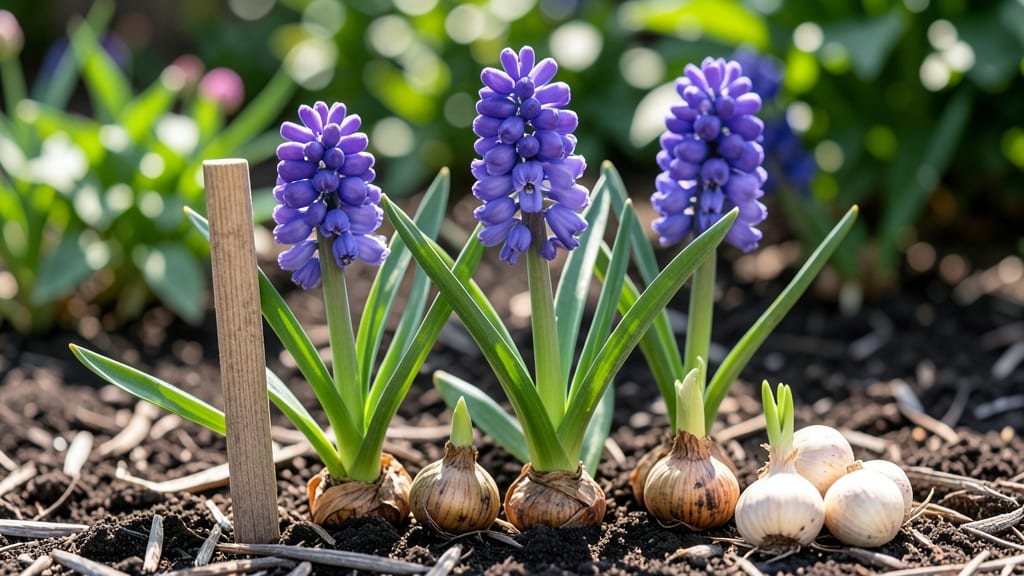
Hyacinths thrive in partial shade or sun, but getting that balance right is the key to those showstopping blooms you’ve been dreaming of.
Struggling to get your hyacinths to bloom as vibrantly as you’d hoped? The secret might be simpler—and more surprising—than you think: light exposure.
Whether your garden baskets sit in full sun or dappled shade, understanding how to position these fragrant bulbs can mean the difference between a modest display and a showstopping floral spectacle.
These 🌸 hyacinths love morning sun but can wilt in harsh afternoon rays, especially in hotter climates like USDA Zone 6a. Too much shade, and you’ll end up with weak stems and sparse flowers. Too much sun, and the leaves may scorch before the blooms even appear.
The good news? With a few simple adjustments—like choosing the right spot or adjusting watering—you can coax your hyacinths into their best performance.
In this guide, I’ll walk you through how to read your garden’s light conditions, pick the perfect spot for your hyacinths, and tweak your care routine to keep them thriving—whether they’re basking in morning rays or tucked under a tree’s dappled canopy.
 Best Window Placement
Hyacinth light requirements: sun vs. shade for optimal blooming
Hyacinths (🌸) thrive when given the right balance of light, but many gardeners overlook how subtle shifts in sunlight can dramatically impact their blooms. These fragrant bulbs actually prefer partial shade—especially in hot climates—though they can tolerate morning sun without stress.
The key lies in understanding your local microclimate and adjusting placement seasonally for consistent, vibrant flowers.
In full sun, hyacinths may produce smaller blooms with leggy stems, while too much shade can result in fewer flowers and pale foliage. The sweet spot? 4 to 6 hours of morning sunlight paired with afternoon shade.
This mimics their natural habitat in Mediterranean woodlands, where dappled light filters through trees.
| Light Condition | Sunlight Hours | Bloom Quality | Stem Strength | Ideal For |
|---|---|---|---|---|
| Full Sun | 6+ hours | Small, sparse | Weak, floppy | Cool climates |
| Partial Shade | 4-6 hours | Large, vibrant | Strong, upright | Most gardens |
| Deep Shade | <2 hours | Few, pale | Tall, weak | North-facing spots |
For container-grown hyacinths, place pots near an east-facing window or under a semi-sheered patio, where they receive gentle morning rays. If your balcony faces south, use a light-colored umbrella to filter intense afternoon sunlight.
In hotter zones (8+), afternoon shade is non-negotiable—otherwise, stems may overheat and flowers bolt prematurely.
Watch for these light-stress signs: Yellowing leaves often mean too much sun, while stretched stems signal insufficient light. If your hyacinths are leggy but not blooming, they’re likely starved for sunlight.
Move them to a brighter spot immediately, but avoid sudden shifts—acclimate them over 1-2 weeks to prevent shock.
Seasonal adjustments matter too. In spring, when sunlight intensifies, provide afternoon shade with a lightweight shade cloth (30%). Conversely, in early spring, when days are short, supplement with a grow light for 10-12 hours daily to encourage robust blooming.
This mimics their natural spring flowering cycle in temperate climates.
Pro tip: Plant hyacinths near taller perennials like foxglove or delphinium to create natural shade as they grow. This also adds vertical interest to your garden while protecting delicate hyacinth blooms from harsh winds.
Just ensure the companions don’t compete for nutrients—hyacinths thrive in well-draining, slightly acidic soil (pH 6.0–7.0).
If you’re growing hyacinths indoors, place them in the brightest room (like a sunroom or kitchen) but avoid direct southern exposure, which can scorch leaves. Rotate pots quarter-turns weekly so all sides get even light.
For forced hyacinths (like holiday gifts), use a cool, dark room (60°F) for 10–12 weeks before moving to light to trigger blooming.
Remember, hyacinths are perennial bulbs, meaning they’ll return year after year if given the right conditions. Invest time in finding their ideal light balance now, and you’ll be rewarded with years of fragrant, show-stopping blooms—whether in sun or shade. 🌿
How to adapt hyacinth care for shade or sun exposure
Hyacinths thrive with flexibility, but their care shifts dramatically based on whether they bask in full sun or nestle in partial shade. In my sun-drenched garden, I’ve learned that 6+ hours of sunlight fuels vibrant blooms, while shaded spots demand extra attention to soil and moisture.
The key? Adjusting your routine to match their environment without overcomplicating it.
For container gardeners, this becomes even trickier. My balcony hyacinths in east-facing pots get morning sun but need afternoon shade—otherwise, their leaves scorch by noon. Meanwhile, my ground-planted bulbs in dappled woodland shade barely bloom unless I tweak their fertilizer schedule.
Let’s break down how to fine-tune their care for either scenario.
🌱 Hyacinth Light Care Quick Guide
| Care Factor | Full Sun (6+ hrs) | Partial Shade (3-6 hrs) |
|---|---|---|
| Watering | Every 5-7 days (deep soak) | Every 7-10 days (check soil moisture) |
| Fertilizer | Balanced 5-10-10 every 4 weeks | Light feed every 6 weeks (phosphorus-rich) |
| Soil | Well-draining with compost | Moist, humus-rich soil |
| Troubleshooting | Yellow leaves = overwatering | Leggy stems = insufficient light |
💡 Pro Tip: For indoor hyacinths, rotate pots weekly to ensure even light exposure.
Let’s start with watering adjustments. In full sun, hyacinths dry out faster, so I water deeply every 5-7 days—always in the morning to prevent fungal issues. But in shaded areas, I extend the gap to 7-10 days and test soil moisture with my finger.
Overwatering in shade is a silent killer, causing those dreaded yellowing leaves that signal root rot.
Fertilization follows light exposure too. My sun-loving hyacinths get a balanced 5-10-10 fertilizer every 4 weeks during spring growth. Shaded bulbs, however, need a phosphorus boost (like 10-20-10) every 6 weeks to compensate for weaker photosynthesis.
I swear by a light feeding schedule—just 1 tablespoon per plant—to avoid burning their delicate roots.
Container gardening adds another layer. My balcony hyacinths in limited sunlight thrive with a trick: I place them on a reflective tray under grow lights for 4 hours daily.
For ground plants, I mulch heavily in shade to retain moisture and add composted leaves to enrich the soil. The goal? Mimic their natural woodland understory conditions without smothering them.
When problems arise, light exposure is often the culprit. Failed blooms in shade? It’s likely a nutrient deficiency—time to feed. Scorched leaves in sun? Move them to morning sun only.
I’ve even revived leggy hyacinths by supplementing light with a south-facing window and staking them for support. The fix is almost always simpler than you’d think.
Remember: hyacinths are forgiving but demanding in their own way. Whether you’re battling urban shade or intense midday sun, small tweaks to water, food, and placement will transform your underwhelming blooms into a fragrant masterpiece.
Start with one adjustment—like testing your soil moisture or rotating a pot—and watch the difference. Your hyacinths will thank you with bold, fragrant spikes that steal the show. 🌸