
Light Requirements
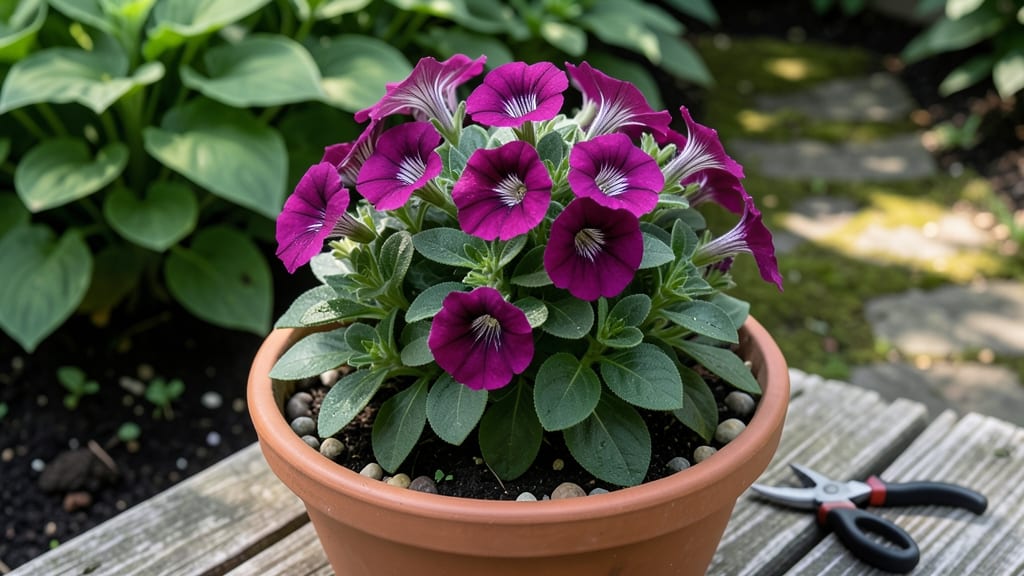
Deciding whether petunias thrive in full sun or shade is the key to nonstop blooms that last all season — and the answer might surprise you.
Struggling to keep your petunias blooming beautifully? The secret might be hiding in the light — too much sun can scorch them, while too little shade can leave them sparse. Discover the perfect balance between petunia full sun or shade conditions to transform your garden into a year-round floral paradise.
Petunias are famously adaptable, but their light needs change with the seasons. Six hours of sunlight is the magic number for most varieties, though some shade-tolerant types can handle just 4 hours of morning sun.
The trick is knowing how to spot the signs of too much or too little light before your plants suffer.
In this guide, I’ll break down exactly how much sun petunias need, how to adjust care for partial shade or full sun spots, and which varieties perform best in low-light gardens. By the end, you’ll have the confidence to place every petunia 🌸 in the perfect spot for vibrant blooms.

Petunia sun requirements: how much light do they really need?
Petunias are the darlings of summer gardens, but their blooming potential depends heavily on sunlight exposure. While they love basking in the sun, they’re not as resilient as some sun-worshippers like lavender or roses.
The ideal balance is 5-6 hours of direct sunlight daily, but this varies by variety and climate. Too little light leads to leggy stems and sparse flowers, while too much can cause sunburn or wilting.
Understanding the nuances of morning vs. afternoon sun is key to keeping your petunias thriving.
Petunias are native to South America, where they evolved under bright, intense light. This means they’re adapted to high-light environments, but their delicate foliage can’t handle the midday heat common in many U.S. climates.
The solution? Position them to receive morning sun (gentler and cooler) and afternoon shade (protection from harsh rays). This mimics their natural habitat and prevents leaf scorch or flower bleaching.
Photosynthesis is the secret sauce behind those vibrant petunia blooms. When petunias get 4-6 hours of sunlight, their leaves produce enough energy to fuel flower production. Without sufficient light, they prioritize leaf growth over blooms, leaving you with a lanky, flower-sparse plant. Think of sunlight as their fuel source—cut off the supply, and you’ll see fewer flowers and weaker stems.
| Condition | Full Sun (6+ Hours) | Partial Shade (4-6 Hours) | Deep Shade (<4 Hours) |
|---|---|---|---|
| Bloom Quality | Vibrant, abundant | Moderate, smaller | Sparse, pale |
| Stem Strength | Strong, upright | Moderate, may flop | Weak, leggy |
| Water Needs | High (evaporates fast) | Moderate | Low (retains moisture) |
| Best Varieties | 'Mitchell,' 'Crazytunia' | 'Wave,' 'Supertunia' | 'Fortunia,' 'Easy Wave' |
| Seasonal Adjustments | Morning sun only in summer | Dappled light works year-round | Add grow lights in winter |
Seasonal shifts matter too. In spring and fall, when temperatures are milder, petunias can handle full sun all day. But by summer, the intense midday sun (especially in Zones 7-10) can cause leaf burn.
If you notice yellowing edges or crispy leaves, it’s time to provide afternoon shade using a lightweight shade cloth or by planting near taller sun-loving perennials like salvia or coneflowers.
Not all petunias are created equal when it comes to light tolerance. Trailing varieties like 'Wave Petunias' can handle partial shade better than grandiflora types, which demand full sun for their large, showy blooms.
If your garden has filtered light (like under a tree canopy), opt for shade-tolerant cultivars like 'Fortunia' or 'Easy Wave.' These varieties sacrifice bloom size for light adaptability, making them perfect for woodland gardens or container setups on shaded patios.
Light deprivation shows up in subtle but telling ways. Leggy stems with few buds? That’s your petunia stretching toward any available light. Pale, small flowers or bud drop are other red flags. Even worse, stunted growth or yellowing leaves signal a plant struggling to photosynthesize. If you
Shade-tolerant petunia varieties: best choices for low-light gardens
Not all petunias need 6+ hours of blazing sun to shine. Some varieties actually thrive in partial shade, producing vibrant blooms where others would struggle. The key is choosing the right shade-tolerant petunia cultivars and adjusting care to match their light environment.
For example, Wave Petunias and Supertunia series are bred to handle 4-6 hours of filtered light, making them perfect for east-facing beds or areas under tall trees.
These varieties won't match the sheer volume of blooms found in full sun, but they'll reward you with longer-lasting color and healthier foliage in low-light spots.
Here's the critical distinction: shade tolerance isn't the same as deep shade survival. Most shade-tolerant petunias will still produce sparse blooms if they receive less than 4 hours of light daily, while outright failure occurs in complete shade (under 2 hours of light).
The secret is finding that sweet spot of partial shade where these varieties excel.
Petunia Full Sun vs Shade: What Works Best?
Full Sun (6+ Hours)
- Pros: Maximum blooms, vibrant colors
- Best for: Classic petunias, Grandiflora types
- Care note: Needs frequent watering
Partial Shade (4-6 Hours)
- Pros: Longer blooming season, healthier foliage
- Best for: Wave, Supertunia, Fortunia series
- Care note: Reduce fertilizer by 30%
Deep Shade (<4 Hours)
⚠️ Risk: Leggy growth, sparse blooms, potential failure
Solution: Use shade cloth (30-50%) to increase light
When growing shade-tolerant petunias, adjust your care routine to compensate for lower light levels. Start by reducing fertilizer by 25-30% since these plants photosynthesize less efficiently. A balanced 10-10-10 fertilizer applied every 6 weeks (instead of 4) prevents overgrowth while maintaining blooms.
Watering also changes in shade: water more frequently but less deeply since shaded soil stays moister longer. Aim for every 2-3 days in partial shade (vs. daily in full sun), checking the top inch of soil for dryness.
Morning watering remains crucial to prevent fungal diseases that thrive in damp shade conditions.
For the best results, pair your shade-tolerant petunias with companion plants that tolerate similar light conditions. Impatiens and begonias make excellent neighbors, creating a lush, multi-layered display while sharing the same care requirements.
This layered planting approach not only maximizes your garden space but also extends the visual impact of your shade garden.
Remember, even shade-tolerant petunias will perform best with morning sun exposure. The gentle light of morning helps prevent the bleaching that can occur from harsh afternoon rays, while still providing enough energy for robust growth.
With the right variety and care adjustments, you can enjoy petunia blooms all season—even in your shadiest spots! 🌿🌸